Many international patients ask whether they can have their eyes and nose done on the same visit. Often you can, and for a single trip it can be practical. Whether you should depends on your anatomy, your goals and your surgeon's judgement. A discount or a package is no reason to combine. This page walks through how combining works so you can decide with a clear picture.
The short answer
Eye surgery (such as double-eyelid surgery) and rhinoplasty are separate operations on separate areas. Combining them is a scheduling and anaesthesia decision; each one is still a full procedure.
The two areas heal on their own timelines: eyelid sutures come out around day 7, nasal sutures around day 7 with dressing changes on day 1 and 3, so the two recoveries overlap instead of adding up.
Combining is worth considering mainly when it saves a second long-haul trip and your surgeon is comfortable doing both well in one session. It is not automatically "better".
The safe version of this is a single board-certified surgeon who assesses both areas carefully and only operates on what genuinely needs it.
Can eye and nose surgery be done at the same time?
In most cases, yes. The eyes and the nose are anatomically separate regions, so operating on both in one session is common and, in the right hands, reasonable. Double-eyelid surgery works on the upper lid through a lid-crease incision, while rhinoplasty reshapes the nasal framework through a closed or open approach depending on the case. They do not compete for the same tissue, which is why they can share one operating slot.
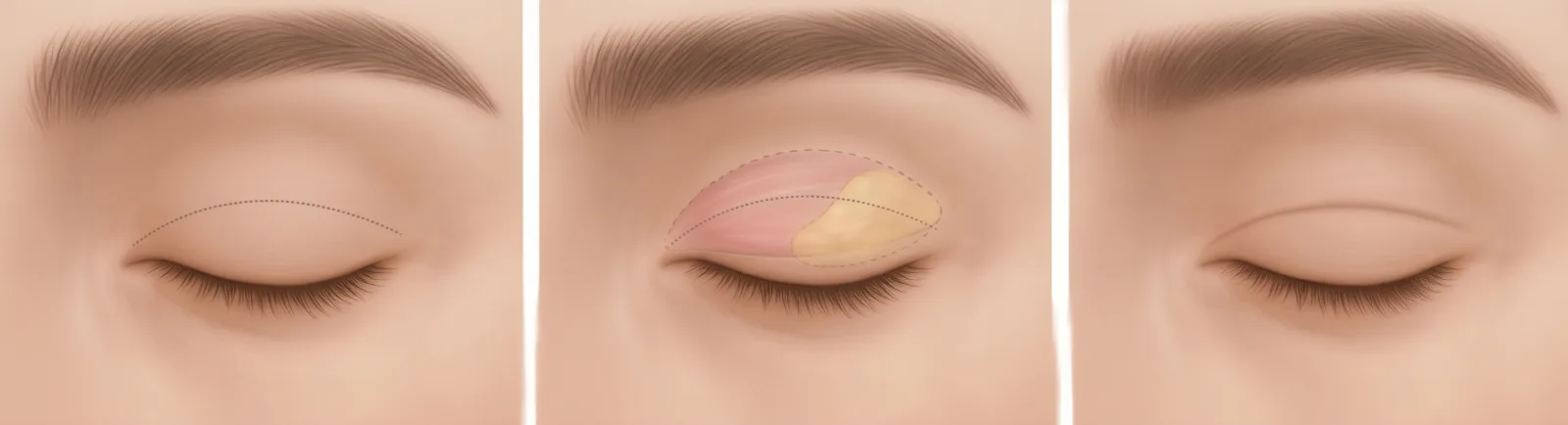
Illustration: the crease is set through an incision along the planned fold; the tissue beneath (muscle in pink, fat in yellow) is adjusted so the crease holds.
That said, "can" is not the same as "should for everyone". Some patients only need one of the two; some are better served by staging the surgeries; and combining a large open rhinoplasty with extensive eye work makes for a longer time under anaesthesia. It depends on what each area actually needs and on your surgeon's assessment of doing both well in one sitting. That assessment is what a consultation is for.
If your eye concern includes a heavy or tired-looking upper lid, your surgeon may also look at whether ptosis correction belongs in the plan, since that changes the eyelid work itself and does not add an unrelated procedure.
Why combine
Why international patients combine eye and nose surgery
The most practical reason is travel. Flying to Korea for surgery is a significant commitment, and having both areas addressed in one trip means one anaesthetic, one recovery window and one set of follow-up visits. The alternative is two separate journeys months apart, so for patients coming a long distance the logistics saving is real.
There is also a balance argument that is worth stating carefully. The eyes and nose sit at the centre of the face and read together, so some patients feel a combined change looks more harmonious than altering one feature alone. This can be true. It is still a matter of your goals and proportions, and a good surgeon will not push a second area just because you are already in the chair. If your nose is fine and only your eyes bother you, operating on the nose does not make the outcome "better".
Combining is not about a package price or an upsell. Treat any offer framed mainly as a discount for doing more with suspicion, and keep the decision anchored to what each feature genuinely needs.
One session
How the two operations fit into one session
When both are done together, they are performed in sequence within the same operating time, usually under sedation or general anaesthesia depending on the extent of the work. The eyelid portion and the nasal portion each follow their own technique: the crease is formed or refined on the lids, and the nasal dorsum and tip are addressed separately. Nothing is rushed by being combined. It is simply one continuous session in place of two.
The main trade-off is time under anaesthesia. A short eyelid procedure added to a straightforward rhinoplasty adds relatively little; a full open rhinoplasty combined with extensive eye surgery is a longer case, and your surgeon should tell you plainly whether that length is sensible for you. This is one reason a clinic that caps its daily surgical load, so each case has unhurried time, matters more for combined operations than for a single quick procedure.
Ask specifically who performs each part. In a single-surgeon setting the same board-certified surgeon does both the eye and the nose work from start to finish, which removes any question about a second, unseen operator taking over one half of your combined surgery.
Recovery
How recovery works when both are done together
The good news is that the two areas heal on overlapping timelines. For the eyes, sutures typically come out around day 7. For the nose, there are usually dressing changes on day 1 and day 3, with nasal sutures out around day 7 as well. Because both clocks run at the same time, combining does not double your recovery. You generally recover from both across a broadly similar window, at the same time.
Swelling and bruising, however, are additive in appearance: with both the eyes and nose operated on, the mid-face can look more swollen in the first week than either procedure alone. Most visible bruising settles over the first couple of weeks, but the nose in particular continues refining over months as deep swelling resolves. Plan your trip so you are still in Korea for the early suture removals and at least the first dressing changes, and expect to still look swollen when you fly home; the nose takes months to reach its final shape.
Because both areas are healing together, the after-care instructions stack: keeping your head elevated, avoiding strenuous activity, and protecting both the lids and the nasal framework. A structured follow-up — reviewing you at set points and remaining reachable after you return home — matters more when two areas are settling at once.
How to decide
How to decide whether to combine — or stage
Start from each feature separately: whether your nose actually bothers you or you are only there for your eyes, and whether a smaller eye change, or ptosis correction in place of a full crease revision, would meet your goal. Deciding what each area needs first, then asking whether it is sensible to do them in one session, keeps you from combining simply because it is offered.
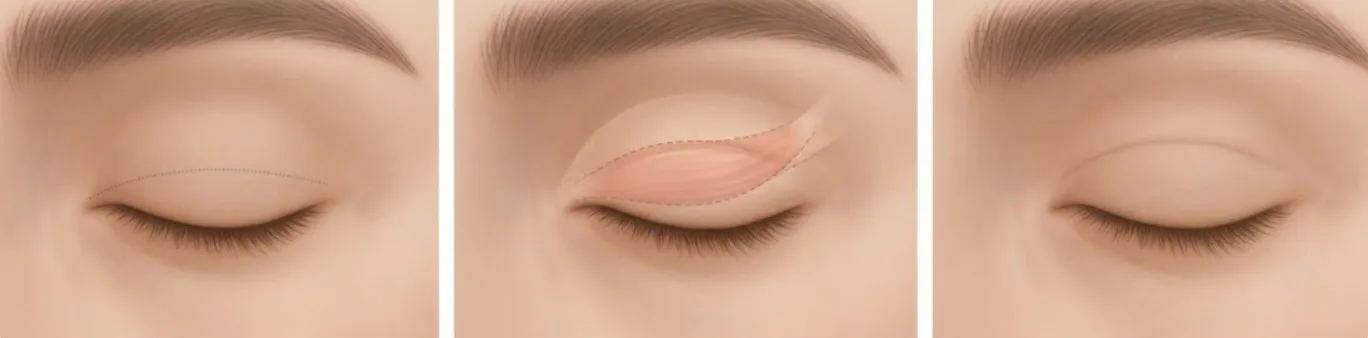
Illustration: through the crease line, the muscle that opens the eye (shown beneath the lid) is tightened so the lid rests higher.
There are reasons to stage instead of combine. If either procedure is complex, such as a revision nose or a difficult eyelid case, some surgeons prefer to do them separately so each gets full attention and a cleaner recovery. If your total anaesthesia time would be long, staging can be the more conservative choice. Neither combining nor staging is universally right; the correct answer is the one your surgeon can justify for your specific anatomy.
The most useful thing you can do before travelling is send photos for a pre-assessment. A trustworthy answer sometimes includes "you don't need the nose done" or "let's stage these". That candour is a better sign than an enthusiastic yes to everything.
At Garnet
How Garnet approaches combined eye and nose surgery
Garnet is a single-surgeon clinic in Apgujeong, Seoul. Dr. In-Soo Baek is a board-certified plastic surgeon (Korean medical licence no. 77407) and the only operating doctor. He consults, performs both the eye and the nose work himself, and reviews every follow-up, with the day capped at two surgeries so combined cases are not rushed. Garnet is registered with Korea's foreign-patient programme.
The clinic's stated approach is to address only the area you came for and not to over-recommend, so a combined plan is proposed only when both features genuinely warrant it. Follow-up is structured at 1, 3 and 6 months, which suits a combined recovery where two areas settle over different periods. You can start with a no-obligation online assessment and send photos of both your eyes and nose for a candid opinion on whether combining, staging or doing just one is right for you.
Real Results
Before & After
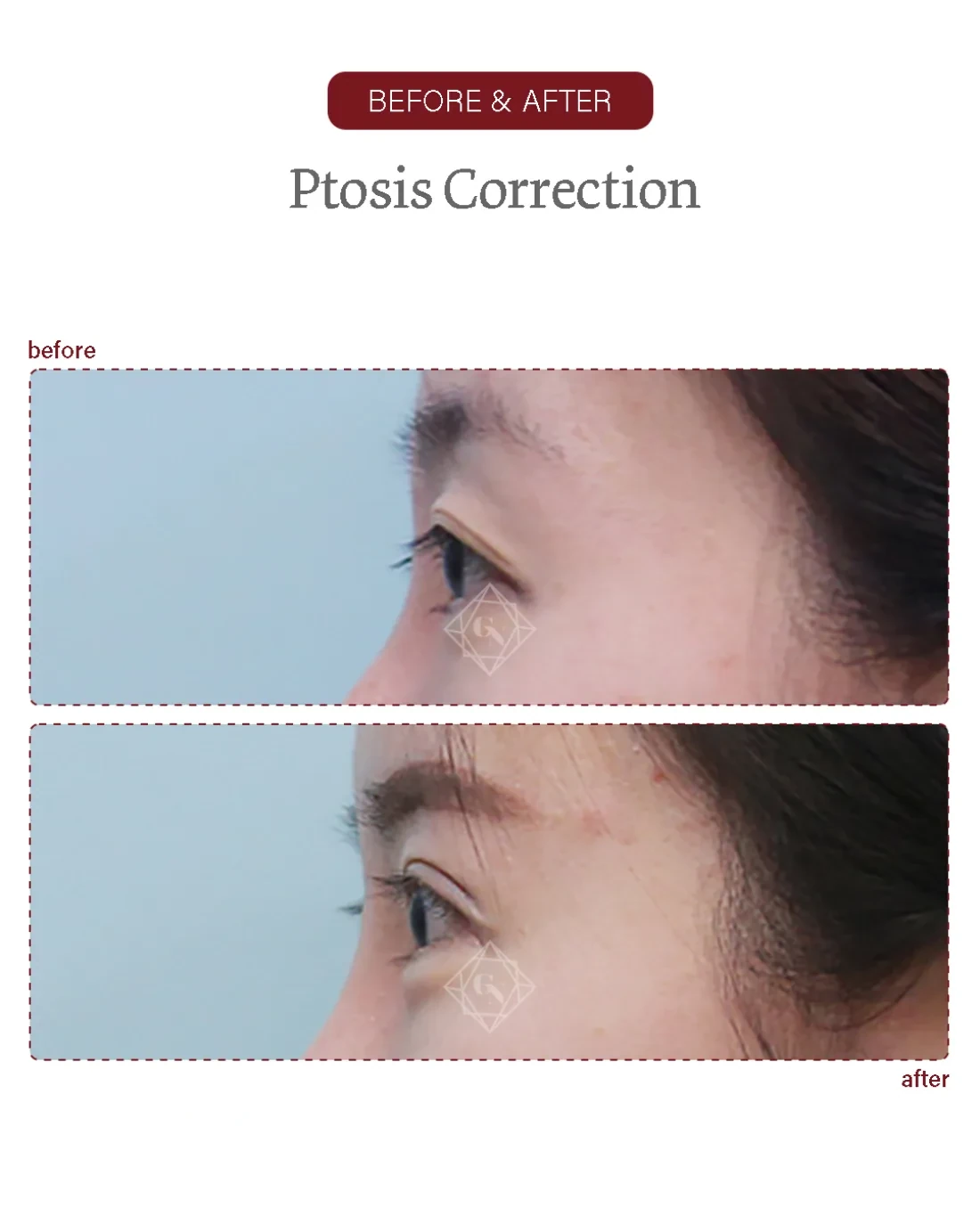
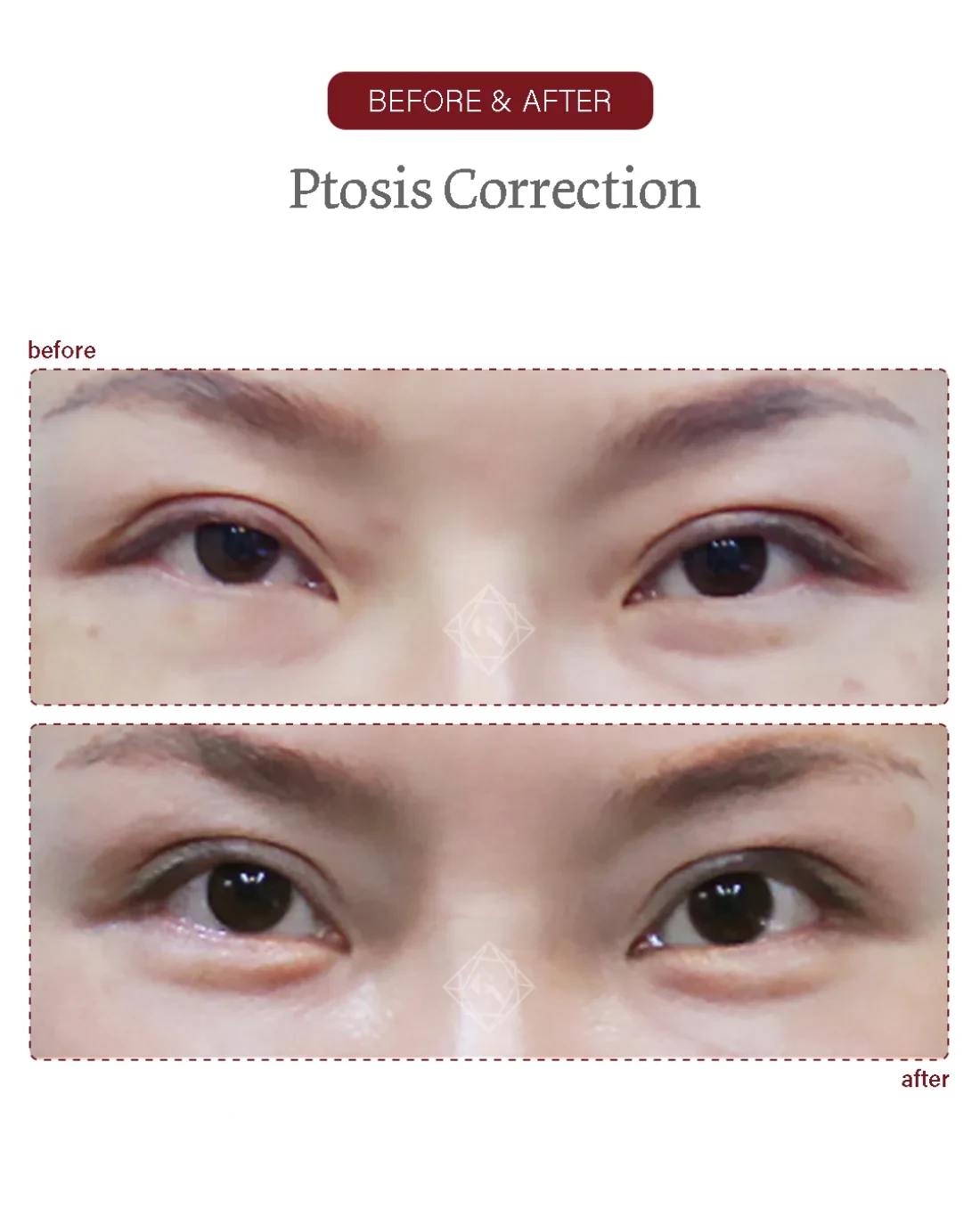
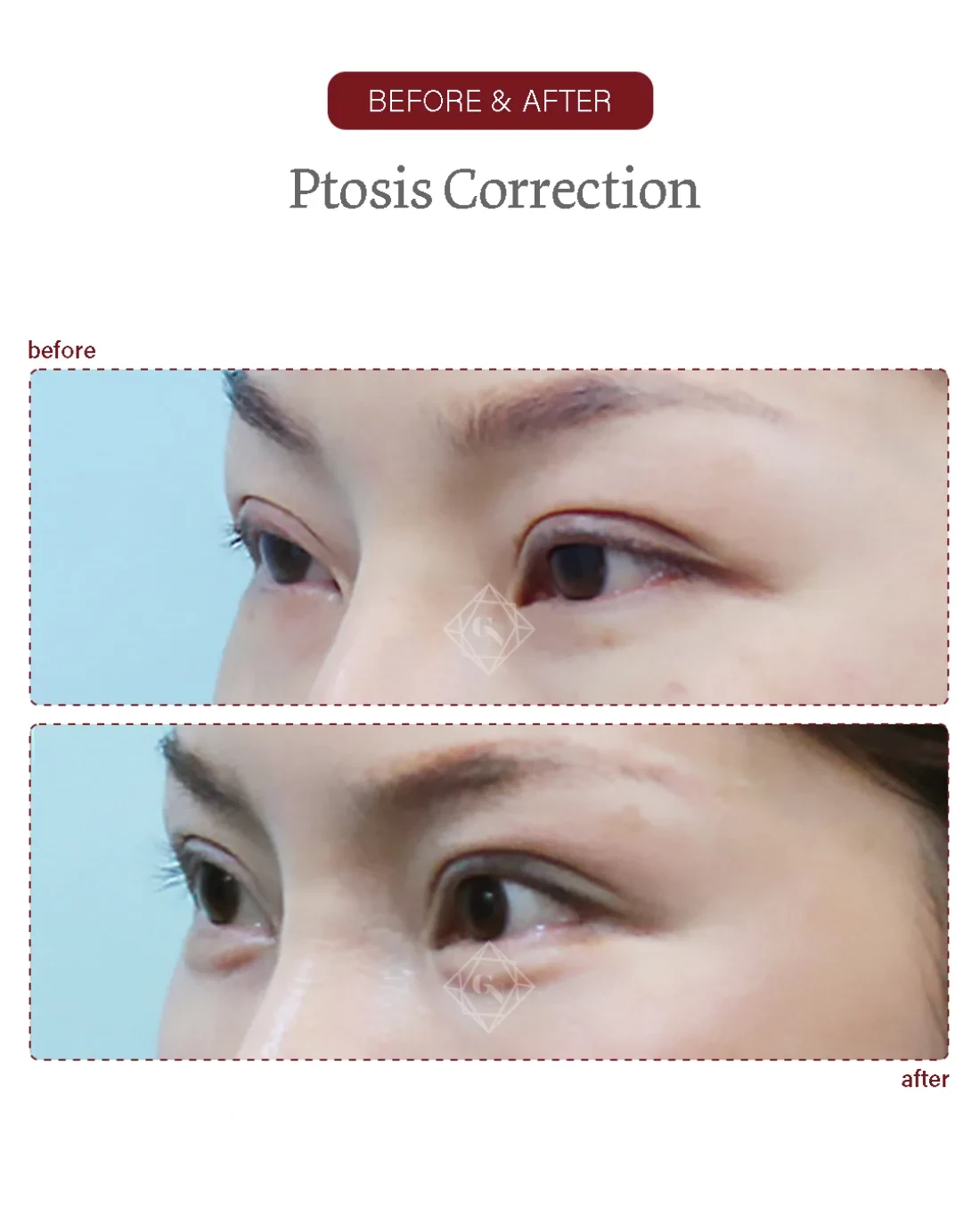
Ptosis-correction before/after examples of actual Garnet patients (published with consent). Results, recovery and suitability vary by individual and are not guaranteed; the right approach is decided at an in-person consultation.
Dr. In-Soo Baek
Director & sole operating surgeon
Korean medical licence no. 77407
Operate on what you came for. Trained at Korea University Medical Center. Every case planned, performed and reviewed by the same hands.
1Operating surgeon
~2Surgeries per day
7Registered techniques
Board-certified plastic surgeon
Plastic surgery training at Korea University College of Medicine & graduate school
Korean Society of Plastic and Reconstructive Surgeons member, in its facial-contour, eye & rhinoplasty groups
Consults, operates and follows up each case himself
Peer-reviewed papers behind the facts on this page. Each describes findings in its own study group — not results at Garnet — and none predicts your own outcome.
Wang C et al. Asian Upper Blepharoplasty. Clinics in Plastic Surgery. 2023. doi:10.1016/j.cps.2022.07.006
Park MJ et al. Rhinoplasty Considerations in the Ethnic Patient. Facial Plastic Surgery Clinics of North America. 2022. doi:10.1016/j.fsc.2022.07.007
Gupta N et al. Safety of Combined Facial Plastic Procedures Affecting Multiple Planes in a Single Setting in Facial Feminization for Transgender Patients. Aesthetic Plastic Surgery. 2019. doi:10.1007/s00266-019-01395-5
Warren RJ. Upper Blepharoplasty and Brow Rejuvenation in Men. Clinics in Plastic Surgery. 2022. doi:10.1016/j.cps.2021.12.006
FAQ
Common questions
Can I have eye and nose surgery together in Korea?
In most cases yes. The eyes and nose are separate areas, so double-eyelid surgery and rhinoplasty can be done in one session. Whether you should depends on what each area needs and your surgeon's judgement. A package deal is no reason to combine.
Is it safe to combine two procedures in one operation?
Combining separate facial areas is common and reasonable in the right hands. The main consideration is total time under anaesthesia; a short eyelid procedure adds little, while a large open rhinoplasty combined with extensive eye work is a longer case your surgeon should assess carefully for you.
Does combining shorten my total recovery?
It shortens your travel and scheduling; the healing itself keeps its own pace. The eyes and nose heal on overlapping timelines (eyelid sutures out around day 7, nasal sutures around day 7 with dressing changes on day 1 and 3), so you recover from both in a broadly similar window.
Will I look more swollen if I do both at once?
Usually yes in the first week. With the eyes and nose both operated on, the mid-face can look more swollen than either procedure alone. Most bruising settles over the first couple of weeks, but the nose keeps refining over months. Expect to still look swollen when you fly home.
Do I actually need both procedures?
Not necessarily. Some patients only need their eyes, or only their nose. A trustworthy surgeon assesses each area separately and will tell you if one does not need surgery. Operating on a nose that is fine does not make the result better.
Should I combine them or stage them?
It depends on your case. Straightforward procedures are often combined to save a second trip; complex ones, such as a revision nose or a difficult eyelid, may be staged so each gets full attention. Your surgeon should be able to justify the choice for your specific anatomy.
How long should I stay in Korea if I combine them?
Plan to stay through the early suture removals and at least the first nasal dressing changes: dressings on day 1 and 3, sutures out around day 7. Ask your surgeon to confirm the right window for your combined plan before you book flights.
Who performs each part of a combined surgery?
Ask directly and get it in writing. At a single-surgeon clinic the same board-certified surgeon performs both the eye and the nose work from start to finish, so there is no question of a second, unseen operator handling one half of your combined operation.
Can I get an opinion before I fly to Korea?
Yes. You can send photos of your eyes and nose for a pre-assessment in an online consultation, and get a candid view on whether combining, staging or doing just one procedure suits your goals — before committing to travel.
Is a combined package cheaper?
Focus on what each area needs. A bundled price comes second. Combining can be practical for a single trip, but a discount for doing more is not a medical reason to add a procedure. Keep the decision anchored to your anatomy and goals, and confirm details at consultation.
My mom recently had a brow lift and lower blepharoplasty with Dr. Baek, and our experience has been wonderful so far. The Garnet team was incredibly kind and welcoming, with Kelly assisting us as our English consultant—she made everything…
I’m so happy I chose this clinic for my lower blepharoplasty. I was traveling from abroad by myself, so I was a little nervous, but from the beginning I felt comfortable and truly cared for. Everyone was kind, patient, and professional…
Came in for an in-person consult and ended up choosing Garnet and Dr.Baek for my non-incisional DES and tiplasty/alarplasty. I communicated with Kelly (English consultant) from the start till now (3 weeks post-op). She really help me feel…
My under-eyes have been sagging and folding for years... I tried to cover it up with makeup, but it actually got stuck in the wrinkles and made it stand out even more. While going for consultations, I noticed that the bigger the hospital…
Considering both your eyes and nose in one trip? Send photos for a no-obligation assessment of whether combining, staging or doing just one is right for you.
Send photos and your question before you travel. An English-speaking coordinator reviews every enquiry and replies with guidance on whether surgery is appropriate, the likely plan and timing.
✓ Reviewed by the clinic coordinator, not a bot
✓ Photo-based pre-assessment before you fly
✓ Foreign-patient scheduling & after-care
✓ One surgeon for consultation, surgery and follow-up
Prefer to chat now? Reach the coordinator directly:








 T S7 months ago



