A plastic surgery trip to Korea usually runs in 4 stages: an online enquiry and photo pre-assessment, an in-person consultation, the surgery itself, and structured follow-up. Planning surgery in another country can feel daunting, but the process is more orderly than it looks, with a coordinator helping you through each step.
The short answer
The usual path is: online enquiry and pre-assessment, then an in-person consultation, then surgery, then follow-up.
You don't need to visit Korea twice. Most patients consult and operate on a single trip, after an online pre-assessment first.
An online pre-assessment before you travel tells you whether the procedure suits you, so you commit to a flight only when it makes sense.
At a single-surgeon clinic the same board-certified surgeon consults, operates and reviews your recovery.
How the plastic surgery process works for foreigners
For an international patient, the journey to surgery in Korea is better understood as a sequence of steps. It usually moves through four stages: an online enquiry and pre-assessment from home, an in-person consultation once you arrive, the surgery itself, and a period of recovery and follow-up. Knowing the order helps you plan flights, time off work and a place to stay with far less guesswork.
The first thing to settle is whether a procedure is right for you at all, which is exactly what the early online consultation is for. Only once you have a pre-assessment does it make sense to commit to a date, book travel and arrange your stay. A coordinator typically helps tie these pieces together, so you are not navigating an unfamiliar medical system alone.
This guide walks through each stage in turn. None of it has to be rushed: a clinic that gives you time to ask questions and decide, including the option to decide against surgery, is doing its job properly.
Online enquiry
Step 1: enquire and get a photo pre-assessment
Everything starts before you fly. You send a message with a few clear photos and a short description of your goals, and the clinic gives you a pre-assessment: whether the procedure you are considering is likely to help, what the realistic options are, and roughly what recovery would involve. This early read is the single most useful thing you can do, because it stops you booking a trip for surgery that may not suit you.
A good pre-assessment is candid and free of sales pressure. If a procedure is not right for you, you should be told so plainly. You can also use this stage to confirm the things that matter for safety — who the surgeon is, who will actually operate, and how after-care works, all covered in the safety guide.
Practical questions naturally come up here too: how long you'll need to stay, when sutures come out, and when it is safe to fly home. It helps to read about how long to stay in Korea for surgery before you lock in dates, so your trip is long enough to include the consultation, the procedure and at least the first review.
In-person consult
Step 2: your in-person consultation in Seoul
Once you arrive, you meet the surgeon face to face. The in-person consultation is where the plan is finalised: the surgeon examines you, discusses what is realistic for your anatomy and goals, and explains the method, the risks and the recovery specific to you. This is also your chance to ask anything left over from the online stage.
At a single-surgeon clinic, the doctor who consults with you is the doctor who will operate, so the assessment, the surgery and the follow-up are continuous. You can prepare for this meeting by reading what to expect at a first consultation, which covers what to bring and the questions worth asking.
In many cases the consultation and surgery happen on the same trip, often within a day or two of each other, once you and the surgeon are agreed. Nothing is committed until you are comfortable; a consultation that ends with "this isn't the right procedure for you" is a sign of a careful clinic, and the journey is still worthwhile.
Surgery & recovery
Step 3: surgery, recovery and follow-up
On the day of surgery, the surgeon performs the procedure and your initial recovery is monitored. Afterwards there is a local recovery window before you fly home. Its length depends on the procedure, since some need sutures removed and dressings changed over the following days. Your coordinator helps with scheduling these visits so you know exactly when each appointment falls.
Illustration: the deeper facial layer (SMAS, shown in yellow) is released and repositioned as one unit with the skin, rather than pulling the skin alone.
Recovery does not end when you leave Korea. Reputable clinics arrange structured follow-up, for example reviews at 1, 3 and 6 months, and the operating surgeon can continue to check your progress by messenger after you return home, with clear guidance on what to watch for. Knowing this is in place before you travel makes the whole trip less stressful.
If you are weighing different procedures, you might look at how the timelines differ: a facelift typically asks for a longer local stay than a more contained procedure such as upper eyelid surgery. The right plan is the one built around your specific procedure and recovery.
Timing
How far in advance should you plan?
There is no fixed rule, but a comfortable approach is to begin the online conversation several weeks before you hope to travel. That gives time for the pre-assessment, any back-and-forth about your goals, and choosing dates that leave room for the consultation, the surgery and the early follow-up visits in one trip.
Flights and accommodation are usually easier to arrange than the medical schedule, so let the clinical plan lead. Once the surgeon has assessed your photos and you have agreed on a likely procedure, the coordinator can help you settle on a date and work out how many days you should stay. That is the moment to firm up travel bookings.
At Garnet
Planning a trip to Garnet, specifically
Garnet is a single-surgeon clinic in Apgujeong, Seoul. Dr. In-Soo Baek is a board-certified plastic surgeon (Korean medical licence no. 77407) and the only operating doctor. He handles the consultation, performs the surgery himself and reviews your follow-ups, with the day capped at 2 surgeries so each case has unhurried time. There is no consultation or CT fee, and no pressure to book on the day.
Garnet is registered with Korea's foreign-patient programme, and a dedicated coordinator stays with you from the first message through to recovery, helping with scheduling and the practical side of an unfamiliar city. Structured reviews are offered at one, three and six months, and the surgeon can continue to check in after you fly home.
The simplest first step is to start with a no-obligation online assessment: send photos, get a candid read on whether the procedure suits you, and only then decide whether to plan the trip.
Real Results
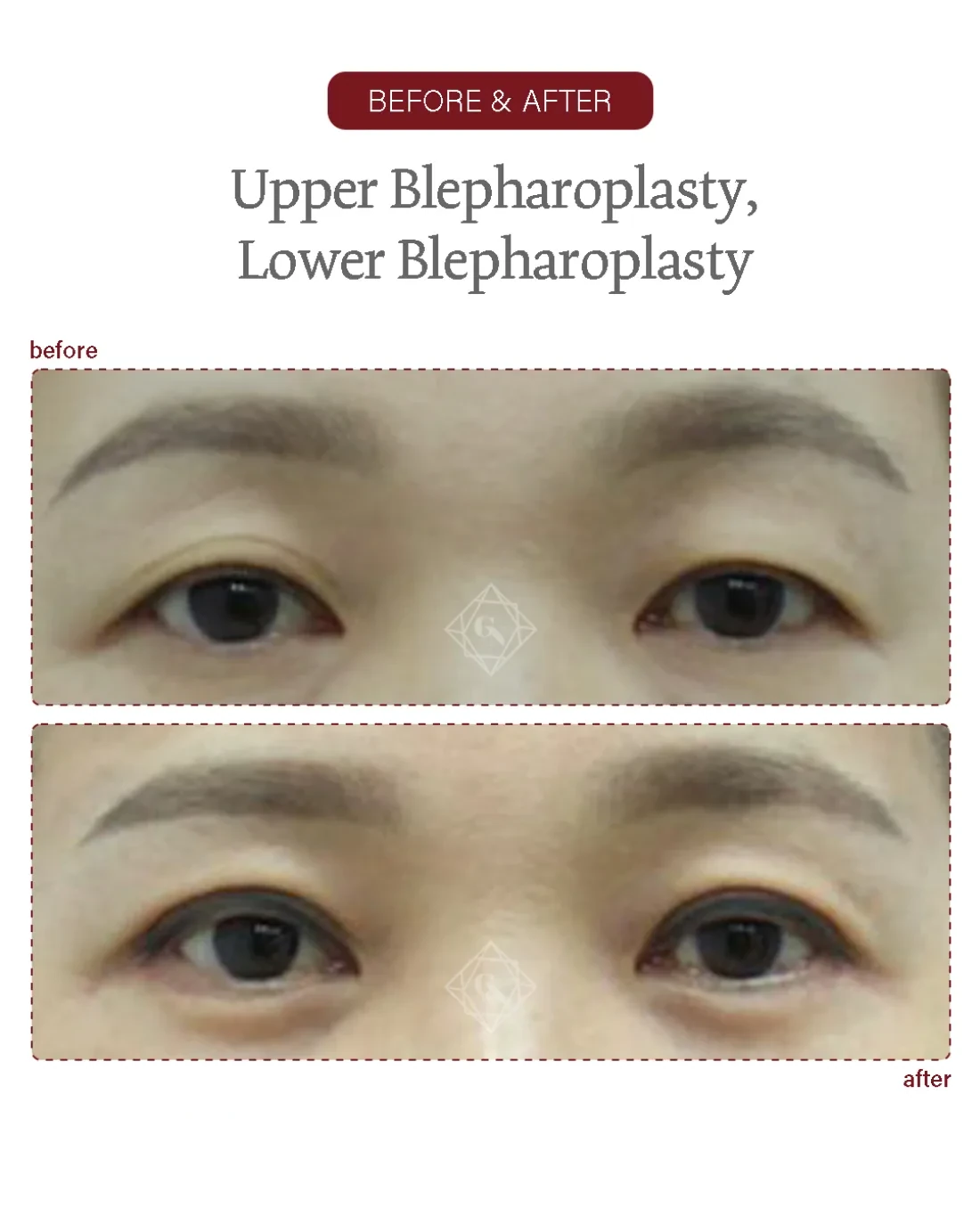
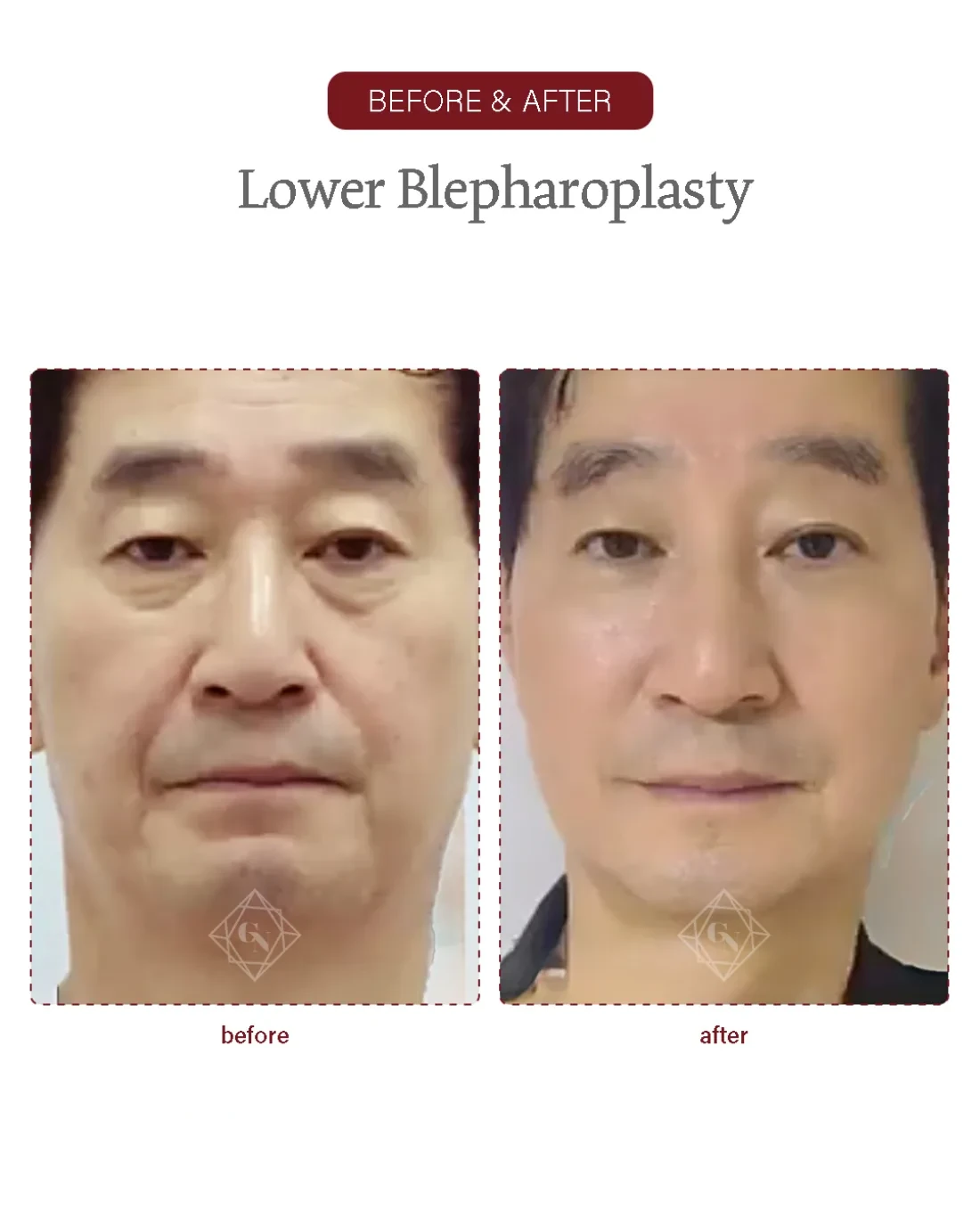
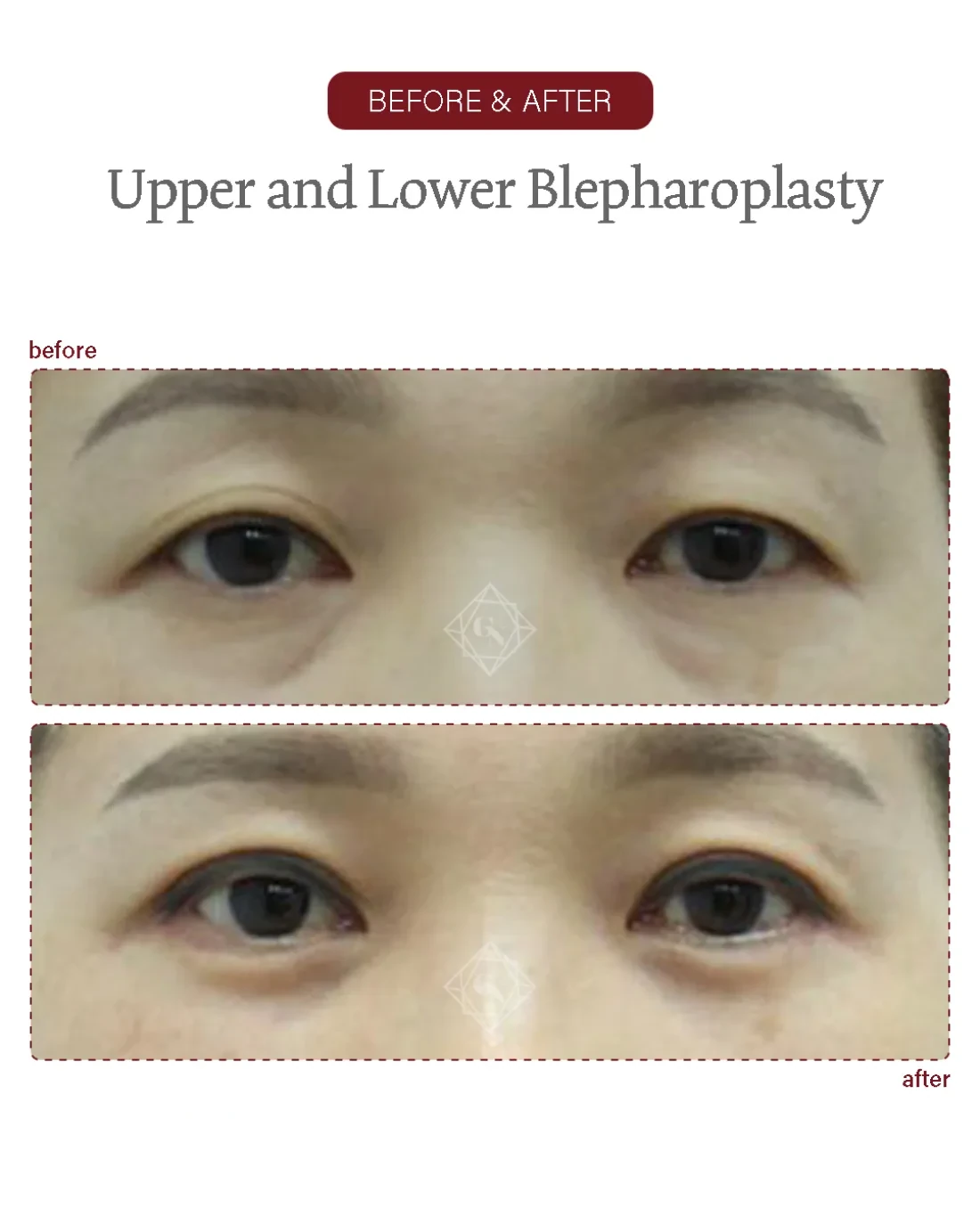
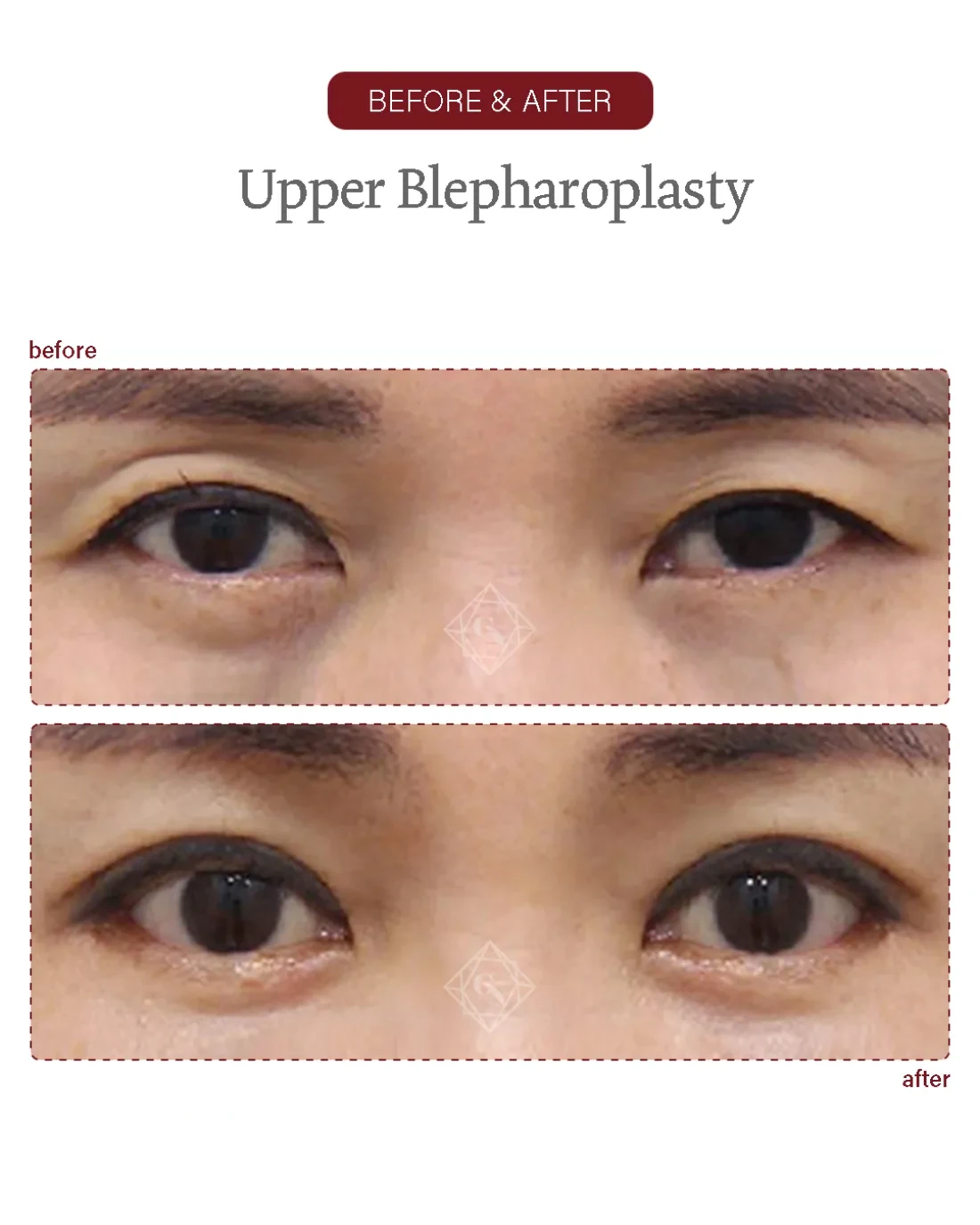
Before & After
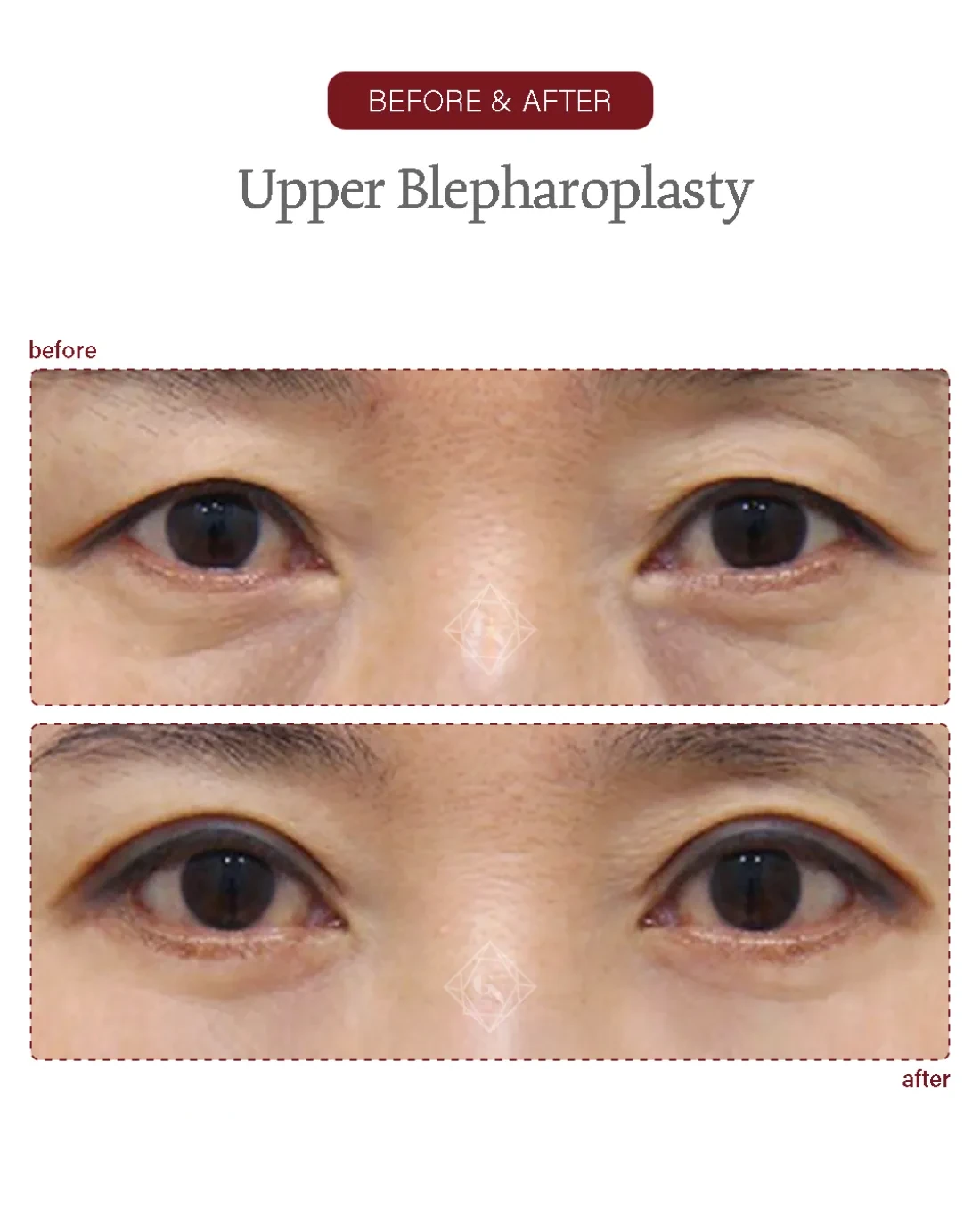
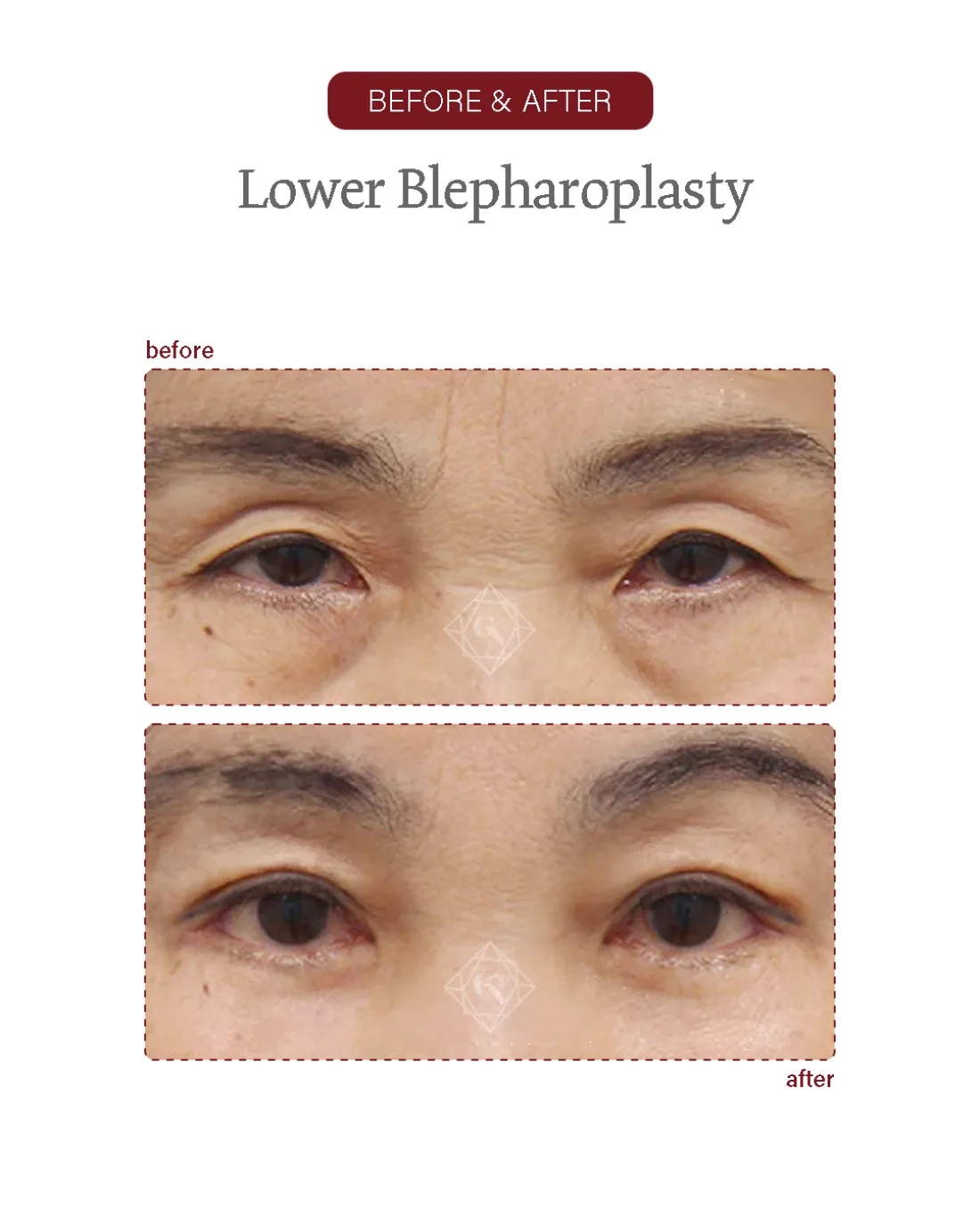
Eyelid before/after examples of actual Garnet patients (published with consent). Results, recovery and suitability vary by individual and are not guaranteed; the right approach is decided at an in-person consultation.
Prices
Price at Garnet
Upper blepharoplasty
From₩3,500,000 + VATExcluding VAT (10% VAT is added at payment)Book now
Same price as Korean patients. Prices shown exclude 10% VAT; your written quote, issued after the in-person consultation, shows the full amount payable.
Dr. In-Soo Baek
Director & sole operating surgeon
Korean medical licence no. 77407
Operate on what you came for. Trained at Korea University Medical Center. Every case planned, performed and reviewed by the same hands.
1Operating surgeon
~2Surgeries per day
7Registered techniques
Board-certified plastic surgeon
Plastic surgery training at Korea University College of Medicine & graduate school
Korean Society of Plastic and Reconstructive Surgeons member, in its facial-contour, eye & rhinoplasty groups
Consults, operates and follows up each case himself
Peer-reviewed papers behind the facts on this page. Each describes findings in its own study group — not results at Garnet — and none predicts your own outcome.
Maltezou HC et al. Challenges with medical tourism. Current Opinion in Critical Care. 2024. doi:10.1097/mcc.0000000000001148
Alkaelani MT et al. Complications of Medical Tourism in Aesthetic Surgery. Annals of Plastic Surgery. 2023. doi:10.1097/sap.0000000000003683
Kaoutzanis C et al. Aesthetic Surgical Procedures in Men: Major Complications and Associated Risk Factors. Aesthetic Surgery Journal. 2017. doi:10.1093/asj/sjx161
FAQ
Common questions
How does the plastic surgery process work for foreigners in Korea?
It usually runs in four stages: an online enquiry and photo pre-assessment from home, an in-person consultation once you arrive, the surgery, and then recovery with structured follow-up. A coordinator typically helps with scheduling and the practical side throughout.
What are the steps from enquiry to surgery?
You send photos and goals for an online pre-assessment, agree on a likely procedure and dates, travel for an in-person consultation that finalises the plan, have the surgery, and then attend early follow-up visits before flying home.
Do I need to visit Korea before booking surgery?
No. Most international patients complete an online pre-assessment first, then consult and operate on a single trip. You only commit to travel once you know whether the procedure is likely to suit you.
Can the consultation and surgery happen on the same trip?
Often, yes. After an online pre-assessment, many patients have the in-person consultation and the procedure within a day or two of each other on one visit, provided you and the surgeon are agreed and you are comfortable proceeding.
How far in advance should I plan?
Starting the online conversation several weeks ahead is comfortable. That allows time for the pre-assessment and choosing dates that leave room for the consultation, surgery and early follow-up in a single trip. Let the clinical plan lead, then book travel.
How long will I need to stay in Korea?
It depends on the procedure, because some need sutures removed and dressings changed over several days. Your plan should include the consultation, the surgery and at least the first review; read how long to stay for procedure-specific guidance.
What happens with follow-up after I return home?
Structured reviews are commonly offered at 1, 3 and 6 months, and at a single-surgeon clinic the operating surgeon can continue to check your recovery by messenger after you travel home, with clear guidance on what to watch for and when to seek local care.
Will someone help me coordinate the trip?
At clinics registered with Korea's foreign-patient programme, a coordinator usually helps with scheduling, appointment timing and the practical side of an unfamiliar city, so you are not navigating the medical system alone.
Is there a fee just to enquire or consult?
At Garnet there is no consultation or CT fee, and no pressure to book the same day. The online pre-assessment is a no-obligation way to find out whether a procedure is right for you before you plan any travel.
What if the surgeon says the surgery isn't right for me?
That is a good sign, and the enquiry was still worth making. A careful clinic will tell you plainly when a procedure won't help, which is exactly why an early online pre-assessment is worth doing before committing to a flight.
My mom recently had a brow lift and lower blepharoplasty with Dr. Baek, and our experience has been wonderful so far. The Garnet team was incredibly kind and welcoming, with Kelly assisting us as our English consultant—she made everything…
I’m so happy I chose this clinic for my lower blepharoplasty. I was traveling from abroad by myself, so I was a little nervous, but from the beginning I felt comfortable and truly cared for. Everyone was kind, patient, and professional…
Came in for an in-person consult and ended up choosing Garnet and Dr.Baek for my non-incisional DES and tiplasty/alarplasty. I communicated with Kelly (English consultant) from the start till now (3 weeks post-op). She really help me feel…
My under-eyes have been sagging and folding for years... I tried to cover it up with makeup, but it actually got stuck in the wrinkles and made it stand out even more. While going for consultations, I noticed that the bigger the hospital…
If you are thinking about a trip but not sure where to start, send photos for a no-obligation pre-assessment, and plan your dates only once you know the procedure is right for you.
Send photos and your question before you travel. An English-speaking coordinator reviews every trip-planning enquiry and replies with guidance on whether surgery is appropriate, the likely plan and timing.
✓ Reviewed by the clinic coordinator, not a bot
✓ Photo-based pre-assessment before you fly
✓ Foreign-patient scheduling & after-care
✓ One surgeon for consultation, surgery and follow-up
Prefer to chat now? Reach the coordinator directly:










 T S7 months ago



