A deep mini facelift releases the sub-SMAS layer through a shorter incision from the temporal hairline to the ear lobe, and that structural work is why it holds well. The answer to how long it lasts has a second part too: no facelift stops the clock. Understanding both is the key to realistic expectations.
The short answer
A deep mini facelift lasts longer than a skin-only mini lift because it releases and repositions the deeper sub-SMAS layer, so the result rests on structure instead of tension on the skin.
Many patients enjoy a clear, durable improvement for several years; the exact span is individual and depends on tissue quality, age and lifestyle.
No facelift halts ageing. It resets the clock, and your face continues to age naturally from a younger-looking starting point.
When the time comes, the result is usually refreshed with a touch-up instead of a full redo, and the deeper work makes that easier.
Most people who have a well-performed deep mini facelift enjoy a clear improvement that holds for several years before the natural ageing they would have had anyway begins to show again. It is a durable result, which is the whole reason for choosing a structural lift over a temporary tightening. But an exact number of years would be misleading, because longevity is genuinely individual.
Illustration: through a shorter incision around the ear (dotted), the deeper layer (yellow) is lifted using the deep-plane principle (Deep mini™).
What you can rely on is the direction of the result. A deep mini facelift sets your lower face and jawline back to a younger, more defined starting point, and then you age forward from there at your own natural pace. A fixed expiry date is the wrong picture. It is more accurate to picture a lasting head-start for the jawline that gradually softens over time.
Compared with the alternatives, that durability is the point. A thread lift gives a modest, short-lived effect; a skin-only mini lift fades faster because it relies on the skin; a deep-plane lift holds longer because it works in a deeper, sturdier layer. If you are still deciding which procedure fits you, our candidacy guide compares them by the degree of sagging.
Why durable
Why releasing the deep plane makes the result last
The durability comes from where the surgery works. A skin-only lift pulls the skin tighter, but skin stretches, so the tension gradually relaxes and the lift fades, sometimes within a couple of years. A deep mini facelift instead releases the sub-SMAS layer beneath the skin and repositions the structural tissue that actually causes sagging. That layer is far stronger than skin, so when it is moved and secured, it stays put for much longer.
At Garnet this is done through a shorter incision running from the temporal hairline to the ear lobe, with the deep-plane release of the sub-SMAS providing the lift. The skin is then redraped over a repositioned foundation without being stretched, so there is no constant tension working to undo the result. The appearance tends to look natural and unpulled, which is part of why it ages gracefully.
This is also why doing the structural work properly matters so much for longevity. A lift that takes the deep-plane shortcut, or that rushes the release, can look fine at first but fade faster. The durability you are paying for is in the depth and care of the surgery. How tight the skin looks on day one tells you little.
What affects it
What affects how long a deep mini facelift lasts
Several individual factors shape longevity. The biggest are your own tissue quality and age at surgery. Younger, more elastic skin and good underlying tissue tend to hold a result longer, while more advanced laxity at the outset ages forward sooner. Genetics play a real part too: the pace at which your face would have aged anyway carries on after surgery.
Lifestyle matters more than people expect. Significant weight fluctuation, heavy sun exposure and smoking all accelerate skin and tissue ageing and can shorten how long the result looks its best. Protecting your skin from the sun, keeping your weight stable and not smoking will not freeze the result, but they meaningfully help it last. These are within your control in a way that anatomy is not.
Finally, the surgery itself is a factor, which loops back to who performs it: a properly executed deep-plane release in an unhurried operation lasts better than a rushed or superficial one. This is one reason the cost of the procedure reflects the surgeon and the time the case is given. The durability is built in during surgery.
Not permanent
Why a deep mini facelift is not permanent
No facelift, including a deep mini facelift, is permanent, because nothing stops ageing. Gravity continues, skin continues to lose elasticity, and facial volume continues to change with the years. What surgery does is reset the clock. It does not switch it off. Anyone promising a permanent result is overstating what facial surgery can do.
The right way to think about it is comparative. Years after your deep mini facelift you will still tend to look younger than you would have without it, because you have aged forward from a younger starting point. The lift does not have to be permanent to be worthwhile. A durable, natural head-start that you keep for years is exactly what a structural lift is designed to give.
Setting that expectation early prevents disappointment later. Seeing it as a lasting improvement that gradually, naturally softens is also what lets you plan sensibly, including knowing that the result can be refreshed down the line if and when you choose.
Refreshing
Refreshing the result later on
When natural ageing eventually catches up, the usual path is a refresh. A full redo is not the usual route. Often that means lighter, non-surgical maintenance in the intervening years and, much later, a touch-up or secondary lift if you want to restore the earlier definition. Because a deep mini facelift focuses on a defined area through a shorter incision, future options stay flexible.
The deeper work also tends to make any later procedure more straightforward, because the structural foundation has already been addressed in a clean, planned way. That is another quiet advantage of a properly executed deep-plane lift over a superficial one. Besides lasting longer, it leaves you in a better position whenever you decide to do anything further.
There is no schedule you are obliged to follow. Many people simply enjoy the result and revisit the question years later. If and when you do, having the same surgeon who knows your face and performed the original lift makes planning the next step much easier.
At Garnet
Garnet's approach to a durable result
Garnet is a single-surgeon clinic in Apgujeong, Seoul. Its only operating doctor is Dr. In-Soo Baek, a board-certified plastic surgeon (Korean medical licence no. 77407). He consults, performs the deep mini facelift himself and reviews every follow-up, and the clinic caps the day at two surgeries so each case has the unhurried time that a careful deep-plane release needs. This short-incision lift is one of the clinic's trademarked methods.
Because durability is built during surgery, that unhurried, single-surgeon model is directly relevant to how long your result lasts: the same surgeon plans and performs the structural work, and then follows your healing at 1, 3 and 6 months, and by messenger after you fly home, so the lift settles as intended. For visitors from abroad, Garnet holds registration under Korea's foreign-patient programme.
If you would like a realistic view of how long a deep mini facelift could last for your face specifically, the ideal first step is a no-obligation online assessment. Send photos and get a clear answer about both the result and its likely longevity before you plan any travel.
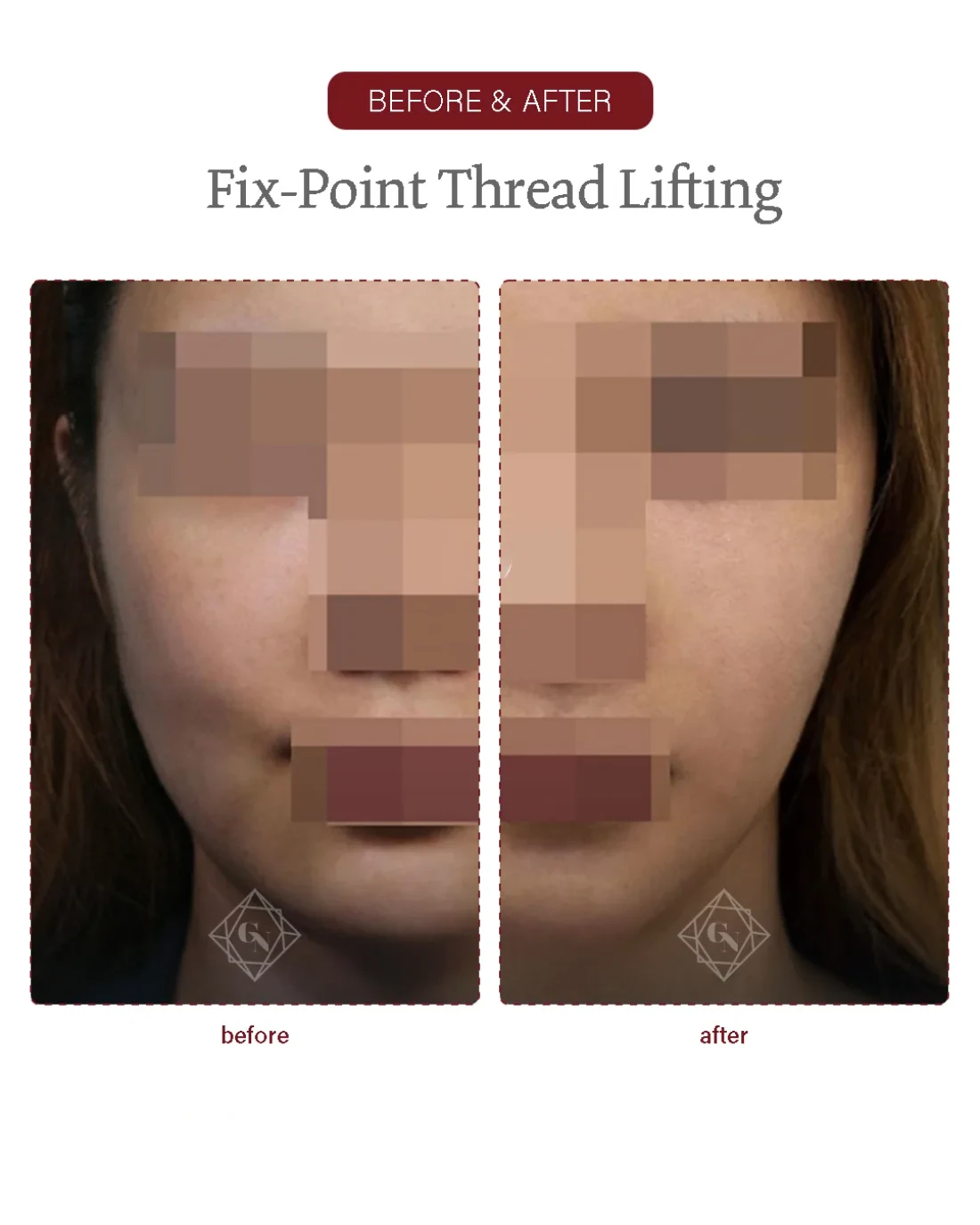
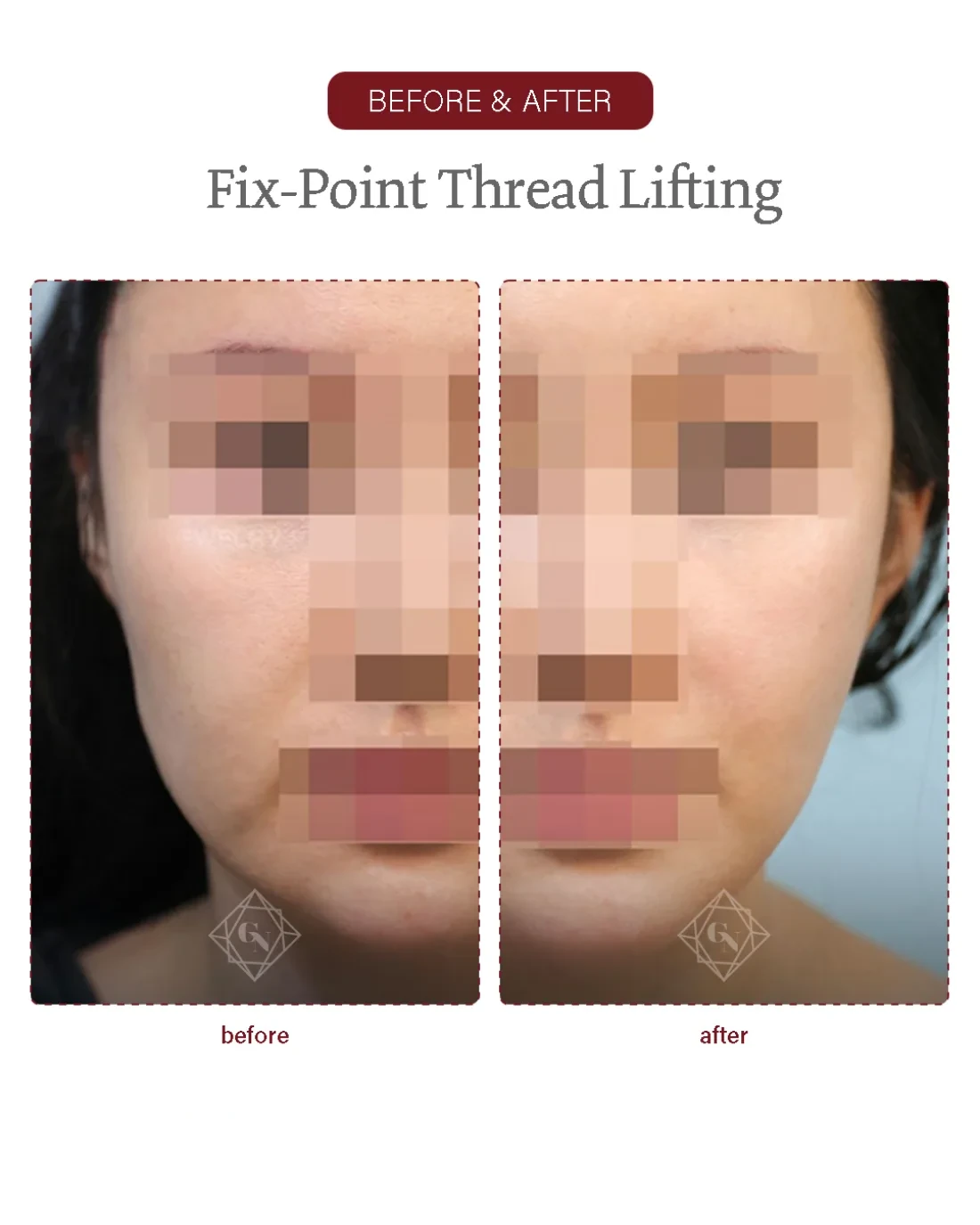
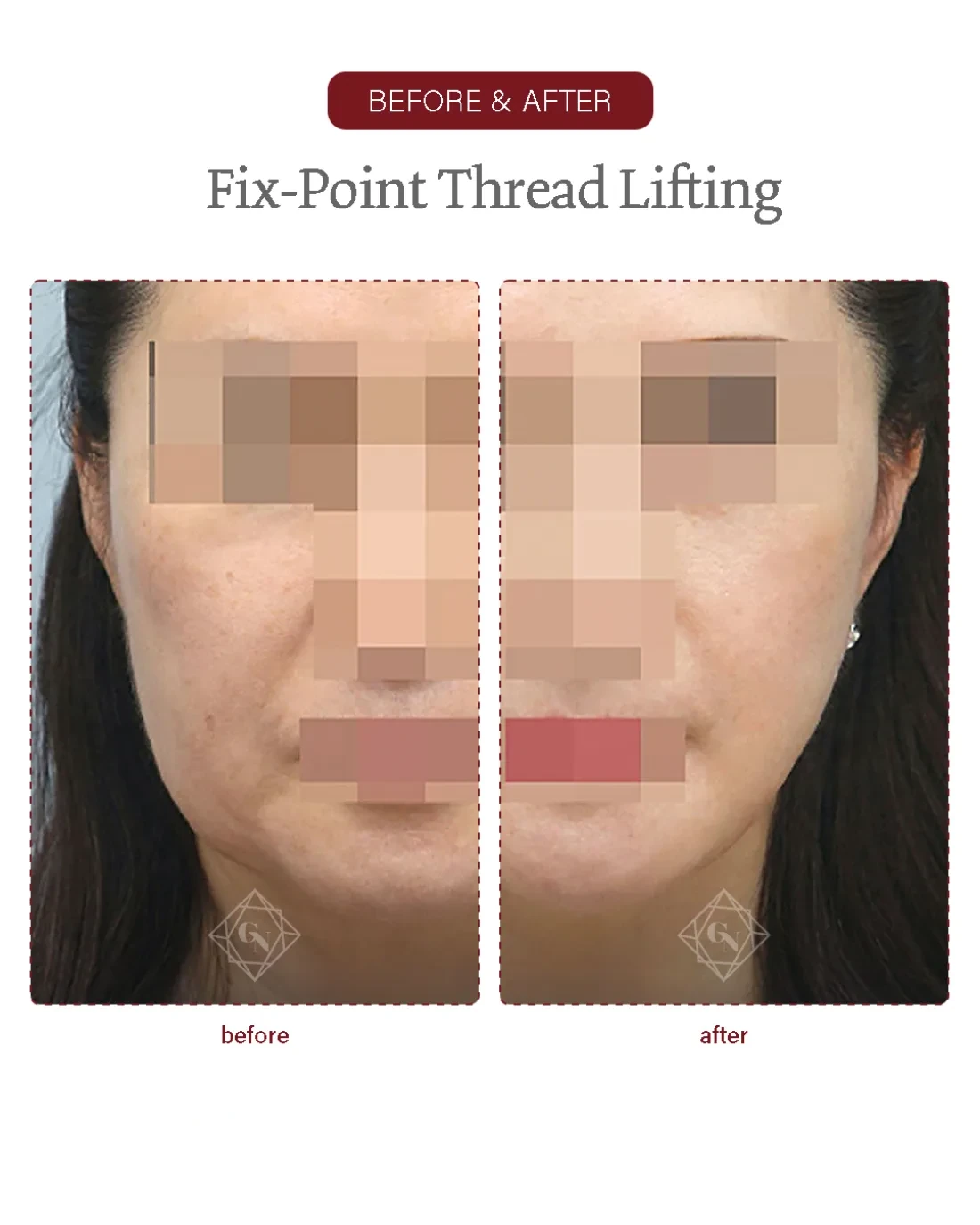
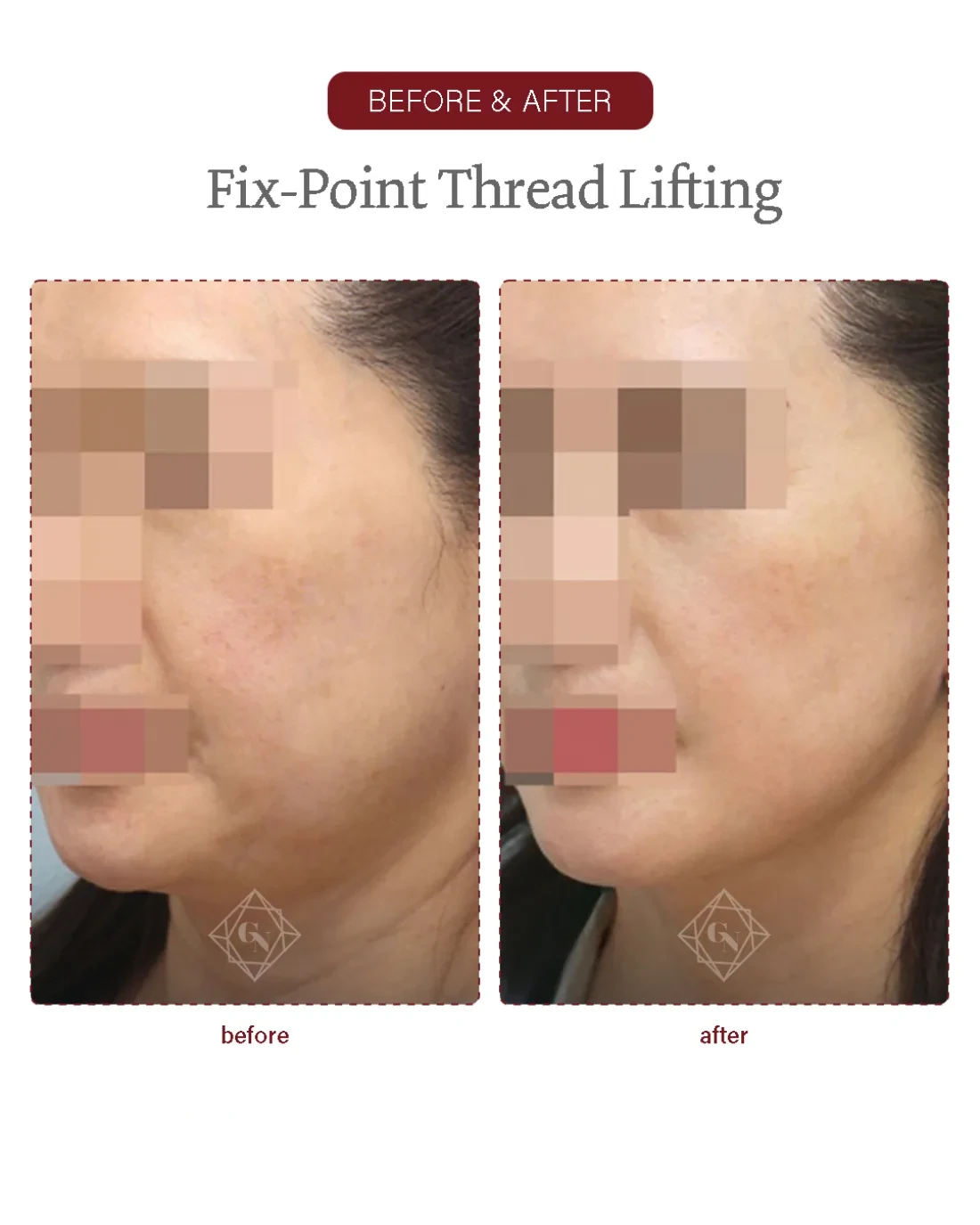
Real Results
Before & After
Thread-lift and contouring results of actual Garnet patients (published with consent, with date, procedure and clinic labelled). The lift is temporary and results, recovery and suitability vary by individual and are not guaranteed.
Prices
Price at Garnet
Thread lift
From₩100,000 + VAT per threadExcluding VAT (10% VAT is added at payment)Book now
Same price as Korean patients. Prices shown exclude 10% VAT; your written quote, issued after the in-person consultation, shows the full amount payable.
Dr. In-Soo Baek
Director & sole operating surgeon
Korean medical licence no. 77407
Operate on what you came for. Trained at Korea University Medical Center. Every case planned, performed and reviewed by the same hands.
1Operating surgeon
~2Surgeries per day
7Registered techniques
Board-certified plastic surgeon
Plastic surgery training at Korea University College of Medicine & graduate school
Korean Society of Plastic and Reconstructive Surgeons member, in its facial-contour, eye & rhinoplasty groups
Consults, operates and follows up each case himself
Peer-reviewed papers behind the facts on this page. Each describes findings in its own study group — not results at Garnet — and none predicts your own outcome.
Van Pham T et al. Short or Minimum Incision Deep Plane/Extended Deep Plane Facelift/Rhytidectomy. Facial Plastic Surgery. 2020. doi:10.1055/s-0040-1714118
Jacono AA et al. The Modern Minimally Invasive Face Lift. Facial Plastic Surgery Clinics of North America. 2013. doi:10.1016/j.fsc.2013.02.002
Jacono AA et al. The Minimal Access Deep Plane Extended Vertical Facelift. Aesthetic Surgery Journal. 2011. doi:10.1177/1090820x11424146
FAQ
Common questions
How long does a deep mini facelift last?
Most people enjoy a clear, durable improvement for several years before natural ageing begins to show again, but an exact figure would be misleading because longevity is individual. It depends on your tissue quality, age, genetics and lifestyle. A useful way to picture it is a lasting head-start that gradually, naturally softens over time.
Is a deep mini facelift permanent?
No. No facelift is permanent, because nothing stops ageing: gravity and the loss of skin elasticity continue. A deep mini facelift resets the clock without switching it off, so you age forward from a younger starting point. Years later you will still tend to look younger than if you had not had it, which is what makes it worthwhile.
Why does a deep mini facelift last longer than a regular mini facelift?
A regular mini lift mainly tightens skin, and skin stretches, so the effect fades sooner. A deep mini facelift releases and repositions the deeper sub-SMAS layer, which is much stronger than skin. The skin is redraped over a repositioned foundation without being held under tension. Nothing is constantly working to undo the result, so it holds for longer.
What makes a deep mini facelift last longer or shorter for one person?
Tissue quality and age at surgery are the biggest factors. Younger, more elastic tissue holds longer. Genetics set the natural pace of ageing. Lifestyle matters too: weight fluctuation, sun exposure and smoking accelerate ageing and shorten how long the result looks its best, while protecting your skin and staying healthy helps it last.
When might I need a deep mini facelift redone?
There's no fixed schedule. When natural ageing eventually catches up, often after several years, most people choose a refresh over a full repeat, sometimes with lighter non-surgical maintenance in between and a later touch-up or secondary lift if they want to restore the earlier definition. You're not obliged to follow any timetable.
Can lifestyle really affect how long my result lasts?
Yes, meaningfully. Significant weight changes, heavy sun exposure and smoking all speed up skin and tissue ageing and can shorten how long the lift looks its best. Keeping your weight stable, protecting your skin from the sun and not smoking won't freeze the result, but they genuinely help it last, and they're within your control.
Will I look unnatural as the result fades?
A deep-plane lift redrapes the skin over repositioned structure without pulling it tight, so it tends to look natural both at first and as it softens. The change is gradual. This is one reason careful, properly executed deep-plane work matters: it fades naturally.
Does having the same surgeon help with long-term results?
It helps. When the same board-certified surgeon plans, performs and follows up the lift, the structural work is done as intended and your healing is reviewed at 1, 3 and 6 months, which supports how the result settles. It also makes any future refresh easier, because the surgeon already knows your face.
Can my deep mini facelift longevity be estimated from abroad?
Yes. In an online consultation from abroad you can send photos, and the surgeon can give a realistic view of both the likely result and how long it may last for your lower face and jawline, taking your tissue and concerns into account, before you commit to any travel.
My mom recently had a brow lift and lower blepharoplasty with Dr. Baek, and our experience has been wonderful so far. The Garnet team was incredibly kind and welcoming, with Kelly assisting us as our English consultant—she made everything…
I’m so happy I chose this clinic for my lower blepharoplasty. I was traveling from abroad by myself, so I was a little nervous, but from the beginning I felt comfortable and truly cared for. Everyone was kind, patient, and professional…
Came in for an in-person consult and ended up choosing Garnet and Dr.Baek for my non-incisional DES and tiplasty/alarplasty. I communicated with Kelly (English consultant) from the start till now (3 weeks post-op). She really help me feel…
My under-eyes have been sagging and folding for years... I tried to cover it up with makeup, but it actually got stuck in the wrinkles and made it stand out even more. While going for consultations, I noticed that the bigger the hospital…
For a realistic view of how long a deep mini facelift could last for your face, send photos for a no-obligation pre-assessment of both the result and its longevity before you plan a trip.
Send photos and your question before you travel. An English-speaking coordinator reviews every enquiry and replies with guidance on whether surgery is appropriate, the likely plan and timing.
✓ Reviewed by the clinic coordinator, not a bot
✓ Photo-based pre-assessment before you fly
✓ Foreign-patient scheduling & after-care
✓ One surgeon for consultation, surgery and follow-up
Prefer to chat now? Reach the coordinator directly:










 T S7 months ago



