For most people considering nose, eyelid or facelift surgery in Korea, the outcome worries them more than the operation itself: looking obviously "done." An overdone appearance has identifiable causes, and it is largely avoidable when you understand where it starts and choose a surgeon who works conservatively.
The short answer
An overdone look almost always comes from over-correction and over-stacking: taking each change too far, or doing too many aggressive procedures at once.
The tell-tale signs are consistent: a startled brow, a pinched nose tip, wind-swept cheeks, puffy over-filled volume. Each traces back to a specific over-correction.
The consultation is where an overdone result is prevented or set in motion. A surgeon who advises less is the strongest protection you have.
When one surgeon plans, operates and follows up, the conservative plan you agreed is the plan actually carried out in the operating room.
An overdone result comes from surgical decisions. One is over-correction, which pushes a single change past the point where it still reads as natural. The other is over-stacking, doing several aggressive procedures at once so the changes compound. A face has a limited budget for change before it stops looking like itself, and an overdone look is what happens when that budget is exceeded.
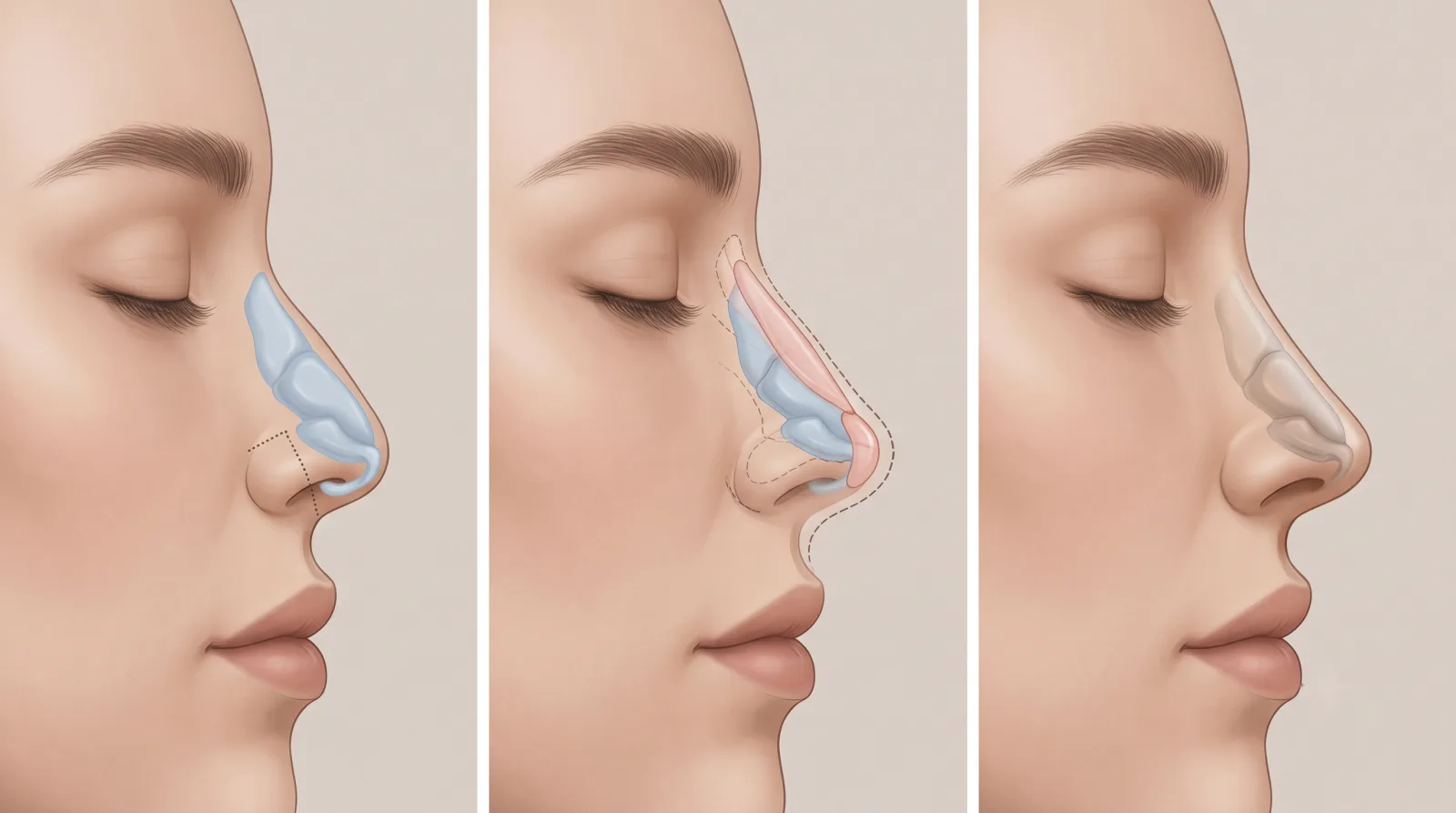
Illustration: the nasal framework (blue) is reshaped to raise the bridge and refine the tip. The dashed outline shows the original contour.
The pattern repeats across procedures. A rhinoplasty tip projected or narrowed too far with too much implant or cartilage looks pinched and artificial. An incision double-eyelid crease set too high or too deep creates a permanently surprised expression. A facelift that relies on skin tension produces the classic swept, wind-blown look; a modern deep-plane facelift repositions the deeper layer instead.
The remedy is restraint on each procedure, and a frank count of how many to do. A conservative surgeon changes a little less than a face could technically take, stages or declines procedures that push past the budget, and treats only the areas that genuinely need it. Here, doing less is the mechanism that keeps a result looking natural. Our companion guide on natural-looking plastic surgery covers the same principle from the positive side.
The signs
The tell-tale signs of an overdone result
Learning to recognise the signs helps you brief a surgeon on what you want to avoid. Around the eyes, a startled or permanently surprised expression (brows or upper lids that look pulled open) usually comes from an over-set crease in double-eyelid surgery or over-aggressive upper-lid work. A crease that matches your own eye shape looks bright and rested instead.
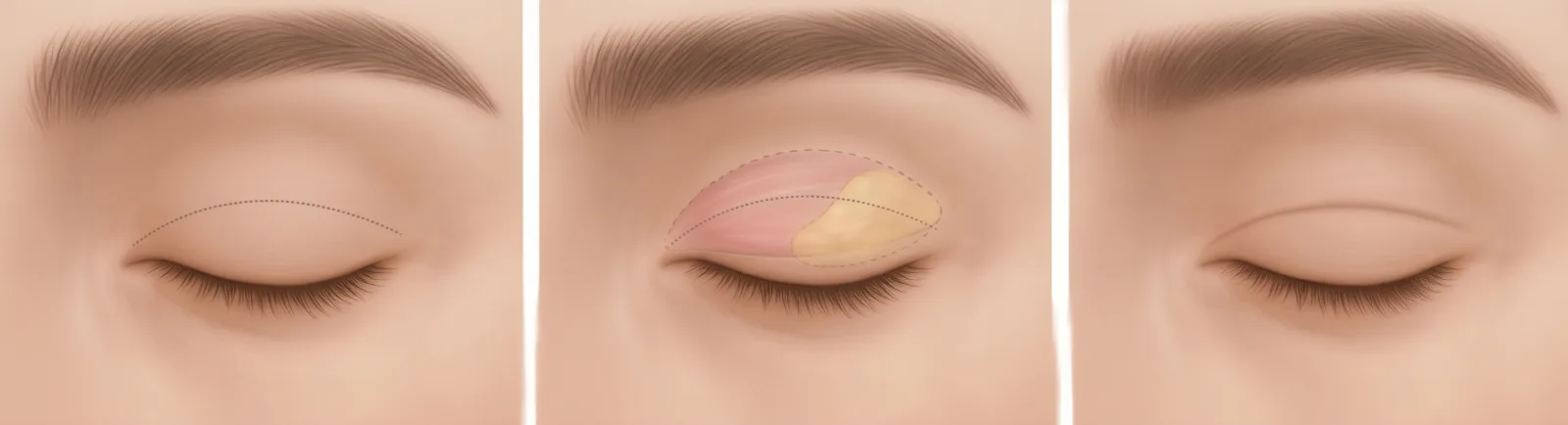
Illustration: the crease is set through an incision along the planned fold; the tissue beneath (muscle in pink, fat in yellow) is adjusted so the crease holds.
On the nose, a pinched, over-defined or unnaturally tall tip is the giveaway of an over-corrected rhinoplasty: a bridge or tip large enough to dominate the face. A more natural nose usually combines a modest dorsal line with the patient's own tip cartilage, so it sits quietly among your other features.
In the lower face, tight or wind-swept cheeks and a visibly pulled jawline point to a facelift that relied on skin tension alone; a deep-plane facelift corrects from underneath so the skin is redraped without being stretched. And puffy, heavy or "pillowed" cheeks are the hallmark of over-filling, meaning too much volume placed too superficially. Conservative fat grafting avoids this by using smaller amounts in the right planes.
The consultation
An overdone look starts — or is prevented — at the consultation
Long before the operating room, the consultation is where an overdone result is set in motion or avoided. The warning signs are behavioural: a surgeon or coordinator who upsells extra procedures you did not ask about, who promises a "perfect" or idealised outcome, who pushes you to decide the same day, or who never once suggests doing less. Pressure and perfection-talk are the opposite of the restraint a natural result needs.
A conservative consultation feels different. The surgeon asks what you want to keep as well as what you want to change. They discuss a realistic range for your specific anatomy and do not promise a single guaranteed outcome. They are willing to recommend fewer procedures, or none at all, when that suits you better. Hearing "you don't need that" is a good sign.
You can test for this before you ever book a flight. In an online consultation from abroad you can send photos, describe your concerns and see how the surgeon responds — whether they reach for restraint or for the upsell. A candid pre-assessment, including the advice that a smaller change would suit you better, tells you a great deal about how the surgery itself will go.
Single-surgeon care
How single-surgeon care protects a conservative plan
A restrained plan agreed at consultation only helps if the same person carries it out. In clinics where the consulting surgeon is not the operating surgeon, and care is rotated across staff and rooms, the careful plan can drift, and the result can come out more aggressive than the patient expected. This gap between who consults and who operates is one of the quieter reasons results end up overdone.
Garnet is a single-surgeon clinic in Apgujeong, Seoul. Dr. In-Soo Baek, a board-certified plastic surgeon (Korean medical licence no. 77407), is the only operating doctor: he consults, agrees the conservative plan, performs the operation himself, and reviews every follow-up at 1, 3 and 6 months. The day is capped at two surgeries, roughly one patient per hour, so fine judgement is never traded for volume.
That continuity is precisely what protects against over-correction. The surgeon deciding, in the moment, exactly how much to lift, remove or graft is the same one who understood at consultation what you wanted to preserve. Confirming in writing who operates is the single most useful safeguard, and our guide to ghost surgery and single-surgeon care explains why it matters so much.
Choosing a surgeon
Choosing a conservative surgeon — and what if it's already overdone
To choose a surgeon who will keep you looking like yourself, weigh how they consult alongside their credentials. Confirm they are a board-certified plastic surgeon with specialist training, ask how many of your specific procedure they perform, and confirm in writing that this same surgeon will carry out your whole operation and manage recovery. Then judge the tone: restraint, a realistic range and a willingness to advise less are what you are looking for.
If you already have a result that feels overdone from elsewhere, it can sometimes be softened. Revision is more complex than an original procedure, and outcomes vary with the tissue and technique involved. This is the strongest argument for restraint the first time: an under-done result is far easier to refine later than an over-corrected one is to reverse. A conservative surgeon can assess an existing result candidly and tell you what is realistically achievable, without promising to make it perfect.
You can start without travelling, for a first procedure or a revision. Send photos for a pre-assessment in an online consultation, and expect a candid answer — including, where it applies, that doing less or nothing would serve you better. The guide on natural-looking plastic surgery walks through how restraint plays out procedure by procedure.
Real Results
Before & After
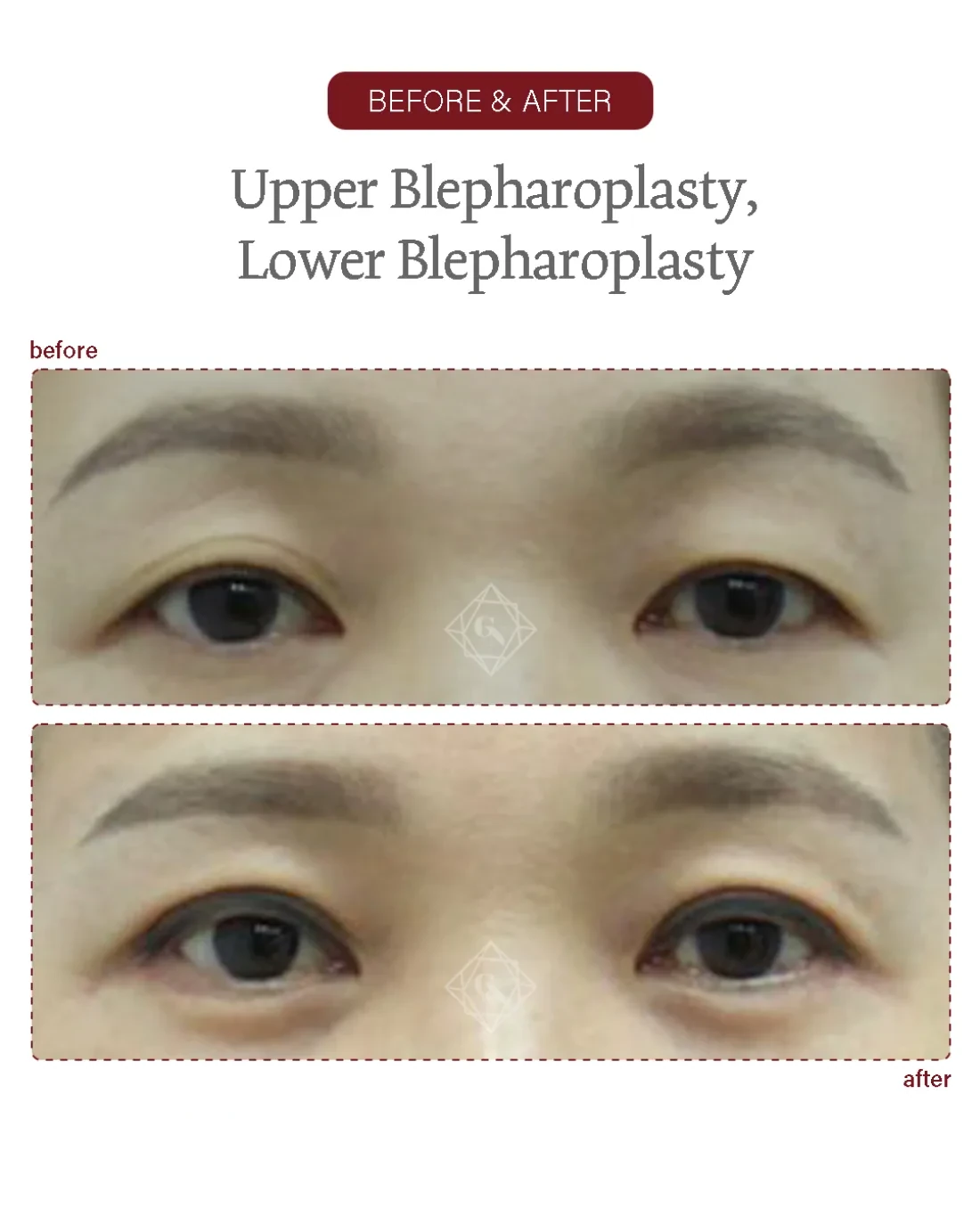
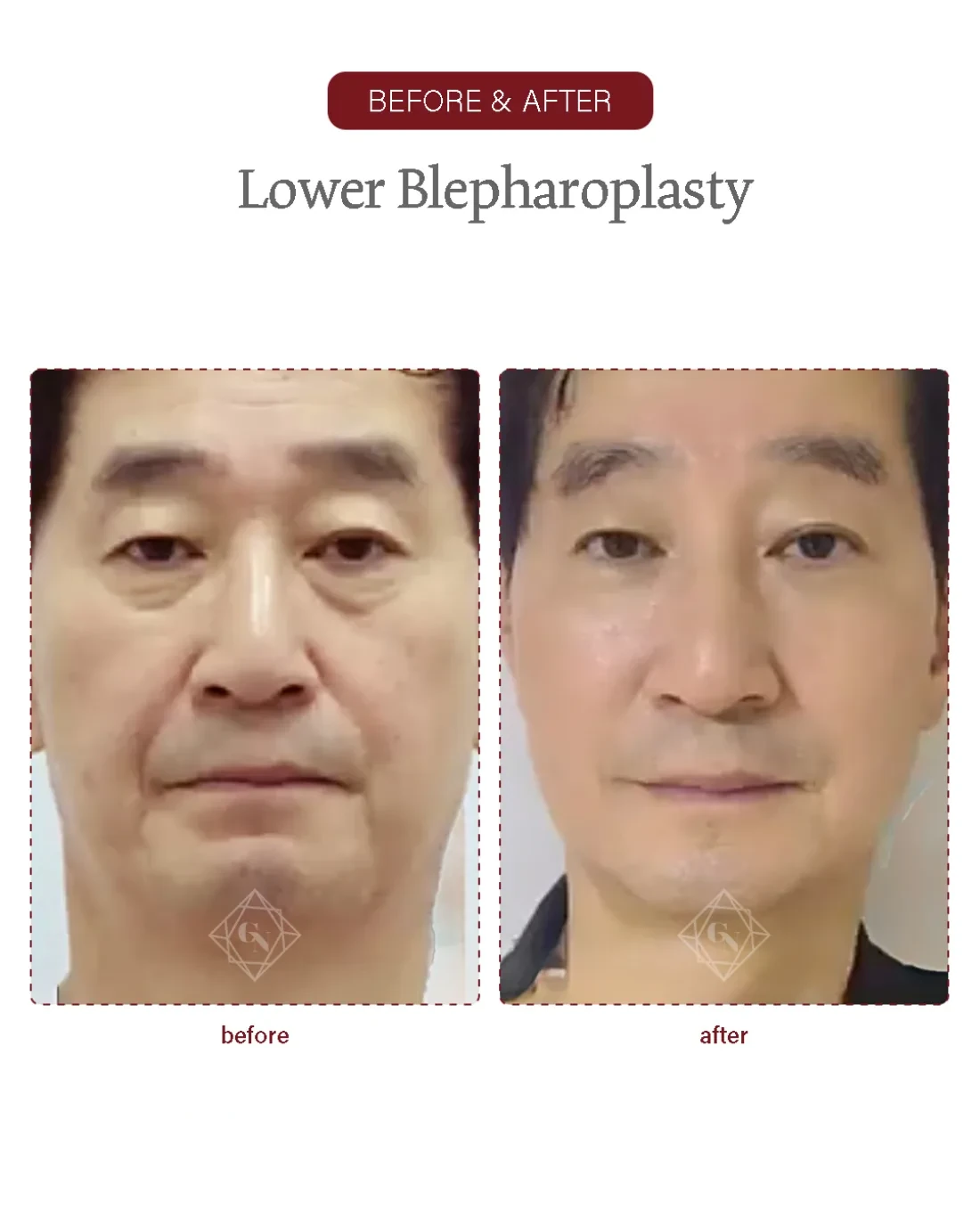
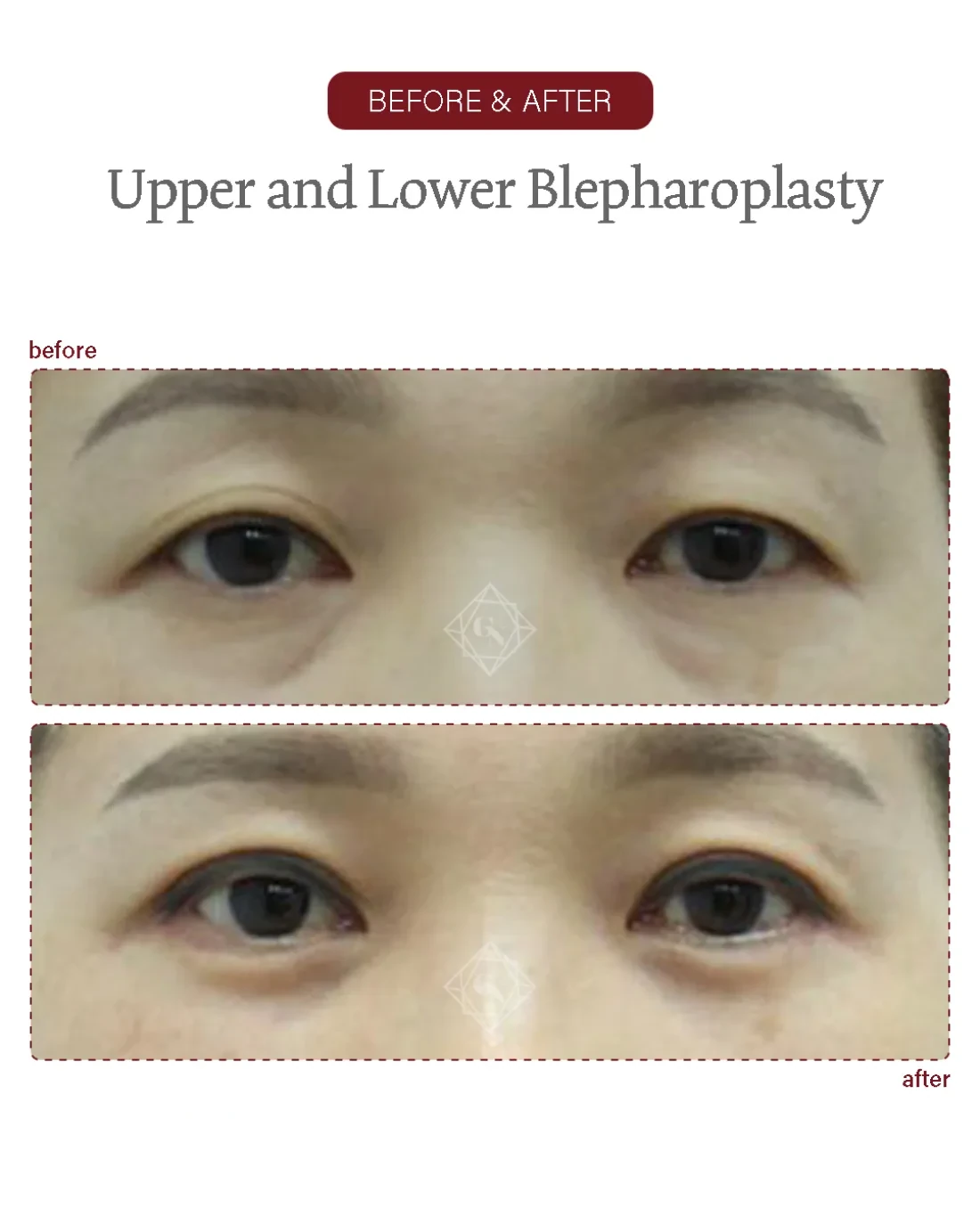
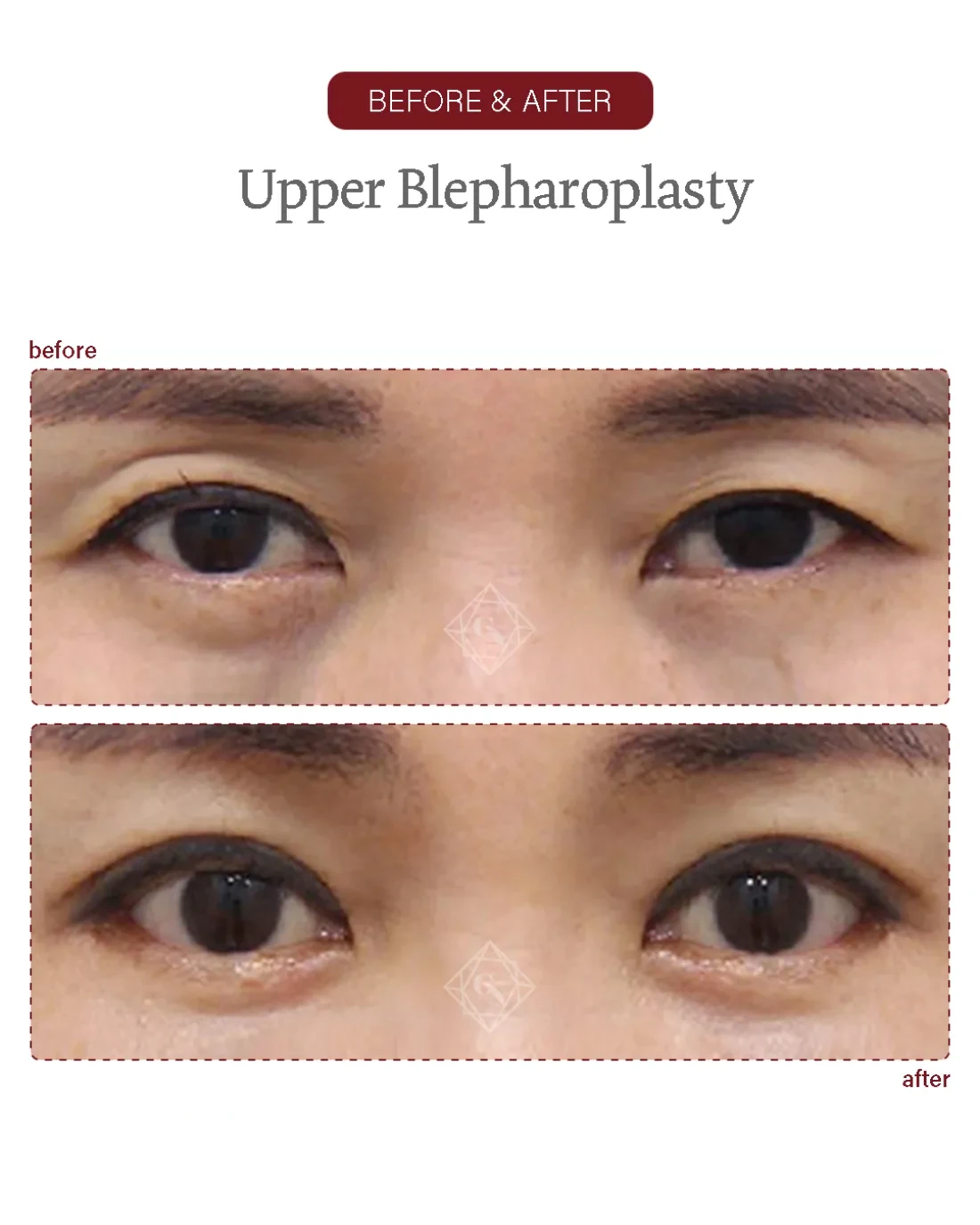
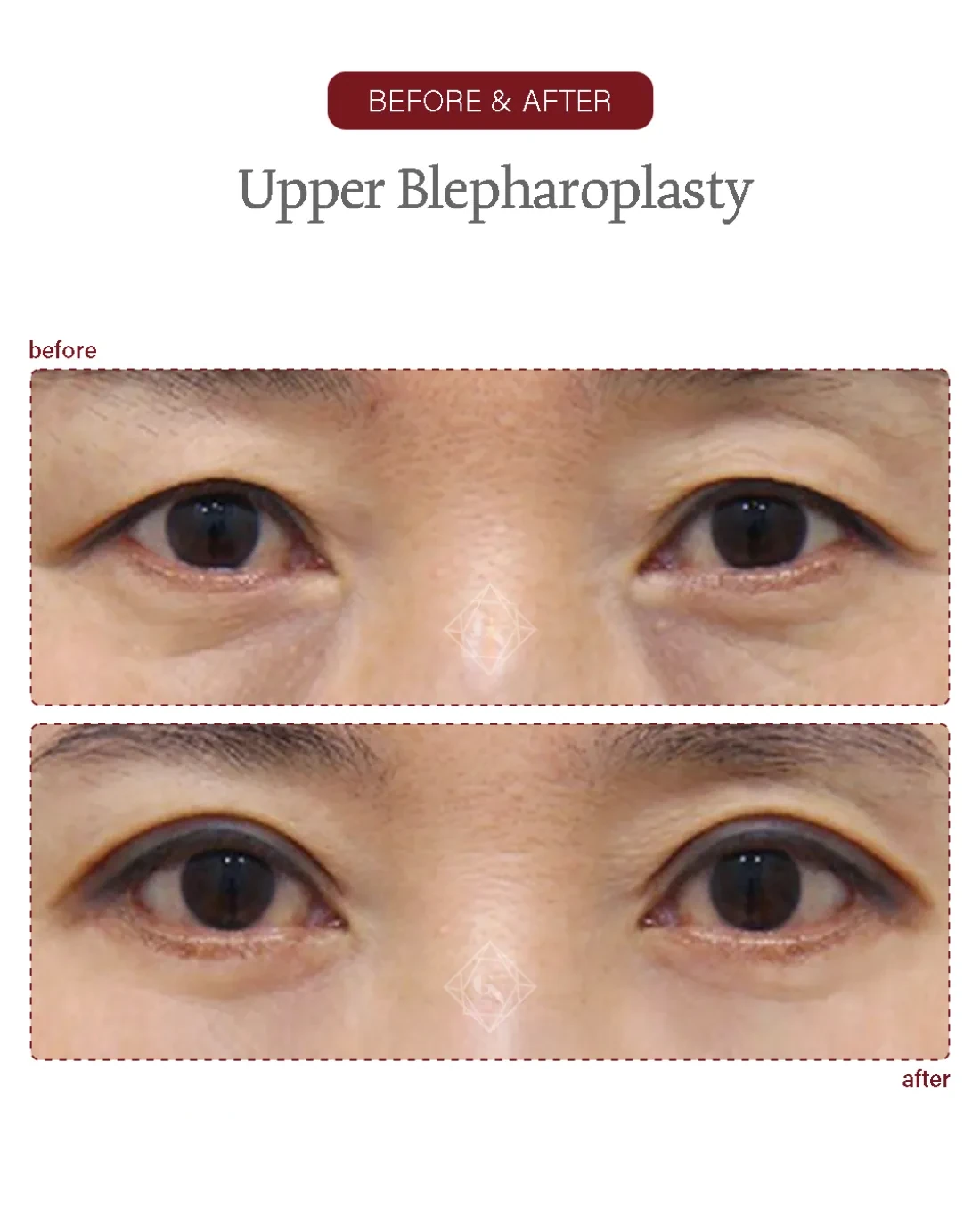
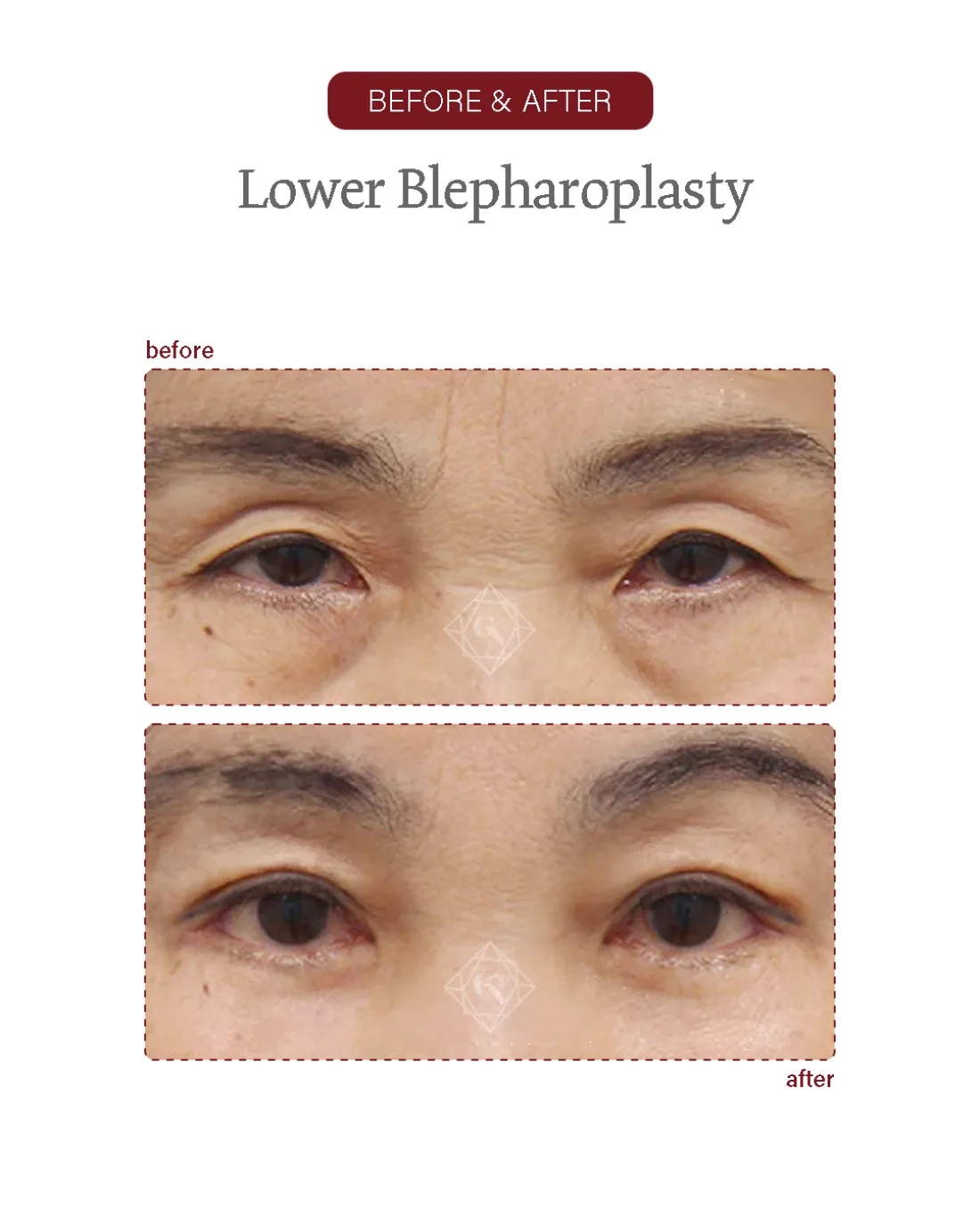
Eyelid before/after examples of actual Garnet patients (published with consent). Results, recovery and suitability vary by individual and are not guaranteed; the right approach is decided at an in-person consultation.
Prices
Price at Garnet
Upper blepharoplasty
From₩3,500,000 + VATExcluding VAT (10% VAT is added at payment)Book now
Same price as Korean patients. Prices shown exclude 10% VAT; your written quote, issued after the in-person consultation, shows the full amount payable.
Dr. In-Soo Baek
Director & sole operating surgeon
Korean medical licence no. 77407
Operate on what you came for. Trained at Korea University Medical Center. Every case planned, performed and reviewed by the same hands.
1Operating surgeon
~2Surgeries per day
7Registered techniques
Board-certified plastic surgeon
Plastic surgery training at Korea University College of Medicine & graduate school
Korean Society of Plastic and Reconstructive Surgeons member, in its facial-contour, eye & rhinoplasty groups
Consults, operates and follows up each case himself
Peer-reviewed papers behind the facts on this page. Each describes findings in its own study group — not results at Garnet — and none predicts your own outcome.
Pereira IN et al. Evidence‐based review: Screening body dysmorphic disorder in aesthetic clinical settings. Journal of Cosmetic Dermatology. 2023. doi:10.1111/jocd.15685
Gallo L et al. Best Practices for FACE-Q Aesthetics Research: A Systematic Review of Study Methodology. Aesthetic Surgery Journal. 2023. doi:10.1093/asj/sjad141
Ottenhof MJ et al. The Use of the FACE-Q Aesthetic: A Narrative Review. Aesthetic Plastic Surgery. 2022. doi:10.1007/s00266-022-02974-9
FAQ
Common questions
What causes an overdone look from plastic surgery?
Over-correction and over-stacking. Over-correction means taking a single change too far: an over-projected nose tip, a too-high eyelid crease, a face pulled too tight, or over-filled volume. Over-stacking means doing several aggressive procedures at once so the changes compound. Both push a face past the point where it still reads as itself.
What are the signs a face looks overdone?
Common signs are a startled or surprised expression from an over-set eyelid crease, a pinched or unnaturally tall nose tip, tight wind-swept cheeks and a pulled jawline from a tension-based facelift, and puffy, heavy cheeks from over-filling. Each one traces back to a specific over-correction. The procedure itself is not the cause.
How do I choose a conservative surgeon in Korea?
Judge the consultation as much as the credentials. A conservative surgeon asks what you want to keep, discusses a realistic range without an idealised promise, and is willing to recommend less surgery or none. Confirm they are a board-certified plastic surgeon and that the same surgeon will perform your whole operation.
Can an overdone result be revised or corrected?
Sometimes it can be softened, but revision is more complex than an original procedure and outcomes vary with the tissue and technique involved. Because of that, restraint the first time matters. An under-done result is far easier to refine than an over-corrected one is to reverse. A careful surgeon will tell you what is realistic.
Is an overdone look more common with certain procedures?
It can appear with any procedure taken too far, but rhinoplasty, incision double-eyelid surgery, facelifts and fat grafting are where patients most often notice it: an over-defined tip, a too-high crease, over-tightened skin, or over-filled cheeks. The cause is over-correction; the procedures themselves are not inherently risky.
How does a single-surgeon clinic reduce the risk of an overdone result?
Because the surgeon who agreed a conservative plan at consultation is the same one making the fine decisions during surgery, the plan is less likely to drift. Rotating care across staff breaks that link between the plan and the hands that carry it out. At Garnet, Dr. In-Soo Baek keeps every case from consultation to follow-up, and no more than two operations are booked in a day.
How can I tell during a consultation that I might end up overdone?
Watch the behaviour: upselling extra procedures, promising a perfect or idealised result, pushing a same-day decision, or never suggesting less are all warning signs. A conservative surgeon does the opposite: offers a realistic range and is comfortable recommending fewer procedures or none. You can test this in an online consultation before travelling.
Can a natural, not-overdone result be guaranteed?
No responsible surgeon guarantees a specific outcome. A subtle result comes from an approach built on restraint, and it cannot be promised. Healing, skin quality, age and anatomy differ between patients, so a good surgeon discusses a realistic range for you.
Should I do fewer procedures to avoid looking overdone?
Often, yes. Stacking several aggressive procedures at once is a frequent cause of an overdone look, so staging treatment or treating only the areas that need it helps keep the overall result recognisably you. A conservative surgeon will advise which changes are worth making and which are better left alone or delayed.
Does Garnet help international patients avoid an overdone look?
Yes. Garnet works in a conservative, identity-preserving style and is registered with Korea's foreign-patient programme, with the same board-certified surgeon consulting, operating and following up at 1, 3 and 6 months. You can start with an online pre-assessment, which may include advice to do less, or nothing, before planning any travel.
My mom recently had a brow lift and lower blepharoplasty with Dr. Baek, and our experience has been wonderful so far. The Garnet team was incredibly kind and welcoming, with Kelly assisting us as our English consultant—she made everything…
I’m so happy I chose this clinic for my lower blepharoplasty. I was traveling from abroad by myself, so I was a little nervous, but from the beginning I felt comfortable and truly cared for. Everyone was kind, patient, and professional…
Came in for an in-person consult and ended up choosing Garnet and Dr.Baek for my non-incisional DES and tiplasty/alarplasty. I communicated with Kelly (English consultant) from the start till now (3 weeks post-op). She really help me feel…
My under-eyes have been sagging and folding for years... I tried to cover it up with makeup, but it actually got stuck in the wrinkles and made it stand out even more. While going for consultations, I noticed that the bigger the hospital…
Afraid of coming home looking "done"? Send photos for a no-obligation pre-assessment. Expect candour, including whether doing less would suit you better.
Send photos and your question before you travel. An English-speaking coordinator reviews every enquiry and replies with plain guidance on whether surgery is appropriate for the change you have in mind, the likely plan and timing.
✓ Reviewed by the clinic coordinator, not a bot
✓ Photo-based pre-assessment before you fly
✓ Foreign-patient scheduling & after-care
✓ One surgeon for consultation, surgery and follow-up
Prefer to chat now? Reach the coordinator directly:







 T S7 months ago



