Hooded eyes, a heavy look over the upper eyelids, can come from extra skin, a descended brow or a weak lid-lifting muscle, so the term describes a look and covers several diagnoses. Those 3 causes are corrected by 3 different operations. This page explains what usually causes hooding, which Garnet procedures address each cause, and how a consultation confirms which one you actually need.
The short answer
Hooding has more than one cause: loose upper-lid skin, a low or heavy brow, or a weak eye-opening muscle, and each is corrected differently.
Excess skin is usually addressed by upper blepharoplasty; a heavy brow by a sub-brow lift; a weak lifting muscle by ptosis correction. Sometimes two are combined.
Telling them apart takes a clinical assessment; a photo is not enough to show whether it is skin, brow or muscle.
At Garnet the same board-certified surgeon assesses which cause is driving your hooding, so the plan matches the actual anatomy.
A hooded appearance is what happens when the upper lid loses its crisp fold and skin begins to rest on, or overhang, the lash line. But the reason it does that varies from person to person. In some people the eyelid skin itself has become lax and redundant with age. In others the skin is fine, and the real issue is that the eyebrow and the soft tissue beneath it have descended, pushing everything downward. In a third group the eyelid opening muscle is under-powered, so the lid margin sits low and the eye looks tired even though the skin is not the problem.
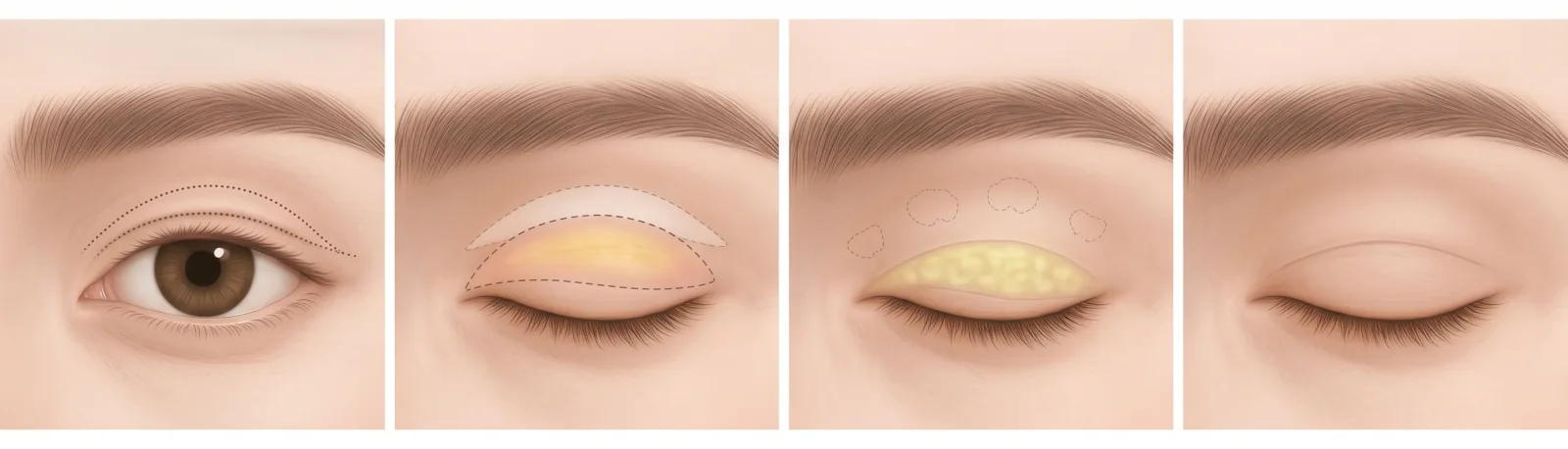
Illustration: the planned crease is marked, the excess upper-lid skin and selected fat pads are addressed through that line.
These causes can also overlap. A person in their forties may have a little extra skin and a slightly heavy brow at the same time. That is exactly why hooding has no one-procedure fix: the operation that helps depends on which of these is dominant. Correcting excess skin when the true cause is a low brow, or vice versa, tends to disappoint. The useful first step is identifying the cause, before choosing a surgery.
The three routes below (upper blepharoplasty for skin, sub-brow lift for a heavy brow, and ptosis correction for a weak lifting muscle) each target a different one of these causes. Understanding what each does makes it far easier to follow a consultation.
Excess skin
When the cause is excess upper-lid skin
The most common reason an adult lid looks hooded is that the upper-lid skin has become loose and redundant, so it folds down over the crease and, in more advanced cases, over the lashes. This is the situation upper blepharoplasty is designed for. Through an incision hidden in the natural upper-lid crease, the redundant skin is removed and the tissue underneath is tidied, so the fold is restored and the lid looks lighter and more open.
Because the incision follows the crease, the resulting line usually settles into the fold and becomes difficult to see over the following months. At Garnet, upper blepharoplasty uses that crease incision with sutures removed at around seven days. It is a good option when the pinch test shows genuinely loose skin and the brow position is reasonable.
It is not the answer for everyone who looks hooded, though. If the skin is actually reasonable and the brow has dropped, removing skin can pull the brow down further and make things look heavier. That is why the assessment decides, whatever the label.
Heavy brow
When the cause is a low or heavy brow
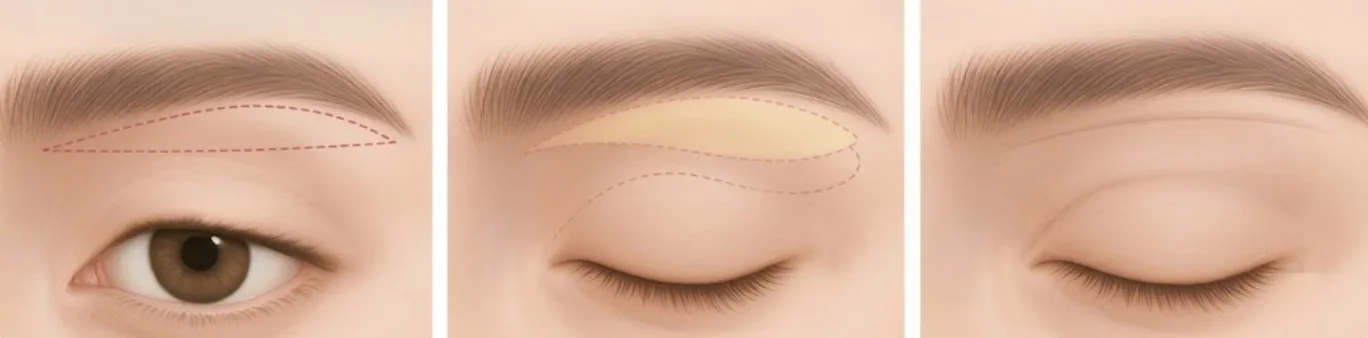
Sometimes the eyelid skin is not the real problem at all. The eyebrow and the pad of tissue beneath it have descended over time, and that weight is what crowds the upper lid and creates the hood. In this situation removing eyelid skin does little, because the source of the heaviness sits above the eyelid. The procedure that addresses this is a sub-brow lift, which lifts and re-supports the brow through an incision placed just below (or along) the eyebrow, using an orbicularis suspension fixation.
Illustration: a strip of excess skin is taken from just below the eyebrow (dotted line), so the heavy upper lid opens without touching the eyelid itself. The fine line sits along the lower brow edge.
A sub-brow lift is often chosen for people who have a naturally heavier or lower brow, or who want to raise the outer brow and lighten the lid without changing the eyelid crease itself. Sutures are typically removed at around seven days. Because the incision sits at the brow margin, it is planned to blend with the brow hair and the natural skin edge.
Brow-driven hooding and skin-driven hooding can look very similar in a mirror, which is why they are so often confused. Distinguishing them is a matter of examining how the brow sits and moves — something a consultation does directly.
Weak muscle
When the cause is a weak eye-opening muscle
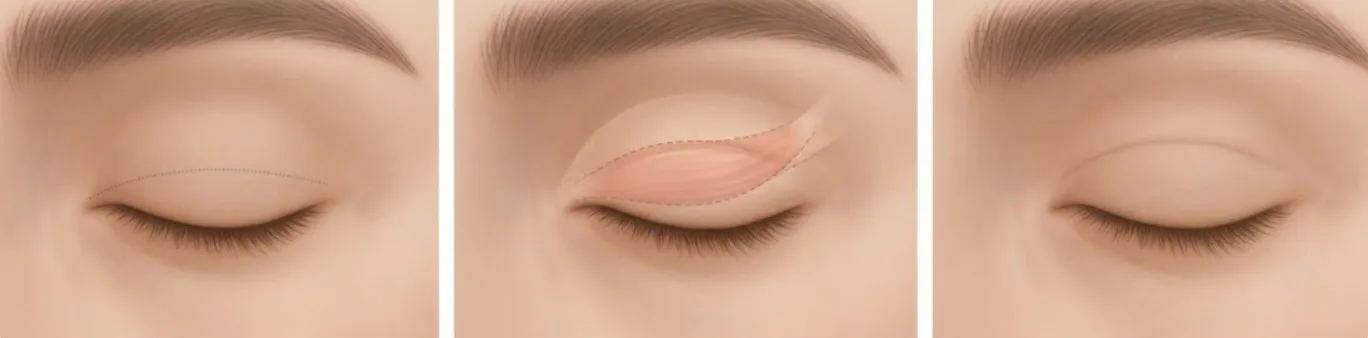
There is a third, frequently missed cause: the muscle that lifts the eyelid (the levator) is under-powered, so the lid margin rests lower than it should. This is ptosis, and it makes the eye look sleepy or asymmetric even when the skin and brow are fine. Removing skin does not fix it, and can even mask the real issue. The operation that addresses it is ptosis correction, which adjusts the strength of the eye-opening muscle through a lid-crease incision so the lid opens more fully.
Illustration: through the crease line, the muscle that opens the eye (shown beneath the lid) is tightened so the lid rests higher.
Ptosis often hides behind what looks like simple hooding. A person may assume they just have heavy lids, when the lid margin itself is sitting low. Because ptosis correction changes how far the eye opens, beyond how much skin there is, it is a more delicate adjustment, and it is one of the reasons an accurate diagnosis matters so much before any eyelid surgery.
It is also common for ptosis correction to be combined with skin removal in the same operation when both are present. The point of the assessment is to work out whether one, the other, or both is driving the appearance you dislike.
Which do I need
How to tell which procedure you need
You cannot reliably diagnose this yourself, and neither can a surgeon from a single photo. A proper assessment looks at how much redundant skin there truly is (a gentle pinch test), where the brow sits and how it moves, and how far the lid margin covers the iris when you look straight ahead, which is the sign of a weak lifting muscle. Only after that can anyone say whether it is skin, brow, muscle, or a combination.
This matters because the operations are not interchangeable. Upper blepharoplasty removes skin, a sub-brow lift re-supports a heavy brow, and ptosis correction strengthens the eye-opening muscle. Choosing the wrong one, or removing skin when the brow is the real problem, is the most common way an eyelid result disappoints. The examination shows whether it is one cause or several.
A careful surgeon will sometimes tell you that your hooding is mild, that surgery would change little, or that a smaller operation than you expected is enough. That kind of candid assessment, including “you may not need this”, is a better sign than a plan that recommends the most extensive option by default.
At Garnet
How Garnet decides the right approach
Garnet is a single-surgeon clinic in Apgujeong, Seoul. Dr. In-Soo Baek is a board-certified plastic surgeon (Korean medical licence no. 77407), and he personally examines the skin, the brow and the eye-opening muscle to work out which of them is driving your hooding, then plans skin removal, a brow lift, ptosis correction, or a combination accordingly. The same surgeon who assesses you performs the operation and reviews you at follow-up, so the plan and the execution stay consistent.
Because the clinic caps the schedule at two surgeries a day, the consultation is unhurried, and the aim is a result that looks like a rested version of you, without over-correction. Garnet is registered with Korea's foreign-patient programme and can begin with an online consultation from abroad: send photos and describe what bothers you, and you will get a clear view of the likely cause and options before you plan any travel.
Real Results
Before & After
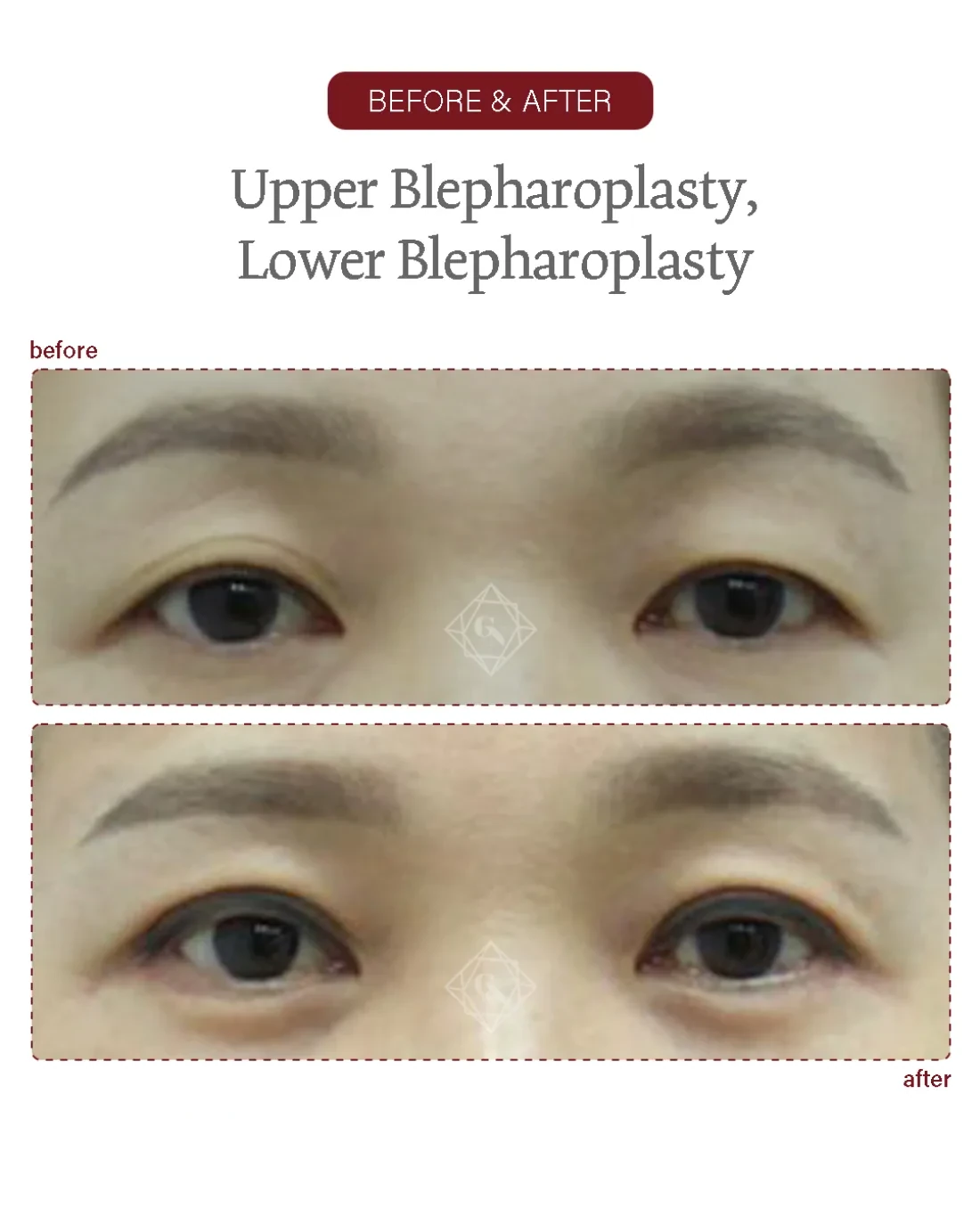
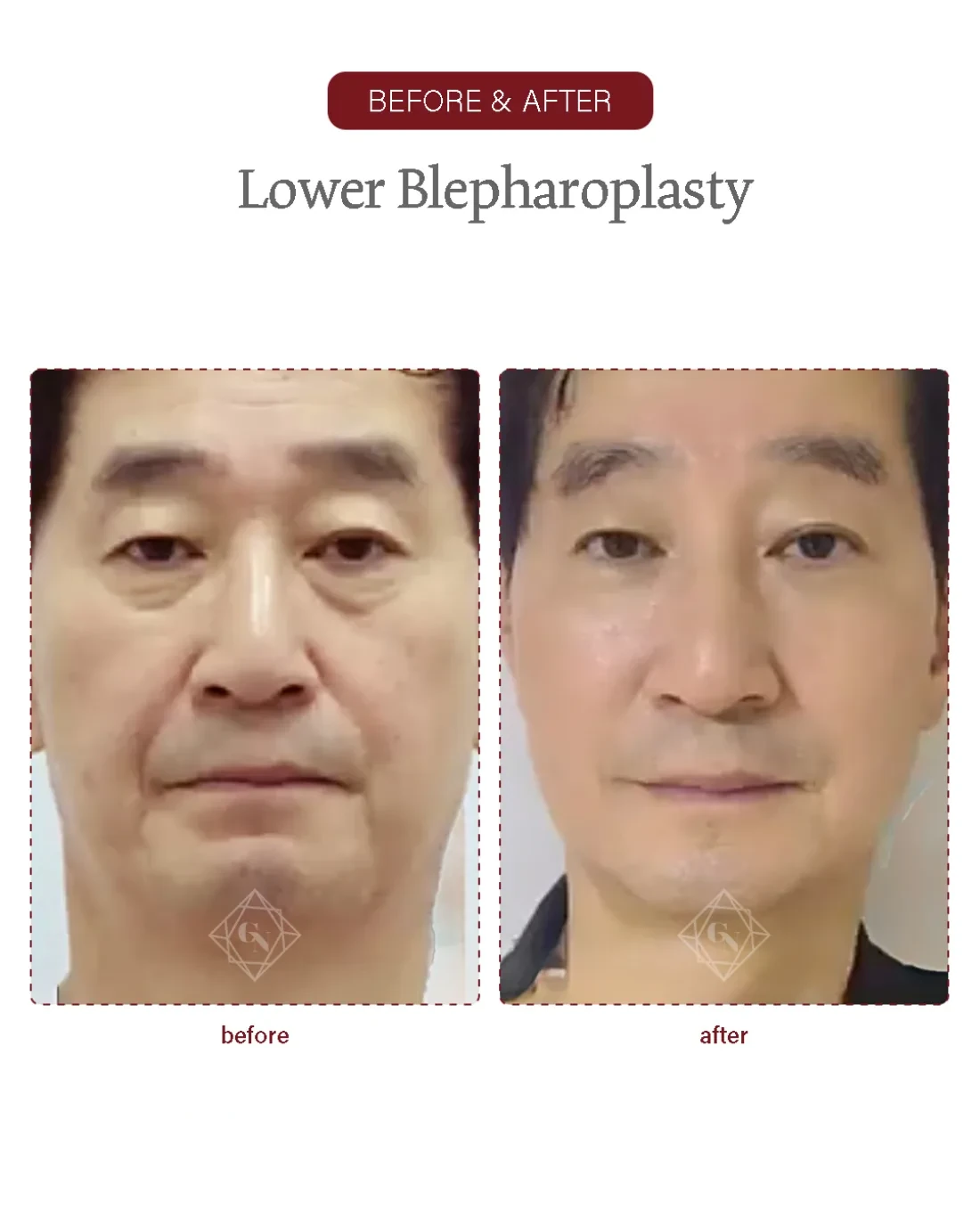
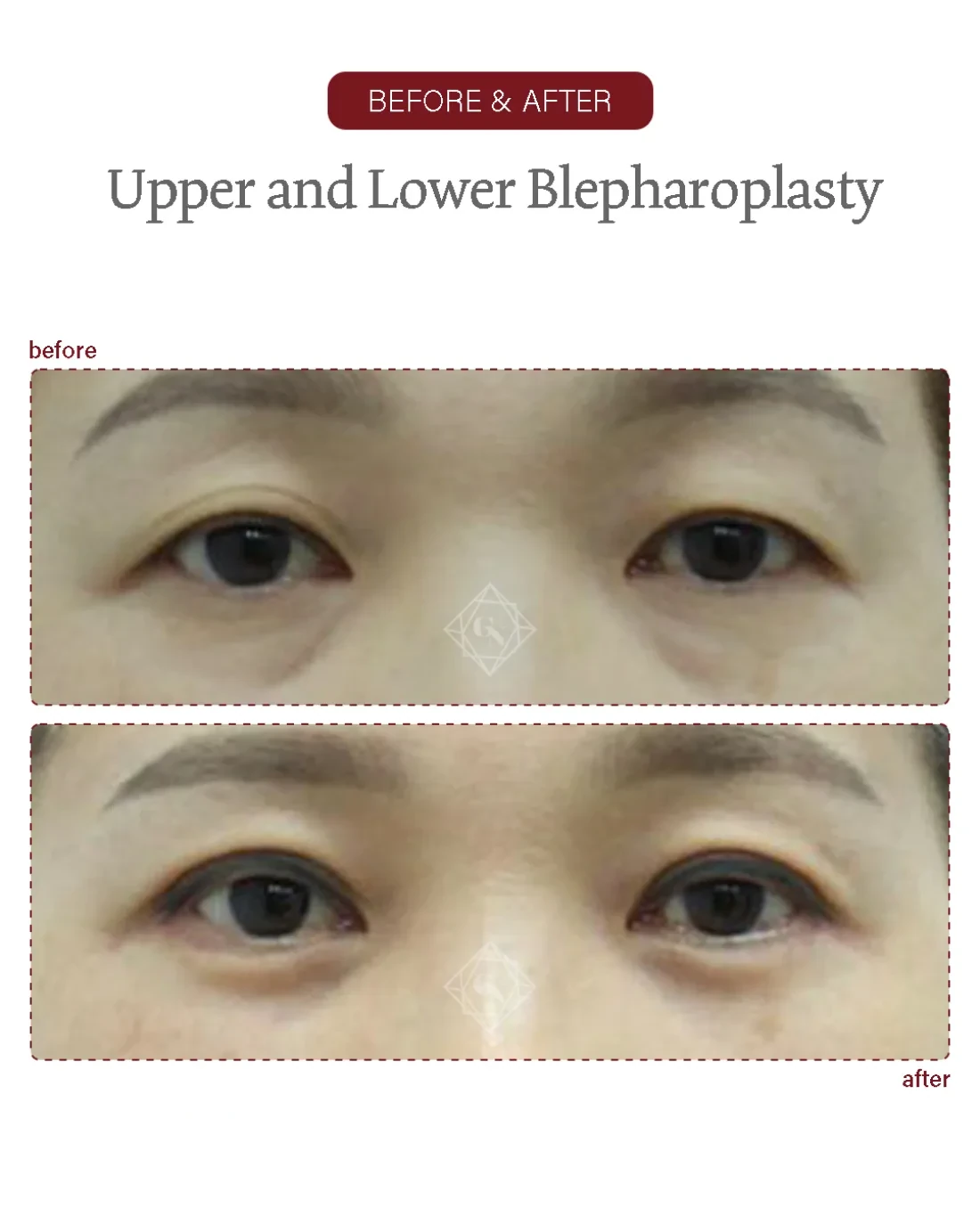
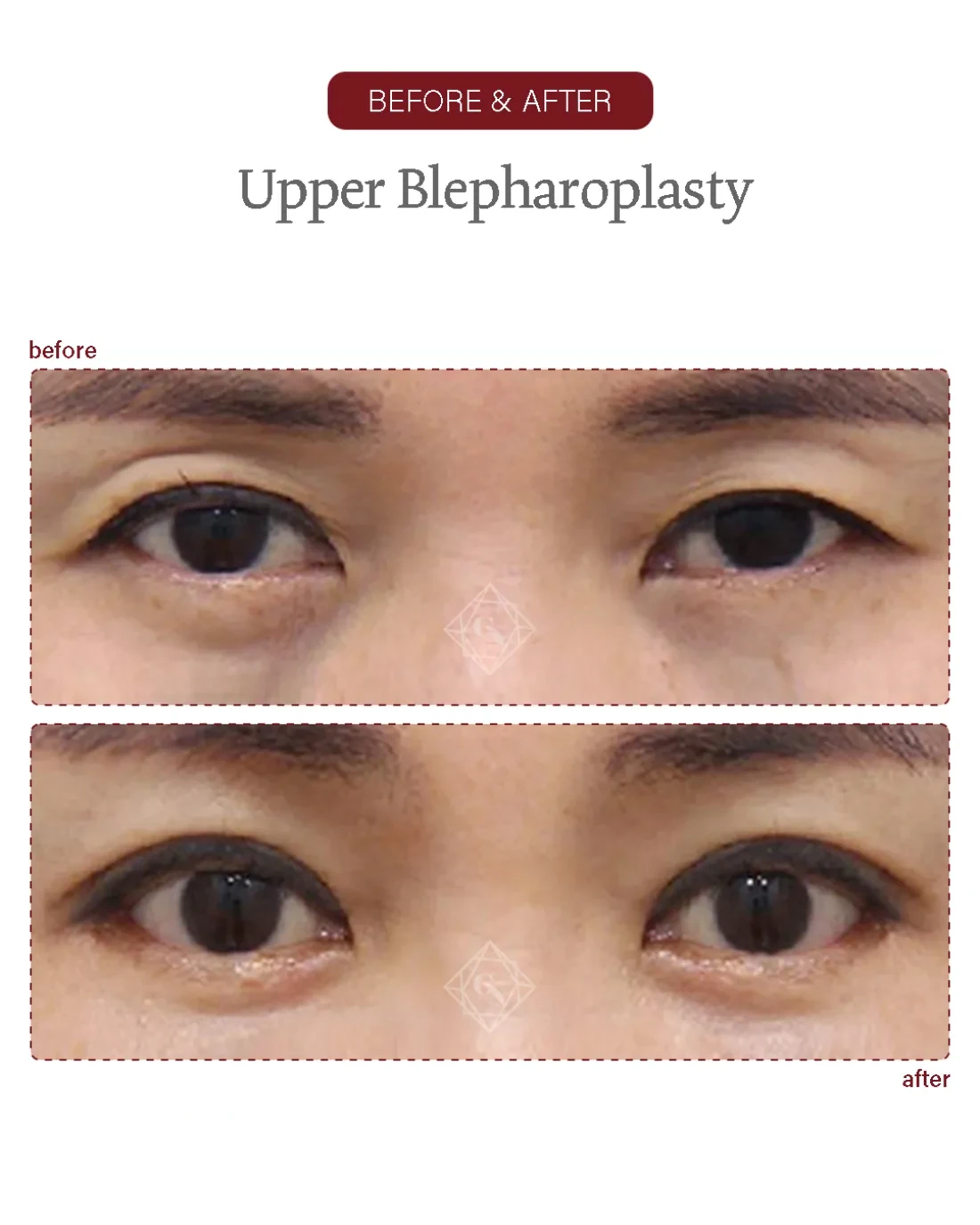
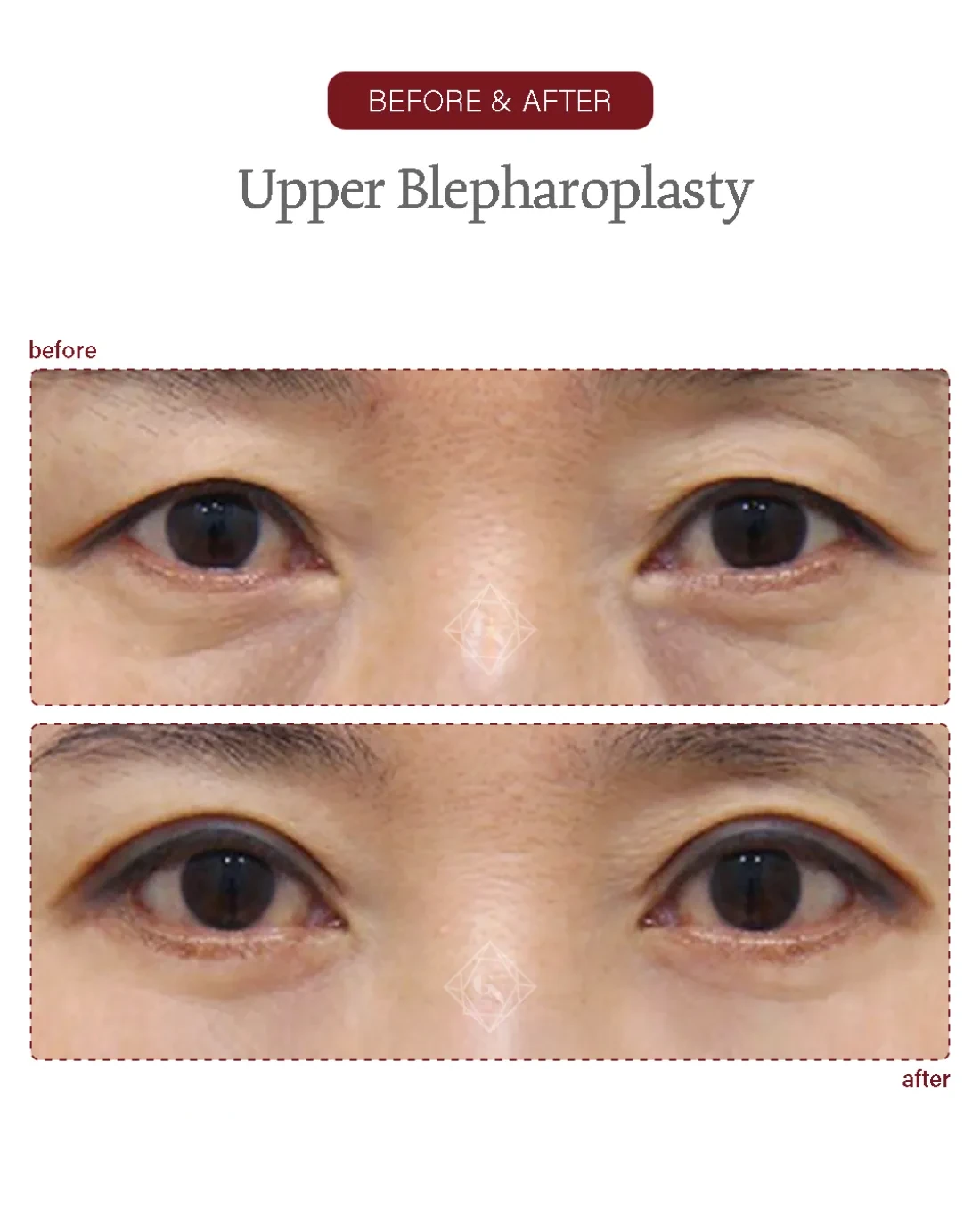
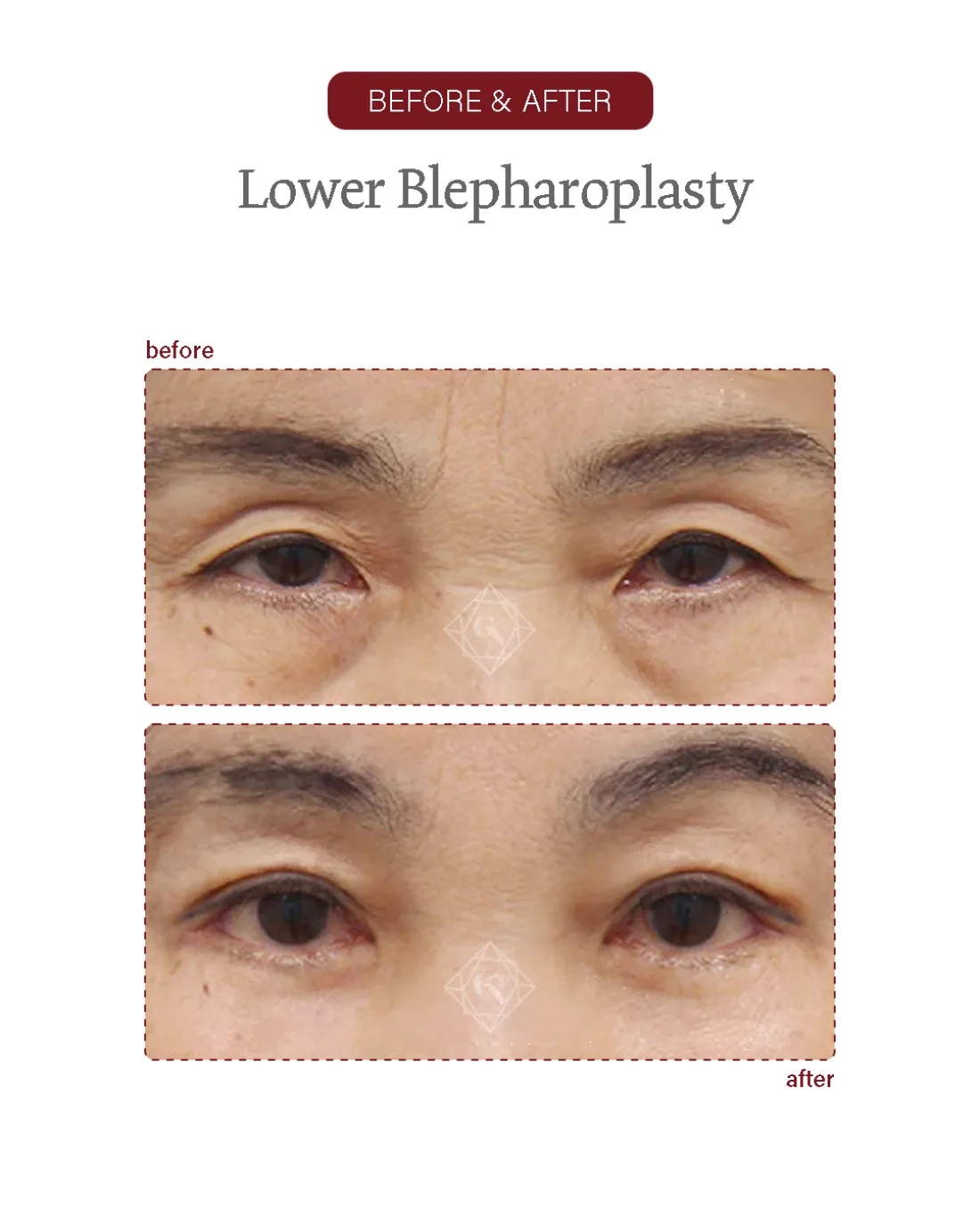
Eyelid before/after examples of actual Garnet patients (published with consent). Results, recovery and suitability vary by individual and are not guaranteed; the right approach is decided at an in-person consultation.
Prices
Price at Garnet
Upper blepharoplasty
From₩3,500,000 + VATExcluding VAT (10% VAT is added at payment)Book now
Same price as Korean patients. Prices shown exclude 10% VAT; your written quote, issued after the in-person consultation, shows the full amount payable.
Dr. In-Soo Baek
Director & sole operating surgeon
Korean medical licence no. 77407
Operate on what you came for. Trained at Korea University Medical Center. Every case planned, performed and reviewed by the same hands.
1Operating surgeon
~2Surgeries per day
7Registered techniques
Board-certified plastic surgeon
Plastic surgery training at Korea University College of Medicine & graduate school
Korean Society of Plastic and Reconstructive Surgeons member, in its facial-contour, eye & rhinoplasty groups
Consults, operates and follows up each case himself
Peer-reviewed papers behind the facts on this page. Each describes findings in its own study group — not results at Garnet — and none predicts your own outcome.
Mendelson BC et al. Upper Blepharoplasty – Nuances for Success. Facial Plastic Surgery Clinics of North America. 2021. doi:10.1016/j.fsc.2021.01.001
Kim CY et al. Distinct Features in Koreans with Involutional Blepharoptosis. Plastic and Reconstructive Surgery. 2015. doi:10.1097/prs.0000000000001280
Alghoul MS et al. Rethinking Upper Blepharoplasty: The Impact of Pretarsal Show. Plastic & Reconstructive Surgery. 2020. doi:10.1097/prs.0000000000007330
Hauck M et al. Ptosis Repair. Facial Plastic Surgery. 2013. doi:10.1055/s-0033-1333831
FAQ
Common questions
What surgery fixes hooded eyes?
There is no single surgery for hooded eyes, because hooding has more than one cause. Loose upper-lid skin is usually addressed by upper blepharoplasty, a low or heavy brow by a sub-brow lift, and a weak eye-opening muscle by ptosis correction. Sometimes two are combined. Which one applies to you is found by examination; a photo is not enough.
Is it hooded eyes or ptosis?
They can look identical. Hooding from excess skin means the skin folds over the crease, while ptosis means the eye-opening muscle is weak and the lid margin itself sits low. The two are told apart by examining how far the lid covers the iris and how the crease behaves, which shows whether it is one, the other, or both.
Can I fix hooded eyes without surgery?
Mild hooding is sometimes best left alone, and a surgeon may tell you that directly. But once excess skin, a descended brow or a weak lifting muscle is the cause, those are structural changes that non-surgical treatments do not reverse. An assessment is the way to know whether surgery would meaningfully change your appearance.
Does upper blepharoplasty leave a visible scar?
The incision follows the natural upper-lid crease, so once healed the line usually settles into the fold and becomes difficult to see. After hooded-eye skin removal at Garnet, the crease sutures come out at around 7 days and the line keeps softening for months.
When should hooded eyes be treated with a brow lift instead?
When the eyelid skin is reasonable but the eyebrow and the tissue beneath it have descended, removing lid skin does little, because the weight is coming from above. In that case a sub-brow lift, which re-supports the brow, is usually the better route. Distinguishing this from skin-driven hooding is what the consultation assessment is for.
Can hooded-eye surgery be combined with a double-eyelid crease?
In some people, yes. Skin removal and crease work can be planned together when both are wanted, and ptosis correction can be added if the eye-opening muscle is weak. Whether a crease and hooding correction can safely be combined depends on your lid anatomy, and no combination is promised before the surgeon has examined you.
How long is recovery after hooded-eye surgery?
It depends on which operation you have, but for the crease-incision procedures at Garnet sutures come out at around seven days, and visible swelling and bruising ease over the following two to three weeks. Fine settling continues for a few months. Your surgeon gives you a timeline specific to your plan.
Can I get an assessment before flying to Korea?
Yes. Garnet is registered with Korea's foreign-patient programme and offers an online consultation: send photos and describe what bothers you, and you will get a clear view of the likely cause (skin, brow or muscle) and the realistic options before you commit to travel.
Will the surgeon who assesses my hooded eyes also operate?
Yes. At single-surgeon Garnet, the board-certified surgeon who works out whether your hooding is skin, brow or muscle is the one who operates and reviews you at follow-up. That continuity is one reason the assessment and the plan stay aligned.
Is hooded-eye surgery permanent?
No eyelid surgery stops ageing. Removing excess skin, lifting a heavy brow or strengthening the eye-opening muscle gives a lasting change, but the tissues continue to age gently afterwards. A consultation sets realistic expectations for how long your particular result should hold.
My mom recently had a brow lift and lower blepharoplasty with Dr. Baek, and our experience has been wonderful so far. The Garnet team was incredibly kind and welcoming, with Kelly assisting us as our English consultant—she made everything…
I’m so happy I chose this clinic for my lower blepharoplasty. I was traveling from abroad by myself, so I was a little nervous, but from the beginning I felt comfortable and truly cared for. Everyone was kind, patient, and professional…
Came in for an in-person consult and ended up choosing Garnet and Dr.Baek for my non-incisional DES and tiplasty/alarplasty. I communicated with Kelly (English consultant) from the start till now (3 weeks post-op). She really help me feel…
My under-eyes have been sagging and folding for years... I tried to cover it up with makeup, but it actually got stuck in the wrinkles and made it stand out even more. While going for consultations, I noticed that the bigger the hospital…
Send photos and your question before you travel. An English-speaking coordinator reviews every hooded-eye enquiry and replies with guidance on whether surgery is appropriate, the likely plan and timing.
✓ Reviewed by the clinic coordinator, not a bot
✓ Photo-based pre-assessment before you fly
✓ Foreign-patient scheduling & after-care
✓ One surgeon for consultation, surgery and follow-up
Prefer to chat now? Reach the coordinator directly:







 T S7 months ago



