"How long will it last?" is one of the first questions people ask about lower blepharoplasty, and for the lower eyelids the answer has two sides. The surgery makes a lasting structural change to the under-eye, so the improvement does not simply reverse. No eye surgery stops your face from ageing, though, so the area keeps changing gently over the years. Understanding both is the key to realistic expectations.
The short answer
Lower blepharoplasty is a lasting, structural change. Repositioned fat, a lifted mid-face and redraped skin do not undo themselves, so the result holds for many years and does not fade like a filler.
The change itself does not reverse, but your face keeps ageing around it: skin slowly loosens again and volume shifts, so the under-eye softens gradually without returning to how it was.
How long it looks its best is individual: tissue quality, age, sun exposure, weight change and smoking all shape the pace of ongoing ageing.
If ageing eventually calls for it, the area is usually refreshed, seldom fully redone; many people never need anything further.
Lower blepharoplasty is generally regarded as a long-lasting procedure, and most people who have it enjoy a clear, durable improvement in eye bags and under-eye shadowing for many years. Unlike a filler or a laser, it is not a treatment you top up every so often. It makes an actual structural change to the under-eye, so the improvement does not simply fade on a schedule. That said, a single exact number of years would be misleading, because how long it looks its best is genuinely individual.
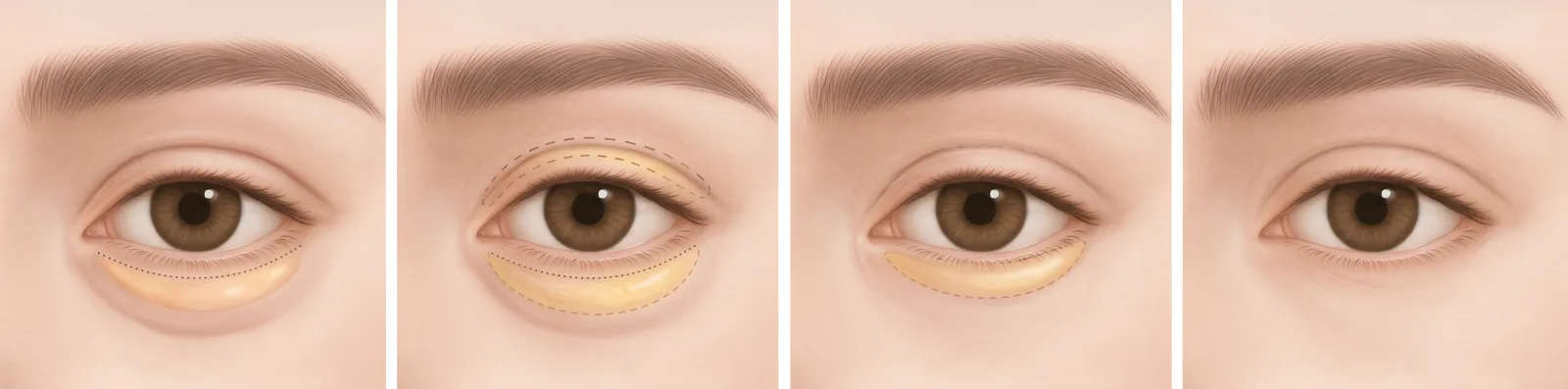
Illustration: through a fine line just below the lashes, the under-eye fat (yellow) is repositioned over the bony rim to fill the groove rather than removed.
The reason it lasts is worth understanding up front. A lower blepharoplasty at Garnet is a four-step lift: fat is repositioned instead of simply cut away, the mid-face (SOOF) is lifted, the orbicularis muscle is suspended and the skin is redraped. Because the underlying structure is reset, the result rests on that new foundation and not on temporary volume, which is why it holds so much better than a non-surgical alternative.
Picturing "it lasts X years and then stops" is less accurate than thinking of a lasting reset that your face then ages forward from, at its own natural pace. If you are still weighing whether surgery or a lighter option suits your under-eye, our comparison of the surgical approaches explains how the different techniques differ in durability.
Why lasting
Why the change does not simply reverse
The durability comes from the fact that this is a structural correction, not a temporary one. The herniated fat that creates an eye bag is repositioned over the orbital rim, redundant skin is redraped, and the muscle is re-suspended. Once that anatomy is reset and healed, it does not spring back. There is no filler to dissolve and no tightening under tension that gradually relaxes. This is the plain sense in which the change "lasts": it does not reverse itself.
This is quite different from a skin-only tightening, which can relax within a couple of years because it relies on tension in the skin. By addressing fat, muscle and skin together in one planned operation, a well-performed lower blepharoplasty removes the actual cause of the eye bag. A cause that has been corrected does not quietly return the way volume-based treatments fade.
Because the correction is structural, careful, unhurried surgery matters for how long it looks its best. A rushed procedure that removes too much fat or skin can look drawn later, while a measured, four-step lift ages more gracefully. The durability you are really investing in lies in how thoughtfully the under-eye is rebuilt, which is one reason the cost of the procedure reflects the surgeon and the time each case is given.
Ageing
How the under-eye keeps ageing around the result
To be clear about this part: the change itself does not reverse, but your face keeps ageing around it. Skin continues to lose elasticity, the cheek and mid-face gradually descend again, and fat pads shift with the years. None of this undoes the surgery, but it means the under-eye slowly softens and does not stay frozen at the day-one result. It ages forward from a much better starting point.
In practice this is a gradual, natural process with no sudden relapse. Fine skin laxity can reappear over a long span, and some people notice mild hollowing or renewed shadowing many years later as the whole mid-face matures. This is simply ordinary facial ageing continuing, exactly as it would have without surgery, only now from a corrected, refreshed baseline.
The right way to picture it is comparative. Years after your lower blepharoplasty you will still tend to look fresher and less tired than you would have without it, because you aged forward from a corrected under-eye. The surgery does not have to be permanent to be worthwhile. A lasting improvement that softens slowly and naturally is exactly what this procedure is designed to give.
What affects it
What affects how long your under-eye result lasts
How long the under-eye looks its best after a Quad Plus lift varies with several individual factors. The biggest are your own tissue quality and age at surgery, since younger, more elastic skin and firm underlying tissue tend to hold longer, while more advanced laxity at the outset ages forward sooner. Genetics play a real part too, because the pace at which your under-eye would have aged anyway carries on after surgery.
Lifestyle matters more than people expect. Heavy sun exposure, significant weight fluctuation and smoking all accelerate skin and tissue ageing and can shorten how long the under-eye looks its freshest. Protecting the delicate eye-area skin from the sun, keeping your weight stable and not smoking will not stop ageing, but they meaningfully help the result last, and they are within your control in a way that anatomy is not.
The surgery itself is a factor too, which loops back to who performs it and how. A measured four-step lift that repositions fat without over-resecting it, performed in an unhurried operation, ages better than a rushed procedure. If you want to know how the result unfolds in the first place, our guide to when you will see results covers the early timeline that leads into this long-term picture.
Refreshing
Refreshing the result later on
When ordinary ageing eventually catches up, often only after many years, the usual path is a refresh. A full redo is rarely needed. Because the fat and structure have already been corrected, later maintenance is often light: a little skin tightening, careful volume where the mid-face has descended, or a small touch-up if renewed laxity appears. Many people never feel the need for anything further at all.
If a secondary procedure is ever considered, having had a clean, planned lower blepharoplasty tends to make it more straightforward, because the under-eye anatomy has already been addressed thoughtfully, without aggression. This is another quiet advantage of a measured approach over an over-corrected one: it lasts longer and leaves you in a better position if you ever choose to do anything more.
There is no schedule you are obliged to follow. Most people simply enjoy the result and revisit the question years later, if at all. If and when you do, having the same surgeon who knows your under-eye and performed the original lift makes planning any refinement much easier and more predictable.
At Garnet
Garnet's approach to a durable under-eye
Garnet is a single-surgeon clinic in Apgujeong, Seoul. Dr. In-Soo Baek is a board-certified plastic surgeon (Korean medical licence no. 77407) and the only operating doctor; he consults, performs the lower blepharoplasty himself and reviews every follow-up, and the clinic keeps the day to two surgeries so each case has the unhurried time a careful four-step lift needs. The Quad Plus lower blepharoplasty is one of the clinic's trademarked methods, registered with the Korean IP Office.
Because durability is built during surgery, that unhurried, single-surgeon model is directly relevant to how long your result lasts: the same surgeon plans and performs the structural work (repositioning fat, lifting the mid-face, suspending the muscle and redraping skin), then follows your healing at 1, 3 and 6 months, and by messenger after you fly home, so the under-eye settles as intended. For visitors from abroad, Garnet is registered with Korea's foreign-patient programme, which covers under-eye surgery.
If you would like a realistic view of how long a lower blepharoplasty could last for your face specifically, the ideal first step is a no-obligation online assessment. Send photos and get a straight answer about both the result and its likely longevity before you plan any travel.
Real Results
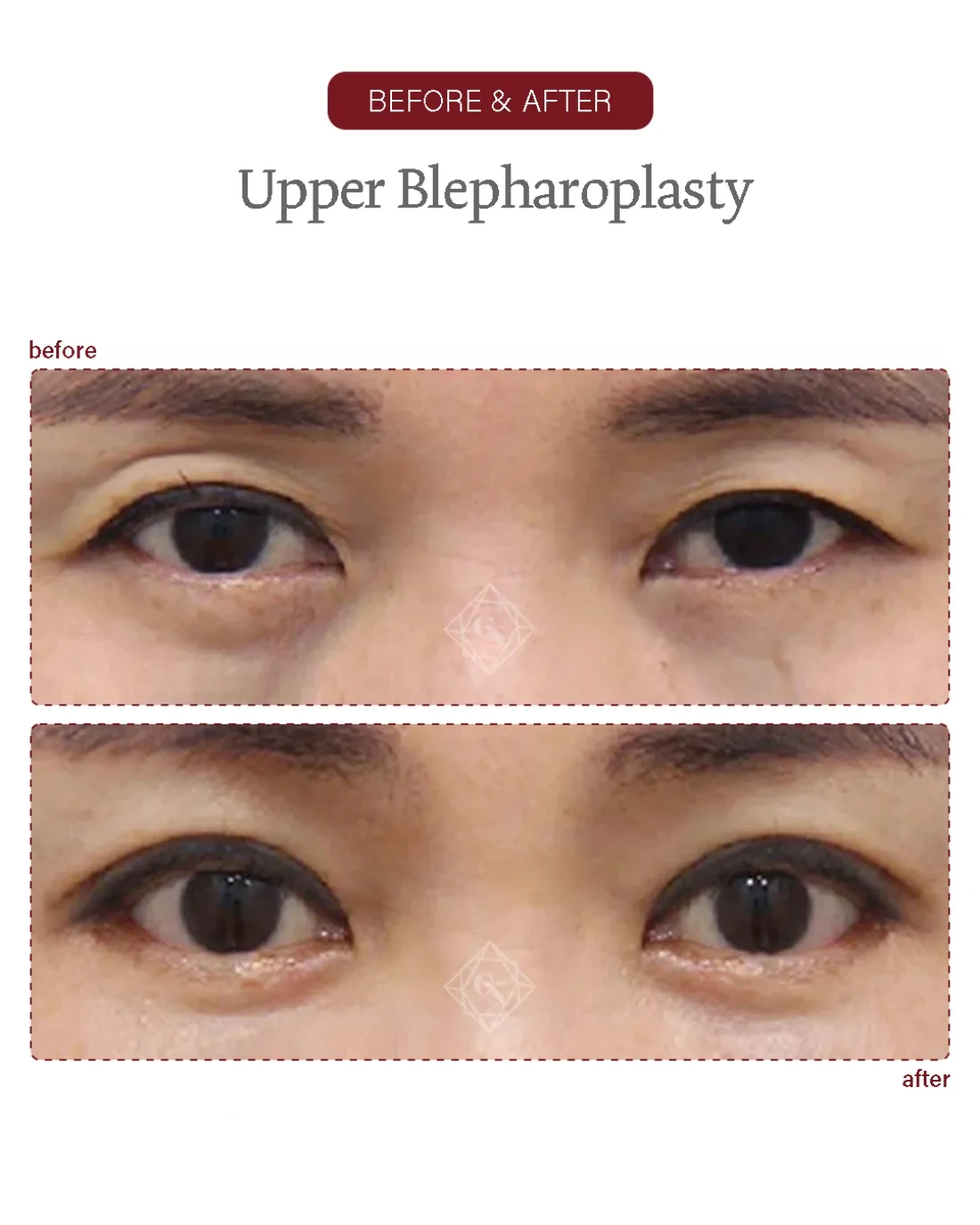
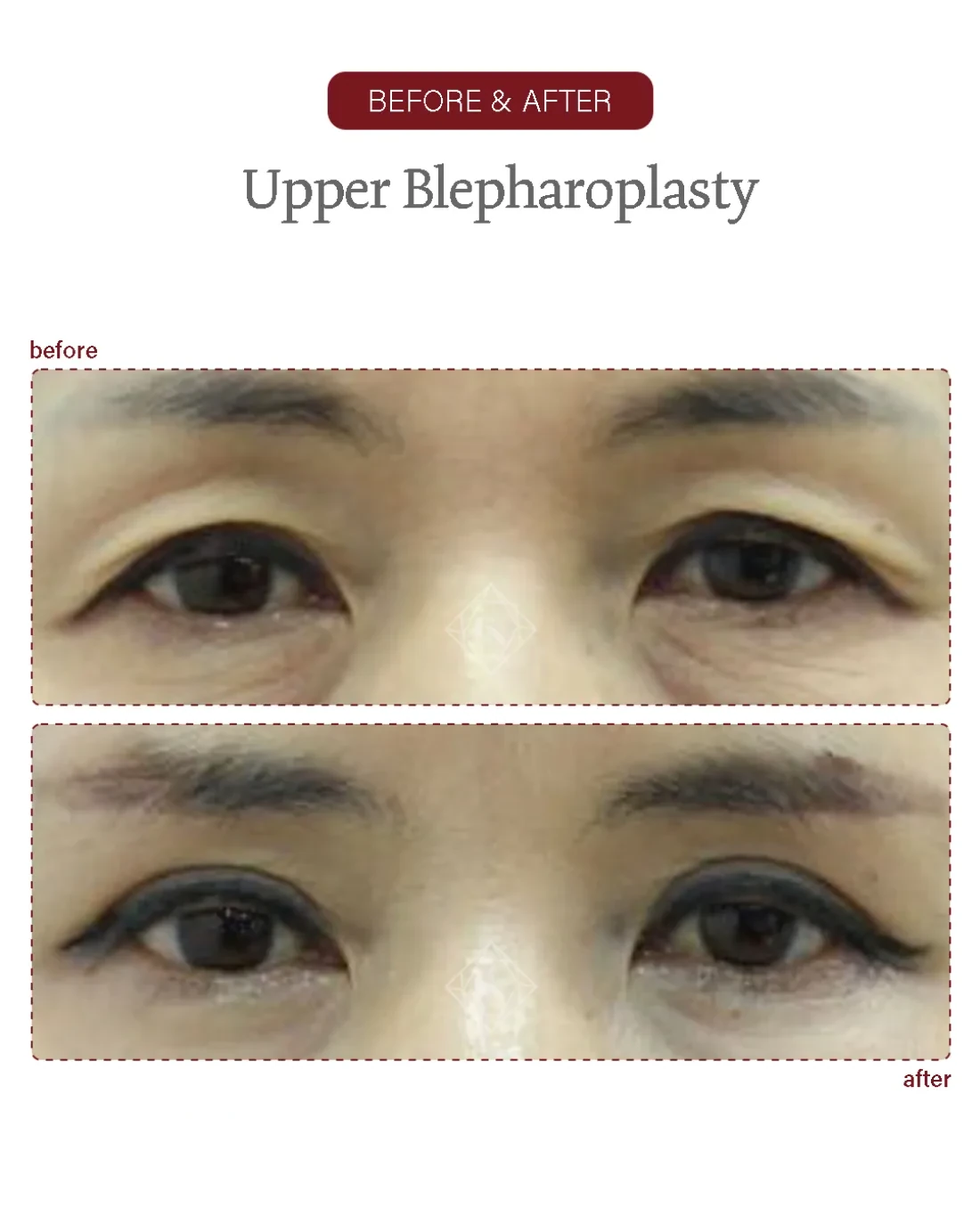
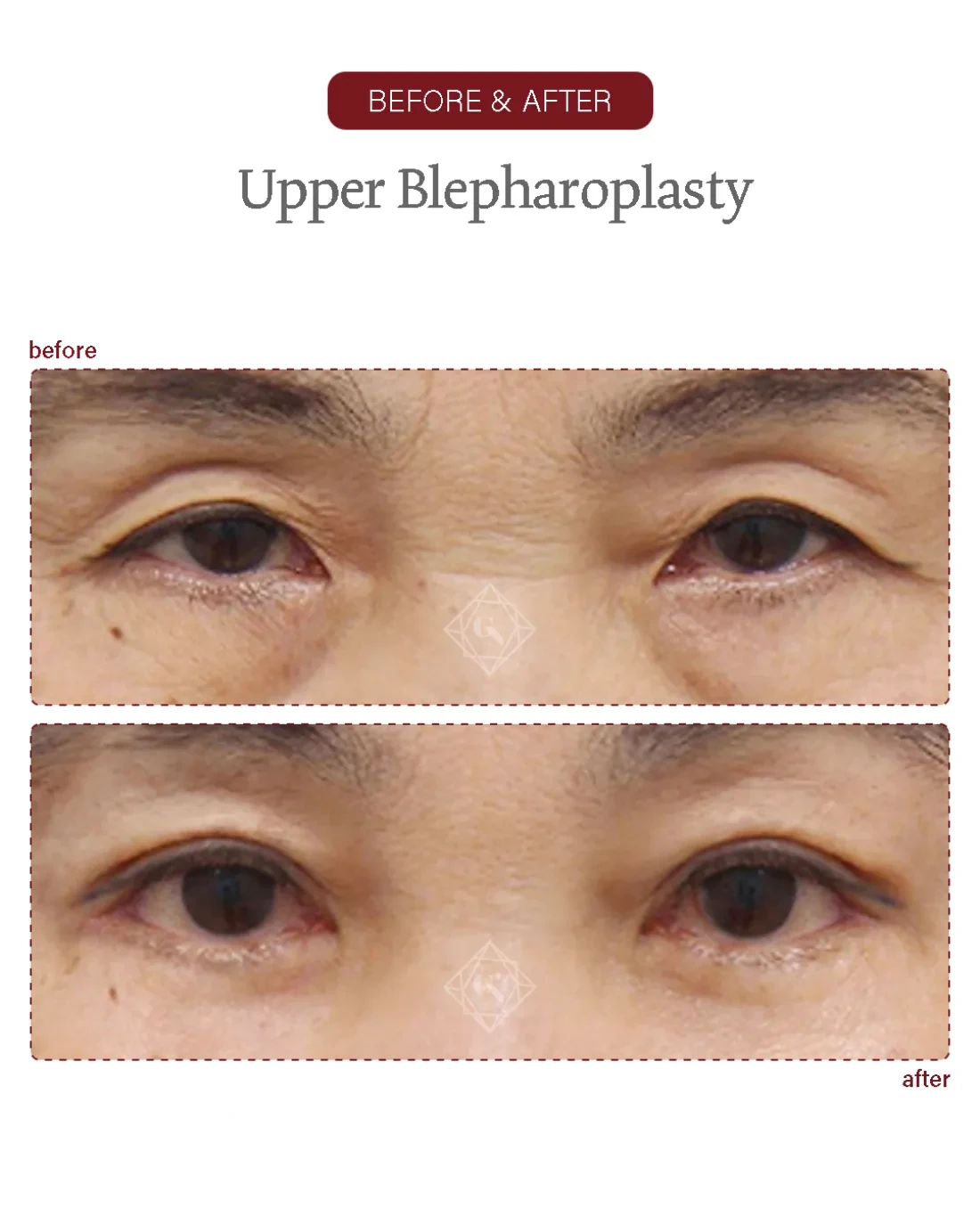
Before & After
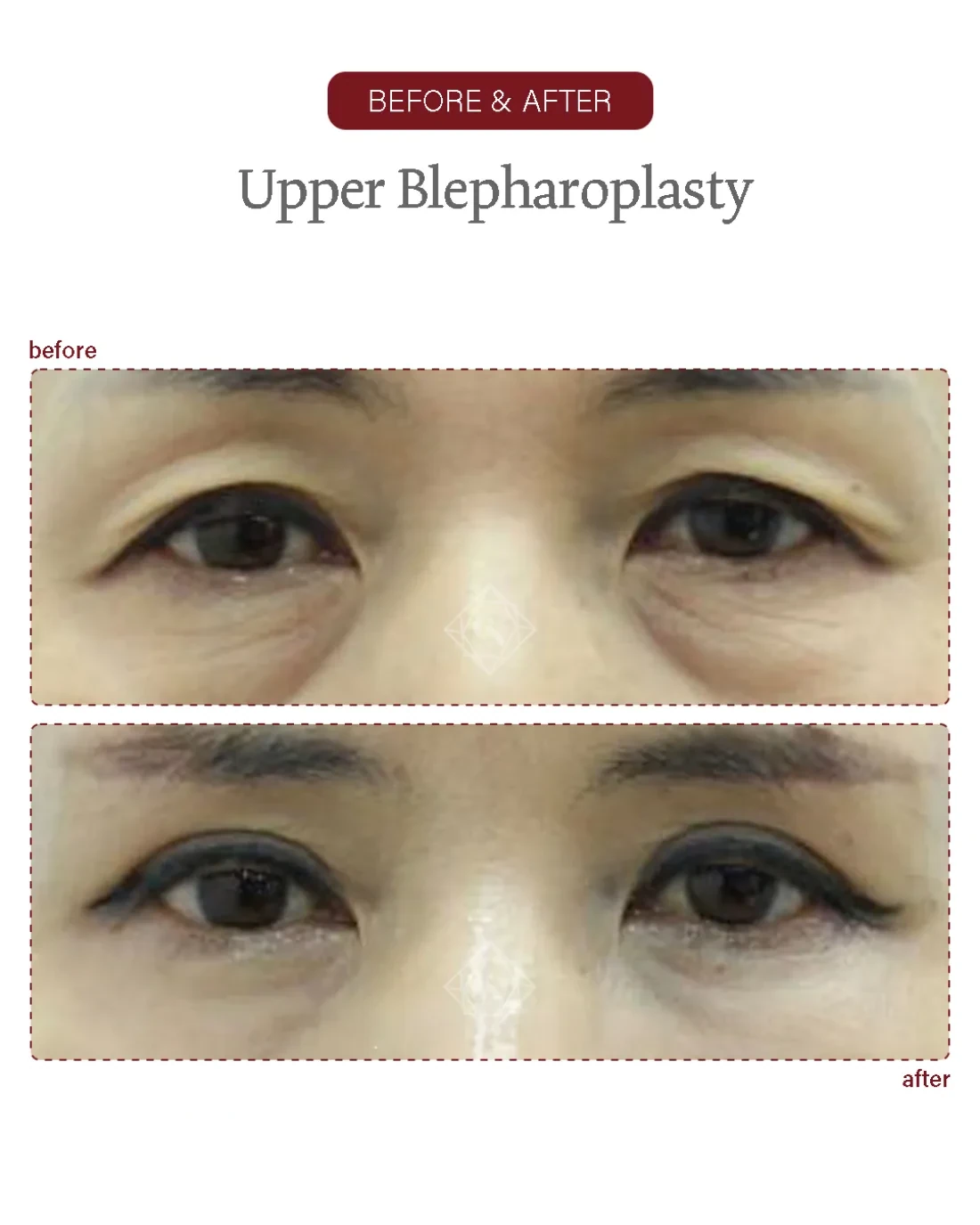
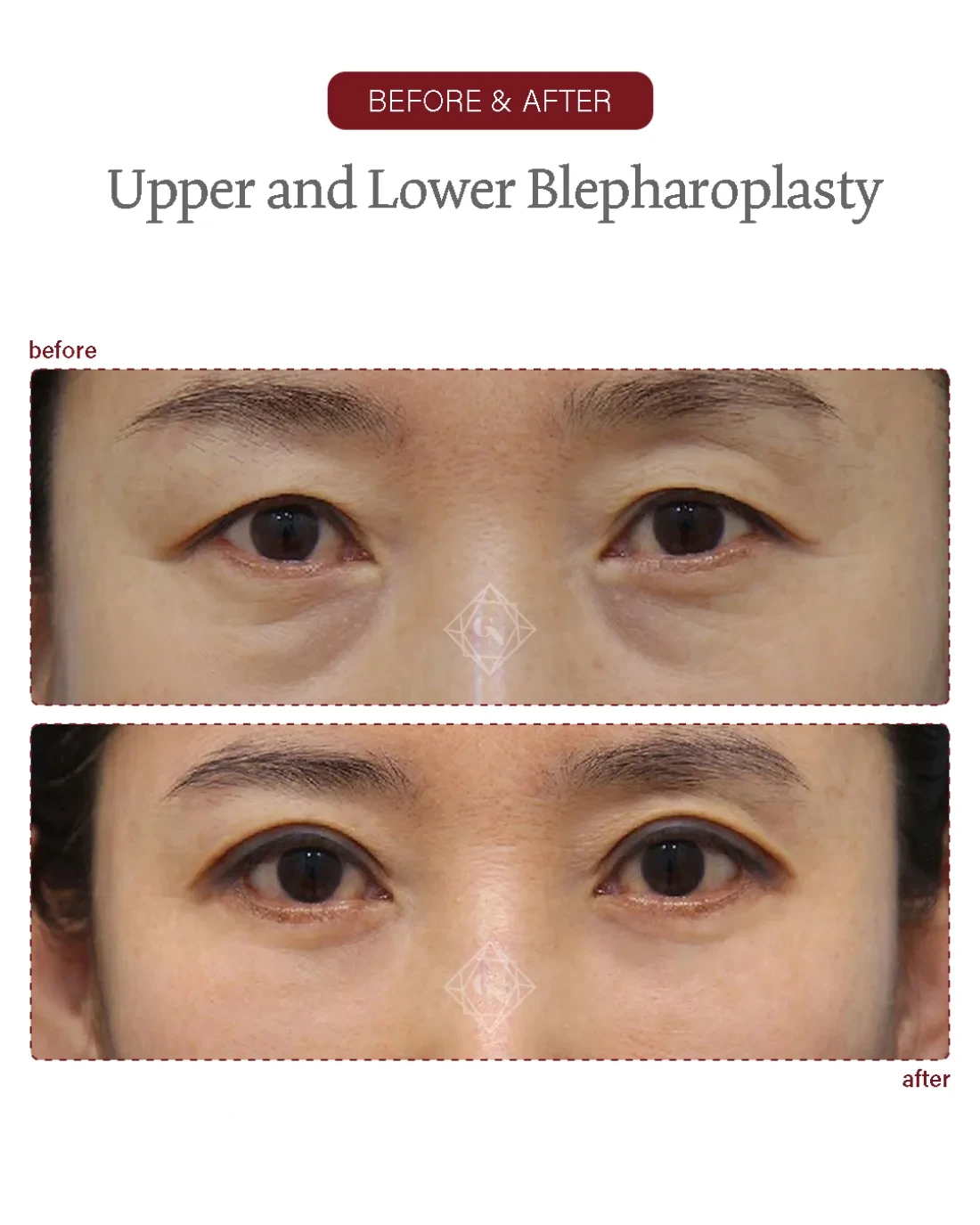
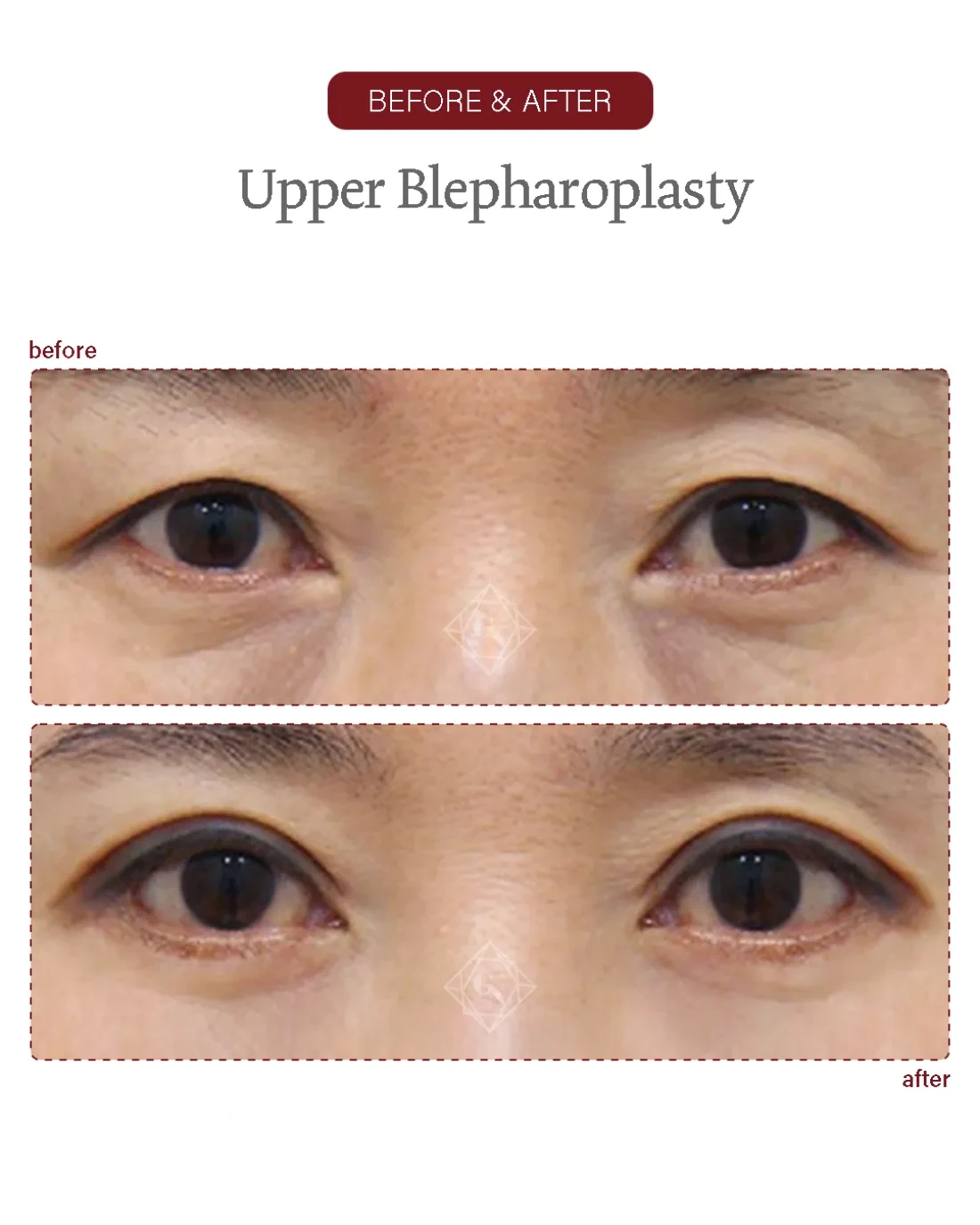
Eyelid before/after examples of actual Garnet patients (published with consent). Results, recovery and suitability vary by individual and are not guaranteed; the right approach depends on an in-person examination.
Prices
Price at Garnet
Lower blepharoplasty
From₩3,500,000 + VATExcluding VAT (10% VAT is added at payment)Book now
Same price as Korean patients. Prices shown exclude 10% VAT; your written quote, issued after the in-person consultation, shows the full amount payable.
Dr. In-Soo Baek
Director & sole operating surgeon
Korean medical licence no. 77407
Operate on what you came for. Trained at Korea University Medical Center. Every case planned, performed and reviewed by the same hands.
1Operating surgeon
~2Surgeries per day
7Registered techniques
Board-certified plastic surgeon
Plastic surgery training at Korea University College of Medicine & graduate school
Korean Society of Plastic and Reconstructive Surgeons member, in its facial-contour, eye & rhinoplasty groups
Consults, operates and follows up each case himself
Peer-reviewed papers behind the facts on this page. Each describes findings in its own study group — not results at Garnet — and none predicts your own outcome.
Fedok FG. Transconjunctival Lower Blepharoplasty. Facial Plastic Surgery Clinics of North America. 2026. doi:10.1016/j.fsc.2025.08.005
Fakih-Gomez N. Lower Blepharoplasty. Facial Plastic Surgery Clinics of North America. 2026. doi:10.1016/j.fsc.2026.06.011
Tarabishy S et al. Lower Lid Blepharoplasty, Selecting Your Approach. Clinics in Plastic Surgery. 2025. doi:10.1016/j.cps.2024.08.003
FAQ
Common questions
How long does lower blepharoplasty last?
Lower blepharoplasty is a long-lasting procedure, and most people enjoy a clear improvement in eye bags and shadowing for many years. It makes a structural change (repositioned fat, a lifted mid-face and redraped skin), so it does not fade on a schedule like a filler. An exact number of years would be misleading, though, because how long it looks its best is individual.
Is lower blepharoplasty permanent?
The change itself does not reverse, since the corrected fat, muscle and skin do not spring back, but nothing stops your face from ageing. So it is lasting, though it is no guaranteed forever fix: your under-eye keeps ageing gently from a corrected starting point, which means it softens slowly over many years without returning to how it was.
Will my eye bags come back after lower blepharoplasty?
The eye bag that was corrected does not simply return, because the herniated fat was repositioned and the structure reset. Over many years, though, ordinary ageing continues (skin loosens and the mid-face descends), so some renewed puffiness or shadowing can appear much later. That is new ageing, not the original bag coming back, and from a much better baseline.
Does lower blepharoplasty change with age?
Yes, gradually and naturally. The surgery does not stop ageing; it resets the under-eye and you then age forward from there. Over the years skin elasticity and mid-face volume keep changing, so the area softens slowly. You will still tend to look fresher than you would have without surgery, because you aged forward from a corrected under-eye.
What makes lower blepharoplasty last longer or shorter for one person?
Tissue quality and age at surgery are the biggest factors; younger, firmer tissue holds longer. Genetics set the natural pace of ageing. Lifestyle matters too: sun exposure, weight fluctuation and smoking speed up ageing and shorten how long the under-eye looks its freshest, while sun protection and staying healthy help it last.
Will I ever need a touch-up or revision?
Many people never need anything further. If ordinary ageing eventually calls for it, usually only after many years, the area is normally refreshed and seldom fully redone, sometimes with light skin tightening or careful volume. Having had a measured, clean lower blepharoplasty tends to make any later refinement more straightforward.
Why does lower blepharoplasty last longer than fillers or lasers?
Fillers add temporary volume and lasers work on the skin surface, so both need repeating as they fade. Lower blepharoplasty instead corrects the underlying cause of an eye bag by repositioning fat, lifting the mid-face and redraping skin. Because that structural change does not dissolve or relax the way volume-based treatments do, the improvement holds for many years.
Can lifestyle really affect how long my result lasts?
Yes, meaningfully. Heavy sun exposure, significant weight changes and smoking all speed up skin and tissue ageing around the eye and can shorten how long the under-eye looks its freshest. Protecting the delicate eye-area skin from the sun, keeping your weight stable and not smoking won't stop ageing, but they genuinely help the result last.
Does having the same surgeon help with long-term results?
It helps. When the same board-certified surgeon plans, performs and follows up the lower blepharoplasty, the structural work is done as intended and your healing is reviewed at one, three and six months, which supports how the result settles. It also makes any future refresh easier, because the surgeon already knows your under-eye.
Can I get a realistic estimate of how long my under-eye result will last before travelling?
Yes. In an online consultation from abroad you can send photos, and the surgeon can give a view of both the likely result and how long it may last for your face specifically, taking your tissue quality and concerns into account, before you commit to any travel.
My mom recently had a brow lift and lower blepharoplasty with Dr. Baek, and our experience has been wonderful so far. The Garnet team was incredibly kind and welcoming, with Kelly assisting us as our English consultant—she made everything…
I’m so happy I chose this clinic for my lower blepharoplasty. I was traveling from abroad by myself, so I was a little nervous, but from the beginning I felt comfortable and truly cared for. Everyone was kind, patient, and professional…
Came in for an in-person consult and ended up choosing Garnet and Dr.Baek for my non-incisional DES and tiplasty/alarplasty. I communicated with Kelly (English consultant) from the start till now (3 weeks post-op). She really help me feel…
My under-eyes have been sagging and folding for years... I tried to cover it up with makeup, but it actually got stuck in the wrinkles and made it stand out even more. While going for consultations, I noticed that the bigger the hospital…
Want a realistic view of how long a lower blepharoplasty could last for your under-eye? Send photos for a no-obligation pre-assessment of both the result and its longevity before you plan a trip.
Send photos and your question before you travel. An English-speaking coordinator reviews every enquiry and replies with plain guidance on whether lower blepharoplasty is appropriate for you, the likely plan and timing.
✓ Reviewed by the clinic coordinator, not a bot
✓ Photo-based pre-assessment before you fly
✓ Foreign-patient scheduling & after-care
✓ One surgeon for consultation, surgery and follow-up
Prefer to chat now? Reach the coordinator directly:









 T S7 months ago



