Your 50s are usually the decade when more established descent makes a fuller, deep-plane lift the appropriate choice, often alongside the neck and a return of lost volume. Age is still only a guide, though: what genuinely suits you depends on how your face and neck have changed, which a consultation decides.
The short answer
By your 50s, descent of the deeper face is often well established. This is the point at which a deep-plane facelift tends to fit better than a mini lift.
The neck and jawline commonly need addressing together, since a face lifted without the neck can look mismatched.
Volume loss becomes part of the picture, so fat grafting is often planned alongside lifting as a partner to it.
The same board-certified surgeon should judge how far a lift needs to go, and what to combine, without defaulting to either the largest or the smallest option.
By your fifties, the changes that were early in the 40s are usually well established. The deeper support layer of the face, the SMAS, has loosened further, the jowls and mid-face descent are more defined, deeper folds have formed around the mouth, and the face has often lost volume as well as position. The skin's own elasticity has reduced, so it no longer redrapes on its own the way it did a decade earlier.
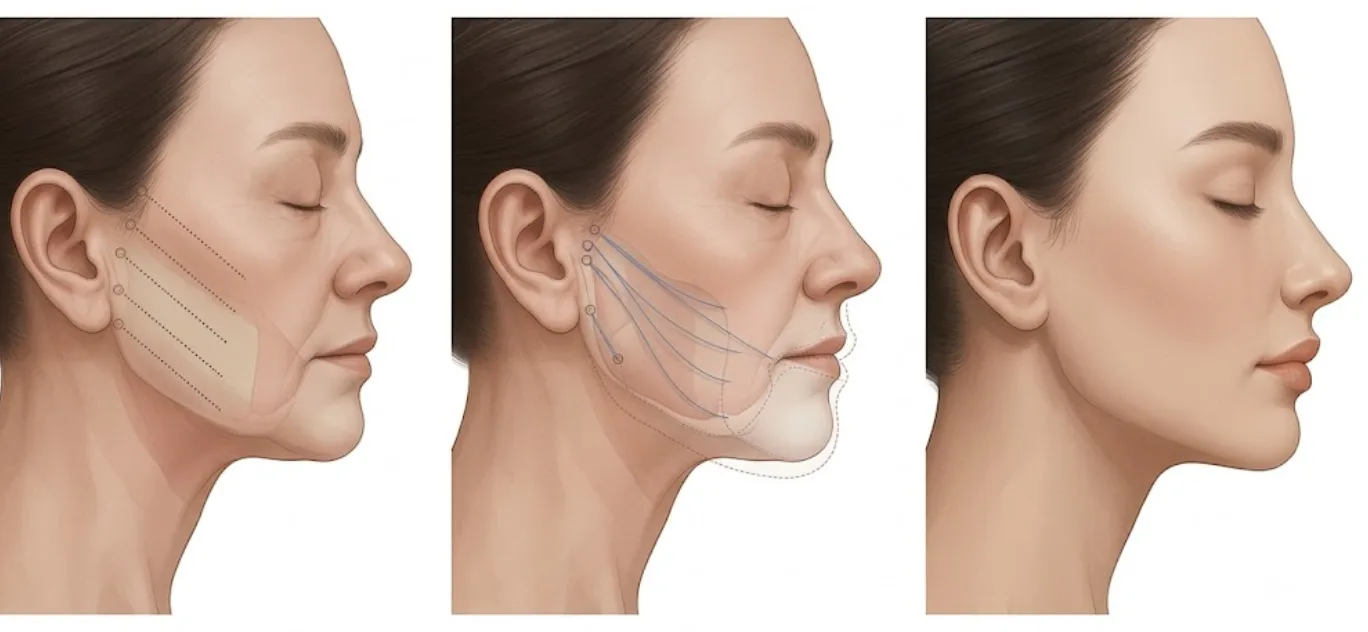
Illustration: barbed threads are placed along the paths shown and anchored at fixed points to lift early laxity of the lower face (Fixpoint Thread Lift™).
This matters because it changes what a lift has to do. A lighter procedure that repositions only superficial tissue tends to fall short once the deeper layer has descended, and a thread lift is generally no longer the right tool for established laxity. The 50s are usually where a fuller, deeper lift becomes the proportionate answer and stops being an over-treatment.
As with every decade, this is a guide and not a rule. Some faces reach their 50s with relatively mild change and may still suit a more modest approach, while others show marked descent that a deeper lift addresses well. A face-to-face assessment of how the deeper tissue has moved, how the skin behaves, and how the neck has changed is what actually decides how far a procedure needs to go.
Deep-plane
The deep-plane facelift in your 50s
For established descent, a deep-plane facelift is often the procedure that suits this stage. It does not simply tighten skin over the surface. It releases and repositions the deeper SMAS layer, so the lift is carried by the structure that has actually descended. That is what allows a fuller lift to look natural without a pulled look: the tension sits in the deep layer, and the skin is redraped without being stretched.
Illustration: the deeper facial layer (SMAS, shown in yellow) is released and repositioned as one unit with the skin, rather than pulling the skin alone.
At Garnet the approach combines deep-plane and dual-plane release of the SMAS down to the jawline, through an incision that runs from the temporal hairline in front of and around the ear. Because it is a more extensive procedure than a deep-mini lift, recovery is longer, with sutures typically removed in two stages, around 10 days and again at around 14 days, and swelling continuing to settle well beyond that.
A deep-plane lift addresses the mid-face and jawline properly, but it is not a decision to take lightly or a procedure every 50s face needs to the same degree. How much release is appropriate, and whether the full extent is warranted, is a judgement the surgeon makes from your anatomy. The aim is a face that looks like a rested version of you; a different or tightened face is not the goal.
Neck
Why the neck is usually addressed together
In the 50s the neck almost always changes alongside the face: the jawline blurs into the neck, bands can appear in the platysma muscle, and fullness or loose skin develops under the chin. A face lifted without attention to the neck can look mismatched, with a refreshed cheek above a neck that still reads its age. That is why a neck lift is so often planned together with a facelift in this decade.
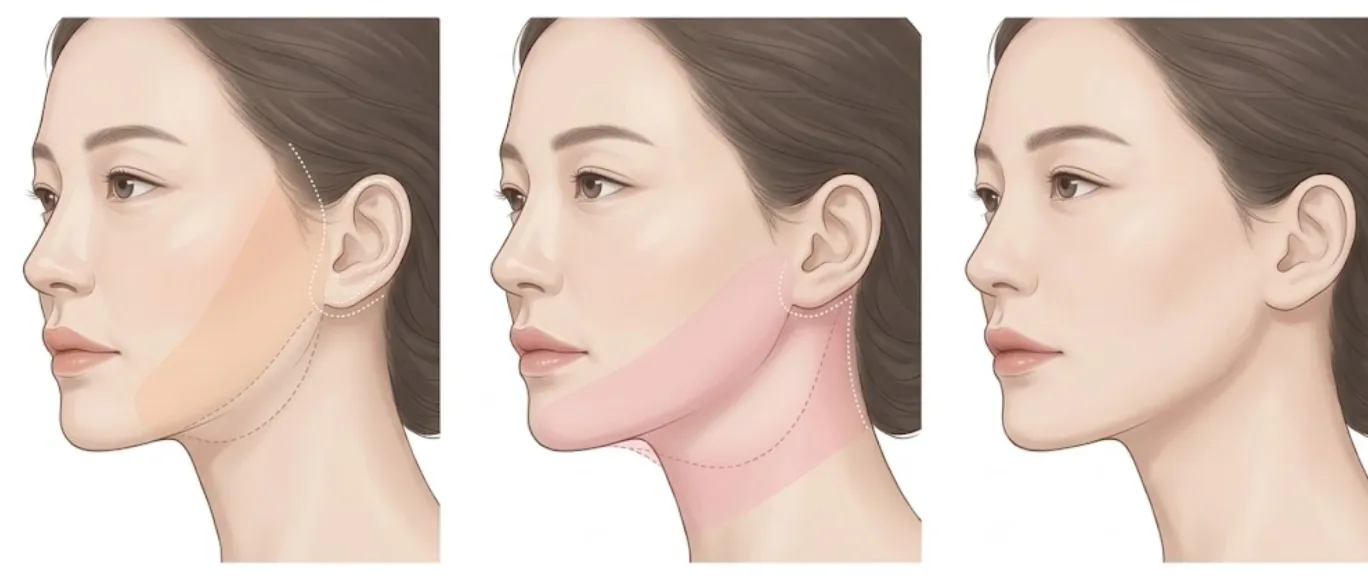
Illustration: through a fine line around the ear (dotted), the sagging lower face and neck are lifted up and back toward the ear (shaded); the dashed outline shows the old contour.
A neck lift re-supports the platysma and jawline, addressing the bands and the loss of a clean neck contour, and at Garnet it is approached through submental and post-auricular access with the muscle re-tightened as indicated. Because the neck and lower face share the same descending structures, treating them together tends to give a more harmonious, balanced result than lifting the face alone.
Not every 50s neck needs the full procedure, and the right extent varies. Some patients need only modest contouring, others a more complete platysma repair. As with the face, this is matched to what the neck actually shows. Planning the face and neck as one, with neither treated as an afterthought, is one of the things that keeps a combined result looking natural.
Volume & eyes
Volume loss and the eyelids
Lifting repositions tissue, but by the 50s the face has often lost volume as well as position. The cheeks flatten, the temples and under-eye area hollow, and simply pulling tissue tighter would not restore that fullness. This is why fat grafting is frequently planned alongside a lift: your own fat, harvested and transferred, restores softness and youthful contour that lifting alone cannot. The two are complementary: the lift repositions, the graft replenishes.
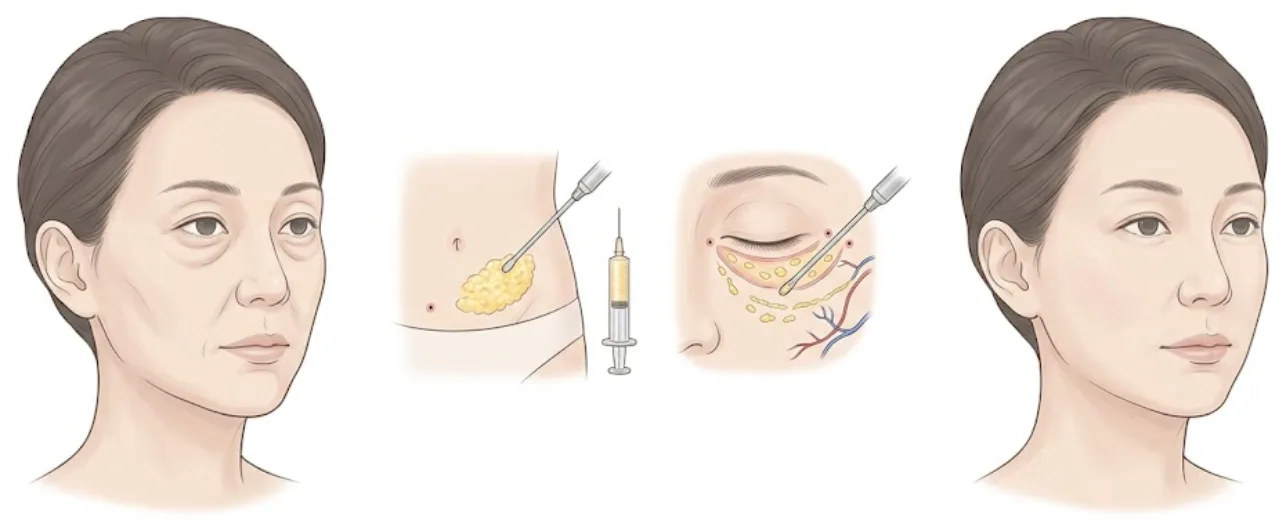
Illustration: the patient's own fat is gently taken from a donor area such as the abdomen, refined, and placed in small amounts where volume has been lost.
The eyes usually need attention too. Upper-lid skin often hoods more noticeably by this stage, and upper blepharoplasty, which removes the redundant skin through the natural crease, is a common companion to a lift, refreshing an area a facelift does not reach. Left unaddressed, tired eyes can undercut an otherwise well-lifted face.
The theme of the decade is combination done in proportion: a deep-plane lift for descent, a neck lift for the neck, fat grafting for lost volume, and eyelid surgery for the eyes — each included only to the degree your face actually needs. One surgeon planning all of this together, instead of stacking separate procedures, is what keeps the combined result coherent and natural.
Candidacy
Realistic candidacy for facial surgery in your 50s
A deep-plane lift with the neck and volume work is a significant undertaking, so candidacy in your 50s rests as much on health as on how your face has aged. Well-controlled blood pressure, not smoking around the time of surgery, and full disclosure of medications and medical history all affect how safely a longer procedure can be planned and how well it heals. A thorough consultation weighs these carefully and does not treat age as the only factor.
Realistic expectations matter just as much. A well-planned lift can turn back the visible signs of descent and restore contour, but it does not stop ageing from continuing afterward, and it does not change your underlying features. Understanding what the surgery does (reposition, re-support, replenish) and what it does not do is part of being a good candidate, and it makes recovery and the result easier to be happy with.
The safest way to know what genuinely suits you, and how far it needs to go, is an assessment of your face and neck by the surgeon who would actually operate. You can begin with an online consultation from abroad, sending photographs for a frank pre-assessment and a realistic plan before you commit to travelling to Seoul.
At Garnet
How Garnet approaches patients in their 50s
Garnet is a single-surgeon clinic in Apgujeong, Seoul. Dr. In-Soo Baek is a board-certified plastic surgeon (Korean medical licence no. 77407) who personally consults, performs the surgery and reviews every follow-up, with the day capped at two surgeries so a longer, combined procedure has unhurried time. For patients in their 50s, where a lift, the neck, volume and the eyes are often planned together, that continuity is especially important, because one surgeon holds the whole plan and carries it out.
In practice, patients in this decade are guided toward a plan matched to what their face and neck actually show: a deep-plane lift for established descent, a neck lift where the neck has changed, fat grafting for lost volume, and eyelid surgery where the eyes need it — each to the degree it is warranted, with no fixed package. Structured follow-ups at 1, 3 and 6 months keep a longer recovery under the operating surgeon's eye. You can send photographs for a no-obligation pre-assessment through an online consultation before you plan a trip.
Real Results
Before & After
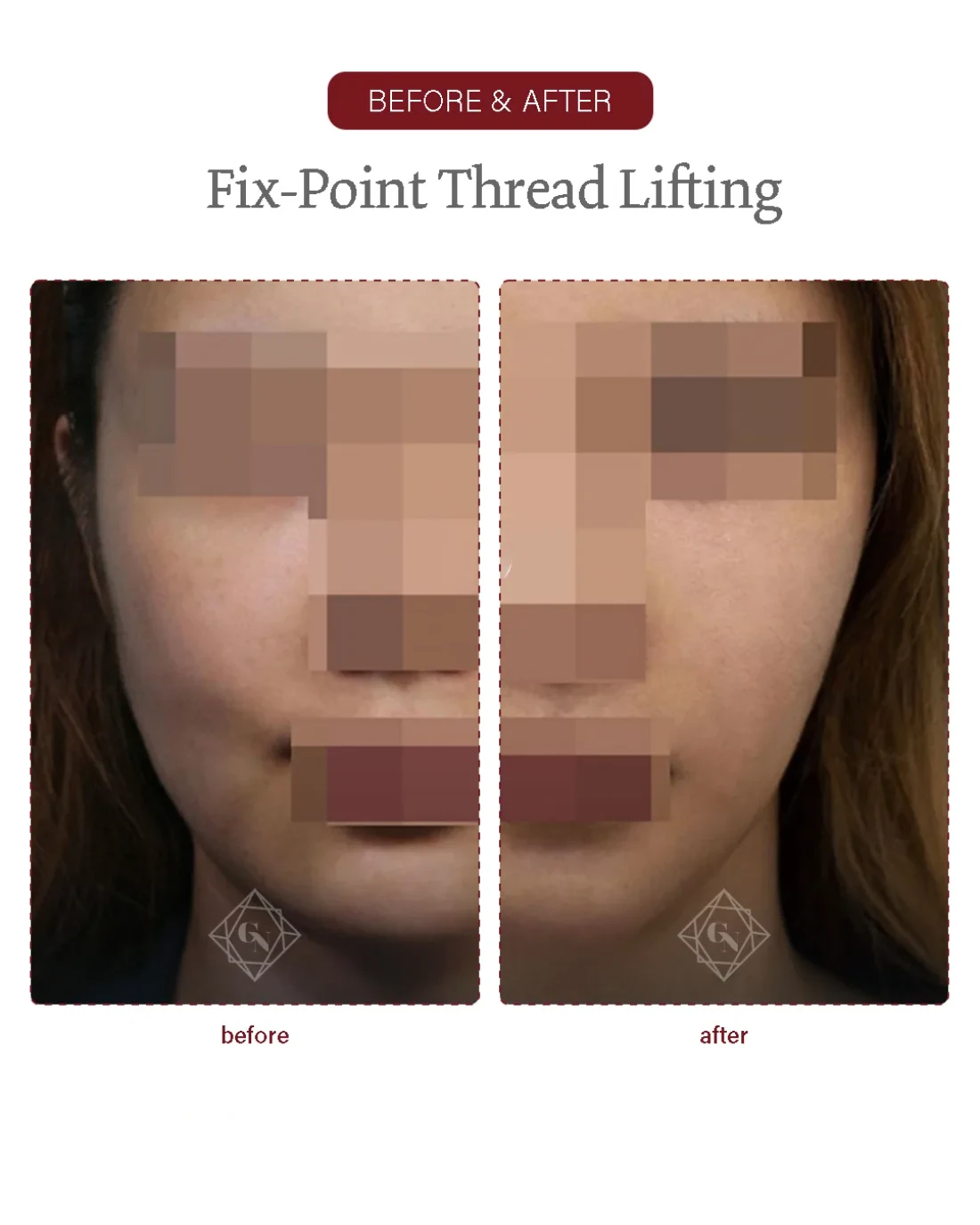
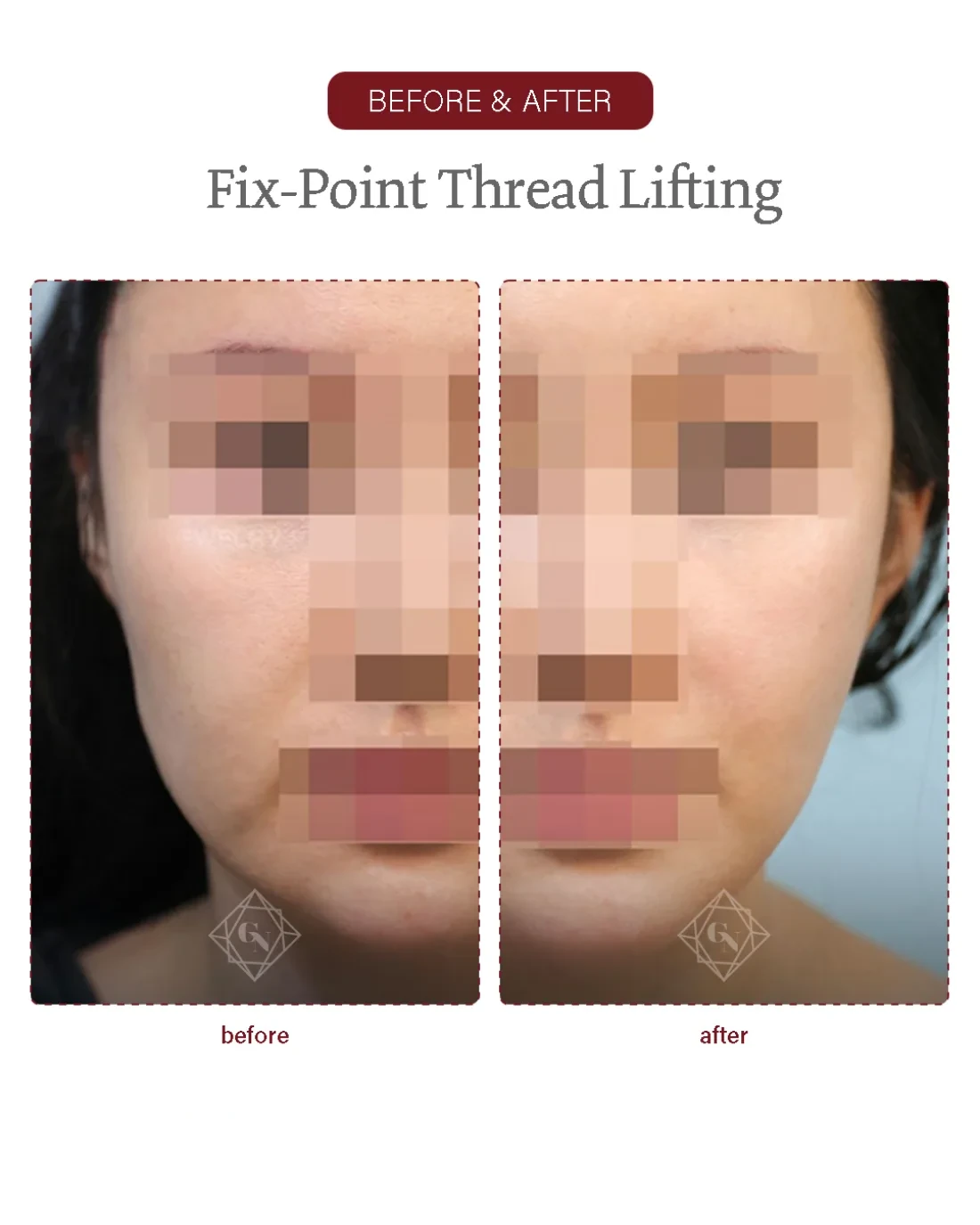
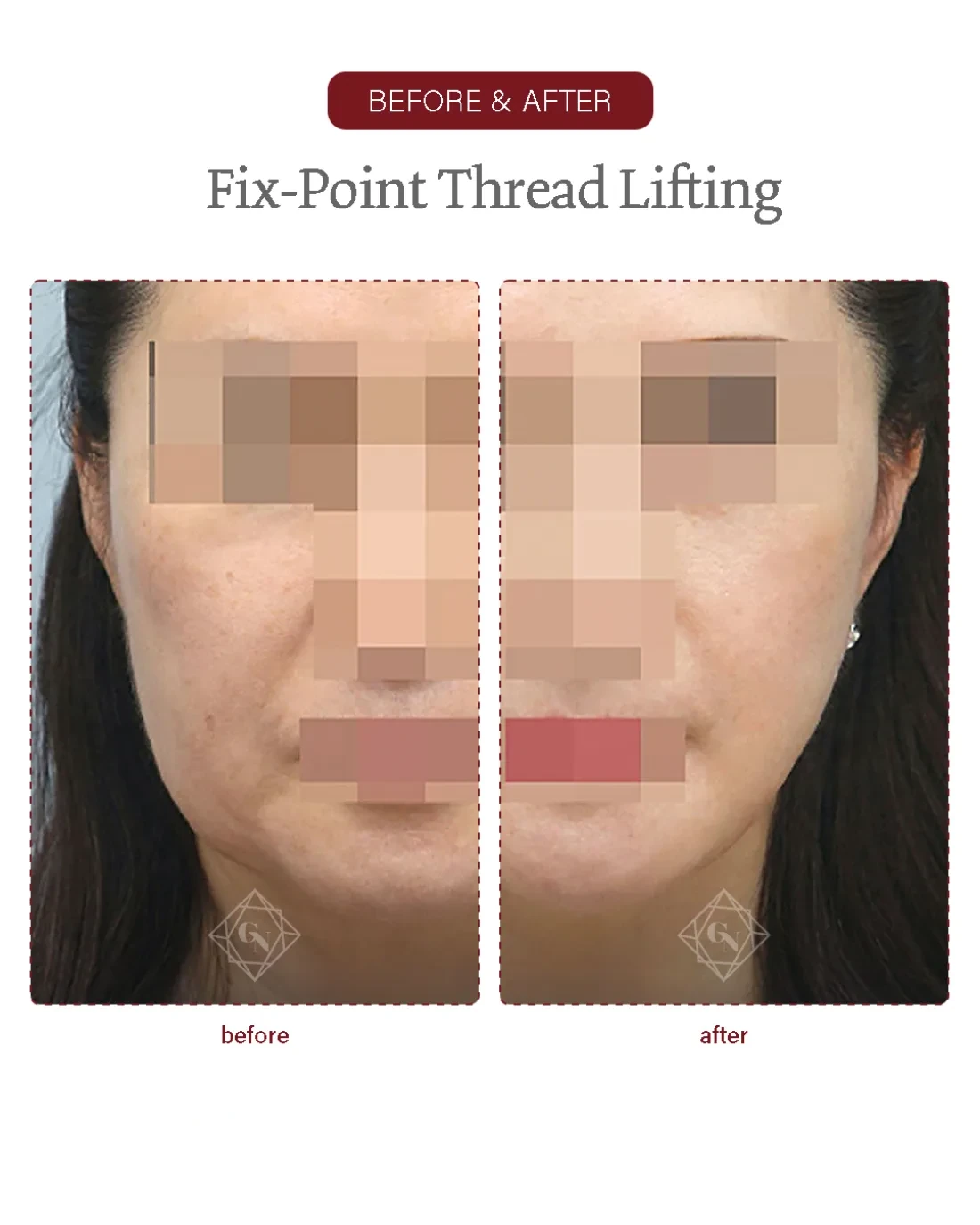
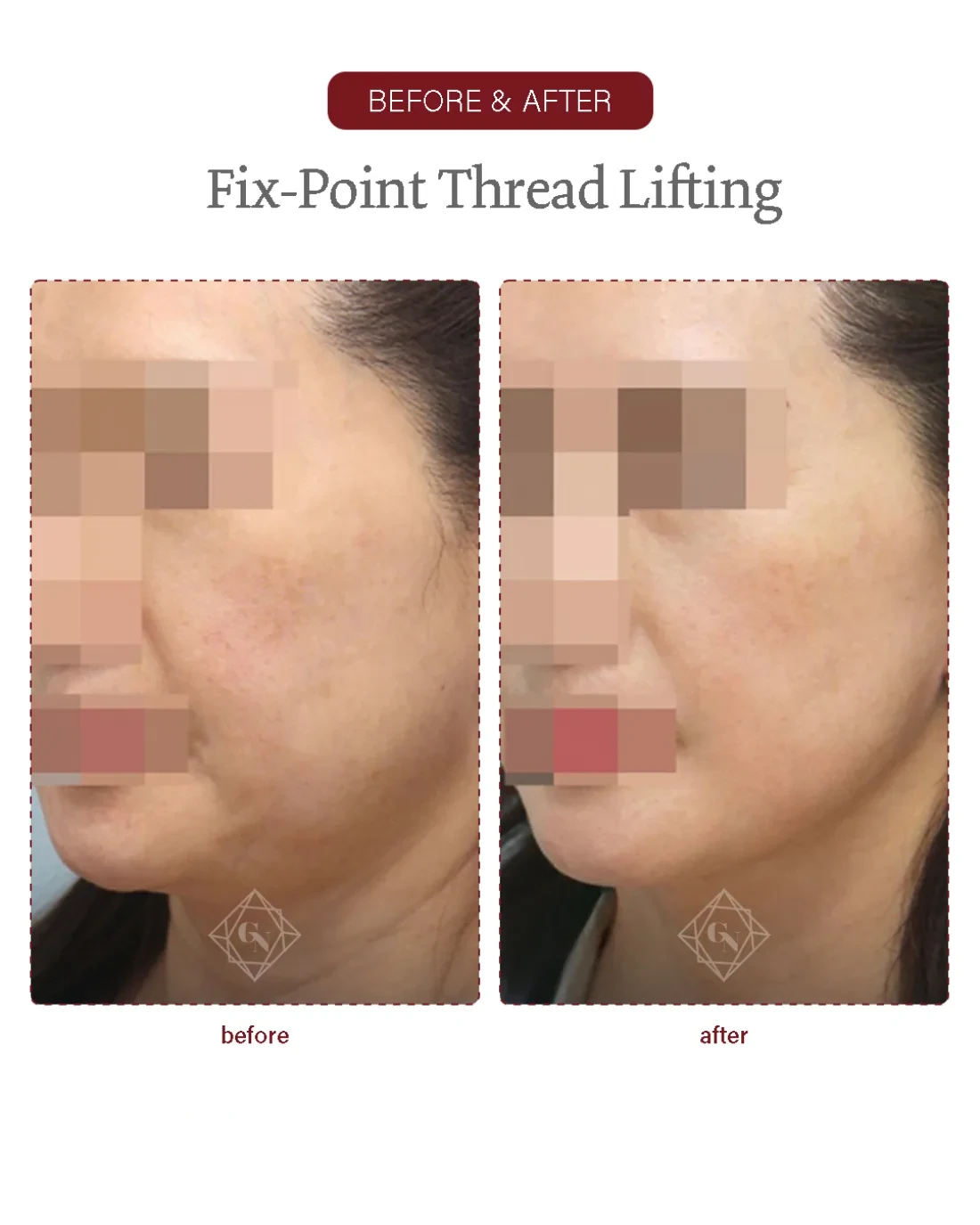
Thread-lift and contouring results of actual Garnet patients (published with consent, with date, procedure and clinic labelled). The lift is temporary and results, recovery and suitability vary by individual and are not guaranteed.
Prices
Price at Garnet
Thread lift
From₩100,000 + VAT per threadExcluding VAT (10% VAT is added at payment)Book now
Same price as Korean patients. Prices shown exclude 10% VAT; your written quote, issued after the in-person consultation, shows the full amount payable.
Dr. In-Soo Baek
Director & sole operating surgeon
Korean medical licence no. 77407
Operate on what you came for. Trained at Korea University Medical Center. Every case planned, performed and reviewed by the same hands.
1Operating surgeon
~2Surgeries per day
7Registered techniques
Board-certified plastic surgeon
Plastic surgery training at Korea University College of Medicine & graduate school
Korean Society of Plastic and Reconstructive Surgeons member, in its facial-contour, eye & rhinoplasty groups
Consults, operates and follows up each case himself
Peer-reviewed papers behind the facts on this page. Each describes findings in its own study group — not results at Garnet — and none predicts your own outcome.
Fitzgerald R et al. Update on Facial Aging. Aesthetic Surgery Journal. 2010. doi:10.1177/1090820x10378696
Fedok F. The Aging Face. Facial Plastic Surgery. 1996. doi:10.1055/s-0028-1082402
Thomson DR et al. Screening for Body Dysmorphic Disorder in Plastic Surgery Patients. Aesthetic Plastic Surgery. 2024. doi:10.1007/s00266-024-03959-6
FAQ
Common questions
What facial surgery suits your 50s?
By your 50s, descent is often well established, so a deep-plane facelift tends to fit better than a mini lift or a thread lift. The neck is usually addressed together, fat grafting restores lost volume, and upper eyelid surgery refreshes the eyes. What suits you depends on how your face and neck have actually changed.
Is your 50s a good age for a deep-plane facelift?
It often is, because the deeper support layer has usually loosened enough that a deep-plane lift, which repositions that deep layer instead of tightening skin, becomes the proportionate choice. Some 50s faces show milder change and suit a more modest approach, so an in-person assessment decides how far a lift needs to go.
Which procedures do people in their 50s choose most?
A deep-plane facelift, a neck lift, fat grafting and upper eyelid surgery are among the most common, frequently planned together. The combination is matched to what each region shows, so it varies from a fuller combined plan to a more limited one depending on the face.
What is a deep-plane facelift, and why does it suit your 50s?
It releases and repositions the deeper SMAS layer, so the lift is carried by the structure that has descended, which keeps it looking natural. At Garnet it combines deep-plane and dual-plane release to the jawline, with sutures removed in stages at around 10 and 14 days. It suits the established descent common in this decade.
Why is the neck usually lifted with the face?
In your 50s the neck typically changes alongside the face, with jawline blurring, platysma bands and fullness under the chin. A face lifted without the neck can look mismatched. A neck lift re-supports the platysma and jawline so the two regions are harmonious, which is why they are so often planned together.
Do I need fat grafting as well as a facelift?
Often, because by the 50s the face has usually lost volume as well as position, and lifting alone cannot restore fullness. Fat grafting transfers your own fat to replenish flattened cheeks or hollow areas, complementing the lift. Whether it is needed, and where, depends on your face and is decided at consultation.
Is a thread lift enough in your 50s?
Usually not, once descent is established. A thread lift repositions superficial tissue but does not release and re-support the deeper layer, so it tends to fall short of what a 50s face needs. A deeper, fuller lift is generally the more appropriate and durable choice at this stage.
Does general health affect a facelift in your 50s?
Yes, significantly. A deep-plane lift with the neck and volume work is a longer procedure, so well-controlled blood pressure, not smoking around surgery, and openness about medications and medical history all affect how safely it can be planned and how well it heals. A thorough consultation weighs these carefully.
Will a facelift in my 50s stop me ageing?
No. A well-planned lift turns back the visible signs of descent and restores contour, but ageing continues afterward and the surgery does not change your underlying features. Knowing that a lift repositions, re-supports and replenishes, and knowing its limits, is part of being a good candidate.
Can I be assessed from abroad before travelling?
Yes. You can send photographs and have a pre-assessment in an online consultation with the surgeon who would actually operate, before committing to a trip. That lets you understand a realistic plan (how far a lift needs to go and what to combine) before planning travel to Seoul.
My mom recently had a brow lift and lower blepharoplasty with Dr. Baek, and our experience has been wonderful so far. The Garnet team was incredibly kind and welcoming, with Kelly assisting us as our English consultant—she made everything…
I’m so happy I chose this clinic for my lower blepharoplasty. I was traveling from abroad by myself, so I was a little nervous, but from the beginning I felt comfortable and truly cared for. Everyone was kind, patient, and professional…
Came in for an in-person consult and ended up choosing Garnet and Dr.Baek for my non-incisional DES and tiplasty/alarplasty. I communicated with Kelly (English consultant) from the start till now (3 weeks post-op). She really help me feel…
My under-eyes have been sagging and folding for years... I tried to cover it up with makeup, but it actually got stuck in the wrinkles and made it stand out even more. While going for consultations, I noticed that the bigger the hospital…
Send photos and your question before you travel. An English-speaking coordinator reviews every enquiry and replies with guidance on whether surgery is appropriate, the likely plan and timing.
✓ Reviewed by the clinic coordinator, not a bot
✓ Photo-based pre-assessment before you fly
✓ Foreign-patient scheduling & after-care
✓ One surgeon for consultation, surgery and follow-up
Prefer to chat now? Reach the coordinator directly:







 T S7 months ago



