Worrying about pain is one of the most common reasons people hesitate over eyelid surgery, and the answer is reassuring: ptosis correction is generally well tolerated, and the discomfort most patients describe is mild and short-lived. This page explains what you actually feel during the operation and in the days after, why you may be asked to open your eyes while still awake, and how a careful clinic keeps you comfortable.
The short answer
Ptosis correction is generally well tolerated; most patients describe pressure and tugging during surgery, with no sharp pain, and mild soreness afterwards.
The eyelid area is numbed with local anaesthetic, so the surgery itself is not felt as pain once the area is numb. The brief sting comes when the numbing is given.
You may be asked to open and close your eyes during the operation, because checking how the lid moves while you are awake is how the surgeon sets the muscle to the right height.
The first day or two bring swelling, bruising and a tight feeling more than significant pain, and it settles steadily; the specific anaesthesia plan is confirmed at your consultation.
Reassuringly, ptosis correction is not experienced as a painful operation. Once the eyelid is numbed, what most patients feel is pressure, gentle tugging and a sense of movement around the lid. It is the kind of awareness you might have at the dentist after the numbing has taken effect. You are not feeling the muscle being adjusted as pain; you are mainly aware that something is happening. For the full overview of what the surgery involves, see the ptosis correction page; here we focus on pain and anaesthesia.
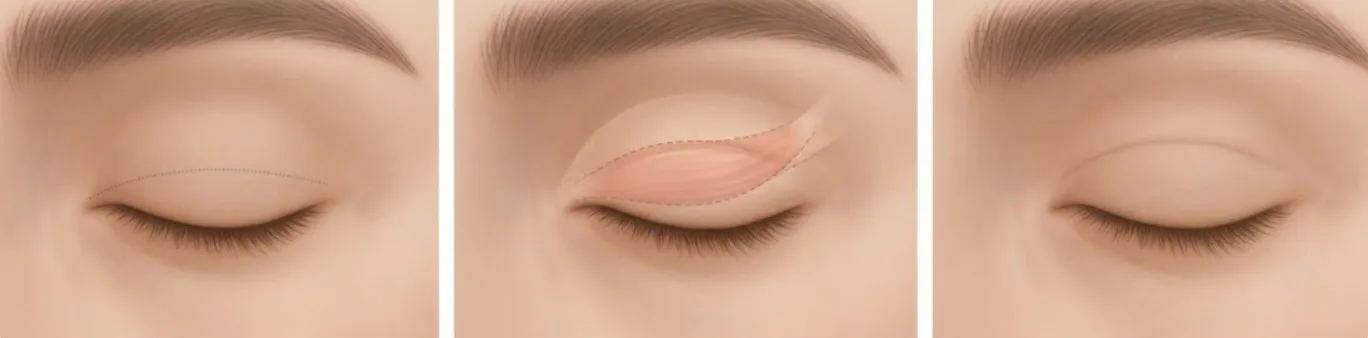
Illustration: through the crease line, the muscle that opens the eye (shown beneath the lid) is tightened so the lid rests higher.
The one moment people do feel is the very start, when the local anaesthetic is injected to numb the area: a brief sting or pressure that passes within seconds. After that the lid is numb and the operation itself is comfortable. Knowing this in advance takes a lot of the worry away: the part you are anxious about, the surgery itself, is the part you feel least.
Anaesthesia
How the eyelid area is numbed
Ptosis correction is done through a fine incision in the lid crease, and the area is numbed with local anaesthetic so the surgery is not felt as pain. The numbing is what does the work of keeping you comfortable: once it has taken effect, the surgeon can operate while you feel only pressure and movement. The exact anaesthesia approach for your case, including whether any light sedation is offered to help you relax, is decided with you because the right plan depends on your procedure and on how anxious you feel.
This is a question worth raising directly with your surgeon: ask what anaesthesia they use, whether you will be awake, and what they will do to keep you comfortable. A clear, specific answer is part of a good consultation. You can ask all of this before you travel in an online consultation, so you arrive knowing exactly what to expect.
Staying awake
Why you may be asked to open your eyes during surgery
One thing that surprises people about ptosis correction is that you are often awake and asked to open and close your eyes part-way through. This is deliberate and is the whole point. Ptosis correction is about setting the eye-opening muscle to exactly the right strength so the lid sits at the correct height and both eyes match. The only way to check that precisely is to watch how your lid actually moves when you open your eyes, which means you need to be awake enough to cooperate.
So during the operation the surgeon may ask you to look up, look down, or open your eyes so he can see where the lid sits and fine-tune the muscle accordingly. It feels strange to be part of the process, but it is genuinely how a symmetrical, natural result is achieved. The lid height is dialled in against your live response, with no guesswork. The area stays numb throughout, so opening your eyes is not painful; it is simply how the surgeon gets the height right. This live adjustment is one reason who performs the surgery matters so much, which the choosing a surgeon guide explains.
Afterwards
What the first days actually feel like
After ptosis correction, the dominant sensations are swelling, some bruising and a tight or heavy feeling around the eyes, with little real pain. The first day or two are when swelling and bruising peak, the lids feel snug, and the eyes may water or feel a little gritty; all of this is expected and temporary. Most patients describe it as uncomfortable and a bit awkward to look at in the mirror more than genuinely painful, and any soreness is usually well managed.
From there it settles steadily. The sutures come out at around seven days, and as the swelling eases the tight feeling fades and the result starts to look more natural. Cold compresses, keeping your head elevated and resting your eyes all help in the early days. For the full week-by-week picture of healing and when you can fly, see the recovery timeline. This page stays focused on pain and comfort.
Managing comfort
How discomfort is kept manageable
Good comfort management is partly about the surgery and partly about the care around it. During the operation, careful local anaesthesia and an unhurried, gentle technique keep you comfortable; afterwards, simple measures (cold compresses, head elevation, rest and any medication your surgeon advises) keep the soreness mild. Knowing what is normal also helps enormously: swelling and tightness feel far less alarming when you have been told to expect them.
Equally important is being able to ask. A clinic where the same surgeon who operated reviews your recovery means that if something feels worse than expected, you can raise it with the person who knows exactly what was done. After you return home, that surgeon can keep reviewing your progress by messenger. That continuity is reassuring precisely because eyelid surgery is delicate. Knowing your questions will be answered by the operating surgeon is a real part of feeling comfortable.
At Garnet
How Garnet keeps ptosis surgery comfortable
Garnet is a single-surgeon clinic in Apgujeong, Seoul, where Dr. In-Soo Baek, a board-certified plastic surgeon (Korean medical licence no. 77407), examines your eyelids, performs the ptosis surgery himself and reviews every follow-up. Because he operates personally and the clinic caps the day to a small number of cases, your ptosis correction is unhurried, the lid height is fine-tuned against your live response while you are awake and numb, and the same surgeon is there for your after-care.
How your eyelids will be numbed and how comfort will be managed are agreed with you directly, and follow-ups at 1, 3 and 6 months mean any concern is reviewed by the surgeon who did the work, with continued review by messenger once you are home. If pain is your main worry, the most reassuring first step is to ask: send your questions and photos in an online consultation and you will get straight answers before you plan a trip.
Real Results
Before & After
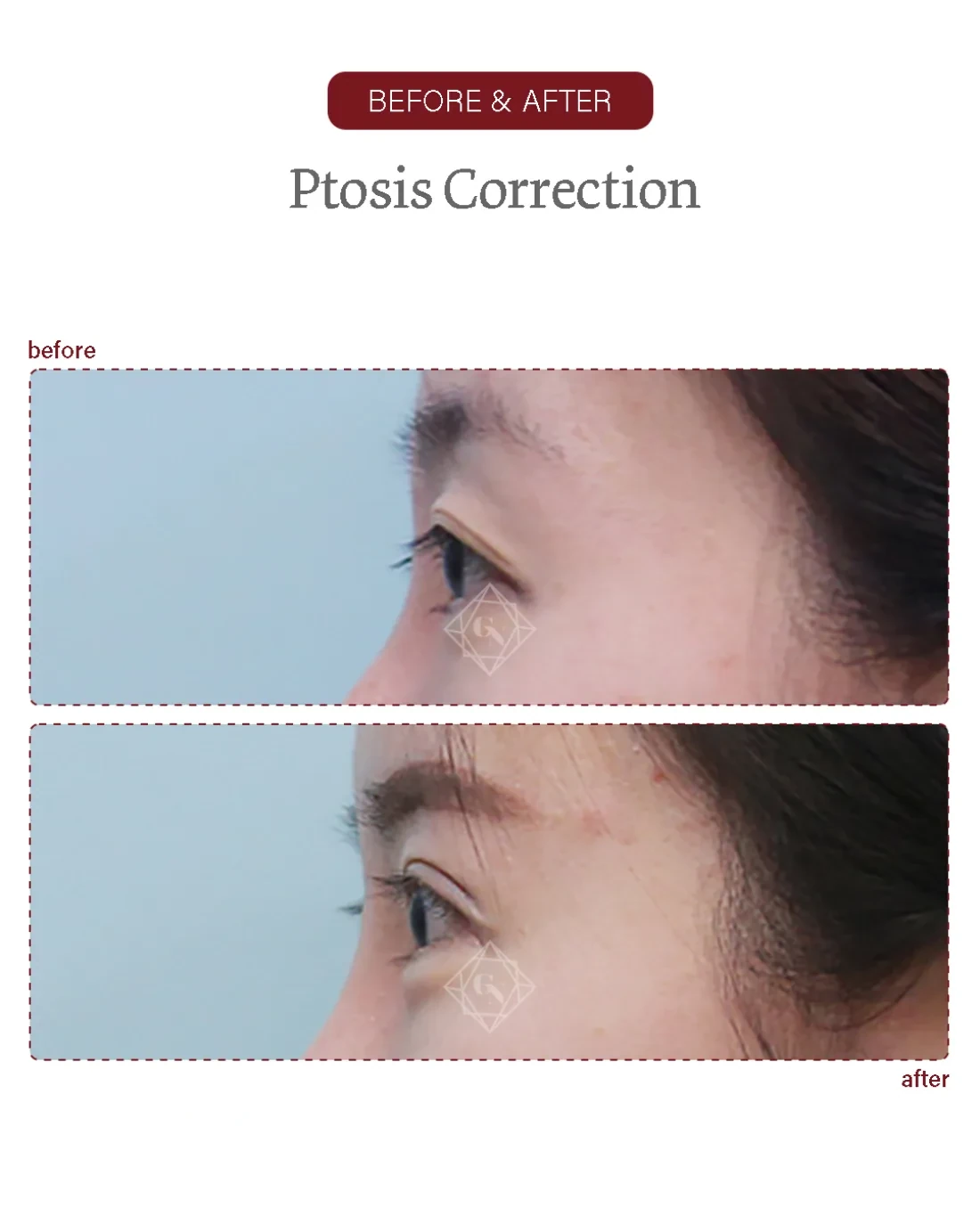
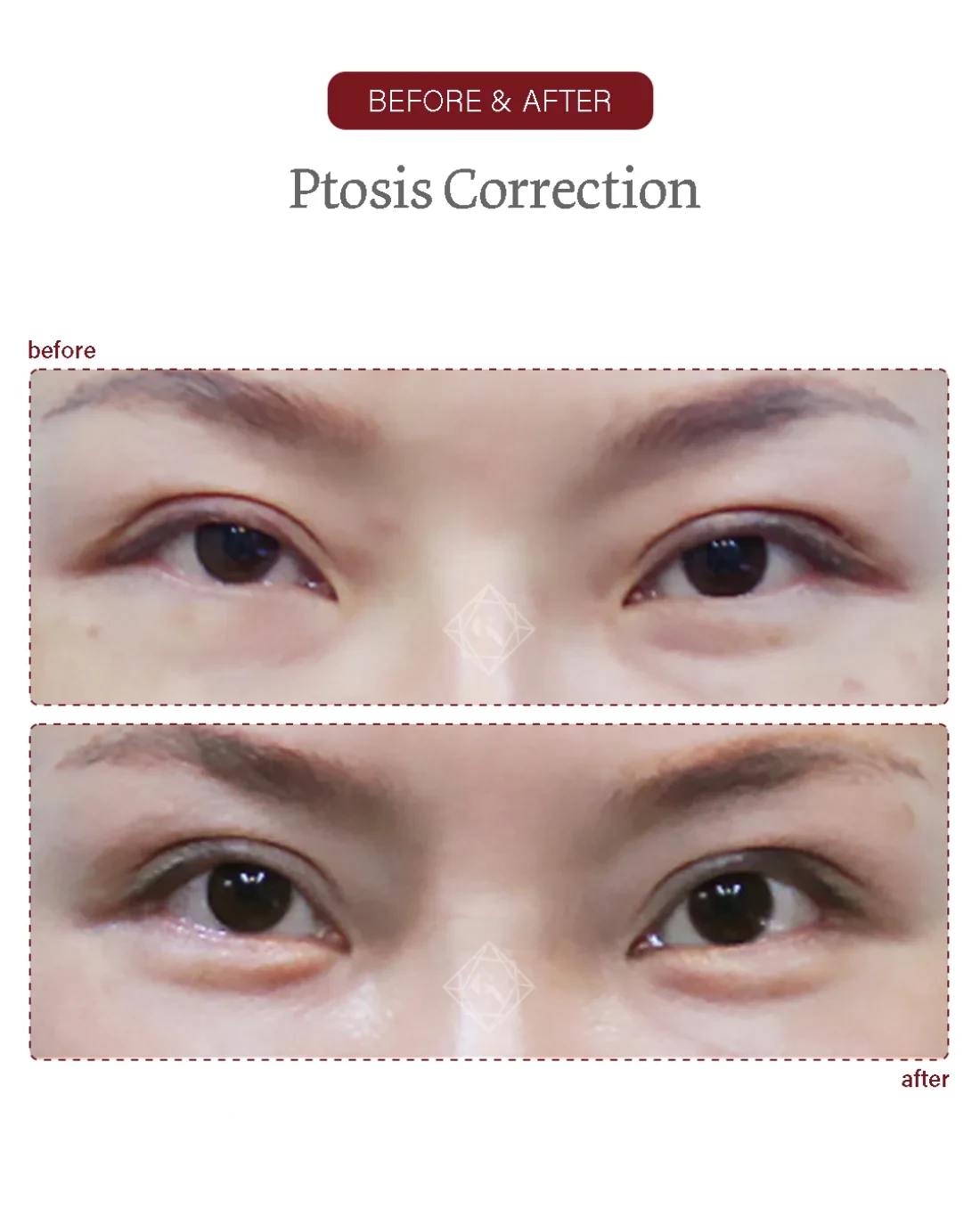
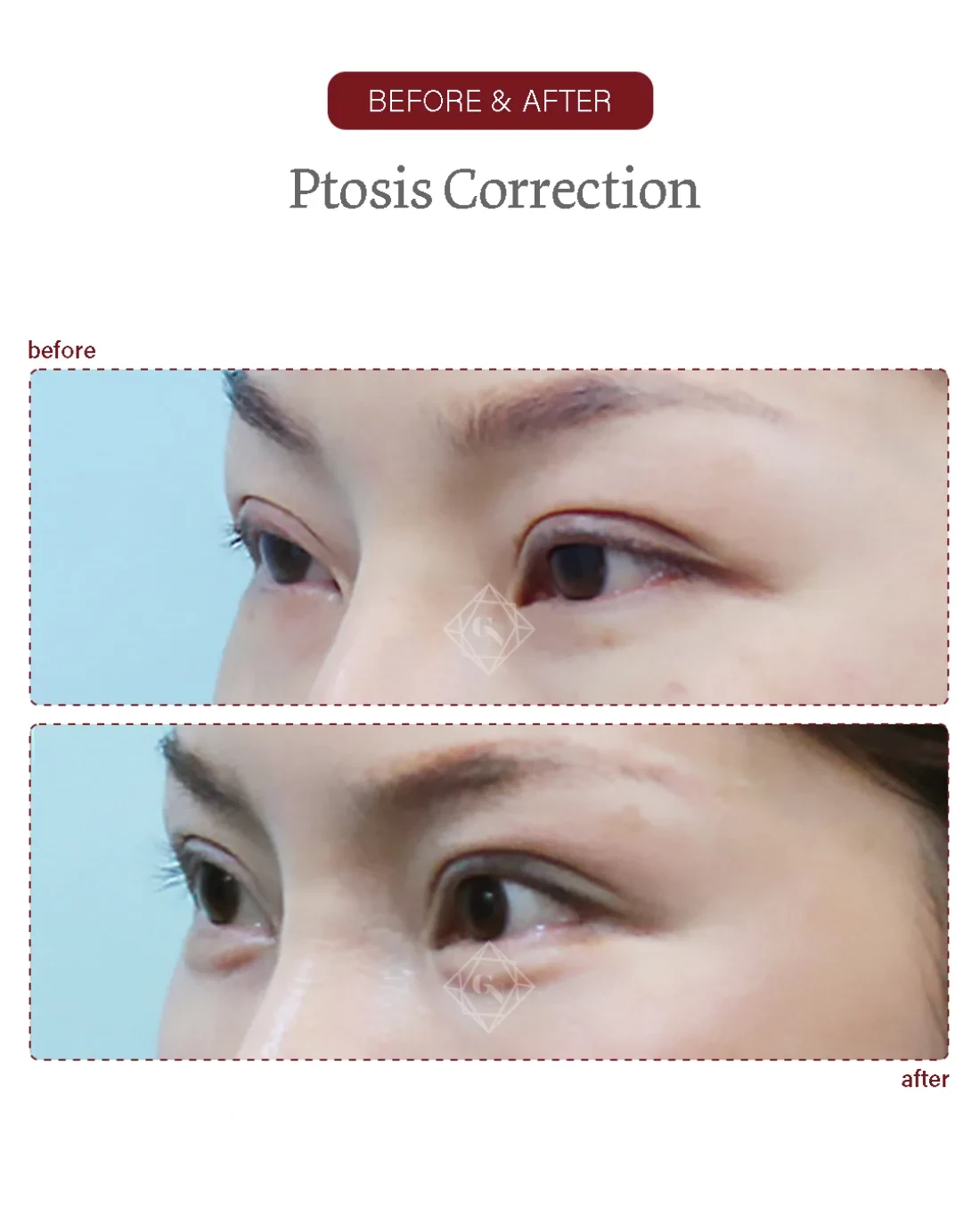
Ptosis-correction before/after examples of actual Garnet patients (published with consent). Results, recovery and suitability vary by individual and are not guaranteed; the right approach is decided at an in-person consultation.
Dr. In-Soo Baek
Director & sole operating surgeon
Korean medical licence no. 77407
Operate on what you came for. Trained at Korea University Medical Center. Every case planned, performed and reviewed by the same hands.
1Operating surgeon
~2Surgeries per day
7Registered techniques
Board-certified plastic surgeon
Plastic surgery training at Korea University College of Medicine & graduate school
Korean Society of Plastic and Reconstructive Surgeons member, in its facial-contour, eye & rhinoplasty groups
Consults, operates and follows up each case himself
Peer-reviewed papers behind the facts on this page. Each describes findings in its own study group — not results at Garnet — and none predicts your own outcome.
Hauck M et al. Ptosis Repair. Facial Plastic Surgery. 2013. doi:10.1055/s-0033-1333831
Pimentel de Figueiredo AR. Blepharoptosis. Seminars in Ophthalmology. 2010. doi:10.3109/08820538.2010.496695
Finsterer J. Ptosis: Causes, Presentation, and Management. Aesthetic Plastic Surgery. 2003. doi:10.1007/s00266-003-0127-5
FAQ
Common questions
Is ptosis correction painful?
For most people, no; it is generally well tolerated. Once the eyelid is numbed with local anaesthetic, the surgery is felt as pressure and gentle tugging without sharp pain. The brief sting is when the numbing is given. Afterwards there is mild soreness, swelling and a tight feeling, with little significant pain, and it settles steadily.
What anaesthesia is used for ptosis correction?
The eyelid area is numbed with local anaesthetic so the surgery is not felt as pain, and light sedation is sometimes offered to help you relax. The exact plan is agreed with you because it depends on your procedure and how anxious you feel, so it is worth asking your surgeon directly what they use.
Will I be awake during ptosis correction?
Often yes, and for a good reason. Ptosis correction sets the eye-opening muscle to the right height, and the surgeon checks this by watching how your lid moves when you open your eyes. Being awake enough to open and close your eyes on request is how a symmetrical, natural result is achieved. The lid stays numb throughout, so this is not painful.
Why does the surgeon ask me to open my eyes during surgery?
Because the only way to set the lid to exactly the right height is to see how it actually moves when you open your eyes. The surgeon may ask you to look up, look down or open your eyes so he can fine-tune the muscle against your live response. It feels unusual, but it is precisely how a balanced, natural result is achieved.
Does the numbing injection hurt?
There is a brief sting or pressure when the local anaesthetic is given, which passes within seconds. After that the lid is numb and the operation itself is comfortable. This first moment is the part most patients actually feel; the surgery that follows is the part they feel least.
How much does it hurt after ptosis correction?
The first day or two bring swelling, bruising and a tight, heavy feeling around the eyes, with little significant pain. Most patients describe it as uncomfortable and a little awkward to look at, not genuinely painful, and any soreness is usually well managed with cold compresses, head elevation, rest and any medication your surgeon advises.
How long does the discomfort last?
The tight, swollen feeling peaks in the first day or two and then eases steadily. Sutures come out at around seven days, and as the swelling settles the tightness fades and the eyes feel more normal. Everyone heals at a slightly different pace, but most people find the discomfort mild and short-lived.
Can I take something for the soreness?
Yes. Your surgeon will advise what is suitable, and simple measures like cold compresses, keeping your head elevated and resting your eyes make a real difference in the early days. Because the soreness is usually mild, most patients need very little. Always follow the specific guidance your surgeon gives for your case.
What if it hurts more than expected after I go home?
Tell the surgeon who operated on you. At a single-surgeon clinic the operating surgeon manages your recovery and can continue to review you by messenger after you travel home, so an unexpected change is assessed by the person who knows exactly what was done, with clear guidance on what to watch for and when to seek local care.
Can I ask about pain and anaesthesia before flying to Korea?
Yes, and it is a good idea. You can ask what anaesthesia is used, whether you will be awake, and how comfort is managed in an online consultation before you travel, so you arrive knowing exactly what to expect. Clear, specific answers are a sign of a good consultation.
My mom recently had a brow lift and lower blepharoplasty with Dr. Baek, and our experience has been wonderful so far. The Garnet team was incredibly kind and welcoming, with Kelly assisting us as our English consultant—she made everything…
I’m so happy I chose this clinic for my lower blepharoplasty. I was traveling from abroad by myself, so I was a little nervous, but from the beginning I felt comfortable and truly cared for. Everyone was kind, patient, and professional…
Came in for an in-person consult and ended up choosing Garnet and Dr.Baek for my non-incisional DES and tiplasty/alarplasty. I communicated with Kelly (English consultant) from the start till now (3 weeks post-op). She really help me feel…
My under-eyes have been sagging and folding for years... I tried to cover it up with makeup, but it actually got stuck in the wrinkles and made it stand out even more. While going for consultations, I noticed that the bigger the hospital…
Send photos and your question before you travel. An English-speaking coordinator reviews every enquiry and replies with plain guidance on whether ptosis correction is appropriate for your eyelids, the likely plan and timing.
✓ Reviewed by the clinic coordinator, not a bot
✓ Photo-based pre-assessment before you fly
✓ Foreign-patient scheduling & after-care
✓ One surgeon for consultation, surgery and follow-up
Prefer to chat now? Reach the coordinator directly:









 T S7 months ago



