Round eye correction is a tailored reshaping of the eye opening and the lower-lid margin, and it suits some eyes far better than others. Before a consultation it helps to know if you are likely to be a good candidate, what the procedure can realistically change, and when a careful surgeon would tell you it is not the right operation. This page walks through who round eye correction is for, and who it is not, so you arrive at an assessment with clear expectations.
The short answer
Round eye correction suits people who want to soften a rounded, short-looking eye into a longer, calmer almond shape.
It also helps those with mild scleral show, a downturned outer corner, or lower-lid retraction wanting the eyelid margin restored and supported.
It is not for everyone: significant retraction, marked tissue laxity or unrealistic expectations may point to a different procedure or none.
The reliable way to know is an assessment of your eyes. At a single-surgeon clinic the surgeon who assesses you is the one who operates and follows up.
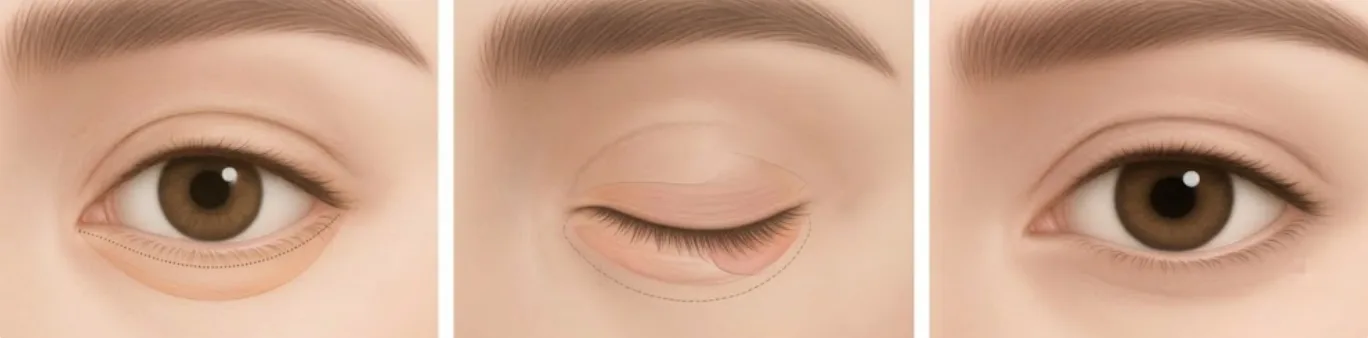
To judge your own candidacy, it helps to be precise about what round eye correction does. It reshapes the eye opening and, in many cases, addresses the position of the lower-lid margin. A common goal is to soften an eye that looks too round or short, turning a more open, circular appearance into a longer, calmer almond shape, by adjusting the outer corner and the lower-lid line so the eye reads as gentler and more balanced.
Illustration: the rounded, open lower-lid line is outlined and gently brought back toward a calmer, more natural eye shape.
The other major role is corrective. Some eyes show a strip of white below the iris, known as scleral show, or have a lower lid that sits too low or is pulled downward, sometimes naturally and sometimes after previous eye surgery. Here the aim is to lift and support the lower-lid margin back to a natural position, restoring both the look and the eye's protection. This trademarked round-eye and lower-lid retraction correction is therefore as much about the lid's position and support as about shape.
Because it works on the same delicate area, candidacy often overlaps with related eye procedures, and the right plan may combine or substitute approaches. Understanding what the procedure changes is the first filter; the sections below help you see where your own eyes are likely to fall. For the operating-day experience and recovery framing, the pain and anaesthesia guide is a useful companion.
Good candidate
Who is a good candidate for round eye correction
You are likely to be a good candidate if you have a rounded or short-looking eye and want a softer, longer almond shape. Patients in this group often feel their eyes look too open, too circular or slightly startled, and want a calmer, more horizontally balanced appearance without changing who they are. Because the change is one of shape and proportion, the most natural outcomes come from people seeking refinement. A completely different eye is not what the procedure offers.
A second strong group are those bothered by a downturned outer corner or a sense that the outer eye droops, where gently lengthening and reshaping the outer aspect lifts the overall expression. People who have had earlier eye surgery that left the eye looking rounder or the lower lid lower than they wanted can also be candidates, provided the tissue is healthy enough to reshape and support, which is assessed individually.
In all of these, good general eye health matters: healthy tear function, no active eye disease, and lower-lid tissue with enough integrity to hold a new position. A board-certified plastic surgeon checks these at consultation. If your main concern is the eyelid crease or upper-lid skin, and shape and lower-lid position matter less to you, a different eye procedure may suit you better, and a careful surgeon will say so.
Lower-lid cases
Lower-lid retraction and scleral show
A distinct group of candidates come specifically because of lower-lid retraction or scleral show: the lower lid sits too low, exposing white beneath the iris, so the eye can look rounder, more tired or slightly pulled down. This may be something you were born with, or it may have appeared after previous lower-eyelid surgery that took away too much support. For these patients the goal is to restore the lower lid to a natural, supported position.
This is the more technically demanding side of round eye correction, because the lid must be lifted and supported without becoming too tight, and it must still close and protect the eye fully. The amount of support needed varies a great deal between patients, which is why scope, and therefore the plan, is so individual. Mild retraction is often a strong indication for the procedure; more severe retraction may need a more involved reconstruction or a staged approach, which the surgeon will explain plainly.
If your concern is this lower-lid position more than overall shape, you are exactly the kind of case the procedure was designed around. The assessment is still essential, because the difference between mild and significant retraction changes everything about the plan. You can begin with photos in an online consultation so the surgeon can give an early sense of your suitability before you travel.
Not for everyone
Who round eye correction is not for
Just as important as who suits the procedure is who does not. Severe lower-lid retraction with significant tissue loss, marked laxity or scarring from multiple previous operations may be beyond what a standard round eye correction can safely achieve, and may need a more extensive reconstruction or a different specialist plan. A careful surgeon will tell you this and will not promise a result the anatomy will not support.
Active eye conditions (significant dry eye, certain lid or tear-duct problems, or untreated eye disease) can make surgery on the lower lid unwise until they are managed, because the lid's role in protecting the eye matters more than its appearance. People seeking a dramatic change of identity, or who want their eyes to look like someone else's, are also poorly served. Round eye correction refines your own eye and does not replace it.
Finally, expectations matter as much as anatomy. If you expect a perfectly symmetrical, swelling-free result the week after surgery, or are not in a position to commit to follow-up, the timing may not be right. Garnet's stated approach is to address only what you came for and not over-recommend, so being told you are not a candidate, or that a smaller change suits you, is a sign of a careful assessment, covered further in the guide on your first consultation.
Expectations
Setting realistic expectations
Good candidacy is partly about anatomy and partly about expectations. Round eye correction changes the shape and balance of the eye opening and the position of the lower lid; it does not erase ageing elsewhere, change eye colour, or guarantee perfect symmetry, because no two eyes are identical to begin with. The most satisfied patients want their own eyes to look softer, calmer or better supported, while still looking like their own face.
It also helps to expect a settling period. The reshaped eye and the lower-lid position settle fully once swelling has resolved over weeks, well after the day the sutures come out, so judging the result early can be misleading. A candidate who understands this, and who values a natural outcome that holds up over time, is in a much better position than one chasing an immediate dramatic change.
Because the lower lid is functional as well as cosmetic, realistic expectations also include accepting the surgeon's judgement about how much support is safe. Slightly less correction that keeps the eye comfortable and protected is a better result than an aggressive change that compromises how the eye closes. The cost guide explains why this individual scope is also why there is no single price.
How it's decided
How candidacy is actually decided
Candidacy is ultimately decided by examination of your eyes. Reading a page cannot settle it. A board-certified plastic surgeon assesses your eye shape, the position and support of the lower-lid margin, the presence and degree of any scleral show or retraction, the quality and laxity of the surrounding tissue, your tear function, and the effect of any previous surgery. From that picture the surgeon decides whether round eye correction suits you, and if so what it should involve.
At a single-surgeon clinic this assessment carries more weight, because the surgeon who examines you is the same one who will operate and follow you up. There is no handoff between the opinion and the operation. Dr. In-Soo Baek is a board-certified plastic surgeon (Korean medical licence no. 77407) and Garnet's only operating doctor, so the candidacy judgement and the surgery are made by the same person.
You do not have to fly to Korea to begin. Sending photos for an online pre-assessment lets the surgeon give an early view of your likely suitability and what would be involved, with no consultation or CT fee and no pressure to book, before the in-person consultation in Seoul confirms the plan.
Real Results
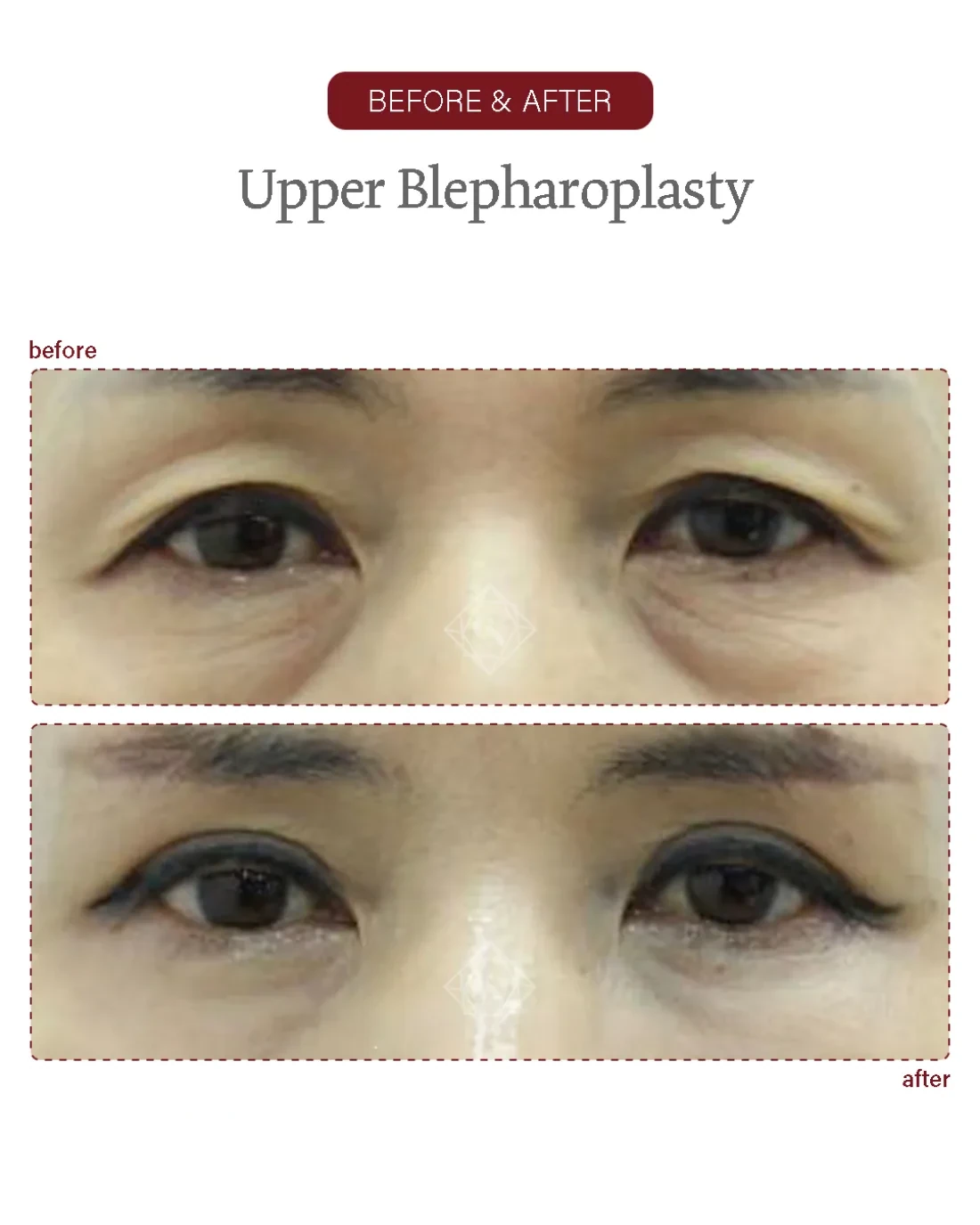
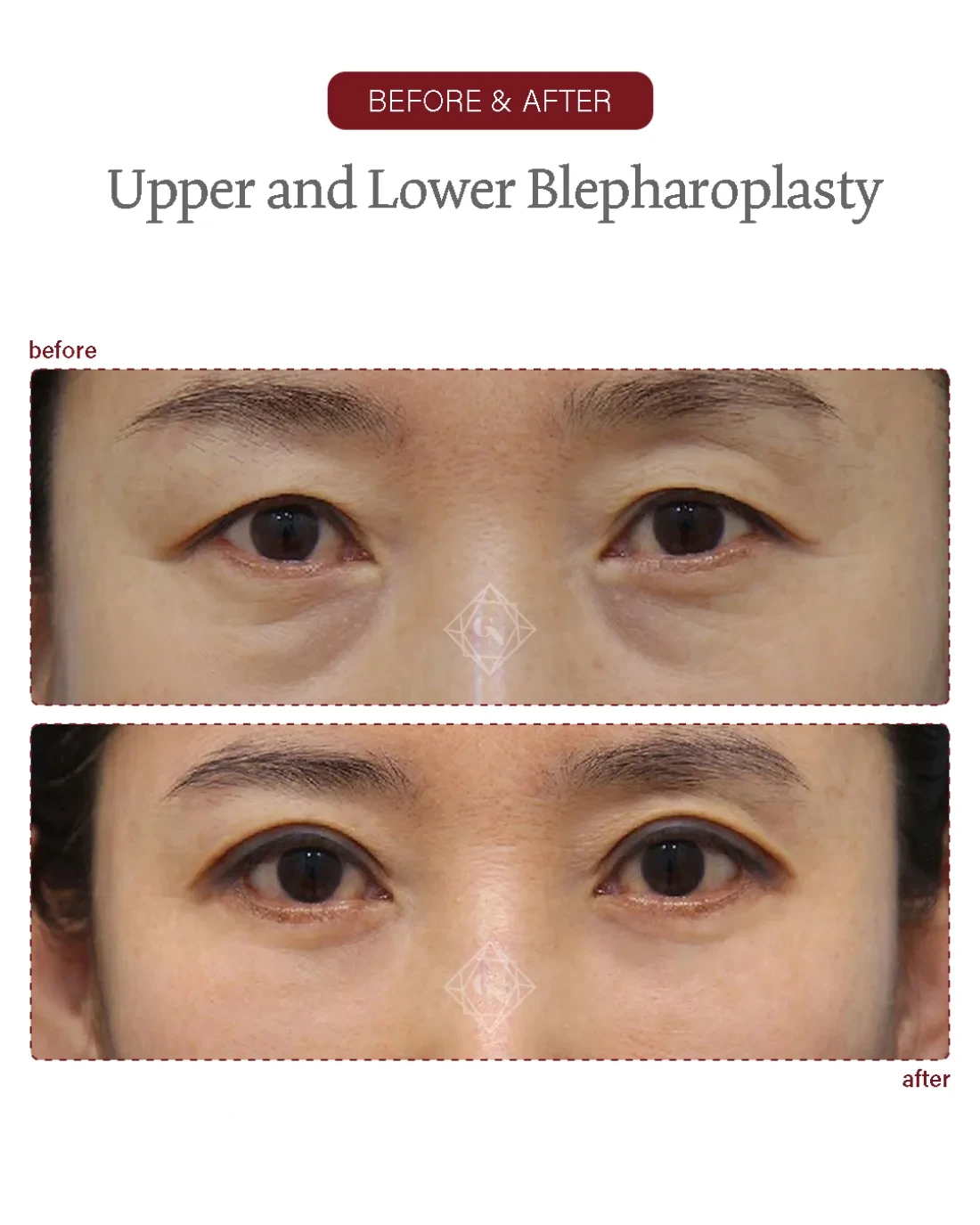
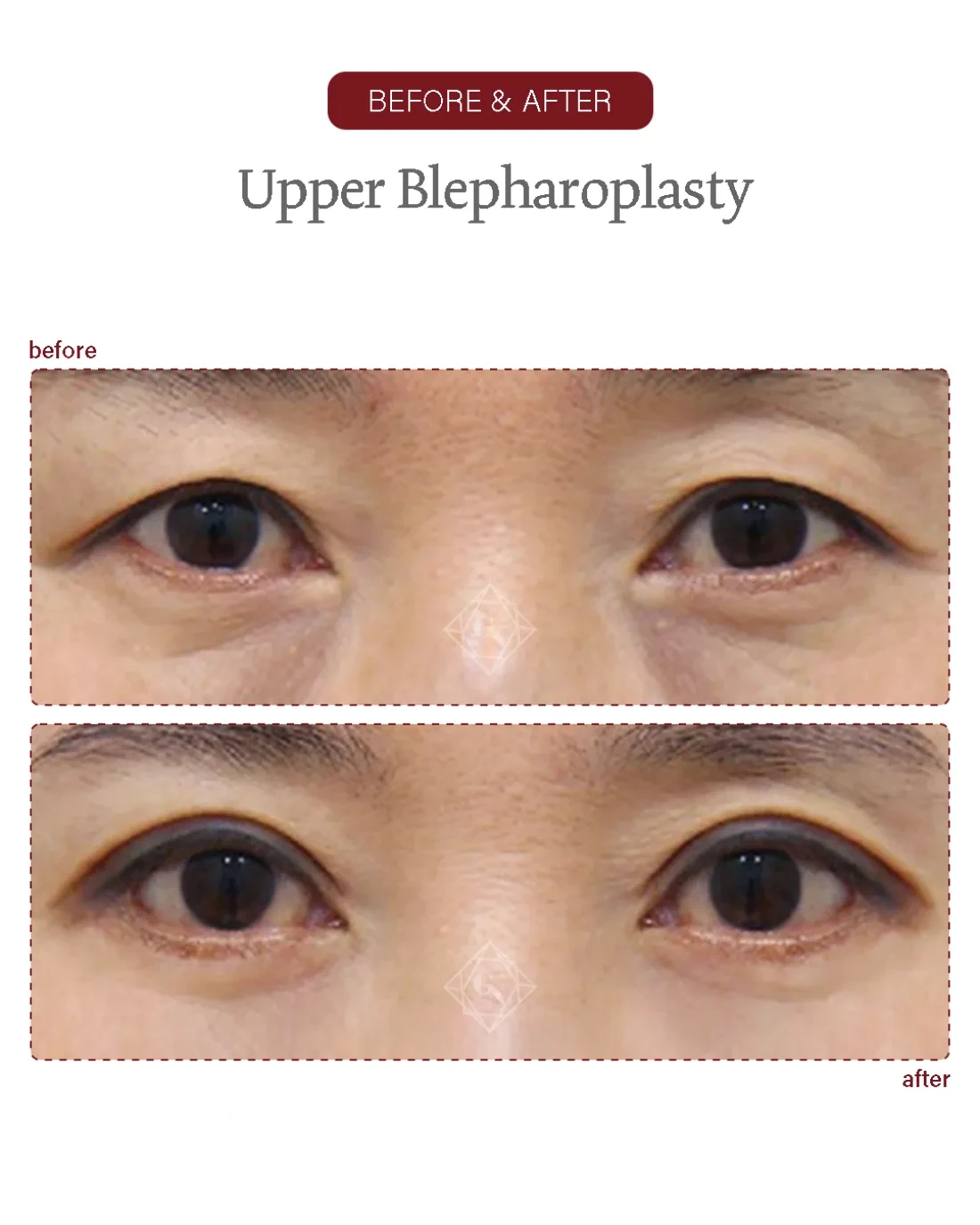
Before & After
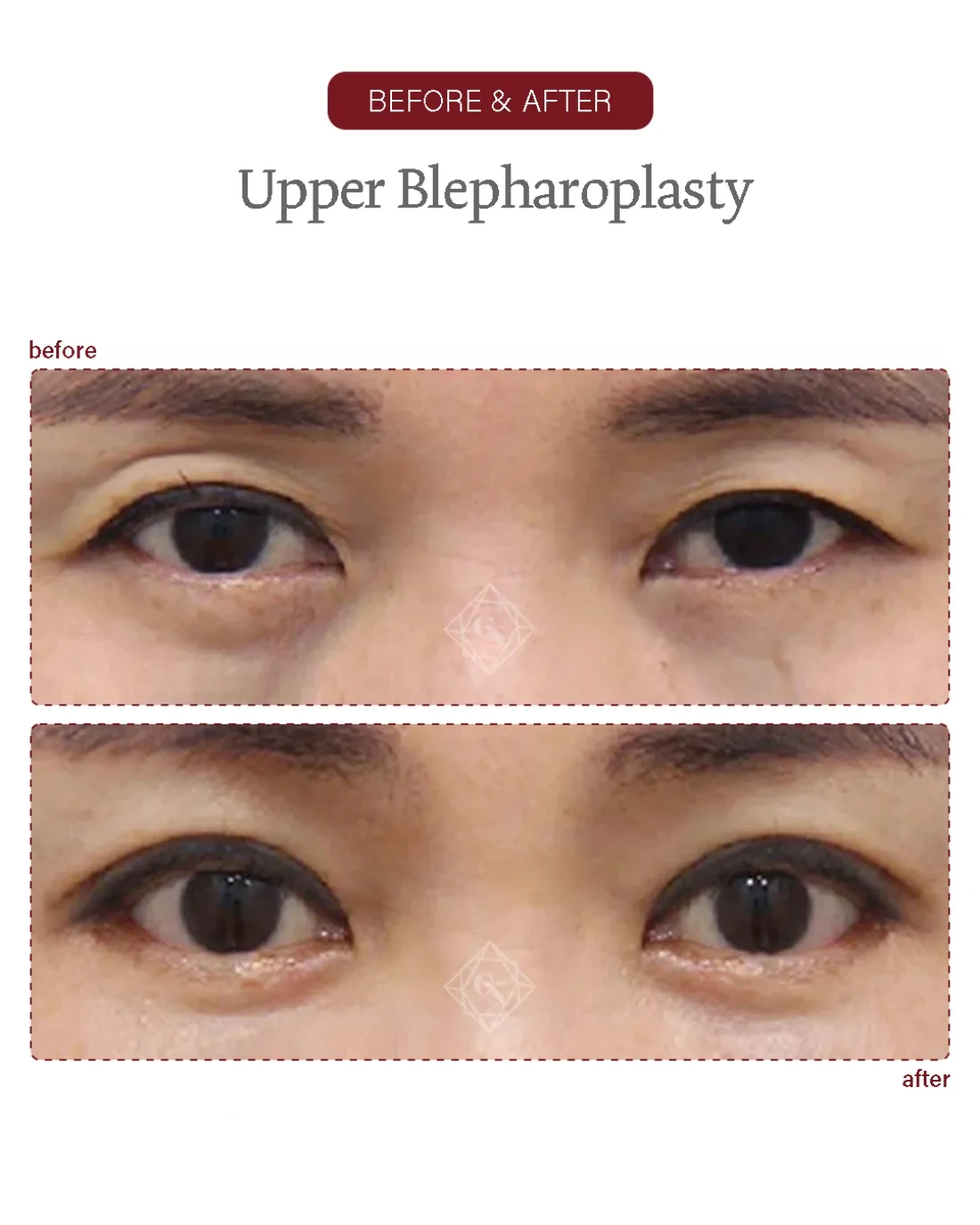
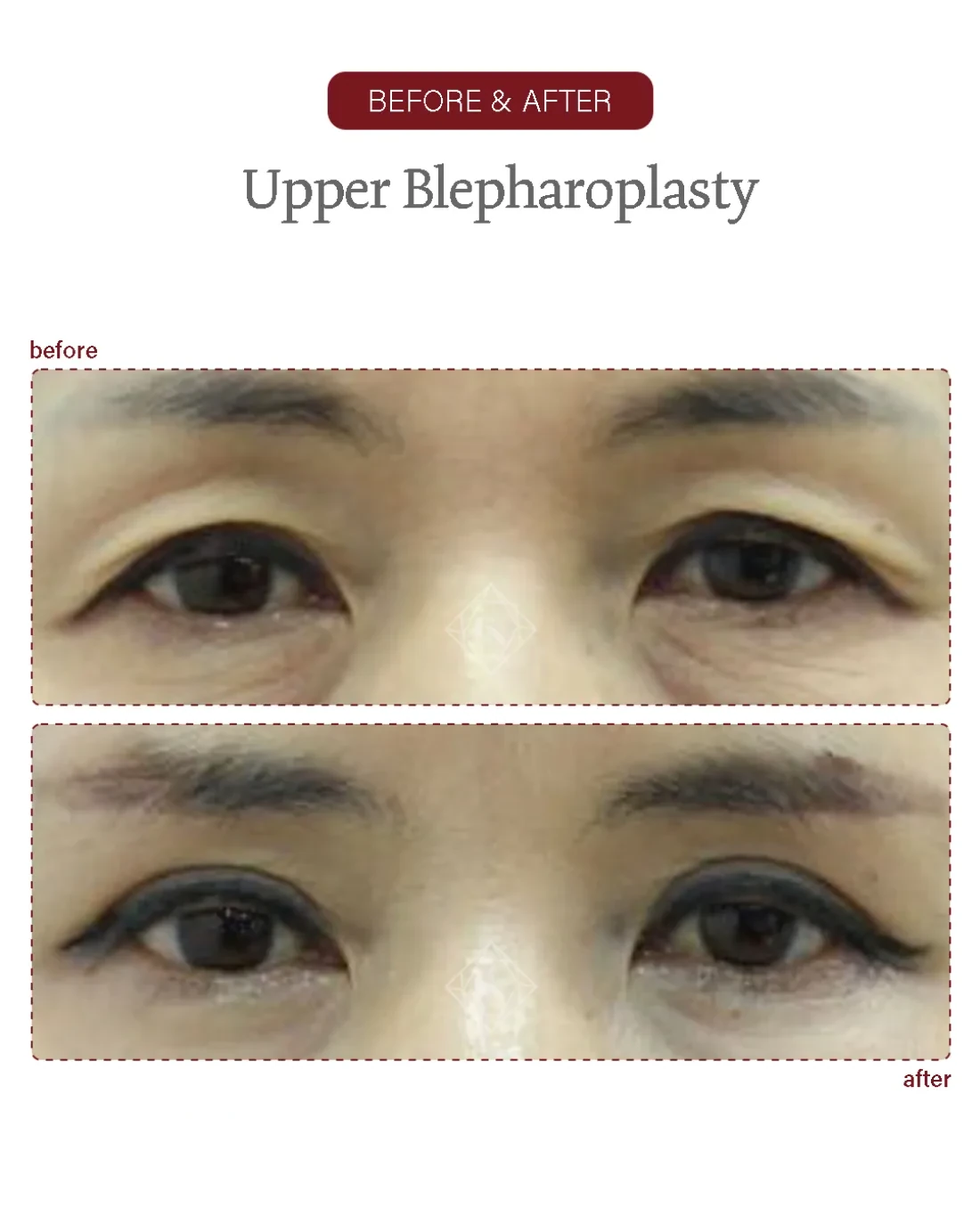
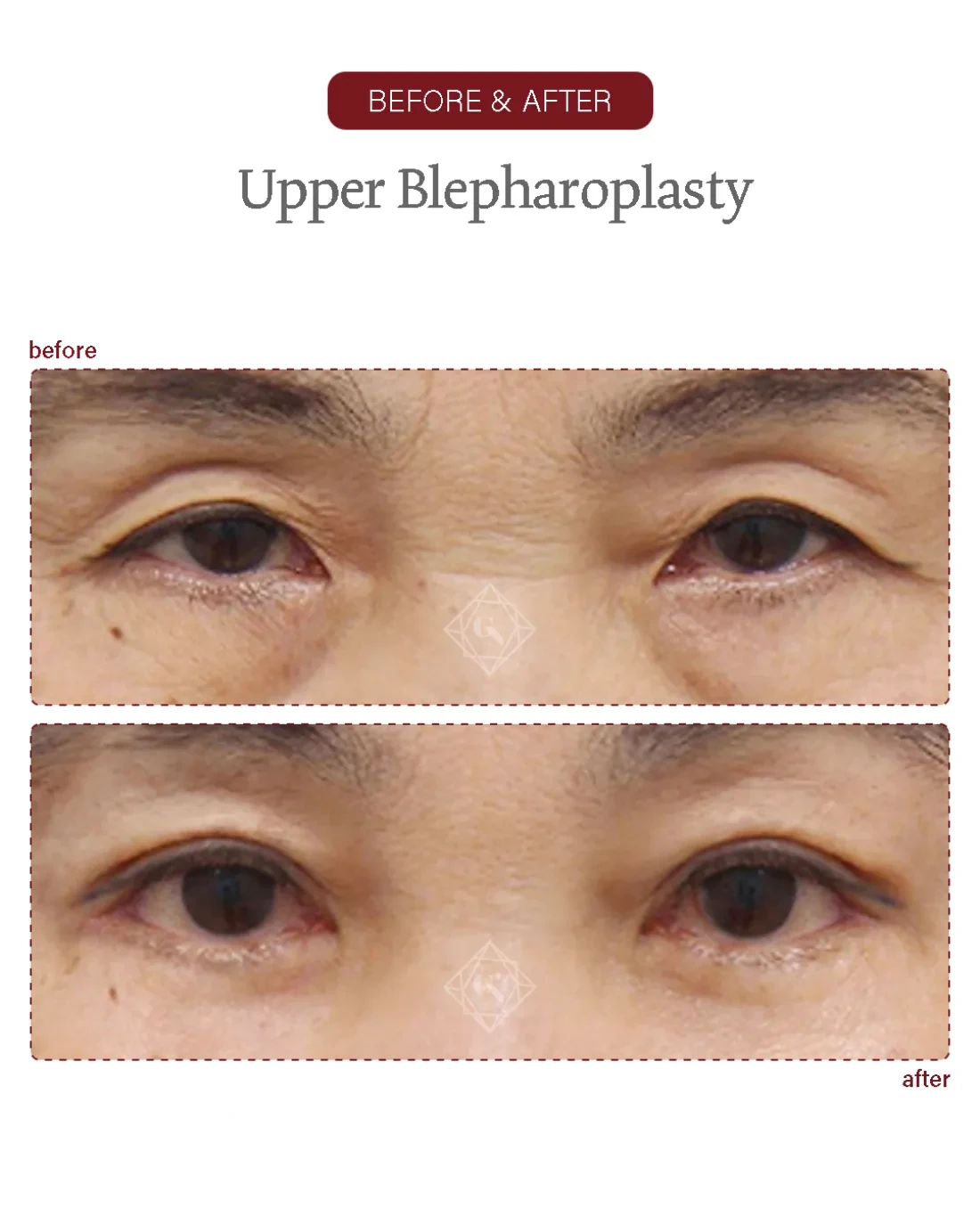
Eyelid before/after examples of actual Garnet patients (published with consent). Results, recovery and suitability vary by individual and are not guaranteed; the right approach depends on an in-person examination.
Prices
Price at Garnet
Lower blepharoplasty
From₩3,500,000 + VATExcluding VAT (10% VAT is added at payment)Book now
Same price as Korean patients. Prices shown exclude 10% VAT; your written quote, issued after the in-person consultation, shows the full amount payable.
Dr. In-Soo Baek
Director & sole operating surgeon
Korean medical licence no. 77407
Operate on what you came for. Trained at Korea University Medical Center. Every case planned, performed and reviewed by the same hands.
1Operating surgeon
~2Surgeries per day
7Registered techniques
Board-certified plastic surgeon
Plastic surgery training at Korea University College of Medicine & graduate school
Korean Society of Plastic and Reconstructive Surgeons member, in its facial-contour, eye & rhinoplasty groups
Consults, operates and follows up each case himself
Peer-reviewed papers behind the facts on this page. Each describes findings in its own study group — not results at Garnet — and none predicts your own outcome.
McCord CD et al. The Correction of Lower Lid Malposition Following Lower Lid Blepharoplasty. Plastic and Reconstructive Surgery. 1993. doi:10.1097/00006534-199311000-00011
Loeb R. Scleral show. Aesthetic Plastic Surgery. 1988. doi:10.1007/bf01570927
Mackinnon SE et al. The Incidence and Degree of Scleral Show in the Normal Population. Plastic and Reconstructive Surgery. 1987. doi:10.1097/00006534-198707000-00003
FAQ
Common questions
Who is a good candidate for round eye correction?
Good candidates have a rounded or short-looking eye and want a softer, longer almond shape, or are bothered by a downturned outer corner. Patients with mild scleral show or a lower lid that sits too low, sometimes after previous surgery, are also strong candidates, where the goal is to restore and support the lower-lid margin. Healthy tear function and lower-lid tissue with enough integrity to hold a new position matter too.
Am I suitable if my lower lid sits too low or shows white below the iris?
Possibly yes. Mild lower-lid retraction or scleral show is one of the main indications for round eye correction, where the aim is to lift and support the lid back to a natural position. The key is degree: mild cases are often well suited, while severe retraction with significant tissue loss may need a more extensive reconstruction. An assessment of how much support your lid needs decides the plan.
When is round eye correction not recommended?
It may not be recommended for severe lower-lid retraction with significant tissue loss or heavy scarring, for active eye conditions such as marked dry eye or untreated eye disease, or where expectations are unrealistic, for example wanting a completely different eye or a perfect, swelling-free result immediately. A careful surgeon will recommend a different procedure, or none, when the anatomy will not support a safe, natural outcome.
Can round eye correction fix a round eye from previous surgery?
Often it can. Eyes that look rounder, or a lower lid that sits lower, after earlier eyelid surgery are a common reason patients seek this correction, provided the tissue is healthy enough to reshape and support. Because the anatomy has already been altered, these cases tend to be more demanding and the plan is highly individual, so a careful in-person assessment is especially important.
Will it make my eyes look completely different?
No, and that is the point. Round eye correction refines your own eye, softening a round shape into a calmer almond form or restoring a low lid to a natural position. It does not replace your eye with someone else's. The most satisfied patients want their own eyes to look gentler, more balanced or better supported. Expecting a subtle, natural change is part of being a good candidate.
Do I need good general eye health to be a candidate?
Yes. Because the lower lid protects the eye, healthy tear function, no active eye disease, and lower-lid tissue with enough integrity to hold a new position all matter. Conditions such as significant dry eye may need managing first. A board-certified plastic surgeon checks these at consultation and will not proceed if surgery would compromise how the eye closes and stays protected.
Is round eye correction the same as a lower eyelid lift?
They overlap but are not identical. Round eye correction focuses on the shape of the eye opening and the position and support of the lower-lid margin (softening a round eye or restoring a retracted lid), whereas some lower-eyelid procedures focus mainly on fat and skin beneath the eye. Which suits you depends on your concern, and the surgeon decides at consultation which approach, or combination, fits.
Can I find out if I'm a candidate before travelling to Korea?
Yes. You can send photos for an online pre-assessment, and a board-certified plastic surgeon can give an early view of how likely round eye correction is to suit you and what it would involve, before you commit to travel. At Garnet there is no consultation or CT fee and no pressure to book, and the in-person consultation in Seoul confirms the final plan.
Who decides whether I should have the procedure?
An examination of your eyes decides it. A board-certified plastic surgeon assesses your eye shape, lower-lid position and support, any scleral show or retraction, tissue quality and tear function. At a single-surgeon clinic the surgeon who examines you is the same one who operates and follows up, so the candidacy judgement and the surgery are made by one accountable person.
My mom recently had a brow lift and lower blepharoplasty with Dr. Baek, and our experience has been wonderful so far. The Garnet team was incredibly kind and welcoming, with Kelly assisting us as our English consultant—she made everything…
I’m so happy I chose this clinic for my lower blepharoplasty. I was traveling from abroad by myself, so I was a little nervous, but from the beginning I felt comfortable and truly cared for. Everyone was kind, patient, and professional…
Came in for an in-person consult and ended up choosing Garnet and Dr.Baek for my non-incisional DES and tiplasty/alarplasty. I communicated with Kelly (English consultant) from the start till now (3 weeks post-op). She really help me feel…
My under-eyes have been sagging and folding for years... I tried to cover it up with makeup, but it actually got stuck in the wrinkles and made it stand out even more. While going for consultations, I noticed that the bigger the hospital…
If you are unsure about round eye correction, send photos for a no-obligation pre-assessment of your candidacy, with no consultation or CT fee and no pressure to book.
Send photos and your question before you travel. An English-speaking coordinator reviews every enquiry and replies with guidance on whether surgery is appropriate, the likely plan and timing.
✓ Reviewed by the clinic coordinator, not a bot
✓ Photo-based pre-assessment before you fly
✓ Foreign-patient scheduling & after-care
✓ One surgeon for consultation, surgery and follow-up
Prefer to chat now? Reach the coordinator directly:









 T S7 months ago



