In an upper blepharoplasty the excess eyelid skin that is removed does not grow back, so the change itself does not reverse. The other side of the answer is that the brow and forehead above the eye keep descending with age, which is what can eventually bring back a heavier lid. Understanding both is the key to realistic expectations.
The short answer
Upper blepharoplasty is one of the longest-lasting eye procedures. The redundant skin that is removed does not grow back, so for many people the improvement holds for a decade or more.
The change itself does not reverse, but the brow and forehead keep descending with age, and that gradual descent, with no regrowth of eyelid skin involved, is what can eventually make a lid look heavier again.
How long it looks its best is individual: skin quality, age, brow position, sun exposure, weight change and smoking all shape the pace.
If ageing eventually calls for it, some people have a small second tidy-up or address the brow itself many years later; many never need anything further.
Upper blepharoplasty is widely regarded as one of the longest-lasting facial procedures, and most people who have it enjoy a lighter, more open upper eyelid for a very long time, often a decade or more. The reason is simple: the surgery removes redundant eyelid skin, and skin that has been removed does not grow back. There is no top-up schedule; the change itself is durable. Even so, a single exact number of years would be misleading, because how long it looks its best is genuinely individual.
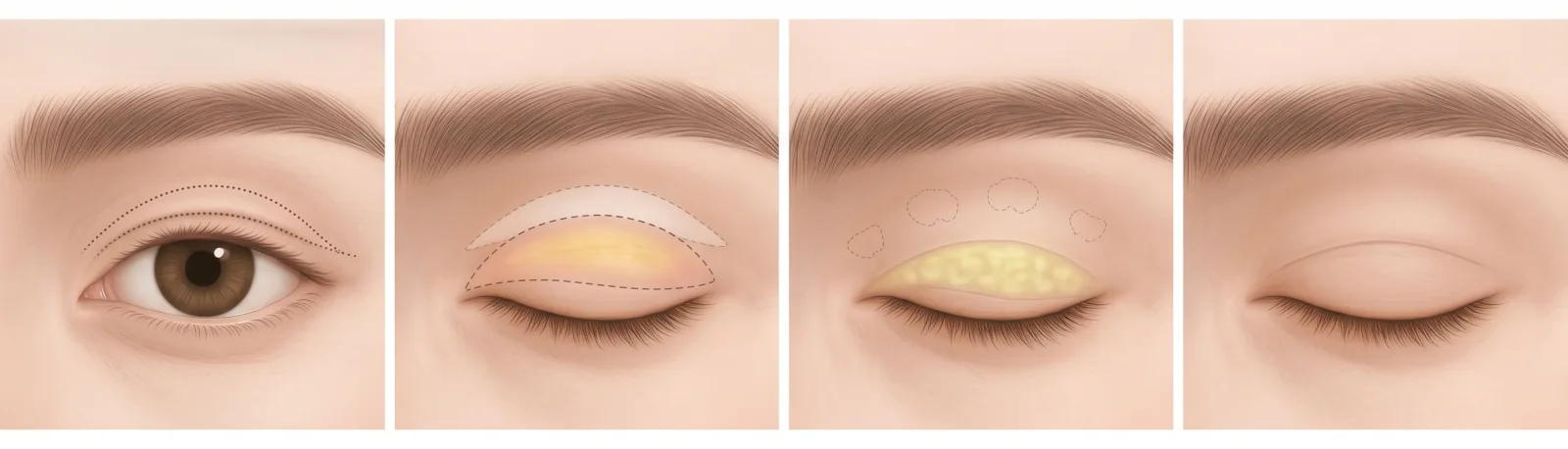
Illustration: the planned crease is marked, the excess upper-lid skin and selected fat pads are addressed through that line.
In practice an upper blepharoplasty resets the lid to a fresher, less hooded starting point, and you then age forward from there at your own natural pace. The improvement holds well precisely because tissue is removed, which a temporary tightening cannot match. There is nothing to fade or dissolve.
A fixed expiry date is the wrong picture. It is more accurate to think of a lasting reset that the brow, forehead and upper lid then age around. If you are still weighing whether the heaviness is skin or something else, our guide comparing upper blepharoplasty and ptosis correction explains which problem each surgery actually solves.
Why lasting
Why the removed skin does not return
The durability comes from what the surgery actually does. In an upper blepharoplasty at Garnet, the excess skin is excised through a fine incision hidden in the natural lid crease, and the underlying tissue is tidied. Because the redundant skin is removed outright, there is no tension quietly relaxing over time and no volume to dissolve. This is the precise sense in which the change lasts: the excess simply is not there anymore.
That is quite different from a non-surgical tightening, which can relax within a year or two because it relies on stimulating the skin without removing any. By excising the redundant fold and refining the crease in one planned operation, a well-performed upper blepharoplasty corrects the actual cause of a hooded lid, and a fold that has been removed does not quietly return the way a temporary treatment fades.
Because the correction is a measured removal, careful surgery matters for how it ages. Taking too much skin can leave the eye looking tight or unable to close comfortably, while a conservative, precise excision ages more naturally and preserves normal lid function. The durability you are really investing in lies in that judgement, which is one reason the cost of the procedure reflects the surgeon and the time each case is given.
The brow
Why a lid can feel heavy again over the years
The change itself does not reverse, but the brow and forehead above the eye keep descending with age. Over many years the eyebrow gradually drops and the forehead softens, and that descent can push tissue down onto the lid, so the eye can begin to feel heavier again. The eyelid skin is not regenerating. The whole upper face is maturing around a result that is still there.
This distinction changes how you plan. Sometimes what looks like the surgery wearing off many years later is actually brow descent, which is a different problem and, if it matters to you, is addressed differently: by lifting the brow instead of re-doing the lid. A good surgeon assesses brow position at the first consultation precisely because it shapes both the result and how long the lid stays looking open.
The right way to picture it is comparative. Years after your upper blepharoplasty you will still tend to look fresher and less hooded than you would have without it, because you aged forward from a lighter lid. An eyelid lift can be worthwhile without being permanent. A lasting improvement that the surrounding face slowly ages around is exactly what this procedure is designed to give.
What affects it
What affects how long an upper blepharoplasty lasts
Several individual factors shape how long the result looks its best. Skin quality and age at surgery matter most: firmer, more elastic skin and a well-supported brow tend to hold longer, while a low or heavy brow at the outset means descent can catch up sooner. Genetics also set the natural pace: the rate at which your brow and forehead would have aged anyway continues after surgery.
Lifestyle matters more than people expect. Heavy sun exposure, significant weight fluctuation and smoking all accelerate skin ageing and can shorten how long the lid looks its freshest. Protecting the delicate eyelid skin from the sun, keeping your weight stable and not smoking will not stop the brow from descending, but they meaningfully help the skin quality of the result last.
The surgery itself is a factor too. A conservative, precise excision that respects lid function ages more naturally than an aggressive one, and assessing the brow properly beforehand affects how long the lid stays open. If you want to know how the result unfolds in the first weeks, our guide to when you will see results covers the early timeline that leads into this long-term picture.
Later on
A second procedure later on
When ageing eventually catches up, often only after a decade or more, the path depends on what has actually changed. If it is genuine skin laxity returning, a small, conservative second tidy-up of the lid may be considered. If it is the brow that has descended, addressing the brow itself is usually the more logical step. Many people, though, never need anything further at all.
Because the first operation removed excess skin conservatively and preserved normal lid closure, later options tend to stay open and straightforward. A precise, unhurried initial excision leaves healthy tissue and a well-placed crease, which makes any future refinement, whether to the lid or the brow, easier to plan cleanly.
There is no schedule you are obliged to follow. Most people simply enjoy the lighter lid and revisit the question years later, if at all. If and when you do, having the same surgeon who assessed your brow and performed the original blepharoplasty makes deciding between a lid refinement and a brow procedure much clearer.
At Garnet
Garnet's approach to a lasting upper eyelid
Garnet is a single-surgeon clinic in Apgujeong, Seoul. Every upper blepharoplasty there is done by Dr. In-Soo Baek, a board-certified plastic surgeon (Korean medical licence no. 77407) and the clinic's only operating doctor. He consults, performs the upper blepharoplasty himself and reviews every follow-up, and the clinic keeps the day to two surgeries so each case has the unhurried time a precise, conservative excision needs. Assessing brow position is part of that first consultation, because it shapes both the result and how long the lid stays open.
Because durability is built during surgery, that unhurried, single-surgeon model is directly relevant to how long your result lasts: the same surgeon judges how much skin to remove, refines the crease and then follows your healing at 1, 3 and 6 months, and by messenger after you fly home, so the lid settles as intended. International visitors are looked after under Garnet's registration in Korea's foreign-patient programme.
If you would like a realistic view of how long an upper blepharoplasty could last for your eyes specifically, and whether your heaviness is lid skin or brow descent, the ideal first step is a no-obligation online assessment. Send photos and get a clear answer before you plan any travel.
Real Results
Before & After
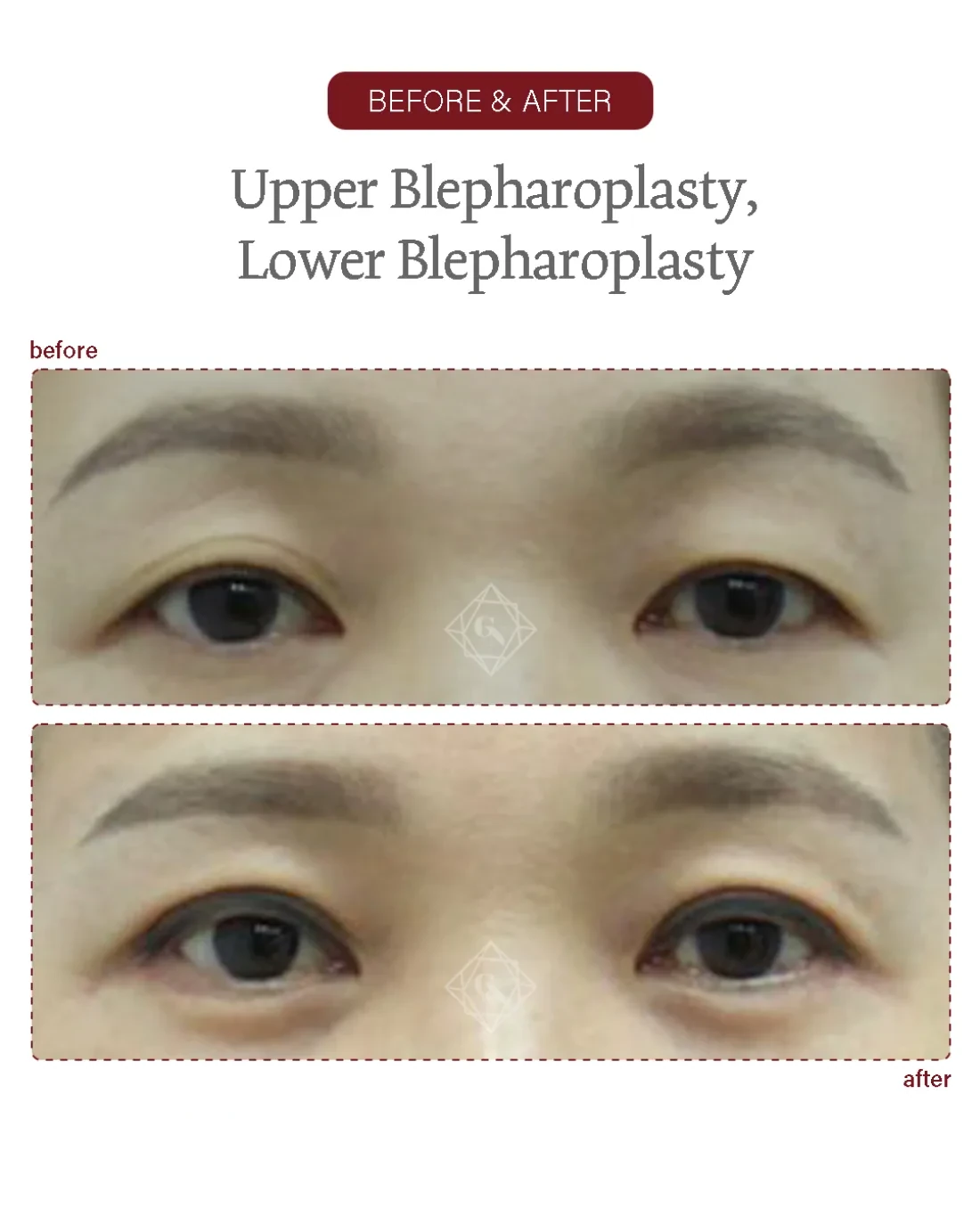
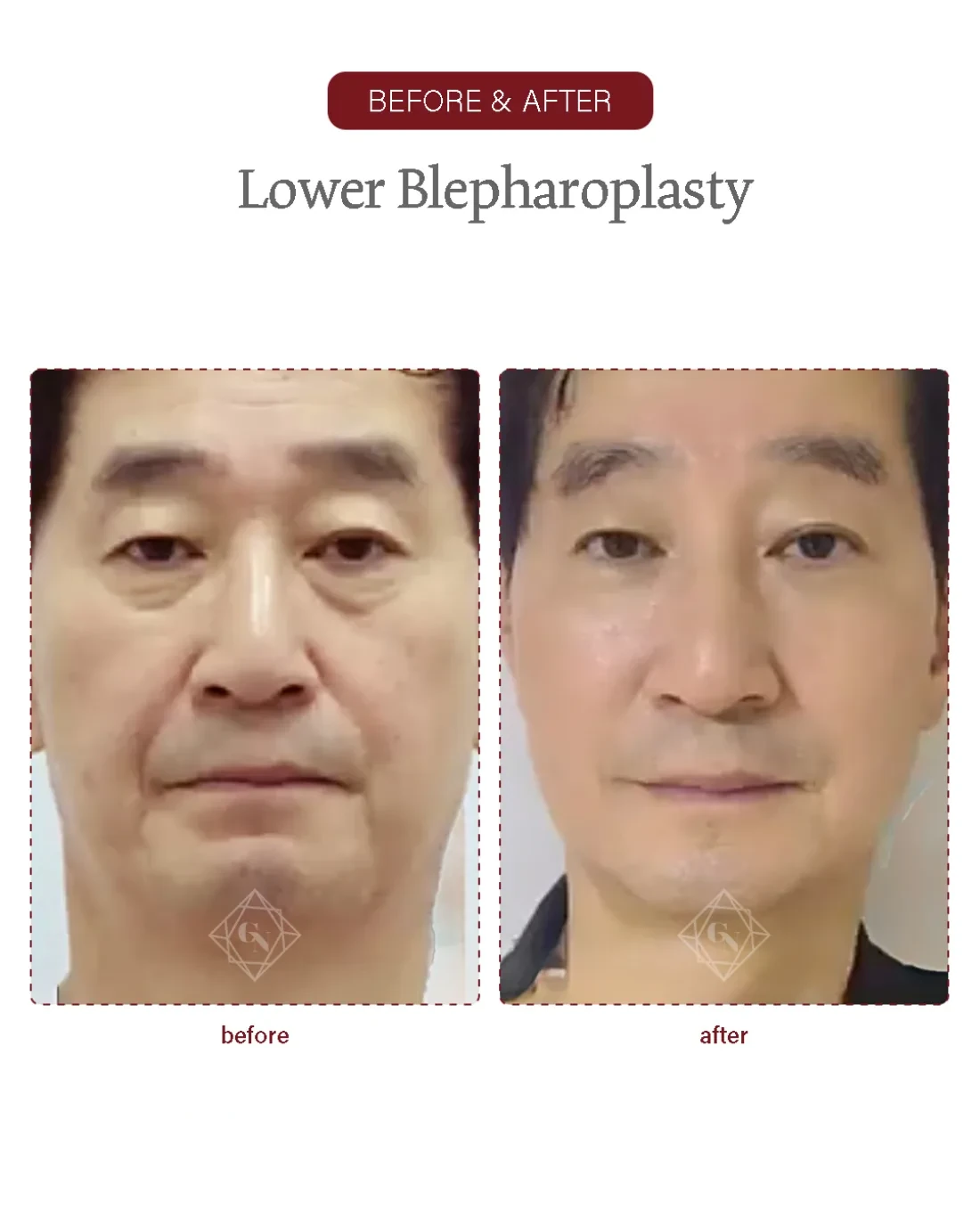
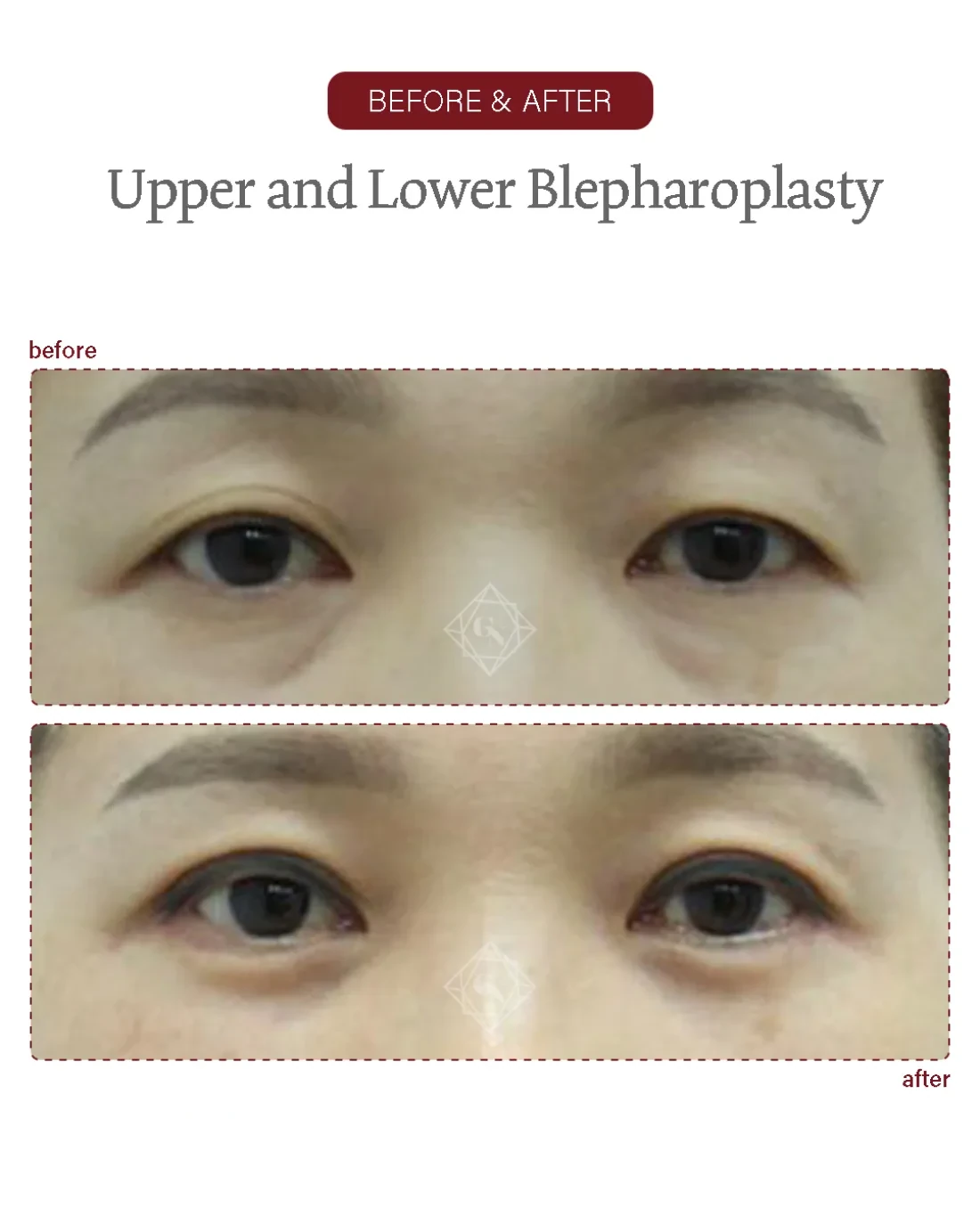
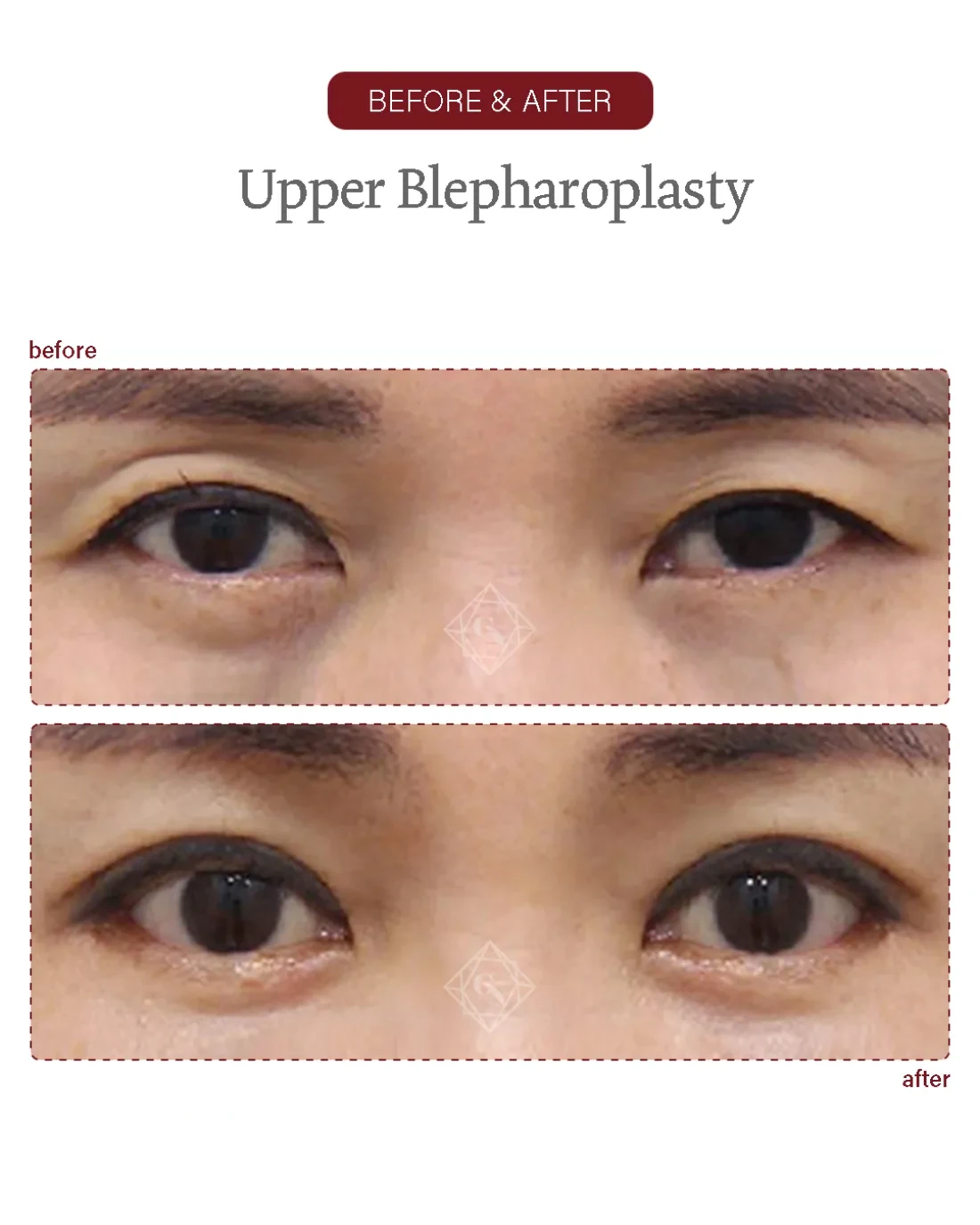
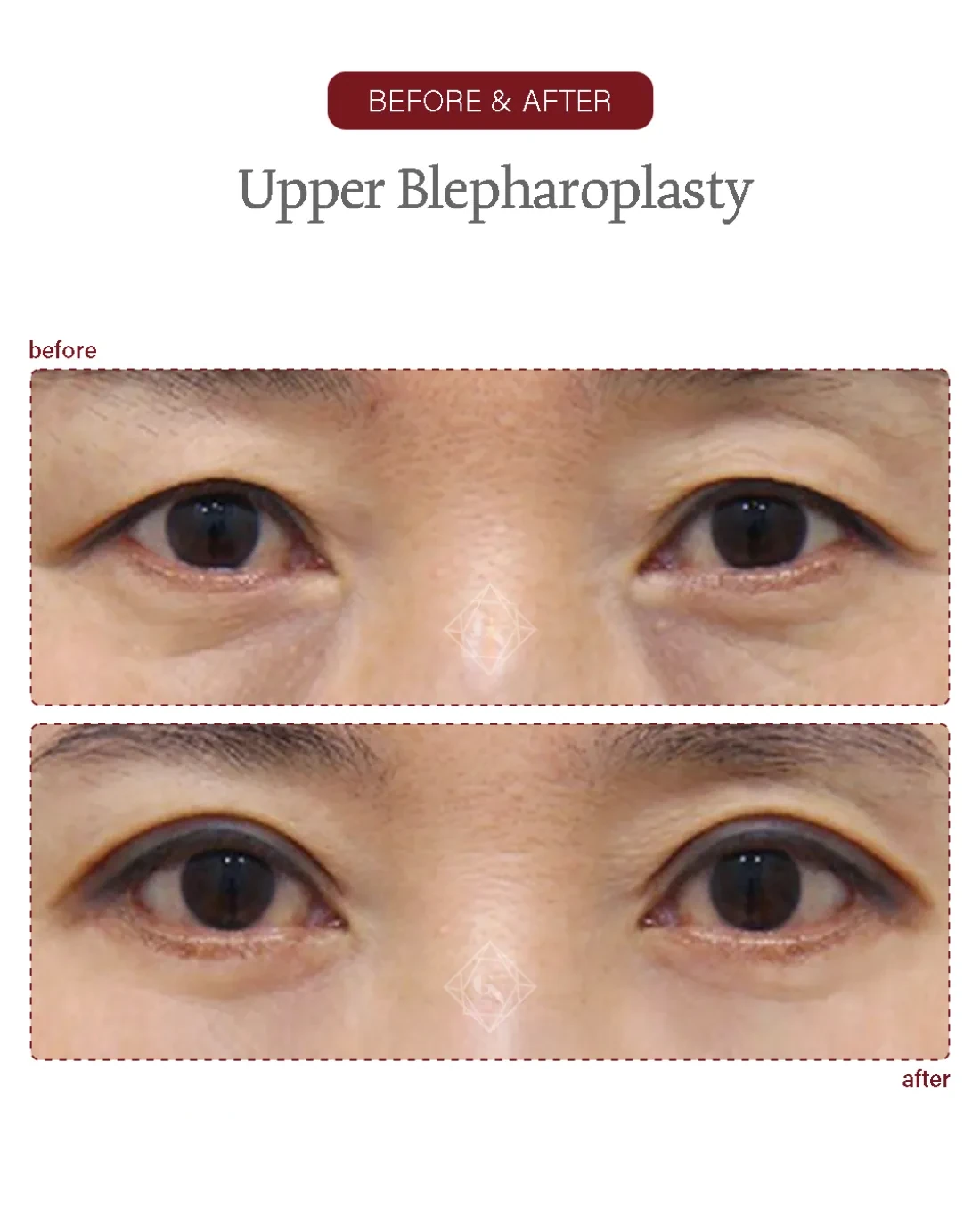
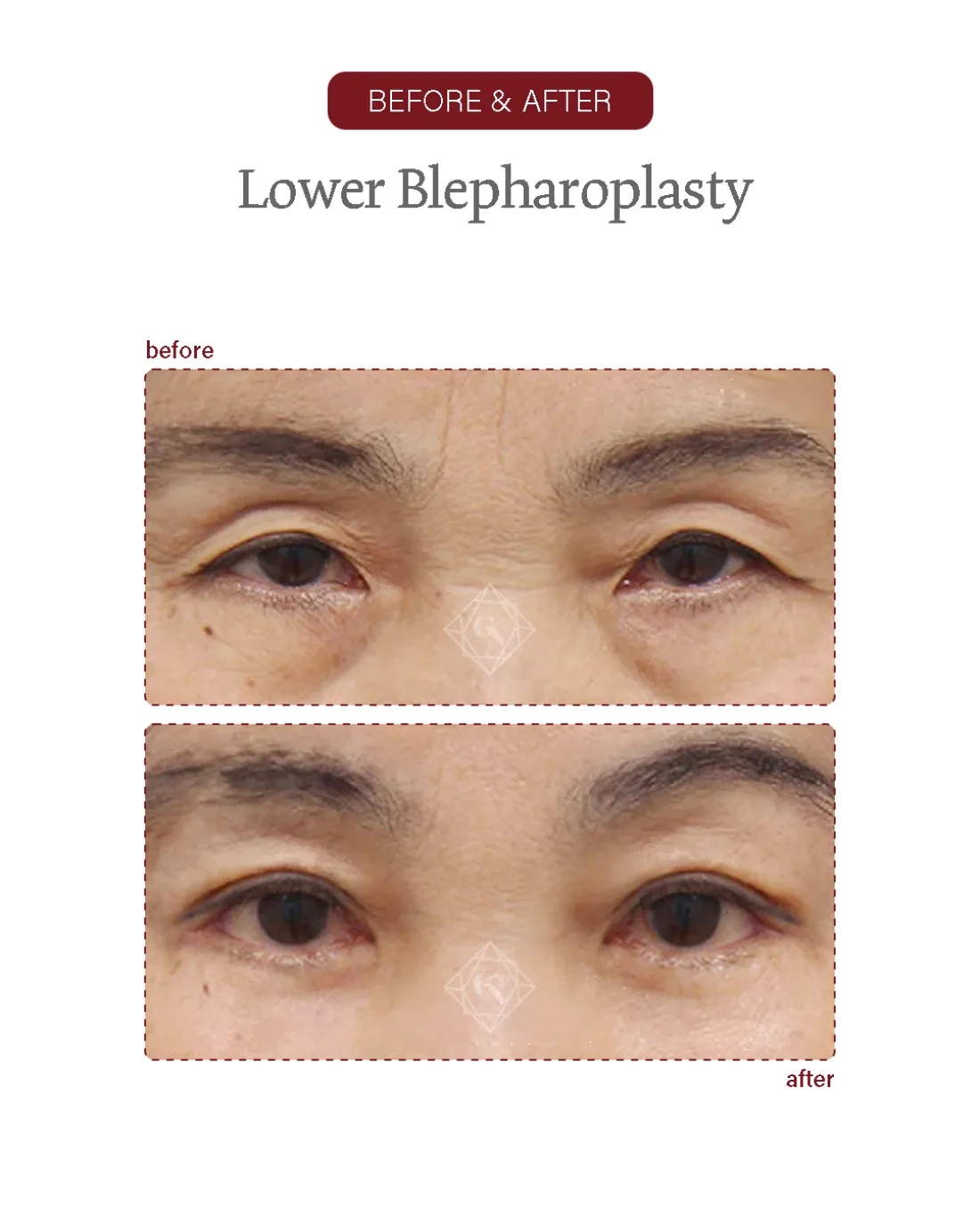
Eyelid before/after examples of actual Garnet patients (published with consent). Results, recovery and suitability vary by individual and are not guaranteed; the right approach is decided at an in-person consultation.
Prices
Price at Garnet
Upper blepharoplasty
From₩3,500,000 + VATExcluding VAT (10% VAT is added at payment)Book now
Same price as Korean patients. Prices shown exclude 10% VAT; your written quote, issued after the in-person consultation, shows the full amount payable.
Dr. In-Soo Baek
Director & sole operating surgeon
Korean medical licence no. 77407
Operate on what you came for. Trained at Korea University Medical Center. Every case planned, performed and reviewed by the same hands.
1Operating surgeon
~2Surgeries per day
7Registered techniques
Board-certified plastic surgeon
Plastic surgery training at Korea University College of Medicine & graduate school
Korean Society of Plastic and Reconstructive Surgeons member, in its facial-contour, eye & rhinoplasty groups
Consults, operates and follows up each case himself
Peer-reviewed papers behind the facts on this page. Each describes findings in its own study group — not results at Garnet — and none predicts your own outcome.
Wang C et al. Asian Upper Blepharoplasty. Clinics in Plastic Surgery. 2023. doi:10.1016/j.cps.2022.07.006
Warren RJ. Upper Blepharoplasty and Brow Rejuvenation in Men. Clinics in Plastic Surgery. 2022. doi:10.1016/j.cps.2021.12.006
Mendelson BC et al. Upper Blepharoplasty – Nuances for Success. Facial Plastic Surgery Clinics of North America. 2021. doi:10.1016/j.fsc.2021.01.001
FAQ
Common questions
How long does upper blepharoplasty last?
Upper blepharoplasty is one of the longest-lasting eye procedures, and most people enjoy a lighter, more open lid for a decade or more. The redundant skin that is removed does not grow back, so it does not fade on a schedule like a filler. An exact figure would be misleading, though, because how long it looks its best depends on your skin, brow position and lifestyle.
Is upper blepharoplasty permanent?
The change itself does not reverse, since removed skin does not regrow, but nothing stops the brow and forehead from ageing. So it is lasting, though no one can guarantee a forever fix: your upper-eye region keeps ageing gently, and over many years brow descent can make the lid feel heavier again, from a much lighter starting point than you began with.
Will my hooded eyelids come back after surgery?
The excess skin that was removed does not come back, because it is cut away. Over many years, though, the eyebrow and forehead gradually descend, and that descent can push tissue onto the lid so it feels heavier again. That is brow ageing with no regrowth of the eyelid skin, and it is addressed by lifting the brow.
Does upper blepharoplasty change with age?
Yes, gradually. The surgery removes excess lid skin and you then age forward from a lighter lid. Over the years the brow descends and skin quality changes, so the upper eye slowly matures around the result. You will still tend to look fresher and less hooded than you would have without surgery, because you aged forward from a corrected lid.
What makes upper blepharoplasty last longer or shorter for one person?
Skin quality, age at surgery and brow position are the biggest factors. Firmer skin and a well-supported brow hold longer, while a low brow means descent catches up sooner. Genetics set the pace of ageing. Lifestyle matters too: sun exposure, weight change and smoking speed up skin ageing and shorten how long the lid looks its freshest.
Will I ever need it done again?
Many people never do. If genuine skin laxity returns after many years, a small conservative tidy-up may be considered; if the brow has descended, addressing the brow is usually the more logical step. Because the first excision was conservative and preserved normal lid closure, any later refinement tends to stay straightforward to plan.
Why does upper blepharoplasty last longer than non-surgical treatments?
Non-surgical tightening stimulates the skin and relaxes within a year or two, so it needs repeating. Upper blepharoplasty removes the redundant skin outright and refines the crease. Because removed skin does not regrow and there is no tension to relax or volume to dissolve, the improvement holds far longer, often a decade or more.
Do sun, weight and smoking change how long an eyelid lift lasts?
Yes, meaningfully. Heavy sun exposure, significant weight changes and smoking all speed up skin ageing around the eye and can shorten how long the lid looks its freshest. Protecting the delicate eyelid skin from the sun, keeping your weight stable and not smoking won't stop brow descent, but they genuinely help the skin quality of the result last.
Why does one surgeon for the brow check and the eyelid surgery matter?
It helps. When the same board-certified surgeon assesses your brow, performs the excision and follows up at 1, 3 and 6 months, the amount of skin removed is judged for your anatomy and your healing is reviewed properly. It also makes any future decision, a lid refinement or a brow procedure, clearer, because the surgeon already knows your eyes.
Can someone judge my eyelid result's lifespan from photos?
Yes. In an online consultation from abroad you can send photos, and the surgeon can give a realistic view of both the likely result and how long it may last for your eyes specifically, including whether your heaviness is lid skin or brow descent, before you commit to any travel.
My mom recently had a brow lift and lower blepharoplasty with Dr. Baek, and our experience has been wonderful so far. The Garnet team was incredibly kind and welcoming, with Kelly assisting us as our English consultant—she made everything…
I’m so happy I chose this clinic for my lower blepharoplasty. I was traveling from abroad by myself, so I was a little nervous, but from the beginning I felt comfortable and truly cared for. Everyone was kind, patient, and professional…
Came in for an in-person consult and ended up choosing Garnet and Dr.Baek for my non-incisional DES and tiplasty/alarplasty. I communicated with Kelly (English consultant) from the start till now (3 weeks post-op). She really help me feel…
My under-eyes have been sagging and folding for years... I tried to cover it up with makeup, but it actually got stuck in the wrinkles and made it stand out even more. While going for consultations, I noticed that the bigger the hospital…
For a realistic view of how long an upper blepharoplasty could last for your eyes, send photos for a no-obligation pre-assessment of both the result and its longevity before you plan a trip.
Send photos and your question before you travel. An English-speaking coordinator reviews every enquiry and replies with guidance on whether surgery is appropriate, the likely plan and timing.
✓ Reviewed by the clinic coordinator, not a bot
✓ Photo-based pre-assessment before you fly
✓ Foreign-patient scheduling & after-care
✓ One surgeon for consultation, surgery and follow-up
Prefer to chat now? Reach the coordinator directly:









 T S7 months ago



