After upper blepharoplasty the sutures come out at around day 7, but the lighter, more open upper lid you came for takes longer to appear. The early days look swollen, the crease sits high at first, and the result refines steadily over weeks and months. Knowing that timeline in advance keeps the normal, settling stages from looking like something has gone wrong. This page walks through it stage by stage.
The short answer
The early days look swollen and bruised. That is normal, and it is not your result; the surgery removes redundant skin and tidies the tissue, but the appearance has to settle.
Sutures come out at around day seven, and a great deal of the early swelling fades over the first couple of weeks, when you start to see the change.
The crease and lid keep refining over the following weeks and months as swelling fully resolves and the line softens into its final shape.
Because the same surgeon operates and follows up at 1, 3 and 6 months, the settling is tracked in person or remotely by photographs for international patients.
The instinct is to expect the result the moment the surgery is done, but eyelid surgery does not work that way, and understanding why removes a lot of anxiety. The operation itself does its work straight away: through an incision in the natural upper-lid crease, the surgeon excises the redundant skin and tidies up the underlying tissue, then closes the crease with fine sutures. The structure is changed on the table. What takes time is for the swelling to resolve and the tissues to settle into their new, lighter shape.
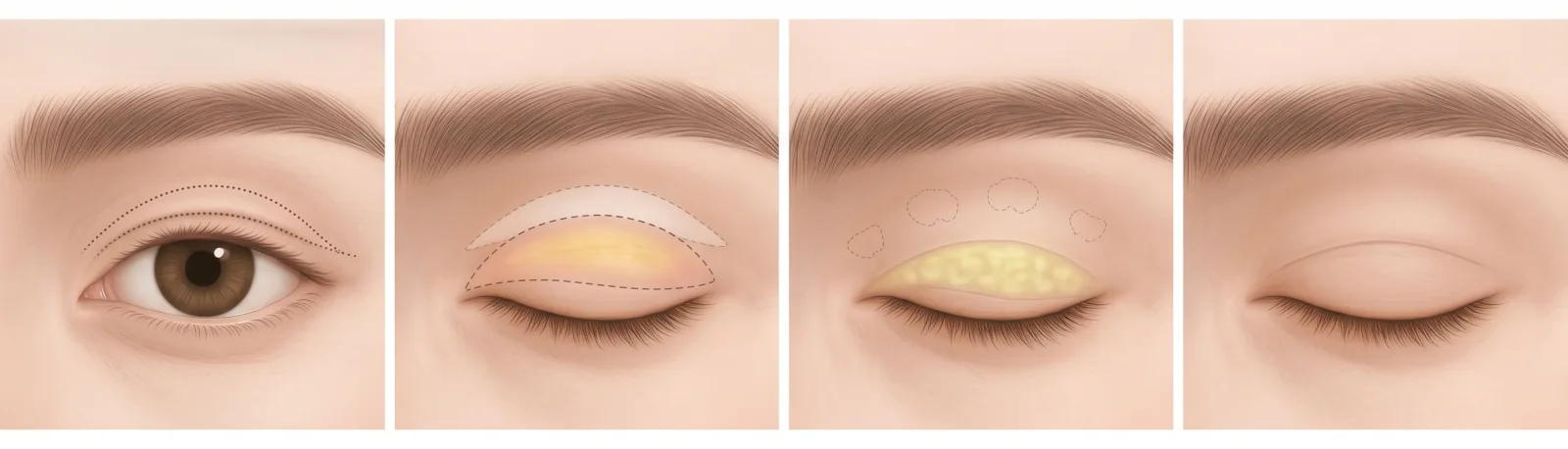
Illustration: the planned crease is marked, the excess upper-lid skin and selected fat pads are addressed through that line.
Swelling is the main reason the early result is not the final one. The thin, supple skin of the upper lid swells readily and then resolves over weeks, and until it does, the lid looks fuller and the crease sits higher than it finally will. There is no shortcut for this; it is simply how soft tissue heals. You watch your result emerge over weeks and months. It is not handed to you on day 1.
This is why a realistic timeline matters more than a single 'after' photo. For how this fits the rest of recovery (suture removal, swelling, returning to normal activity), see the upper blepharoplasty recovery timeline, and for the full picture of the procedure, the upper blepharoplasty cell page.
First two weeks
The first two weeks: swelling, sutures and the first glimpse
The first few days look the most dramatic and the least like your result. Swelling and often some bruising around the eyes are normal and expected; the lid is puffy, the crease is not yet defined, and the incision line is fresh. This is the stage that alarms people who did not expect it, and it is entirely routine. Cool compresses and keeping the head elevated, as the clinic advises, help the early swelling along.
The sutures are removed at around day seven, which is a turning point: the line is sealed, and from here a good deal of the early swelling begins to fade over the following days. By around the two-week mark, many patients can see a lighter, more open upper lid taking shape, even though it is still settling. Bruising, if any, has usually resolved or become easy to cover by this point.
It is worth being patient with yourself during these two weeks. What you see at day 10 is a swollen preview of the upper lid. The crease may look higher and the lid tighter than they finally will; both soften as the swelling continues to resolve. This early phase is also exactly when the structured follow-up begins.
Weeks to months
Weeks to months: the result keeps refining
From the first weeks into the first few months, the result refines steadily and quietly. As the residual swelling resolves, the crease settles to its natural height, the lid relaxes from its initially tight, slightly surprised early look, and the overall appearance softens into something that looks like you, just lighter and more rested. The incision line, meanwhile, is fading from pink toward a faint, settled line, as covered in scars and healing.
Most of the change people are waiting for happens across these weeks. By around one to three months the lid generally looks natural and the crease has found its level, even though the very last refinements are still arriving. This is also when subtle early asymmetries — the two sides settling at slightly different rates — typically even out, which is why it is unwise to judge symmetry too early.
Because this stretch is where the result truly forms, the follow-up at one and three months is timed to it. The surgeon checks that swelling is resolving evenly, the crease is sitting well, and the line is fading as expected. That check confirms the gradual change you are seeing is the result coming through.
Final result
When the final result settles
The final, fully settled result generally emerges over the months after surgery, with the last refinements continuing as the deeper swelling fully resolves and the crease and incision line mature. For most people the lid looks natural and the change is clear well before then, but the truly final appearance (the settled crease, the fully faded line) is best judged over months. The six-month follow-up exists precisely to mark this longer arc.
Setting that expectation clearly is part of good care, and it cuts both ways. It means not panicking at a swollen day-five photo, and it also means not declaring the result finished at two weeks. The lighter, more open upper lid you came for is real and arrives steadily; giving it the months it needs to settle is how you judge it fairly.
If you would like a realistic sense of what your own result might look like, and how long it would take to settle for your specific eyes, that is what a consultation is for. You can ask in an online consultation from abroad, where the surgeon can assess your lids from photographs.
What is normal
What is normal versus what is worth a closer look
Knowing what is normal in the settling phase keeps you calm through it. Swelling that is greater on one side, a crease that initially looks higher than the other, mild tightness, and a lid that feels slightly numb are all common early stages that typically resolve on their own as swelling settles over weeks. A fresh incision line that is pink and a little firm is normal too.
At the same time, good care means telling you when to make contact promptly. Swelling that worsens instead of improving, increasing pain, signs of infection, or vision changes are not part of the normal settling course and warrant prompt attention. The clinic gives clear guidance on what to watch for, so you can tell the routine settling phase from the rare situation that needs a closer look.
This is one of the practical advantages of being followed by the surgeon who operated. At each of the 1, 3 and 6-month checks (in person, or remotely by photographs if you have flown home, as covered in the guide for international patients), the surgeon can confirm that what you are seeing is normal settling. Searching online cannot give that reassurance.
At Garnet
How Garnet tracks your result over time
Garnet is a single-surgeon clinic in Apgujeong, Seoul. Dr. In-Soo Baek is a board-certified plastic surgeon (Korean medical licence no. 77407) and the only operating doctor. He performs your upper blepharoplasty himself and reviews how the result settles at structured follow-ups at 1, 3 and 6 months, in person or remotely by photographs for international patients. With the day capped at two surgeries and one patient per hour, the assessment at each stage is unhurried.
If you are weighing the procedure, the most useful next step is a clear read on the result you could realistically expect and the timeline it would settle on. You can start with a no-obligation online assessment, see how it fits the wider recovery in the recovery timeline, or read the full overview on the upper blepharoplasty cell page.
Real Results
Before & After
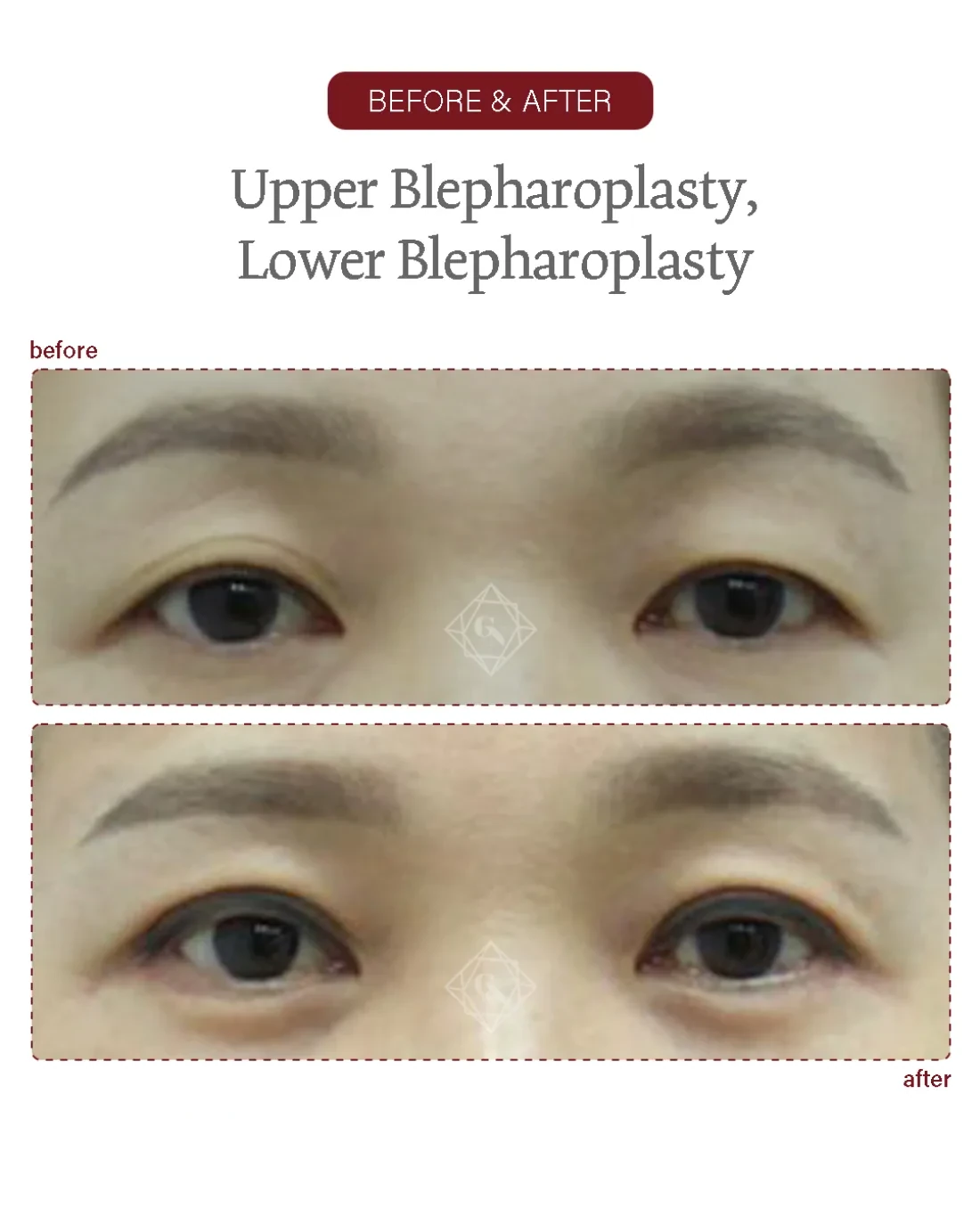
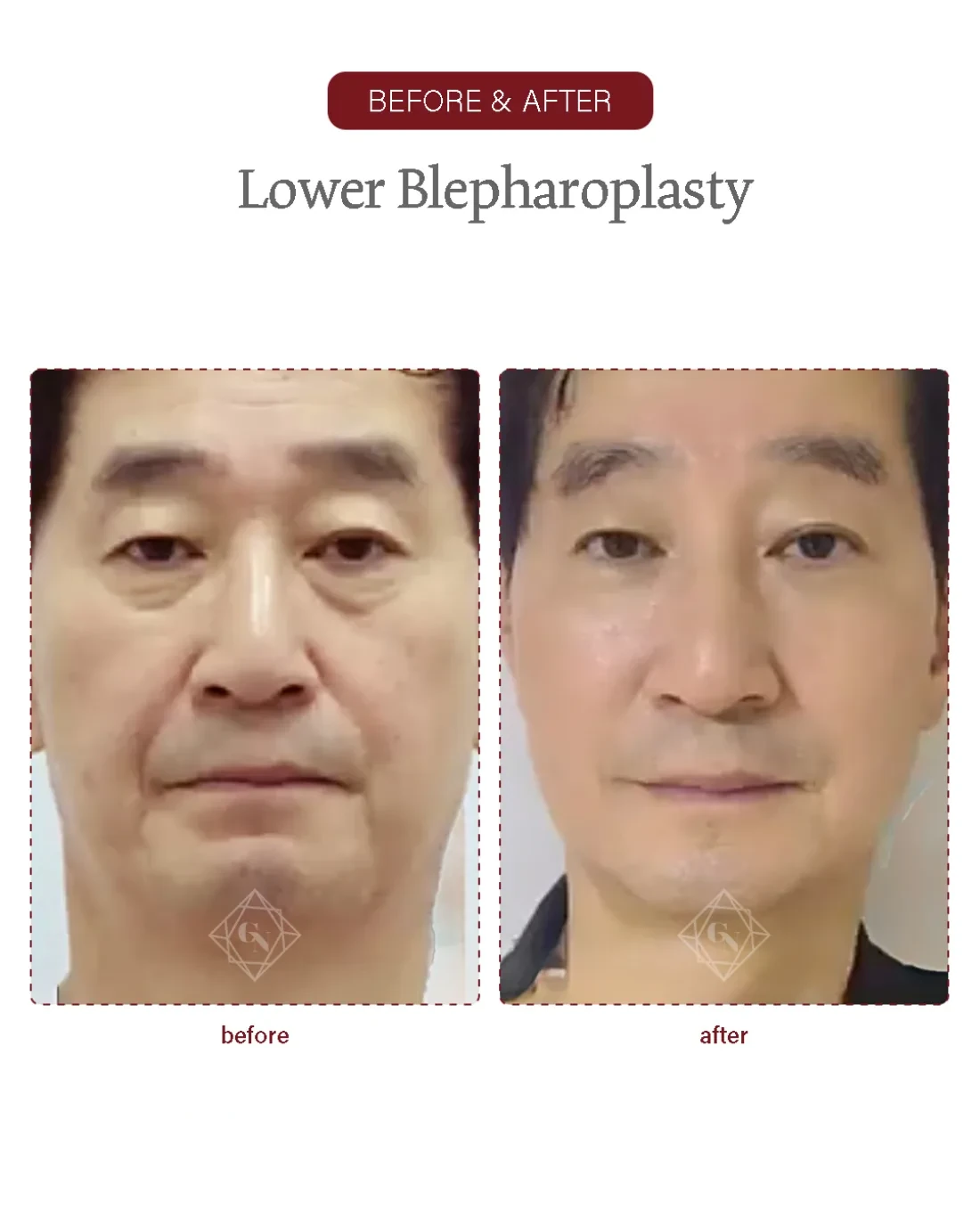
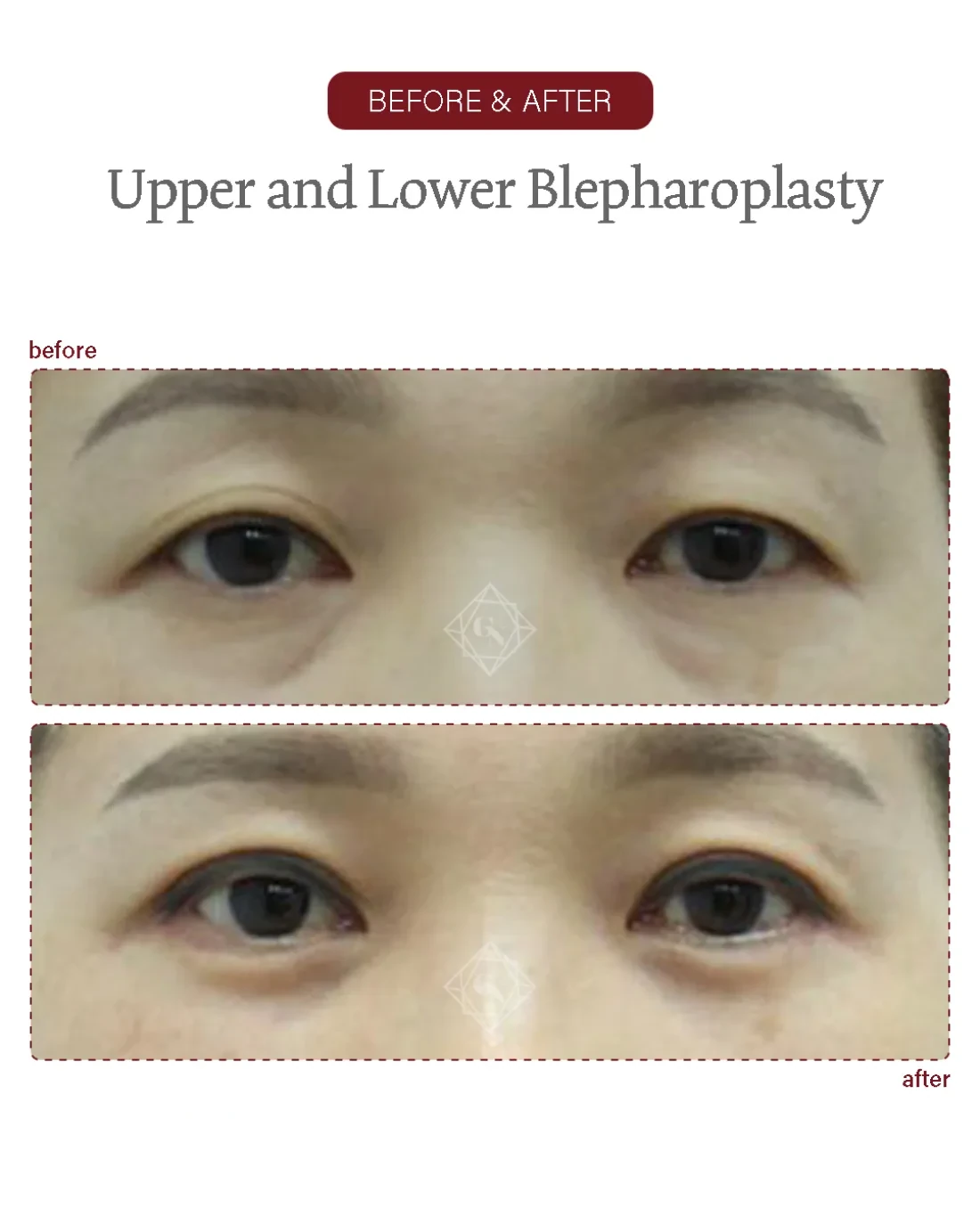
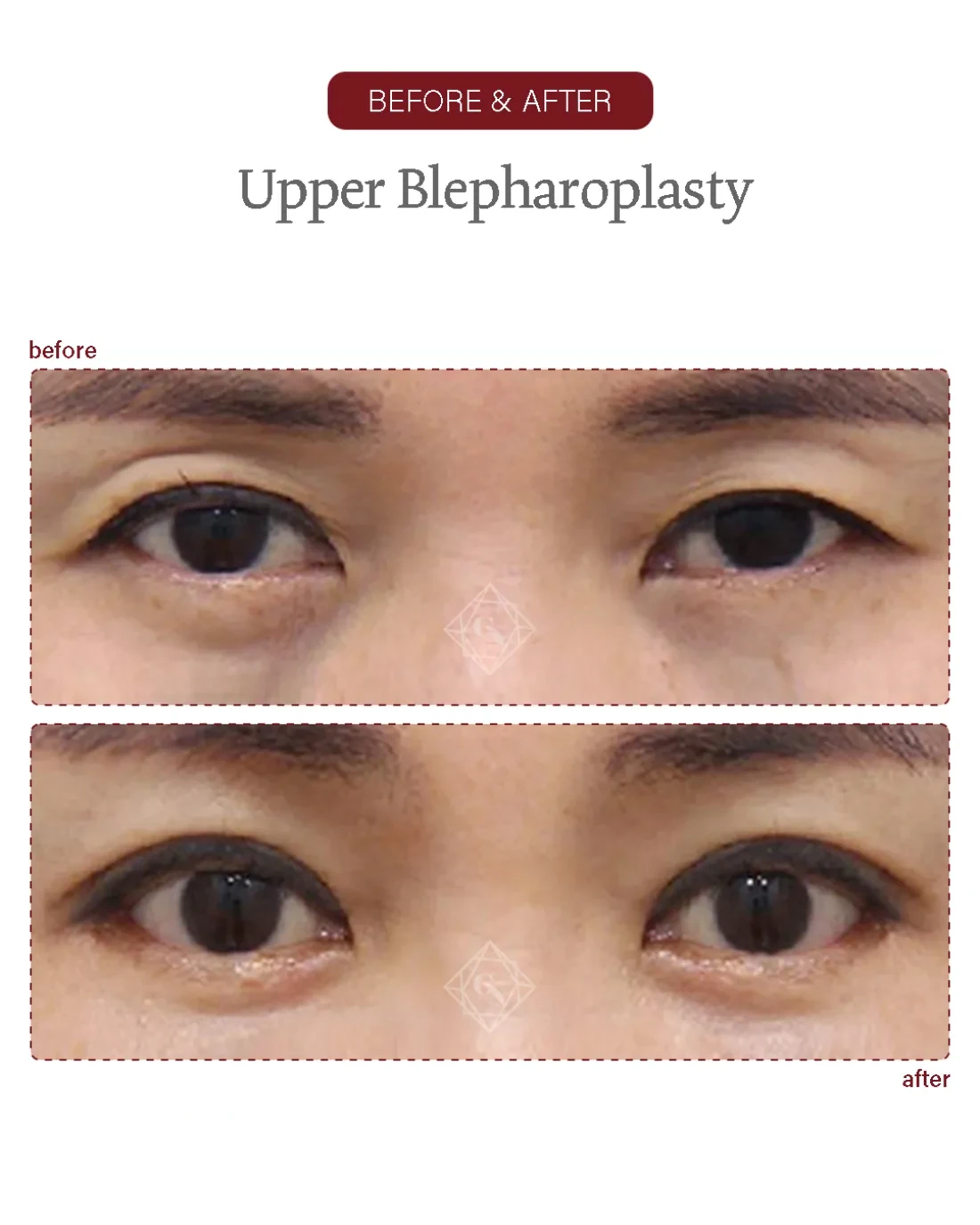
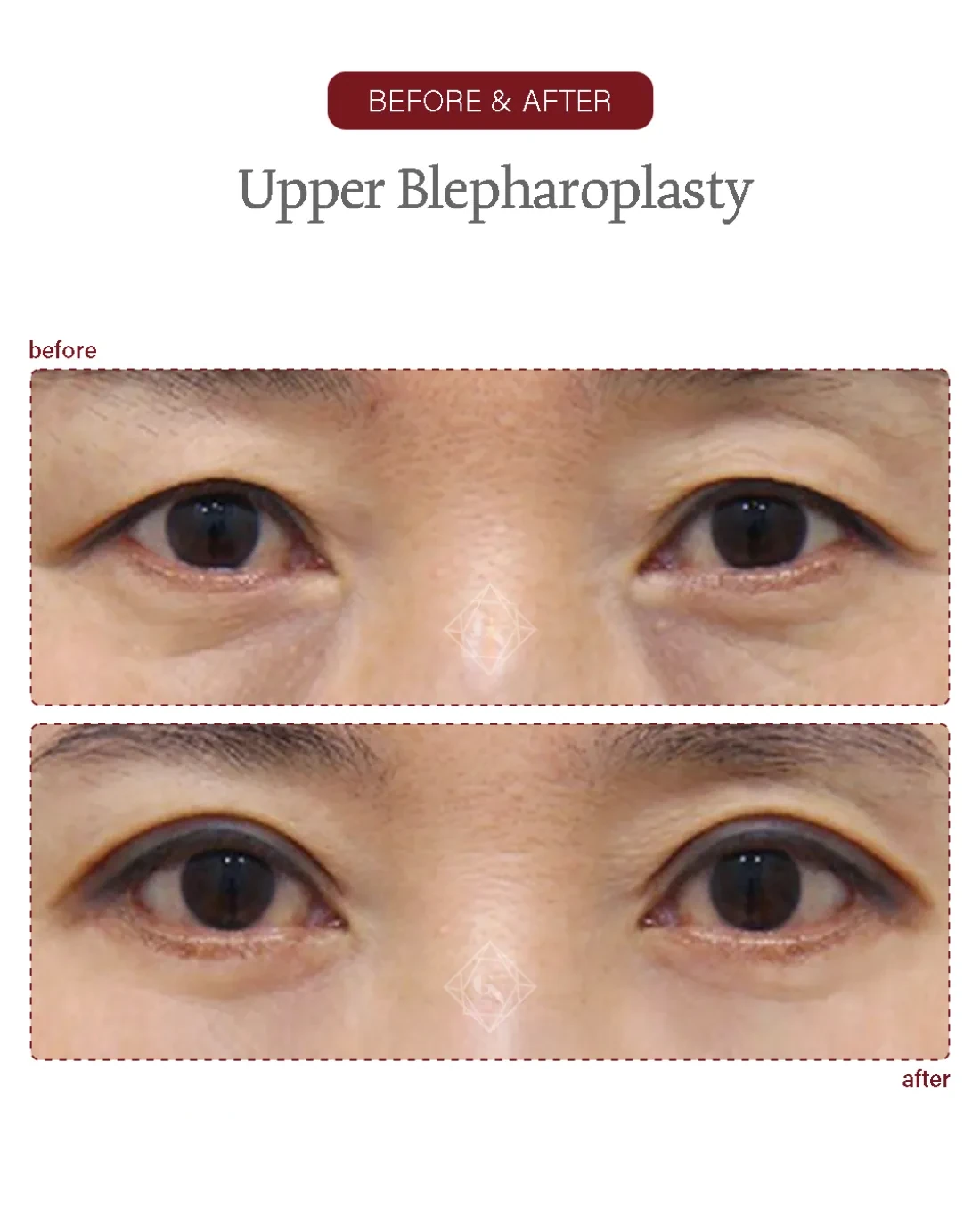
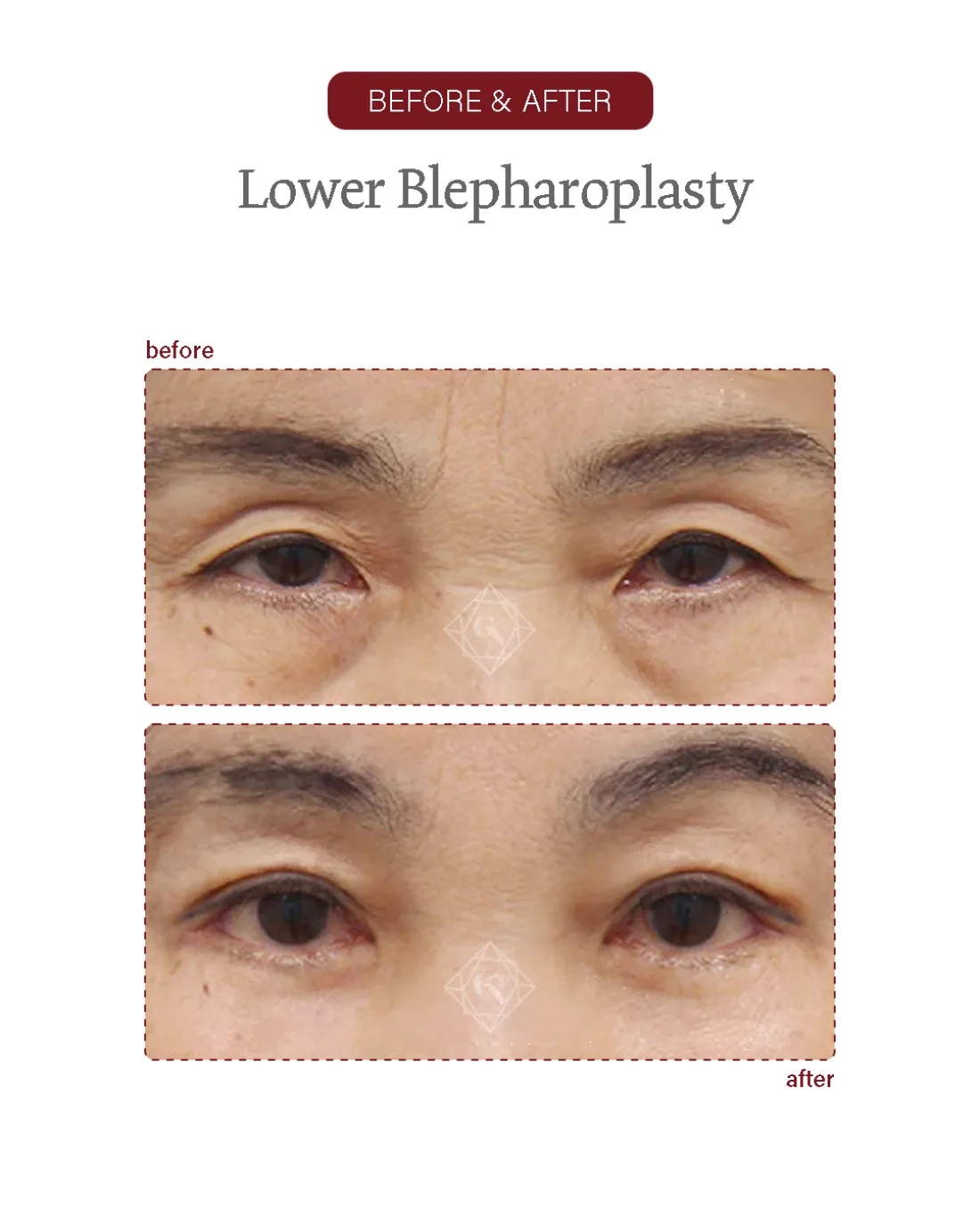
Eyelid before/after examples of actual Garnet patients (published with consent). Results, recovery and suitability vary by individual and are not guaranteed; the right approach is decided at an in-person consultation.
Prices
Price at Garnet
Upper blepharoplasty
From₩3,500,000 + VATExcluding VAT (10% VAT is added at payment)Book now
Same price as Korean patients. Prices shown exclude 10% VAT; your written quote, issued after the in-person consultation, shows the full amount payable.
Dr. In-Soo Baek
Director & sole operating surgeon
Korean medical licence no. 77407
Operate on what you came for. Trained at Korea University Medical Center. Every case planned, performed and reviewed by the same hands.
1Operating surgeon
~2Surgeries per day
7Registered techniques
Board-certified plastic surgeon
Plastic surgery training at Korea University College of Medicine & graduate school
Korean Society of Plastic and Reconstructive Surgeons member, in its facial-contour, eye & rhinoplasty groups
Consults, operates and follows up each case himself
Peer-reviewed papers behind the facts on this page. Each describes findings in its own study group — not results at Garnet — and none predicts your own outcome.
Lee CK et al. Asian Upper Lid Blepharoplasty Surgery. Clinics in Plastic Surgery. 2013. doi:10.1016/j.cps.2012.07.004
Rodrigues C et al. Upper Eyelid Blepharoplasty: Surgical Techniques and Results—Systematic Review and Meta-analysis. Aesthetic Plastic Surgery. 2023. doi:10.1007/s00266-023-03436-6
Yang CC. Revision of Asian Upper Blepharoplasty. Clinics in Plastic Surgery. 2023. doi:10.1016/j.cps.2022.08.007
FAQ
Common questions
When will I see the final results of upper blepharoplasty?
The final, fully settled result generally emerges over the months after surgery, as the deeper swelling resolves and the crease and incision line mature. The lid often looks natural and the change is clear well before then, but the truly final appearance is best judged over months, which is why follow-up extends to 6 months.
How does the result of upper blepharoplasty change over time?
The structure is changed on the table, but the appearance settles gradually. The early days look swollen, the crease sits high, and the lid looks tight. Over the first weeks the swelling fades and you see the lighter lid take shape; over the following months the crease settles to its natural height and the line fades into a faint, settled result.
When is swelling gone after upper blepharoplasty?
Most of the obvious early swelling fades over the first couple of weeks, especially after sutures are removed at around day seven. More subtle residual swelling continues to resolve over the following weeks to months, which is why the crease and lid keep refining and the final result is judged over months.
How soon after upper blepharoplasty can I see a change?
Many patients begin to see the lighter, more open upper lid take shape by around the two-week mark, once the early swelling has started to fade and any bruising has resolved. It is still settling at that point; the result you see at 2 weeks is a preview of the fully refined upper lid.
Why does the crease look too high right after surgery?
A crease that sits higher than it finally will is normal in the early weeks. The thin upper-lid skin swells and the tissue is initially tight, both of which lift the apparent crease. As the swelling resolves over the following weeks and months, the crease settles down to its natural height, so it should not be judged early.
Is some asymmetry between my eyes normal early on?
Yes. The two sides commonly settle at slightly different rates, so mild asymmetry in swelling or crease height in the early weeks is normal and usually evens out as swelling resolves over the first few months. This is one reason it is unwise to judge symmetry too early; the follow-ups track it as it settles.
What is normal versus a reason to contact the clinic?
Swelling, bruising, mild tightness, slight numbness and early asymmetry are normal and settle on their own. Swelling that worsens, increasing pain, signs of infection or vision changes are not part of normal settling and warrant prompt contact. The clinic gives clear guidance so you can tell the difference.
Will the surgeon track my result if I live abroad?
Yes. Because the same surgeon who operated follows up, the one, three and six-month reviews continue remotely after you fly home: you send photographs and the operating surgeon assesses how the swelling, crease and line are settling, confirming the gradual change you are seeing is the result coming through as expected.
My mom recently had a brow lift and lower blepharoplasty with Dr. Baek, and our experience has been wonderful so far. The Garnet team was incredibly kind and welcoming, with Kelly assisting us as our English consultant—she made everything…
I’m so happy I chose this clinic for my lower blepharoplasty. I was traveling from abroad by myself, so I was a little nervous, but from the beginning I felt comfortable and truly cared for. Everyone was kind, patient, and professional…
Came in for an in-person consult and ended up choosing Garnet and Dr.Baek for my non-incisional DES and tiplasty/alarplasty. I communicated with Kelly (English consultant) from the start till now (3 weeks post-op). She really help me feel…
My under-eyes have been sagging and folding for years... I tried to cover it up with makeup, but it actually got stuck in the wrinkles and made it stand out even more. While going for consultations, I noticed that the bigger the hospital…
Want a realistic sense of your result and how long it would take to settle? Send photos for an honest, no-obligation assessment of what upper blepharoplasty could do for your eyes — and the timeline to expect.
Send photos and your question before you travel. An English-speaking coordinator reviews every enquiry and replies with guidance on whether surgery is appropriate, the likely plan and timing.
✓ Reviewed by the clinic coordinator, not a bot
✓ Photo-based pre-assessment before you fly
✓ Foreign-patient scheduling & after-care
✓ One surgeon for consultation, surgery and follow-up
Prefer to chat now? Reach the coordinator directly:









 T S7 months ago



