The most common worry before upper blepharoplasty is a visible scar on the eyelid. The answer is reassuring: the incision is placed inside the natural upper-lid crease, so once your eye is open it sits folded out of sight, and the fine line that closes it typically fades to something very hard to see. How it is placed, how it is closed and how you care for it all matter, and this page covers each.
The short answer
Upper blepharoplasty at Garnet uses an incision placed in the natural upper-lid crease, where the fold of the open eye conceals it.
The redundant skin is removed and the underlying tissue tidied up through that single crease line, which is then closed with fine sutures removed at around day seven.
Scar maturation takes months: a fresh line looks pink and slightly firm, then gradually fades and softens. Patience and sun protection do most of the work.
Because the same surgeon operates and reviews every follow-up, the line is checked at one, three and six months as it settles.
Upper blepharoplasty at Garnet uses an incision placed along the natural crease of the upper lid, known as the upper-lid crease incision. This is the fold that forms when your eye is open, and placing the line there is the central trick to why the scar hides so well: when your eyes are open, the redundant skin folds inward and the incision tucks into the crease, out of direct view. The surgeon works through that single line to excise the redundant skin and tidy up the underlying tissue, then closes the crease with fine sutures.
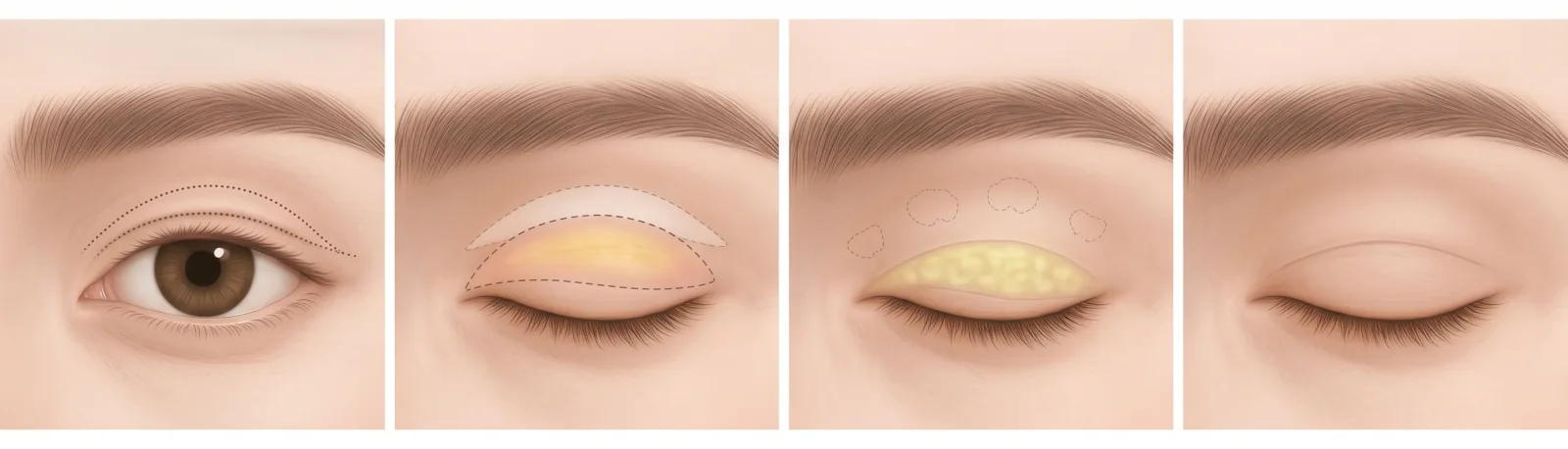
Illustration: the planned crease is marked, the excess upper-lid skin and selected fat pads are addressed through that line.
Placing the incision in the crease does more than conceal it. It is also how the operation creates or refines the fold itself. Because the line follows the lid's natural anatomy rather than cutting across it, the closed incision falls into the eye's existing architecture as it heals, and the scar tends to settle into the crease line where the eye already creases. That is very different from a scar placed on flat, exposed skin.
It is worth being precise about what this is and is not. The crease incision is a fine line in the thin, supple skin of the upper lid, positioned where the fold of an open eye conceals it. It does not cross exposed skin or sit where it catches the light, which is exactly why upper-lid scarring is, for most patients, far less visible than they fear.
Why hidden
Why the upper blepharoplasty scar is so hard to see once healed
Several things work together to make a healed crease-line scar difficult to spot. The first is position: a line that sits in the lid crease is folded away when your eye is open and falls into the natural shadow of the fold. The second is the skin itself: upper-lid skin is the thinnest on the body, fine and supple, and fine skin generally produces a fine scar when it is closed carefully and without tension.
The third factor is technique. Closing the incision so the skin edges meet cleanly, without tension or overlap, gives the scar a strong chance of fading flat and pale, and placing it precisely on the natural crease keeps it where the fold conceals it. Garnet caps the day at 2 surgeries and one patient per hour, so each eyelid closure is unhurried, and the surgeon who made the incision reviews the crease line at each follow-up.
A crease-line scar is still a scar, and it never becomes literally invisible. What it does mean is that, for the great majority of patients, the mature line is faint, hidden in the crease when the eye is open, and not something other people notice in normal conversation. There is more on how this fits the wider recovery in the recovery timeline.
Healing timeline
How the upper blepharoplasty scar heals over time
An eyelid scar heals in stages over months, and knowing them keeps you from worrying about normal changes. During week 1 the crease incision needs to close cleanly; the sutures come out at around day seven, when the skin edges of the lid have knitted and the line is sealed. Swelling and often some bruising around the eye remain at this stage, so the area looks more active than the scar itself will be, and the crease may sit higher than it finally will.
Between months 1 and 3 the crease line is usually at its most visible: slightly pink or red and a little firm to the touch. That is normal collagen remodelling. From roughly three to six months the colour fades, the firmness softens, and the line settles into the crease. Full maturation continues beyond that, with the scar usually reaching its final, faded appearance over the months that follow. The same arc is covered for the result itself in when you will see results.
The 1-, 3- and 6-month follow-ups are timed to track this slow maturation of the lid scar. At each one Dr. Baek checks that the line is fading as expected and talks you through the pink, firm phase that worries patients most, a phase that almost always resolves on its own. For international patients this review continues remotely by photographs after you fly home.
Aftercare
What helps an upper blepharoplasty scar settle
Sun protection is the most useful thing you can do for a healing eyelid scar. Ultraviolet light can darken a young scar and make it harder to fade, so sunglasses, plus sunscreen on the lid once the surgeon clears it, are the highest-value habit during the first months. Gentle handling matters too: avoid rubbing or stretching the lid while it is healing, and follow the clinic's guidance on when normal skincare and eye makeup can resume.
Beyond protection, patience does most of the work. A crease line that looks pink and firm at six weeks is a scar in the middle of its normal course. The surgeon may advise simple measures to support maturation and will tell you plainly whether the lid is healing normally or warrants a closer look. Following the aftercare instructions and keeping the follow-up appointments works; improvised treatments on the eyelid do not.
Patients who fly home keep the same aftercare by message. You send photos of your lids at the 1-, 3- and 6-month points, and the surgeon who operated tells you whether the crease line is settling as it should. This continuity is covered in the guide for international patients.
Realistic expectations
Realistic expectations for an upper blepharoplasty scar, and what is worth a closer look
Clear expectations are part of good care. The realistic outcome of an upper blepharoplasty scar is a faint line that hides in the crease of the open eye. No one can guarantee the absence of any mark. With the eyes closed, a fine healed line may be faintly visible up close in the first months and fades over time; this is normal and is the trade-off for removing the redundant skin. How a particular person scars also depends on their own skin and healing, which the surgeon takes into account when planning.
Most of what worries patients in the early weeks is normal: pinkness, slight firmness, mild asymmetry between the two sides as swelling resolves at different rates, and a crease that initially looks higher than it will finally sit. These typically settle on their own. The follow-up visits exist partly to confirm this for you and to distinguish the common, self-resolving phase from the rare situation that genuinely warrants attention.
If you would like a realistic read on what your own healing might look like before you commit, that is exactly what a consultation is for. You can ask in an online consultation from abroad, where the surgeon can assess your lids from photographs and give a pre-assessment.
At Garnet
How Garnet approaches the upper blepharoplasty incision and scar
Garnet is a single-surgeon clinic in Apgujeong, Seoul. Dr. In-Soo Baek is a board-certified plastic surgeon (Korean medical licence no. 77407) and the only operating doctor. He assesses your upper lids, places the incision in the natural crease, excises the redundant skin, tidies the underlying tissue, closes the line himself, and reviews how the scar heals at every follow-up. Because the day is capped at 2 surgeries, one patient per hour, each crease line is placed and closed without hurry.
If you are weighing upper blepharoplasty, the most useful next step is an assessment of what your scar would realistically look like and how the crease would settle. You can start with a no-obligation online assessment, or read the full overview on the upper blepharoplasty cell page.
Real Results
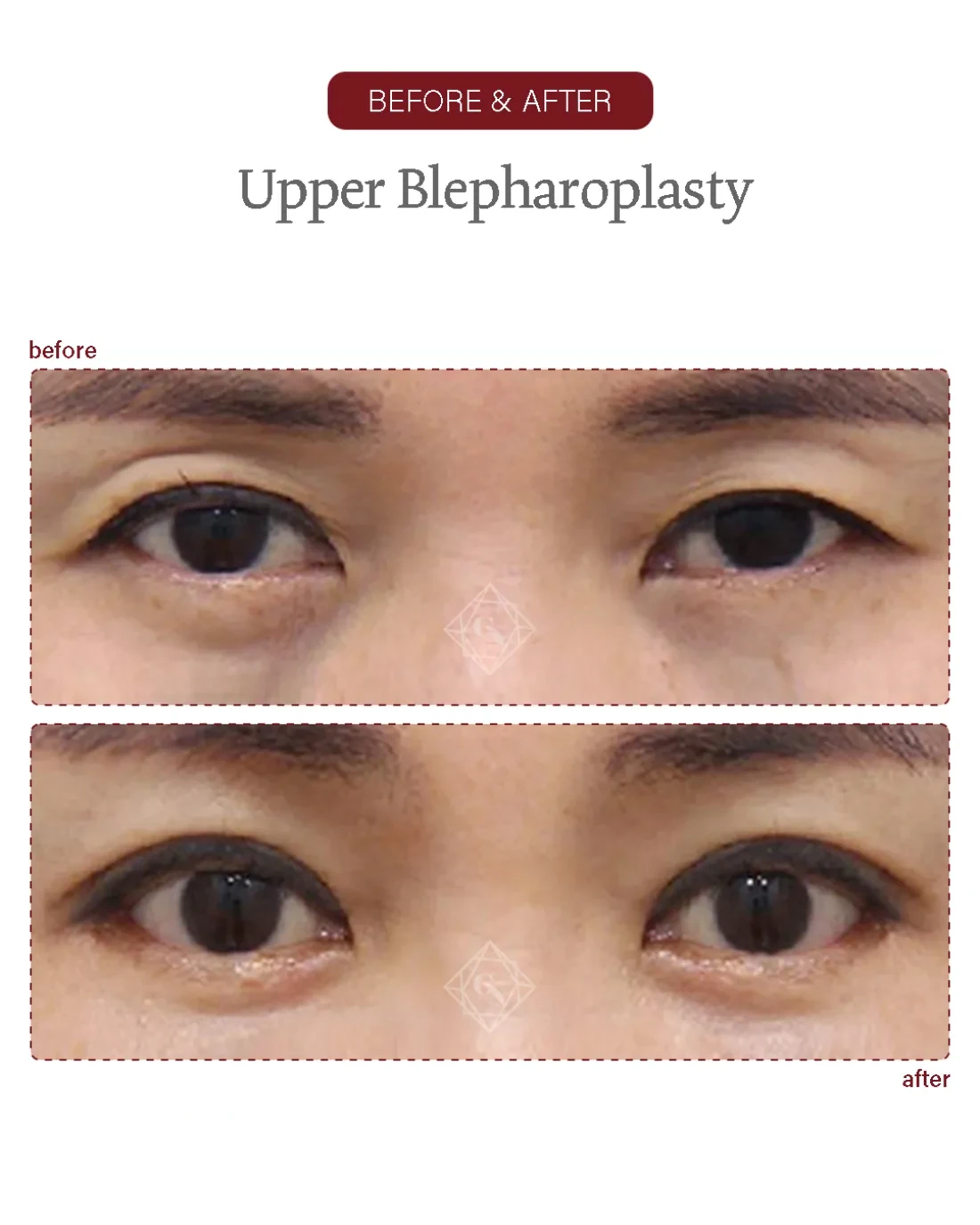
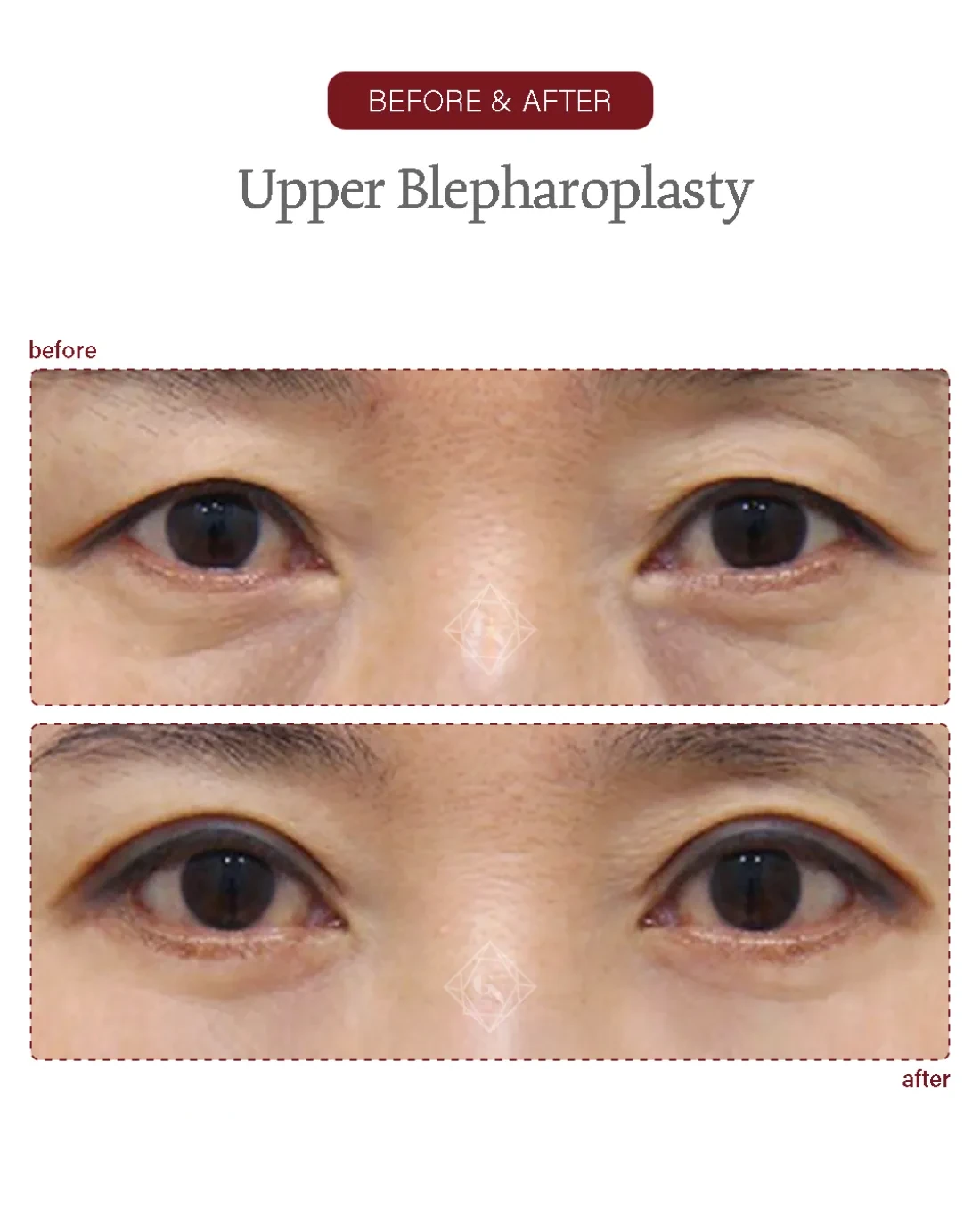
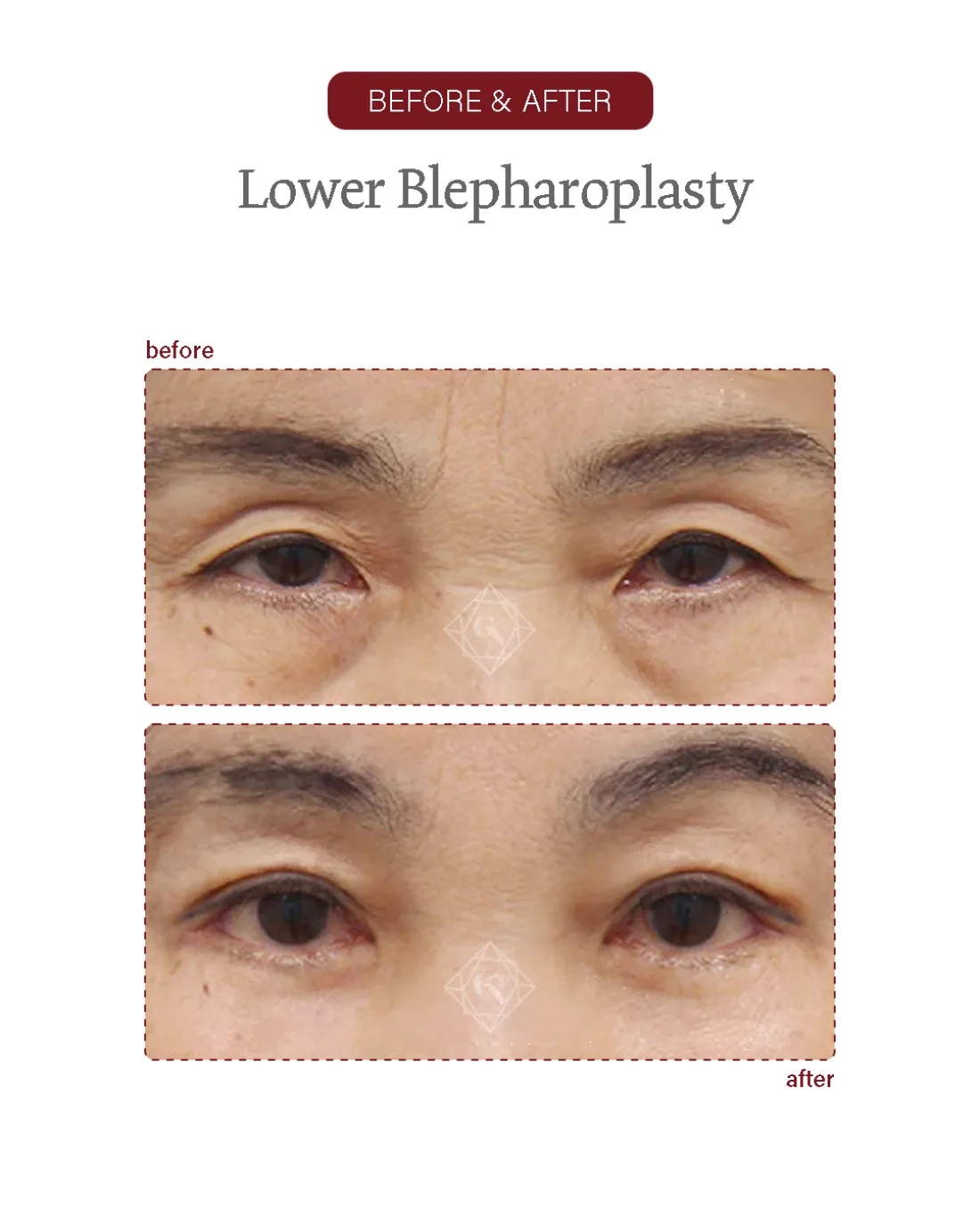
Before & After
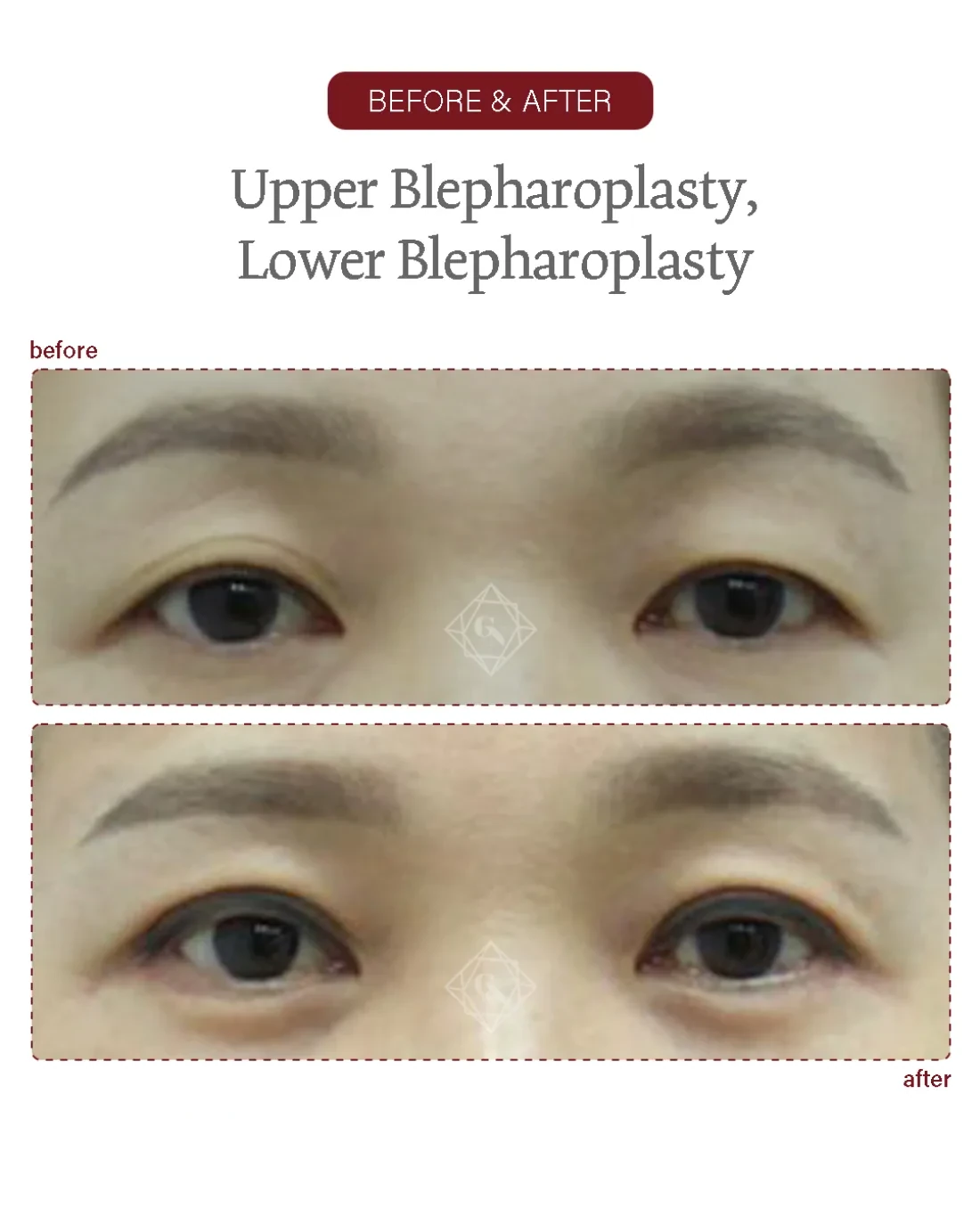
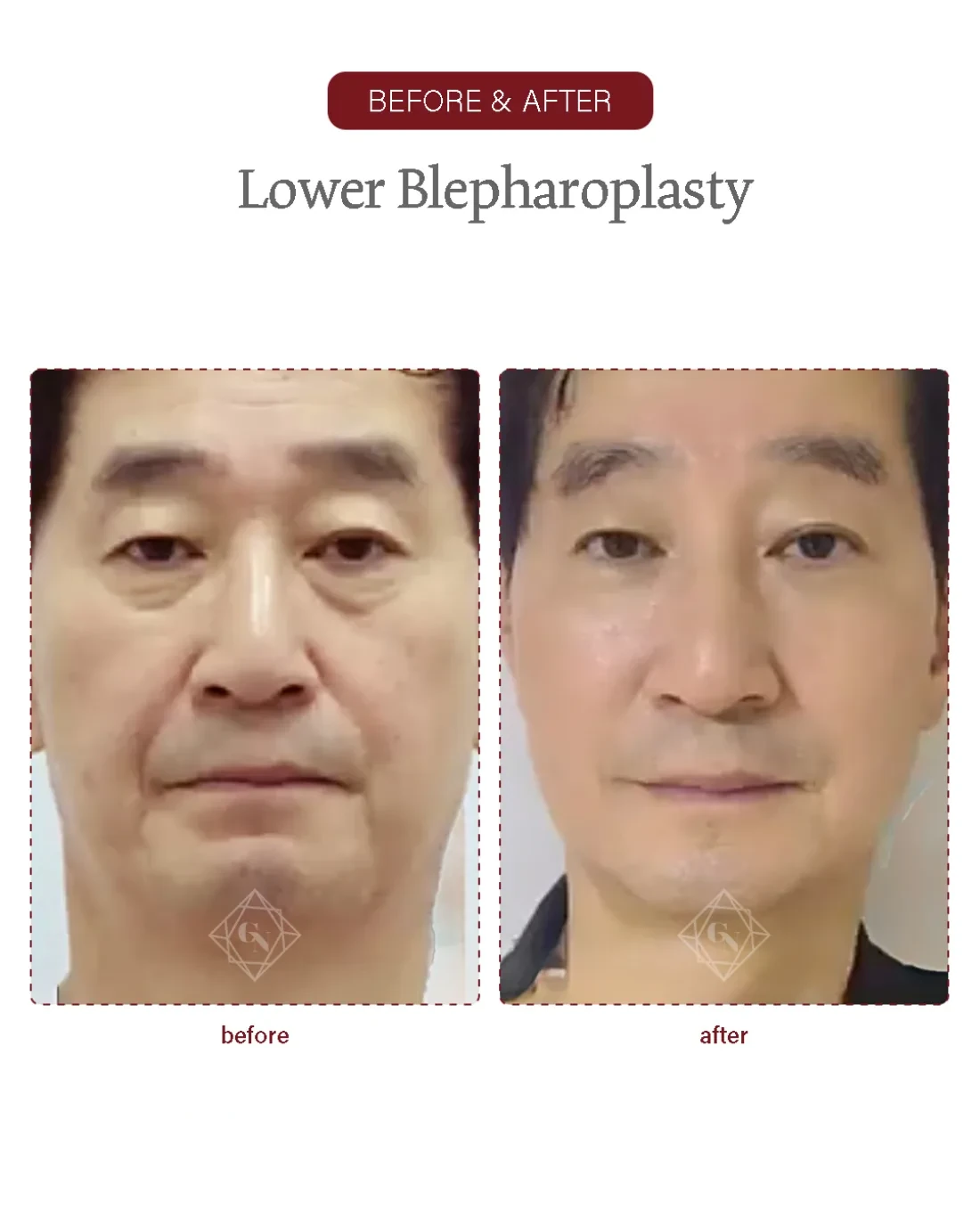
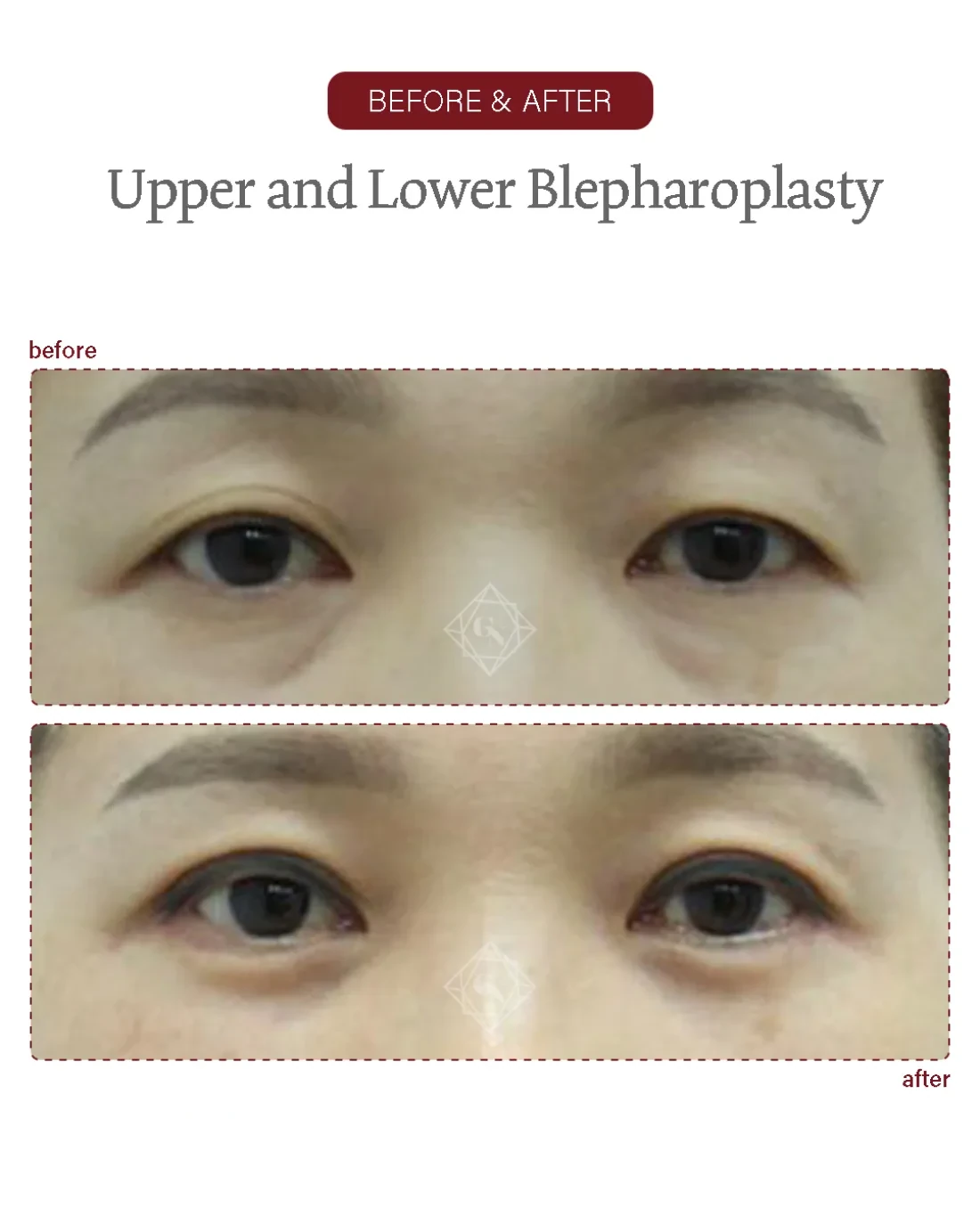
Eyelid before/after examples of actual Garnet patients (published with consent). Results, recovery and suitability vary by individual and are not guaranteed; the right approach is decided at an in-person consultation.
Prices
Price at Garnet
Upper blepharoplasty
From₩3,500,000 + VATExcluding VAT (10% VAT is added at payment)Book now
Same price as Korean patients. Prices shown exclude 10% VAT; your written quote, issued after the in-person consultation, shows the full amount payable.
Dr. In-Soo Baek
Director & sole operating surgeon
Korean medical licence no. 77407
Operate on what you came for. Trained at Korea University Medical Center. Every case planned, performed and reviewed by the same hands.
1Operating surgeon
~2Surgeries per day
7Registered techniques
Board-certified plastic surgeon
Plastic surgery training at Korea University College of Medicine & graduate school
Korean Society of Plastic and Reconstructive Surgeons member, in its facial-contour, eye & rhinoplasty groups
Consults, operates and follows up each case himself
Peer-reviewed papers behind the facts on this page. Each describes findings in its own study group — not results at Garnet — and none predicts your own outcome.
Wang C et al. Asian Upper Blepharoplasty. Clinics in Plastic Surgery. 2023. doi:10.1016/j.cps.2022.07.006
Warren RJ. Upper Blepharoplasty and Brow Rejuvenation in Men. Clinics in Plastic Surgery. 2022. doi:10.1016/j.cps.2021.12.006
Hollander MHJ et al. Functional outcomes of upper eyelid blepharoplasty: A systematic review. Journal of Plastic, Reconstructive & Aesthetic Surgery. 2019. doi:10.1016/j.bjps.2018.11.010
FAQ
Common questions
Where are the scars after upper blepharoplasty?
The incision is placed along the natural crease of the upper lid (the upper-lid crease). When your eye is open, the redundant skin folds inward and the line tucks into the crease, out of direct view. The redundant skin is removed and the tissue tidied through that single crease line, which is then closed with fine sutures.
Will upper blepharoplasty scars be visible?
For most patients the healed line is faint and difficult to notice in normal conversation, because it sits in the lid crease where the fold of the open eye conceals it, in fine upper-lid skin. With the eyes closed a fine line may be faintly visible up close in the early months and fades over time. It does not vanish completely, though most patients find it much less noticeable than they expected.
How do upper blepharoplasty scars heal over time?
Sutures in the lid crease come out at about day seven. For the first 1 to 3 months the fresh line looks pink and feels slightly firm; from roughly three to six months it fades, softens and settles into the crease, and it continues to mature toward its final faded appearance over the following months. The pink, firm phase is a normal part of eyelid healing.
Why is the upper blepharoplasty scar so hard to see?
Three things combine: the incision sits in the lid crease and folds out of sight when the eye is open; upper-lid skin is the thinnest on the body and tends to produce a fine scar; and a careful, tension-free closure helps the line fade flat and pale. Together these make the mature line faint and well concealed for most patients.
What helps an upper blepharoplasty scar fade faster?
Sun protection is the most valuable habit, because UV light can darken a young scar, alongside gentle handling of the lid and following the clinic's aftercare. Beyond that, the crease line mostly needs time: it fades on its own over months, and your follow-up appointments let the surgeon confirm it is settling normally.
How long until the scar is fully mature?
The eyelid incision is sealed by day seven, yet the scar keeps maturing for months. It tends to show most in months 1 to 3, fades and softens through months 3 to 6, and reaches its final faded appearance over the months after that. Follow-ups at 1, 3 and 6 months track this.
Is it normal for the eyelid crease scar to be pink and firm for weeks?
Yes. In the first months a pink, slightly firm crease line reflects normal collagen remodelling. It almost always fades and softens on its own. Part of the reason for the follow-up visits is to see you through this phase and to catch the rare lid that needs a closer look.
Will Dr. Baek still check my eyelid scar if I live abroad?
Yes. Dr. Baek, who operated, also manages your recovery, so after returning home you send photos of your eyelids at 1, 3 and 6 months and he reviews how the crease line is settling and whether it is healing as expected.
Can I wear eye makeup over the scar while it heals?
Once the surgeon clears the area, normal eye makeup can cover any residual pinkness, and the crease position makes it easy to camouflage. Until then, wait for the clinic's go-ahead on skincare and makeup around the eyes so the healing line is left undisturbed.
My mom recently had a brow lift and lower blepharoplasty with Dr. Baek, and our experience has been wonderful so far. The Garnet team was incredibly kind and welcoming, with Kelly assisting us as our English consultant—she made everything…
I’m so happy I chose this clinic for my lower blepharoplasty. I was traveling from abroad by myself, so I was a little nervous, but from the beginning I felt comfortable and truly cared for. Everyone was kind, patient, and professional…
Came in for an in-person consult and ended up choosing Garnet and Dr.Baek for my non-incisional DES and tiplasty/alarplasty. I communicated with Kelly (English consultant) from the start till now (3 weeks post-op). She really help me feel…
My under-eyes have been sagging and folding for years... I tried to cover it up with makeup, but it actually got stuck in the wrinkles and made it stand out even more. While going for consultations, I noticed that the bigger the hospital…
Send photos and your question before you travel. An English-speaking coordinator reviews every enquiry and replies with guidance on whether surgery is appropriate, the likely plan and timing.
✓ Reviewed by the clinic coordinator, not a bot
✓ Photo-based pre-assessment before you fly
✓ Foreign-patient scheduling & after-care
✓ One surgeon for consultation, surgery and follow-up
Prefer to chat now? Reach the coordinator directly:









 T S7 months ago



