The month you choose does not change the result of a facelift, nose surgery or eyelid surgery; that depends on the surgeon and your healing, and no season is medically “best”. But the time of year does change how comfortable recovery feels, how easily you can hide swelling, and how pleasant a stay in Seoul is. This page looks at those practical differences so you can pick a window that suits you.
The short answer
The season does not change your surgical result. It changes recovery comfort: heat and humidity feel harder on a swollen face, cold and dry air feel easier for some.
Korea's winters are cold and dry, summers hot and humid; spring and autumn are the mildest windows and the most comfortable for walking to follow-up visits.
Cooler months make it easier to wear hats, scarves and masks discreetly while swelling settles, which is useful for a facelift or rhinoplasty with visible early bruising.
The right window is the one that leaves enough recovery time before any event you care about. Your surgeon confirms the medical timing regardless of season.
Is there a best time of year for surgery in Korea?
The reassuring answer is that no season is medically better or worse for facial surgery. Your outcome depends on the procedure, the surgeon and how you heal. The month printed on the calendar does not decide it. Swelling settles on its own biological schedule whether it is January or July, and a careful clinic operates in a climate-controlled theatre year round.
What the time of year genuinely changes is comfort: how a healing face copes with heat or cold, how easy it is to move discreetly around the city between check-ins, and how enjoyable the non-medical parts of your trip are. Those are real considerations, so it is worth choosing a window deliberately. The cheapest flight should not pick it for you.
The one rule that outranks the weather is lead time. If you are healing toward a specific date (a wedding, a shoot, a return to work), the season matters far less than leaving enough runway. Our guide to planning surgery around a wedding or event works backwards from a date, and you can get a realistic timeline for your procedure in an online consultation before you commit to any month.
Weather & swelling
How weather affects swelling and recovery comfort
Weather does not decide how much you swell, but it changes how the swelling feels. Heat and humidity tend to make a puffy, freshly-operated face feel heavier and more uncomfortable, and sweating around fresh incisions is something most patients would rather avoid. Cool, dry air is often reported as more comfortable to recover in, though very cold, dry indoor heating can be drying, so lip balm and gentle skin care help.
Sun is the more important factor than temperature. Fresh scars and healing skin are sensitive to ultraviolet light, and strong summer sun can darken a scar that has not fully matured. Whatever the season, your surgeon will ask you to keep incisions out of direct sun and to use protection once wounds have closed, but a low-sun winter or a mild spring naturally makes that easier.
There is also the practical matter of covering up. In cooler months a hat, a scarf and a face mask look completely ordinary, which makes the first bruised days far less conspicuous. In peak summer the same coverage feels out of place, so early swelling is harder to disguise. That matters more for some procedures than others.
Korea's seasons
What each Korean season is like to recover in
Korea has four distinct seasons, and each has a different feel for someone healing. Winter (roughly December to February) is cold and dry, with short days: comfortable for wearing masks and scarves, and low-sun, but you will want a warm place to rest between visits. Summer (roughly June to August) is hot and humid with a rainy spell, which is the least comfortable stretch for a swollen face and makes covering up awkward.
Spring (roughly March to May) and autumn (roughly September to November) are the mildest, most walkable windows. Pleasant temperatures, lower humidity and gentle sun make the short trips to follow-up appointments easy, which is why many overseas patients favour them. Spring can bring some fine dust on certain days, and both shoulder seasons are popular with tourists, so accommodation near the clinic is worth booking early.
None of this should override the medical plan. If your surgeon has a date that works and you are ready, a slightly less ideal season is not a reason to wait months. The seasons simply help you choose between otherwise-equal options, and to pack sensibly for the stay described in our guide to how long to stay in Korea for surgery.
By procedure
Season by procedure: facelift, nose and eyes
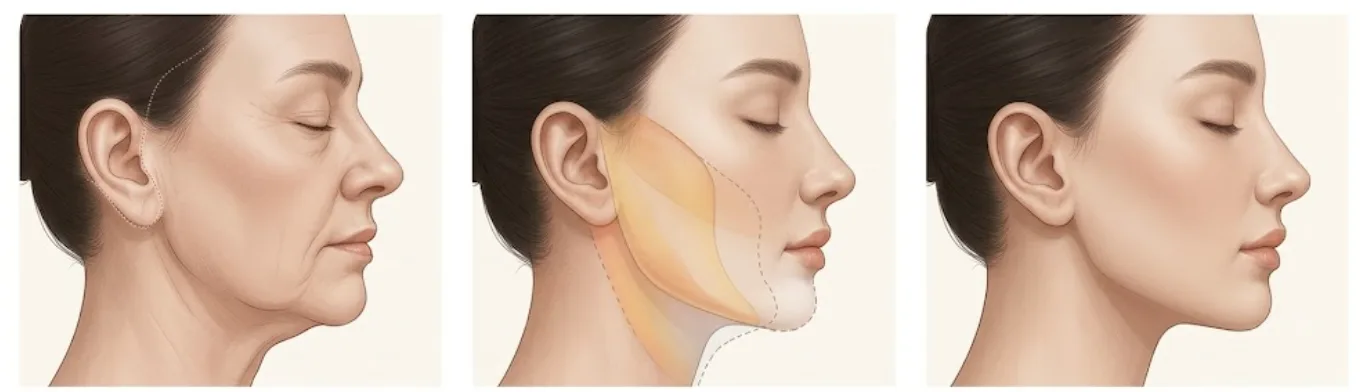
How much the season matters depends on how visible and how long your recovery is. A deep-plane facelift is the most season-sensitive of the three: it involves the most swelling and bruising, sutures come out around ten to fourteen days, and the settled result develops over weeks, so the discreet cover of cooler months and the comfort of avoiding summer heat are genuinely useful here.
Illustration: the deeper facial layer (SMAS, shown in yellow) is released and repositioned as one unit with the skin, rather than pulling the skin alone.
A rhinoplasty sits in the middle. There are dressings in the first days and stitches out at roughly a week, with early bruising around the eyes and nose that a mask helps hide, and residual swelling that keeps refining for some time. Many patients like a cooler window for the first conspicuous fortnight, though the nose is far less weather-dependent than a full facelift.
An upper-eyelid surgery is the least season-sensitive: recovery is relatively contained, stitches come out around a week, and sunglasses cover the early stage neatly in any season. If eyelid surgery is your only procedure, you can more or less choose the season purely on which time of year you would enjoy visiting Seoul.
Travel timing
Travel seasons, crowds and when to visit
Beyond your face, the calendar shapes the trip itself. Korea's peak tourist periods (the cherry-blossom weeks of spring, the autumn foliage, and major local holidays) mean busier flights, higher accommodation prices and fuller clinics. Travelling just outside those peaks can make it easier to secure surgery dates that line up with your ideal recovery window, and to find quiet accommodation close to the clinic.
Because recovery is not a sightseeing holiday, the goal is a calm, low-effort stay with no packed itinerary. A season with mild weather and manageable crowds makes the essential short trips to the clinic, for dressing changes, stitch removal and the final review, far less tiring. Let the medical schedule lead, then choose travel dates around it.
One firm rule: never book a non-refundable return based on the season alone. Healing varies between people, so a flexible ticket protects you if your surgeon wants one more look before clearing you. When that clearance comes is a medical decision. Our guide to when you can fly after surgery explains why it is set by the final review.
At Garnet
Planning your window with Garnet
Garnet is a single-surgeon clinic in Apgujeong, Seoul. Dr. In-Soo Baek is a board-certified plastic surgeon (Korean medical licence no. 77407) and the only operating doctor. He consults, operates and reviews every follow-up himself, and the day is capped at two surgeries so each case has unhurried time. That continuity means the person who advises you on timing is the person who will actually see you through recovery.
Because the same surgeon plans your dates, it is straightforward to fit a comfortable season around the medical schedule, and the surgery never has to be forced to fit a flight. Garnet is registered with Korea's foreign-patient programme, and a dedicated coordinator helps line up your surgery date, recovery days and the follow-up reviews at one, three and six months.
If you have a preferred season in mind, or a date you are healing toward, you can raise it in a no-obligation online assessment. Send photos, get a clear read on the procedure and a realistic recovery timeline, and only then choose the month that suits both your face and your travel plans.
Real Results
Before & After
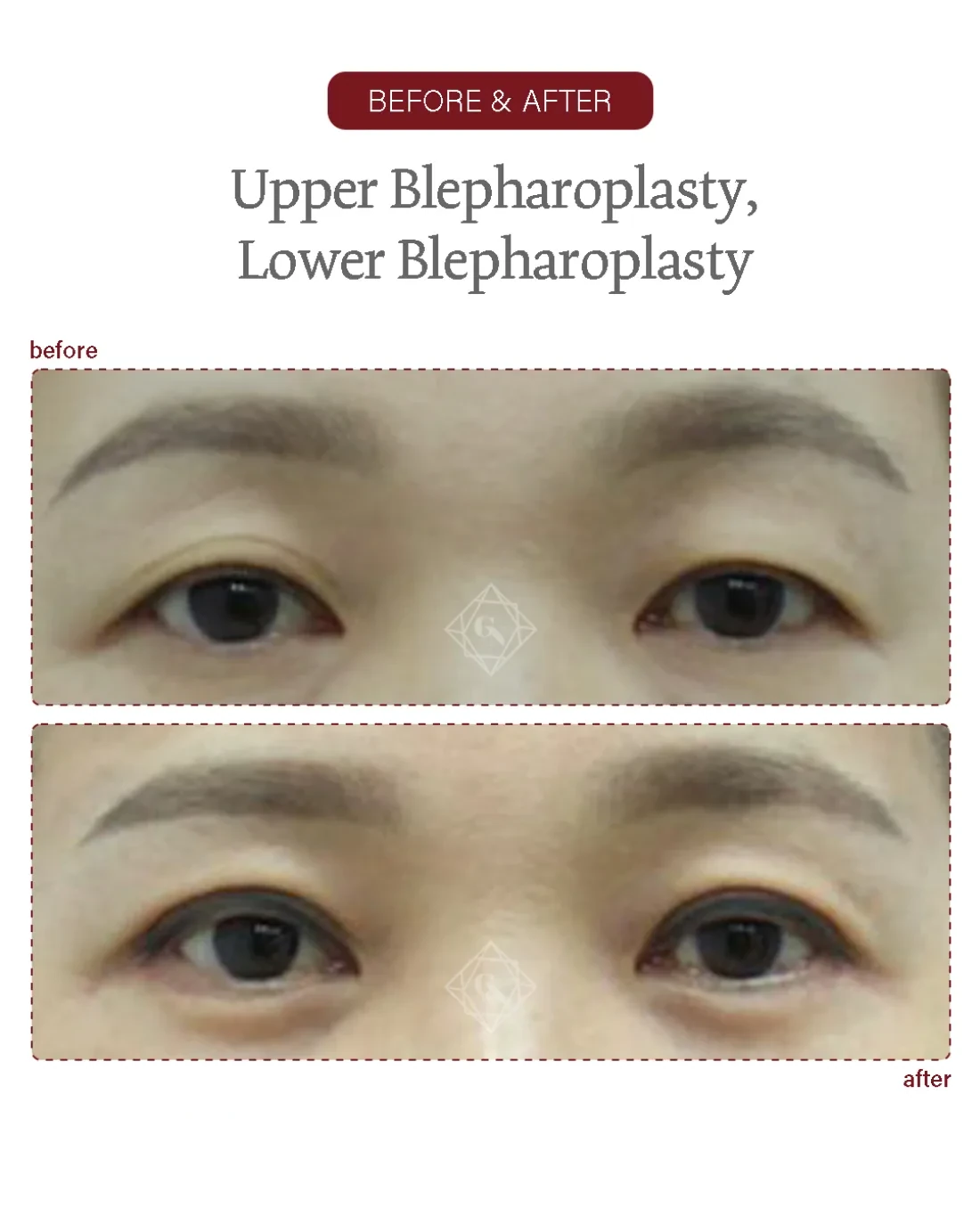
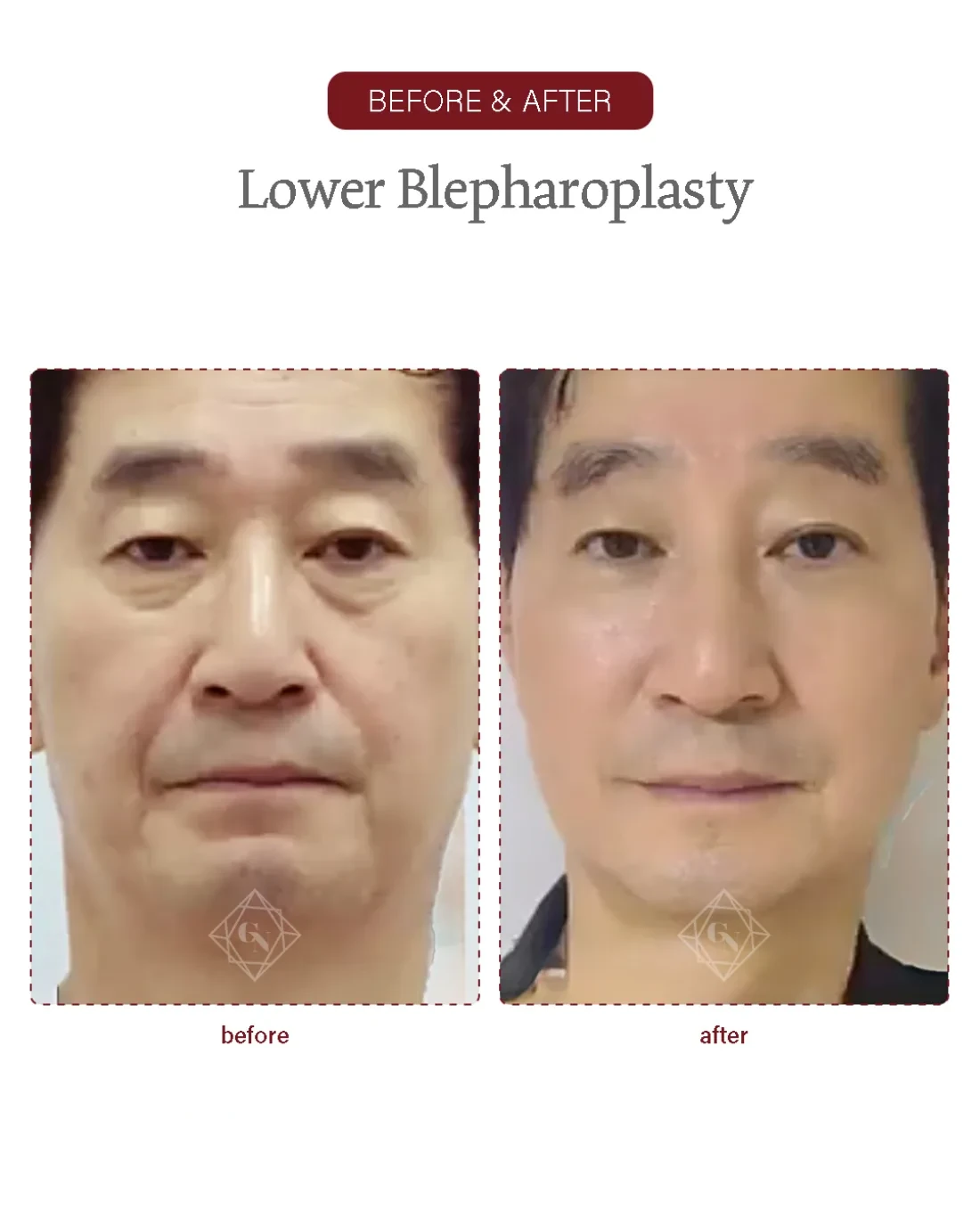
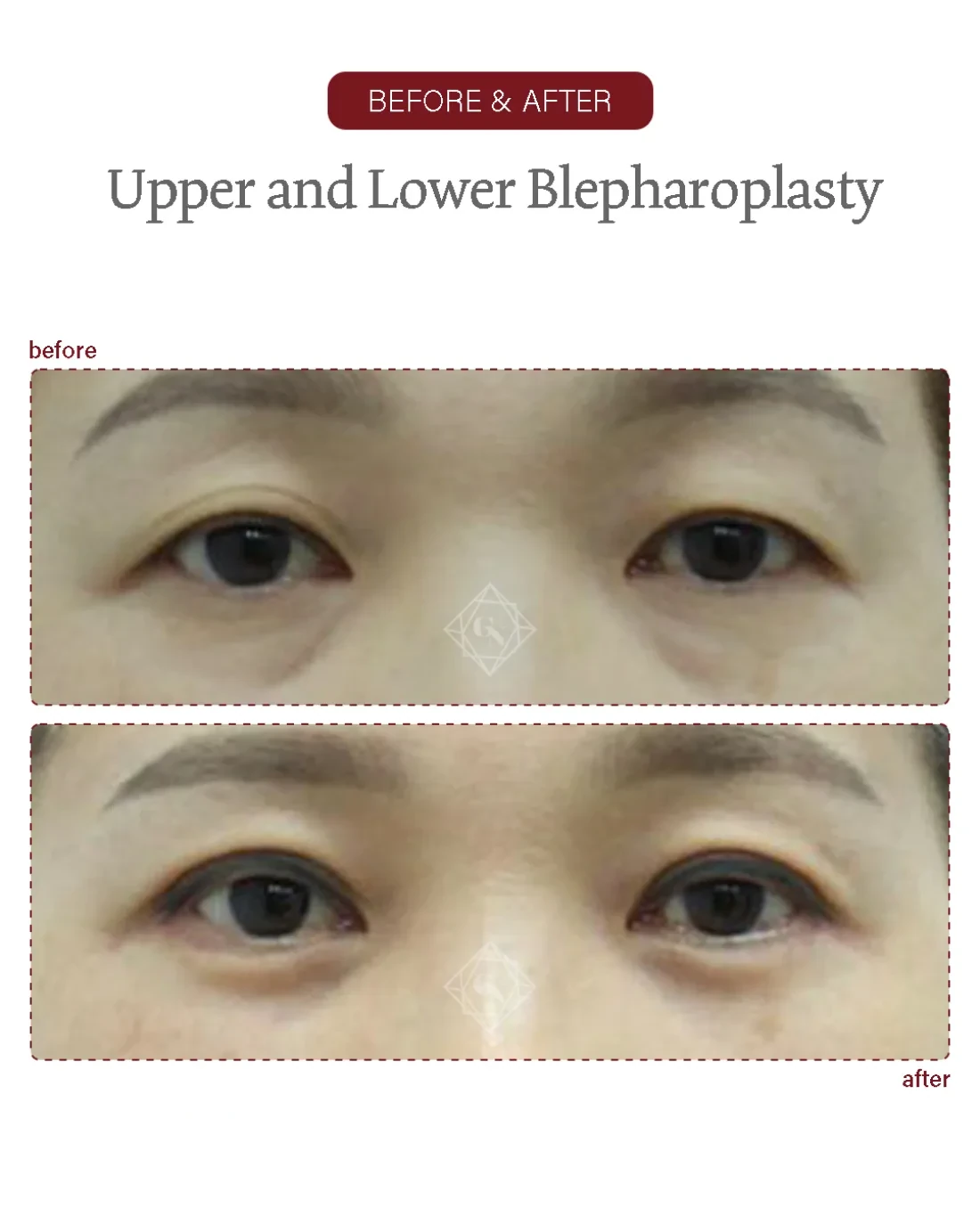
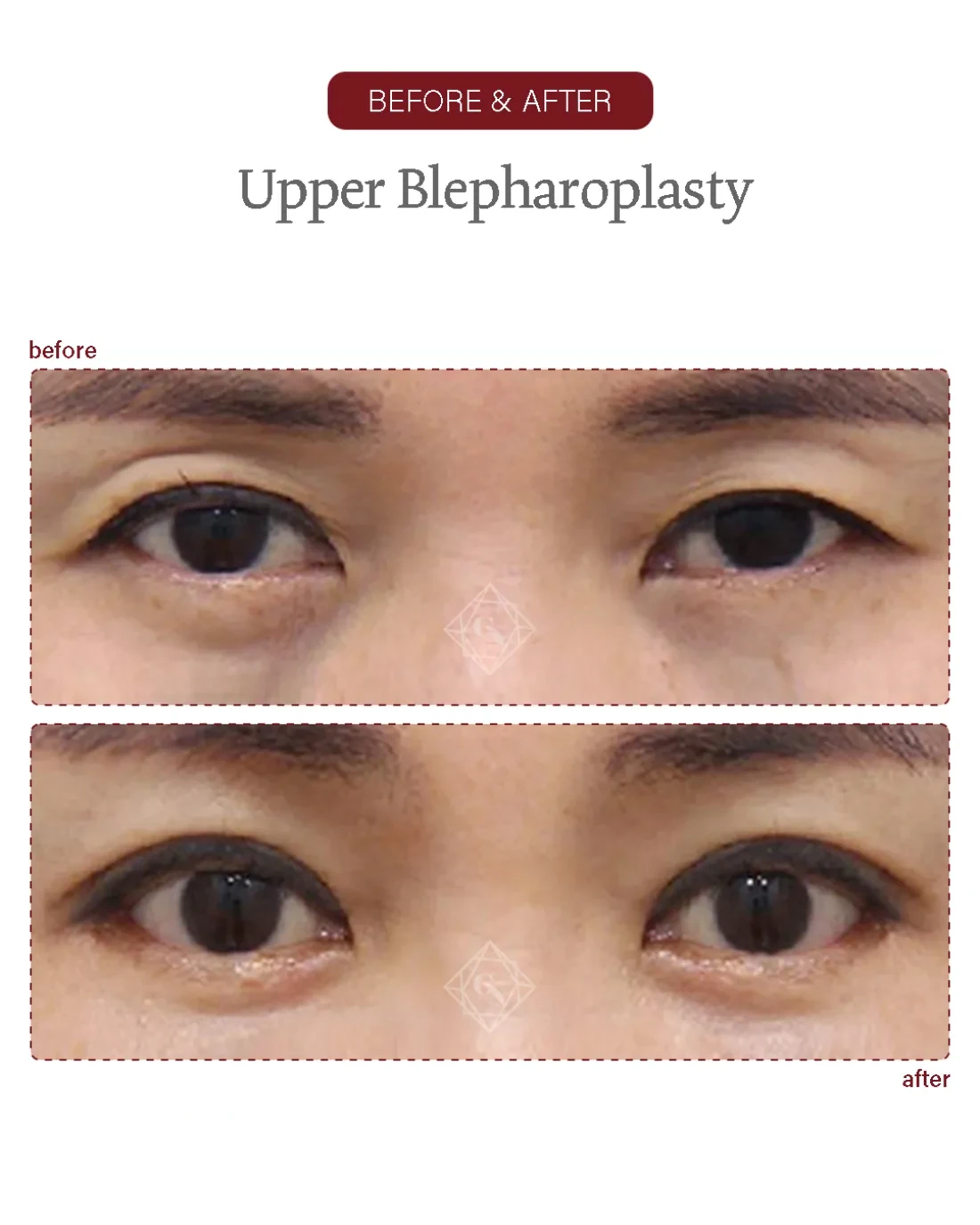
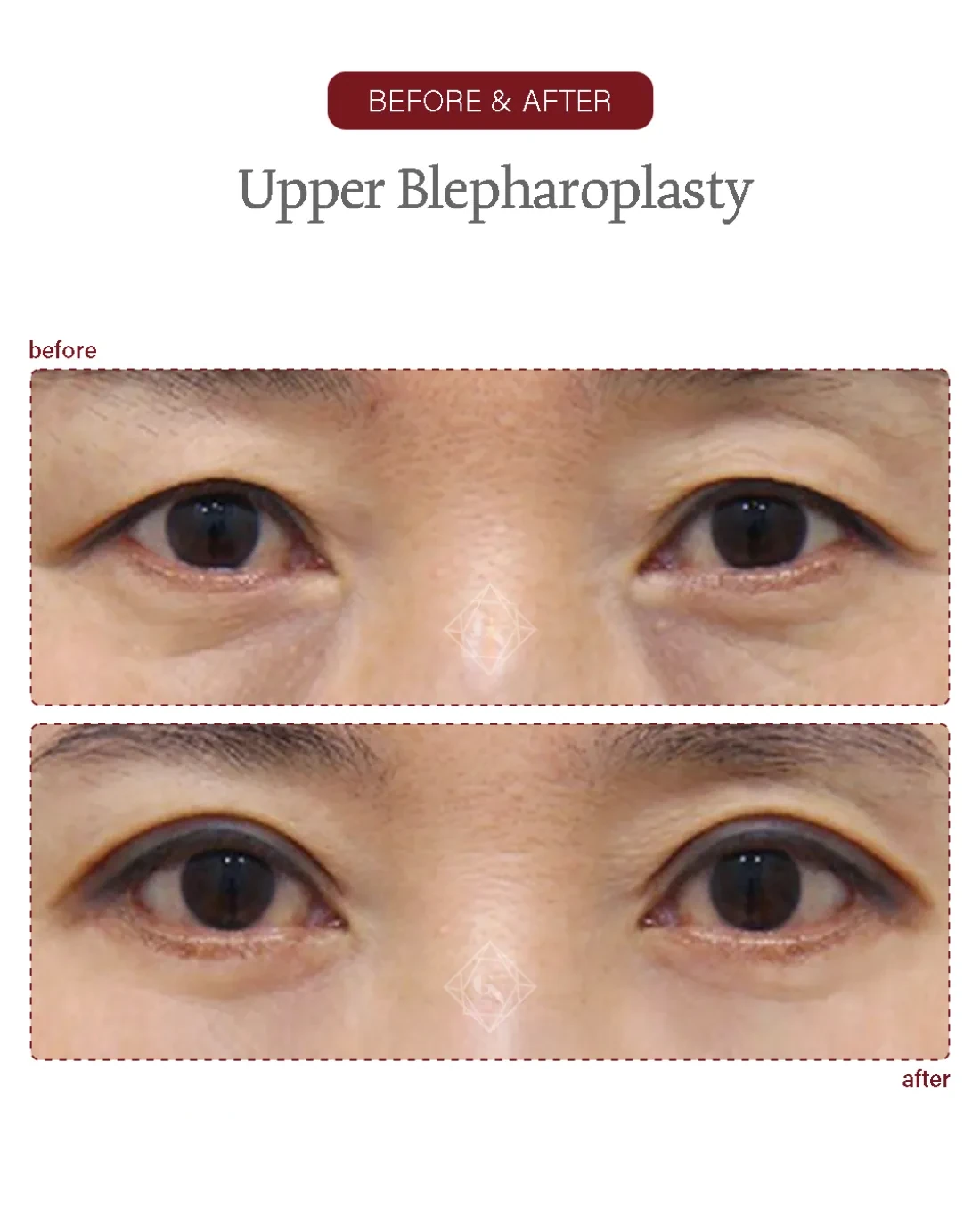
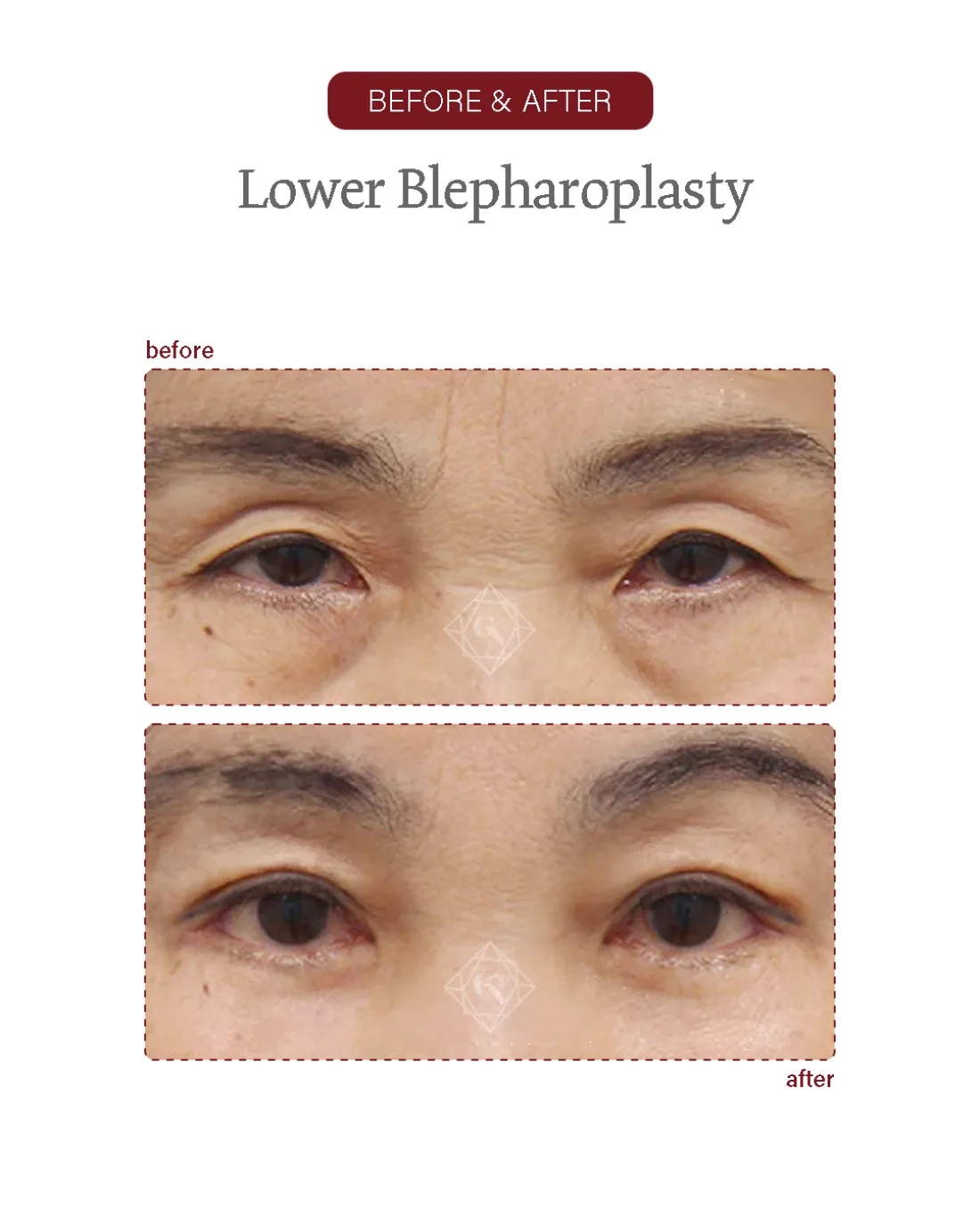
Eyelid before/after examples of actual Garnet patients (published with consent). Results, recovery and suitability vary by individual and are not guaranteed; the right approach is decided at an in-person consultation.
Prices
Price at Garnet
Upper blepharoplasty
From₩3,500,000 + VATExcluding VAT (10% VAT is added at payment)Book now
Same price as Korean patients. Prices shown exclude 10% VAT; your written quote, issued after the in-person consultation, shows the full amount payable.
Dr. In-Soo Baek
Director & sole operating surgeon
Korean medical licence no. 77407
Operate on what you came for. Trained at Korea University Medical Center. Every case planned, performed and reviewed by the same hands.
1Operating surgeon
~2Surgeries per day
7Registered techniques
Board-certified plastic surgeon
Plastic surgery training at Korea University College of Medicine & graduate school
Korean Society of Plastic and Reconstructive Surgeons member, in its facial-contour, eye & rhinoplasty groups
Consults, operates and follows up each case himself
Peer-reviewed papers behind the facts on this page. Each describes findings in its own study group — not results at Garnet — and none predicts your own outcome.
Ramírez B et al. Aesthetic Surgical Tourism: Physiological Changes During Flight That May Affect Patient Safety and Outcomes. Plastic and Reconstructive Surgery - Global Open. 2026. doi:10.1097/gox.0000000000007568
Keramidas E et al. Flying Following Breast Augmentation. How Safe is it? An Evidence-Based Report of 20 Years of Experience. Aesthetic Plastic Surgery. 2026. doi:10.1007/s00266-026-06028-2
Vaccari S et al. Literature Review: Venous Thromboembolism Prophylaxis in Plastic Surgery. Aesthetic Plastic Surgery. 2023. doi:10.1007/s00266-023-03508-7
FAQ
Common questions
Is there a best time of year for plastic surgery in Korea?
There is no medically best season. Your result depends on the surgeon and your healing. What the season changes is comfort: cooler months are easier for a swollen face and for covering up discreetly, while summer heat and humidity feel harder. Choose a window that leaves enough recovery time, and let your surgeon confirm the medical timing.
Does weather affect swelling and recovery?
Weather does not decide how much you swell, but it changes how it feels. Heat and humidity make a puffy face feel heavier and cause sweating around fresh incisions, while cool, dry air is often more comfortable. The bigger factor is sun, because fresh scars are sensitive to ultraviolet light, so a low-sun season makes protecting healing skin easier.
Is winter or summer better for facial surgery?
Many patients find winter more comfortable: cold, dry air feels easier on a swollen face, and hats, scarves and masks look ordinary while bruising settles. Summer heat, humidity and strong sun are less comfortable and make covering up awkward. Neither changes your result, only comfort, and indoor heating in winter can be drying, so keep skin moisturised.
Which season is best for a facelift specifically?
A deep-plane facelift is the most season-sensitive procedure because it involves the most swelling and bruising and the longest settling period, with sutures out around ten to fourteen days. Cooler months help you cover up and avoid summer heat while it heals. Your surgeon still sets the medical timing regardless of the season you choose.
Does the season matter for eyelid surgery?
Less than for other procedures. Upper-eyelid surgery has a relatively contained recovery, with stitches out around a week, and sunglasses hide the early stage in any season. If eyelid surgery is your only procedure, you can largely choose the season on when you would most enjoy visiting Seoul.
Should I avoid Korea's peak tourist seasons for surgery?
Peak periods (cherry-blossom spring, autumn foliage and major holidays) mean busier flights, higher prices and fuller clinics. Travelling just outside them can make it easier to secure surgery dates that match your ideal recovery window and to find quiet accommodation near the clinic. Recovery is a calm, low-effort stay, so mild weather and smaller crowds help.
Can I sightsee while recovering if the weather is nice?
Recovery is not a holiday, so plan a restful stay without a packed itinerary, whatever the season. Mild weather simply makes the essential short trips for dressing changes, stitch removal and the final review less tiring. Follow your surgeon's after-care, keep fresh incisions out of strong sun, and treat any sightseeing as gentle and optional.
Should I book my flights around the season?
Choose a comfortable season, but never book a non-refundable return on the season alone. Healing varies between people, so a flexible ticket protects you if your surgeon wants one more look before clearing you. When you can fly is a medical decision made at the final review (see when you can fly after surgery), and the weather does not decide it.
How far ahead should I plan around a season?
Start the conversation several weeks before your preferred window so there is time for a pre-assessment and to secure dates that leave room for the consultation, surgery and early follow-up. If you are healing toward an event, work backwards from that date first (see planning surgery around a wedding) and treat the season as a secondary preference.
Does Garnet help me choose the right time to visit?
Yes. Because the same board-certified surgeon plans your dates and follows your recovery, it is straightforward to fit a comfortable season around the medical schedule. A dedicated coordinator helps line up surgery, recovery days and the reviews at one, three and six months. You can raise your preferred window in a no-obligation online assessment.
My mom recently had a brow lift and lower blepharoplasty with Dr. Baek, and our experience has been wonderful so far. The Garnet team was incredibly kind and welcoming, with Kelly assisting us as our English consultant—she made everything…
I’m so happy I chose this clinic for my lower blepharoplasty. I was traveling from abroad by myself, so I was a little nervous, but from the beginning I felt comfortable and truly cared for. Everyone was kind, patient, and professional…
Came in for an in-person consult and ended up choosing Garnet and Dr.Baek for my non-incisional DES and tiplasty/alarplasty. I communicated with Kelly (English consultant) from the start till now (3 weeks post-op). She really help me feel…
My under-eyes have been sagging and folding for years... I tried to cover it up with makeup, but it actually got stuck in the wrinkles and made it stand out even more. While going for consultations, I noticed that the bigger the hospital…
Send photos and your question before you travel. An English-speaking coordinator reviews every enquiry and replies with guidance on whether surgery is appropriate, the likely plan and timing.
✓ Reviewed by the clinic coordinator, not a bot
✓ Photo-based pre-assessment before you fly
✓ Foreign-patient scheduling & after-care
✓ One surgeon for consultation, surgery and follow-up
Prefer to chat now? Reach the coordinator directly:









 T S7 months ago



