Pain is one of the most common worries before lower blepharoplasty, and the answer is reassuring: the lower eyelid is fully numbed first, so the operation itself is not painful, and the recovery is more about tightness, swelling and watering than about sharp pain. Knowing what to expect at each stage takes most of the worry out of it.
The short answer
Lower blepharoplasty is typically done under local anaesthesia, often with light sedation, so you do not feel the surgery, only brief stinging as the numbing is given.
Most patients describe the days afterwards as tightness, swelling, bruising and watery eyes, with little significant pain.
Discomfort is usually mild and well controlled with simple oral pain relief, cold compresses and head elevation.
At Garnet the same board-certified surgeon plans your anaesthesia, performs the operation and reviews your recovery, so pain management is consistent from consult to follow-up.
Lower blepharoplasty is usually performed under local anaesthesia, very often combined with light sedation so that you are relaxed and drowsy but not under full general anaesthetic. Local anaesthetic is injected around the lower lid to numb the whole working area; once it takes effect, the surgeon operates without you feeling the procedure. Sedation, where used, takes the edge off the experience so that time passes quickly and you are calm throughout. The exact anaesthetic plan is decided with your surgeon based on the extent of the work and your own preference and health, and at Garnet that plan is set by the same board-certified surgeon who performs the operation.
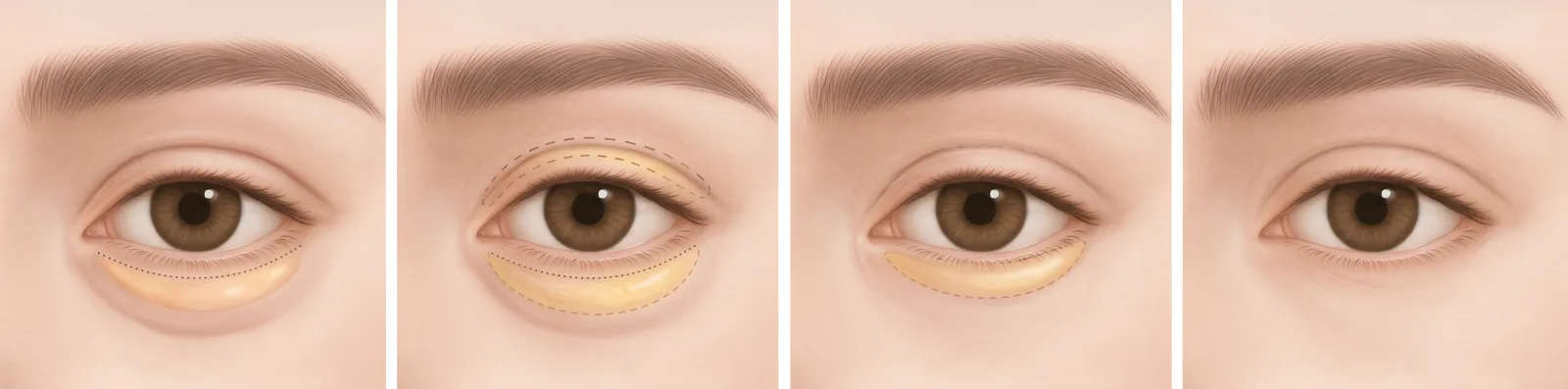
Illustration: through a fine line just below the lashes, the under-eye fat (yellow) is repositioned over the bony rim to fill the groove rather than removed.
The one moment you do feel is the numbing itself: a few seconds of stinging or pressure as the local anaesthetic goes in, much like at the dentist. This passes within moments, and from then on the area is numb. Because the procedure is done under local anaesthesia, you avoid the grogginess and longer recovery that general anaesthesia can bring, and you are usually able to go back to your accommodation the same day after a short period of observation.
If you are particularly anxious, it is worth raising that at consultation. The level of sedation can be adjusted within safe limits so that nervous patients are more comfortable, and knowing in advance exactly how the anaesthesia will feel removes a lot of the fear. There is no single right answer. The aim is an anaesthetic plan that keeps you safe and comfortable for your specific surgery.
During surgery
What you feel during the operation
Once the local anaesthetic has taken effect, you should not feel pain during the surgery. With the transcutaneous, four-step technique used at Garnet, the surgeon works through an incision just below the lash line to reposition fat, lift the deeper cheek fat, suspend the muscle and redrape the skin, all in an area that is fully numbed first. What patients sometimes notice is a sensation of pressure, gentle tugging or movement, which is normal and is not the same as pain. With sedation, even that awareness is reduced.
The operation is not long, and because it is carried out under local anaesthesia you remain stable and able to respond if the surgeon needs you to look in a particular direction. Many patients are surprised by how undramatic the experience is from the inside: the area is numb, you are relaxed, and the time passes. The careful, unhurried pace Garnet works at (a small number of cases each day, one patient at a time) means the surgery is done methodically, which also makes the experience calmer.
If at any point you do feel a sharp sensation, the surgeon can top up the local anaesthetic immediately, so there is no need to endure discomfort. This is one practical advantage of being awake or lightly sedated under local: comfort can be adjusted in real time. The takeaway is that the operation itself is one of the easier parts. The recovery, covered next, is where most of the sensation actually happens.
First days
How much it hurts in the first days
Most patients describe the first few days after lower blepharoplasty as uncomfortable more than painful. The dominant sensations are tightness around the lower lid, swelling, bruising that can spread into the cheek, and eyes that water or feel gritty as they settle. There can be a dull ache or a sense of pressure, especially on the first night, but sharp pain is uncommon and, when it occurs, is usually mild and short-lived. On the scale most people use, the discomfort sits well below what they feared.
Bruising and swelling tend to peak around day two or three and then steadily improve. The under-eye may feel taut and look worse before it looks better, which is normal and not a sign that anything is wrong. Watering, light sensitivity and a slightly stiff lower lid are all expected as the tissues calm down. The external sutures used with the transcutaneous approach are typically removed at around seven days, and many people notice an emotional lift simply from getting the stitches out and seeing the area begin to settle.
What is not normal, and worth flagging quickly, is rapidly increasing pain, pain that is one-sided and severe, sudden swelling, changes in vision, or anything that feels out of step with steady improvement. These are uncommon, but knowing the difference between expected soreness and a red flag is part of recovering calmly. A clinic that gives you clear guidance and a direct line for questions makes that distinction much easier to manage from abroad.
Managing it
How the discomfort is managed
Day-to-day comfort after lower blepharoplasty is managed with simple measures that work well. Cold compresses in the first 48 hours reduce swelling and soothe the area; keeping your head elevated, including propped up while sleeping, limits fluid pooling under the eyes; and gentle, sensible activity avoids straining the area. Most people manage with oral pain relief of the kind used for everyday aches, and stronger medication is rarely needed for this operation.
Eye comfort matters as much as pain. Lubricating drops or ointment help with the gritty, watery feeling while the lower lid settles, and protecting the eyes from wind, dust and bright light makes the early days easier. Avoiding alcohol, heavy salt, smoking and vigorous exercise in the first week reduces swelling and supports smooth healing. Your surgeon will give you a specific aftercare routine, and following it closely is the single most reliable way to keep discomfort low.
If you have travelled for surgery, having clear written instructions and a way to ask questions is part of pain management too, because uncertainty makes mild discomfort feel worse. Whether the operation suits you in the first place is covered on the candidacy page. At Garnet the structured follow-up at one, three and six months, along with the ability to check in by messenger after you return home, means you are not left guessing about whether what you feel is normal. You can ask about anaesthesia and recovery comfort in advance through an online consultation.
Comfort timeline
What comfort looks like week by week
Day of surgery: the area is numb from the local anaesthetic, and as it wears off you feel tightness and a mild ache without sharp pain; cold compresses and rest are the priority. Days one to three: swelling and bruising peak, the lower lid feels taut, eyes may water, and any discomfort is usually well controlled with simple pain relief. This is the busiest stretch for sensation, but it is more nuisance than agony for most people.
Around day seven: the external sutures are removed, the lid feels less tight, and bruising is fading or easily covered. From the second week, most patients are comfortable in daily life, with residual swelling and a slightly stiff or numb feeling under the eye that continues to improve. Numbness near the incision is common for several weeks and resolves gradually as the nerves recover. It is a sensation change, not pain.
Over the following weeks and months the under-eye continues to soften and settle, and any lingering tightness eases. Because the result matures over time, Garnet reviews you at one, three and six months, which is also when subtle comfort issues, such as a stiff spot or an area of numbness, can be checked and reassured. For most patients, by the time they reach the later follow-ups, comfort is no longer something they think about. This page is a deep dive on the pain question only; for the full procedure overview, see the lower blepharoplasty page.
At Garnet
How Garnet keeps you comfortable
Garnet is a single-surgeon clinic in Apgujeong, Seoul. Dr. In-Soo Baek is a board-certified plastic surgeon (Korean medical licence no. 77407) and the only operating doctor — he plans your anaesthesia, performs the surgery himself and reviews every follow-up. That continuity matters for comfort: the person who numbed you and operated is the same person who assesses your recovery, so nothing about your pain management gets handed off or lost between staff.
The clinic works at a deliberately unhurried pace, with a small number of cases each day and one patient at a time, so the surgery is methodical and you are not processed through a production line. A dedicated coordinator stays with you from consultation through recovery, which makes asking questions easy when you are unsure whether a sensation is normal. There is no consultation or imaging fee, and no pressure to book the same day.
If anxiety about pain is holding you back, the most useful thing you can do is ask before you commit. Through an online consultation you can talk through the anaesthesia plan, what the operation feels like and how recovery is managed, and get a pre-assessment of your case, all before you book a trip. Knowing exactly what to expect is, for most patients, the ideal painkiller of all.
Real Results
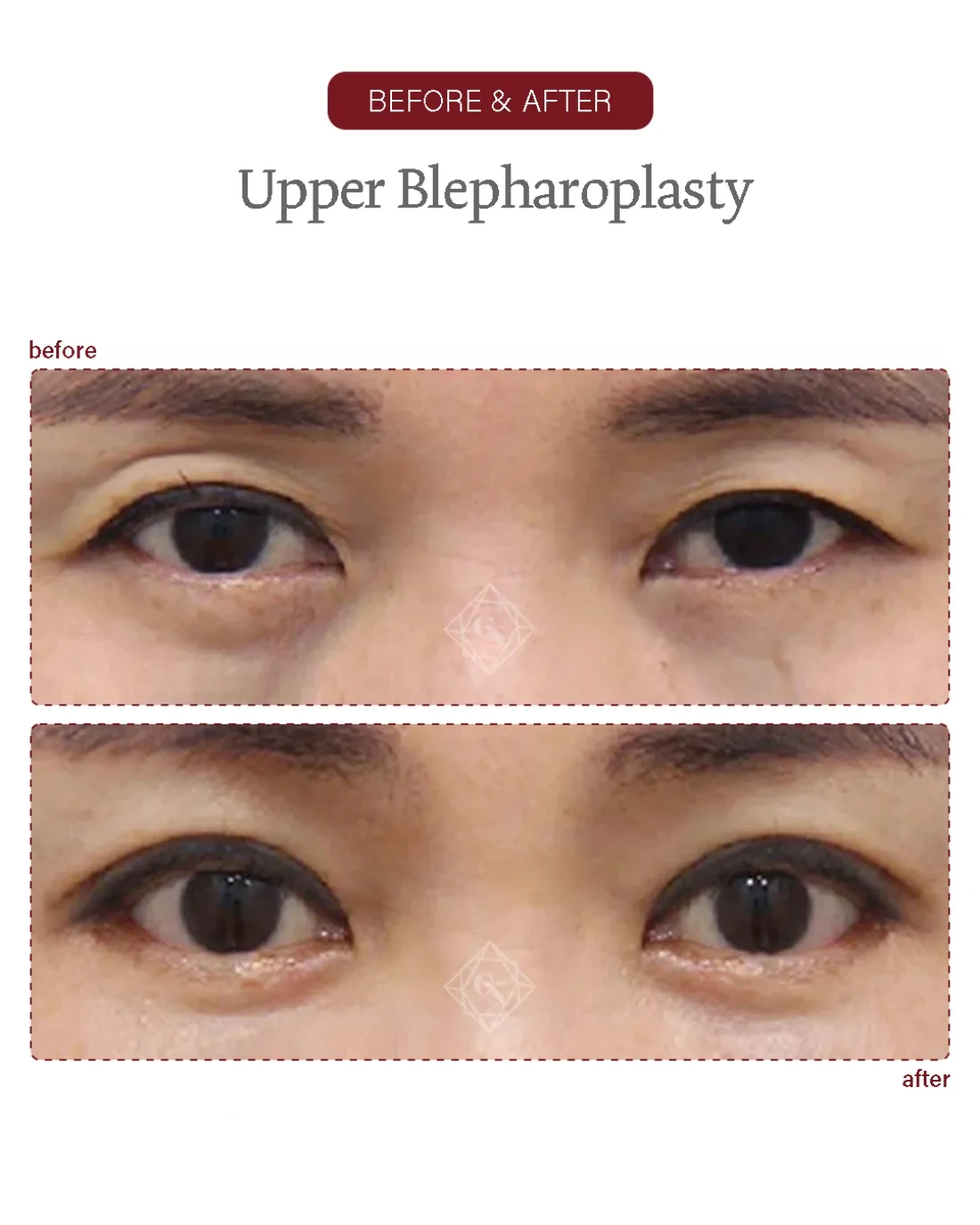
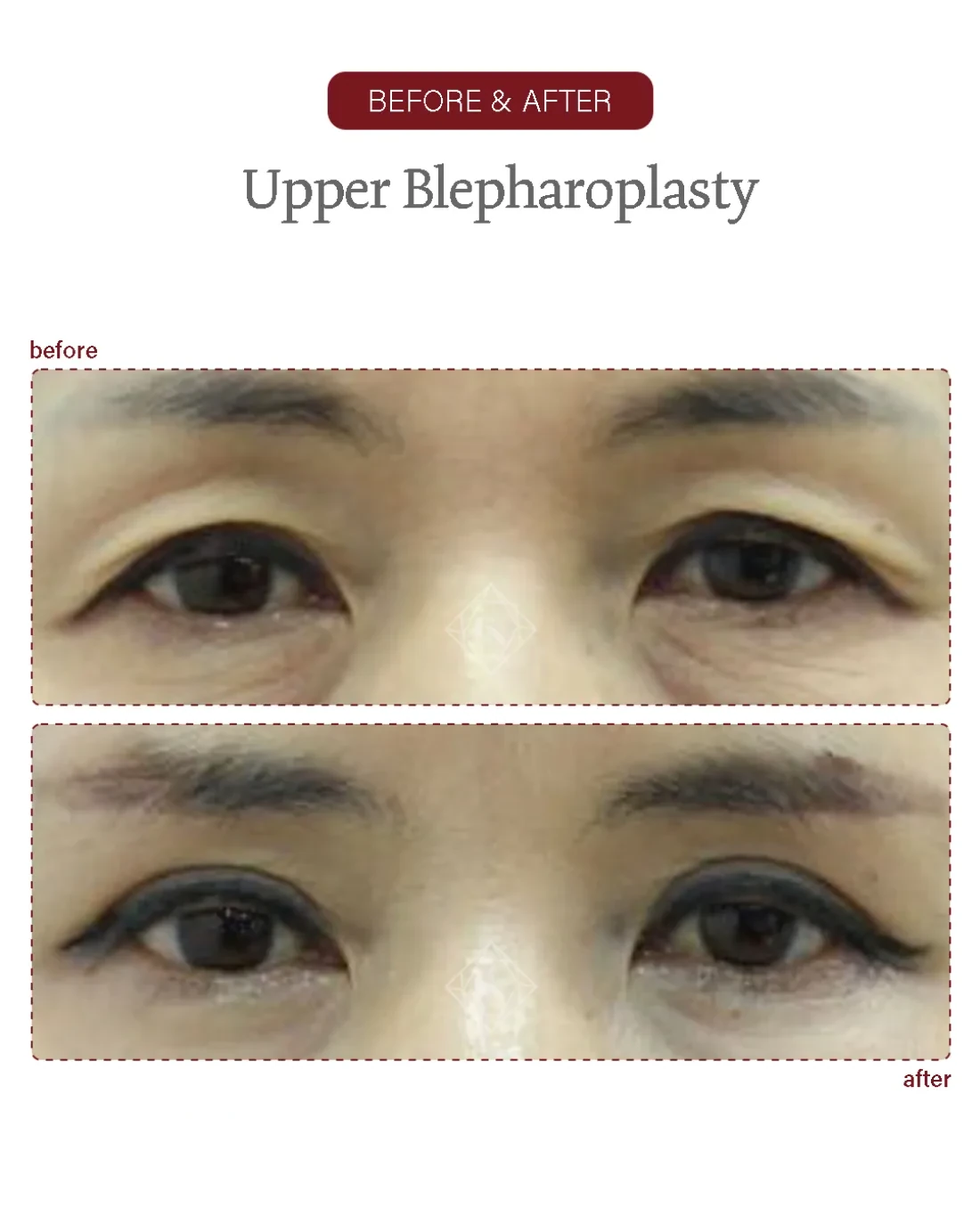
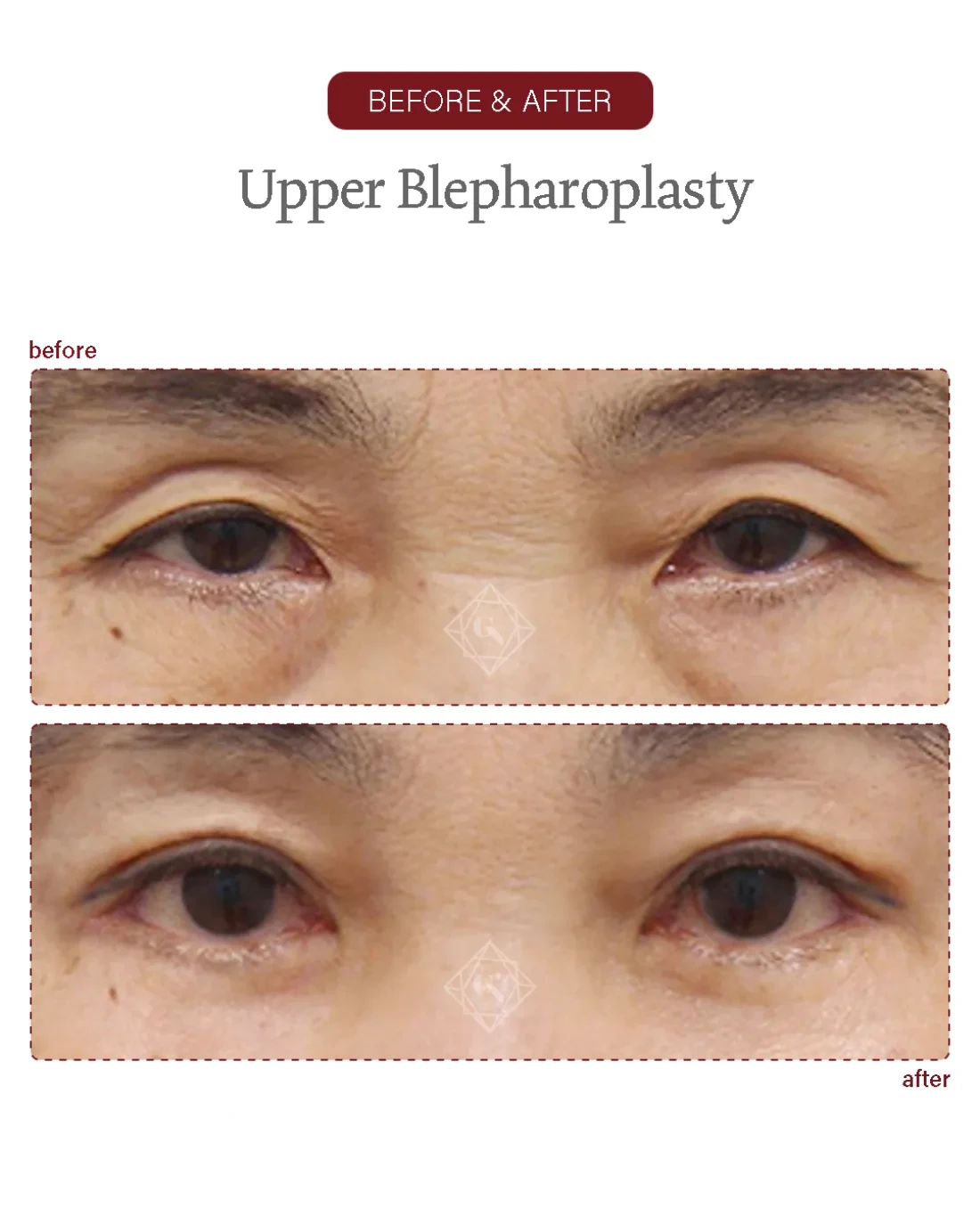
Before & After
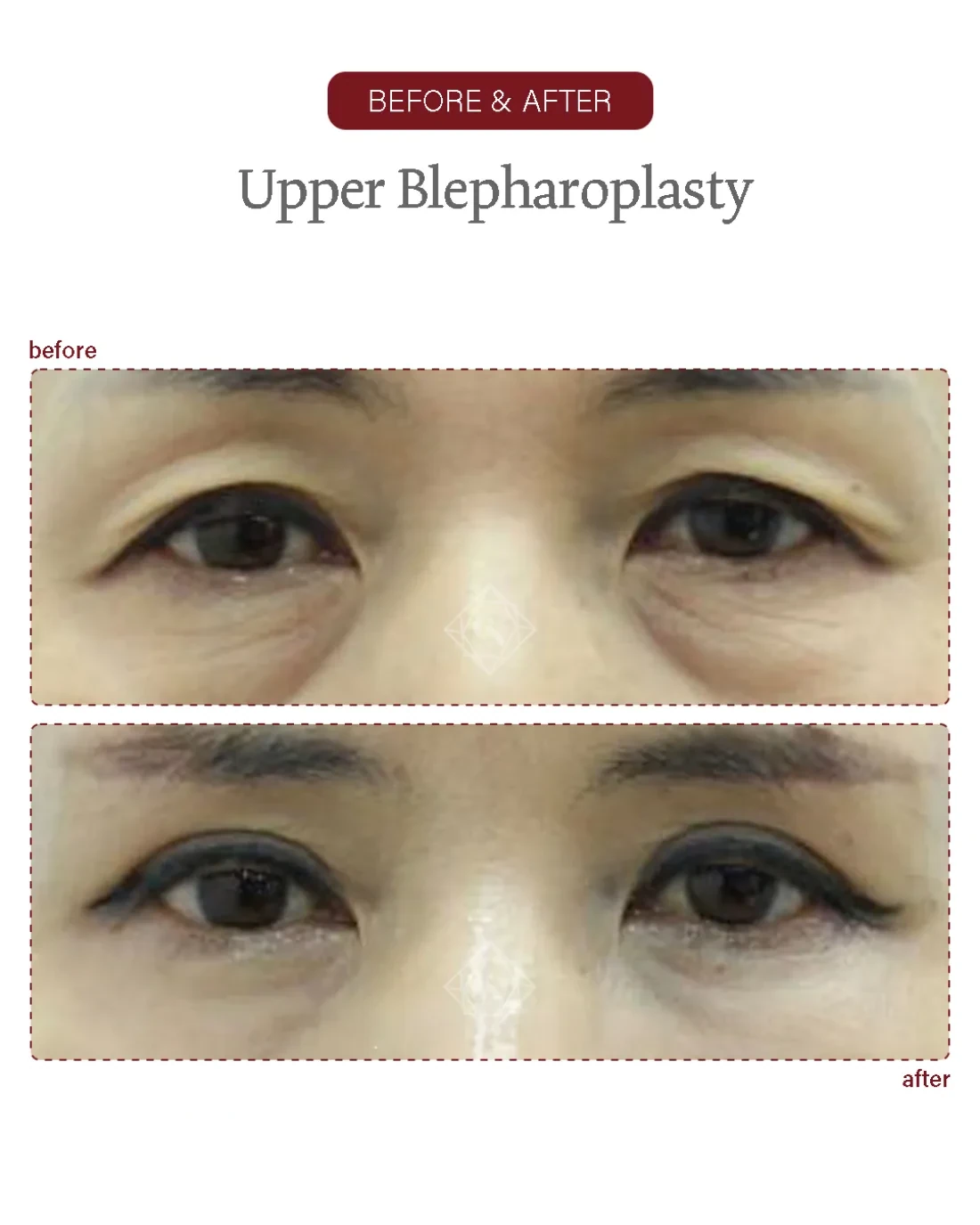
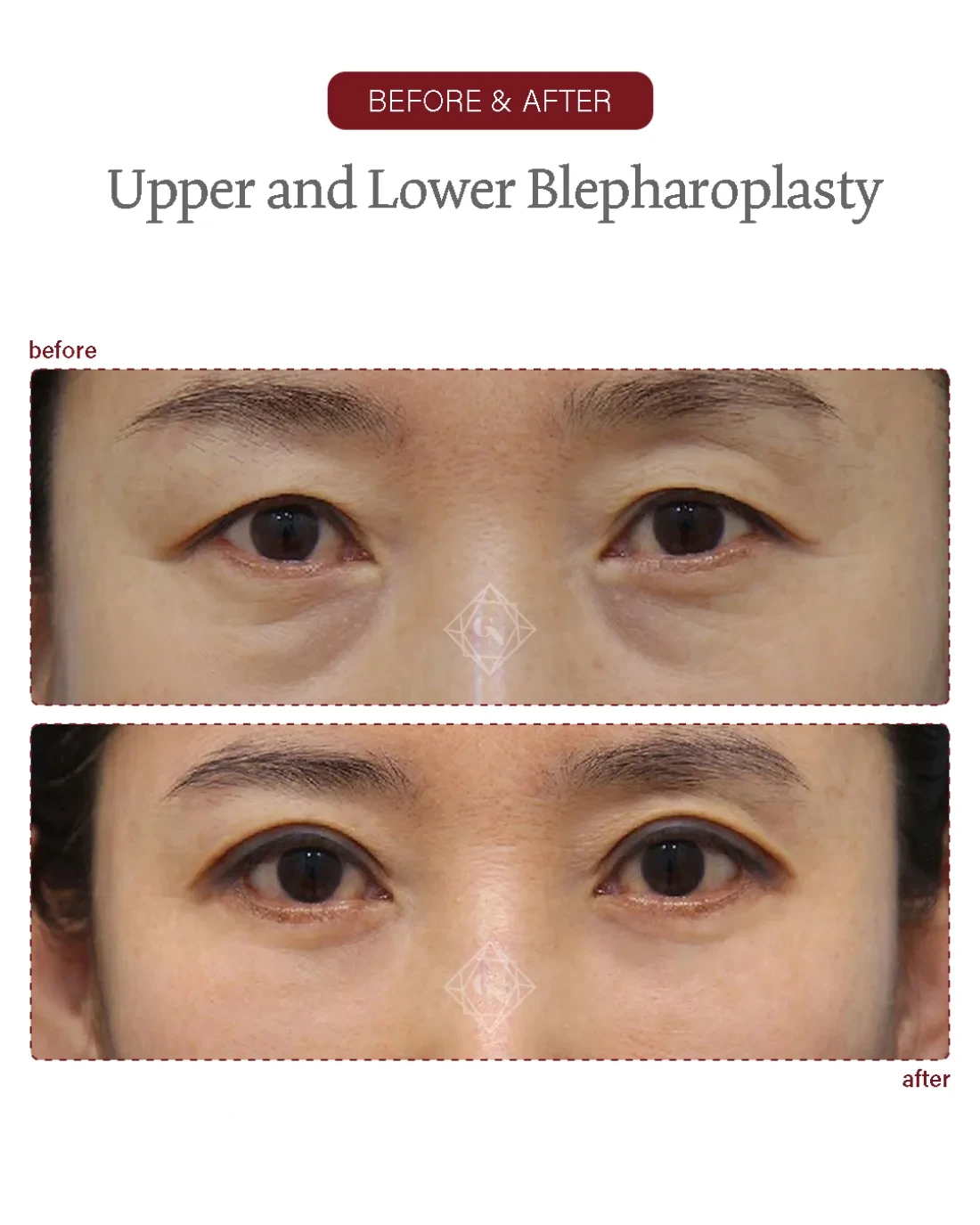
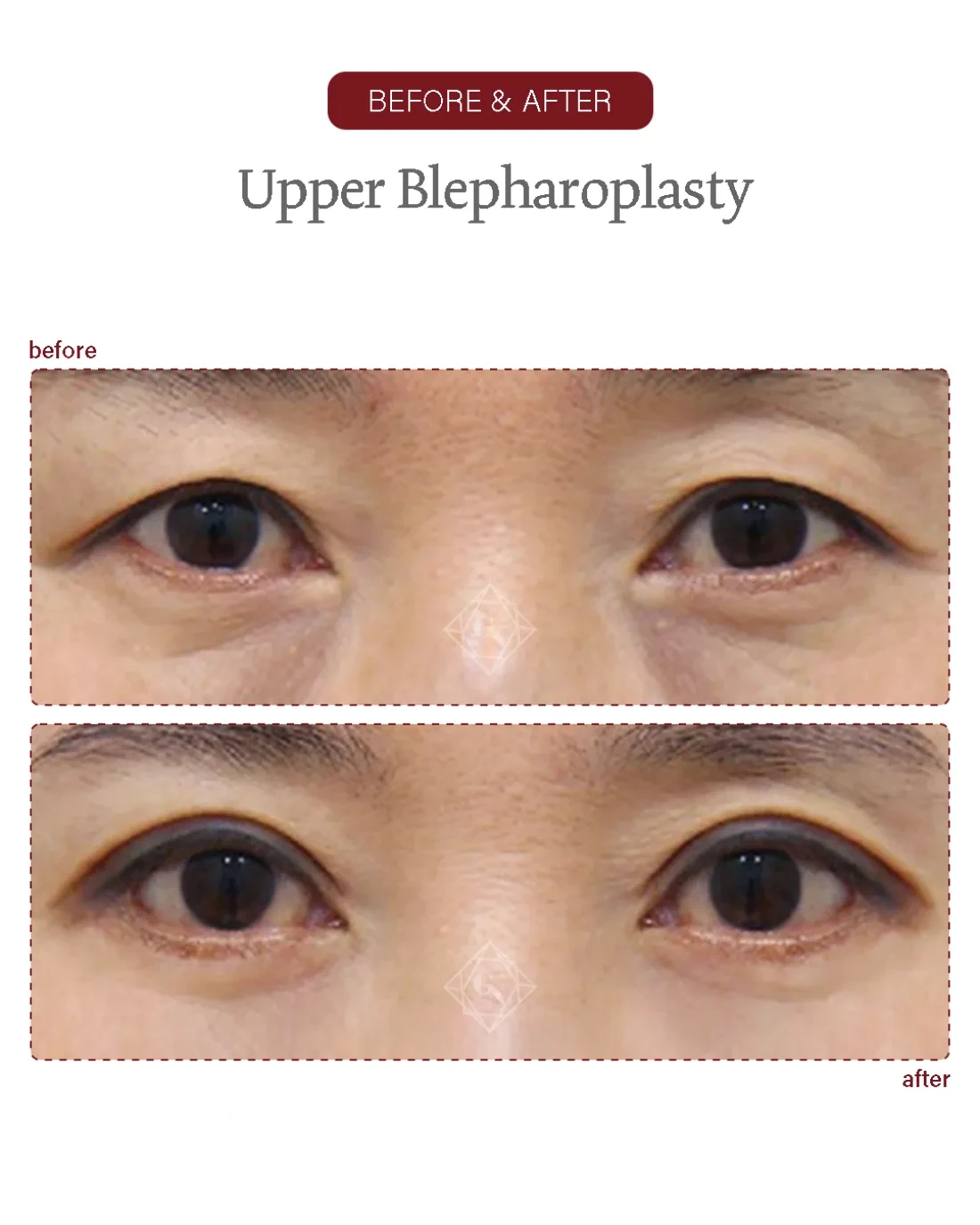
Eyelid before/after examples of actual Garnet patients (published with consent). Results, recovery and suitability vary by individual and are not guaranteed; the right approach depends on an in-person examination.
Prices
Price at Garnet
Lower blepharoplasty
From₩3,500,000 + VATExcluding VAT (10% VAT is added at payment)Book now
Same price as Korean patients. Prices shown exclude 10% VAT; your written quote, issued after the in-person consultation, shows the full amount payable.
Dr. In-Soo Baek
Director & sole operating surgeon
Korean medical licence no. 77407
Operate on what you came for. Trained at Korea University Medical Center. Every case planned, performed and reviewed by the same hands.
1Operating surgeon
~2Surgeries per day
7Registered techniques
Board-certified plastic surgeon
Plastic surgery training at Korea University College of Medicine & graduate school
Korean Society of Plastic and Reconstructive Surgeons member, in its facial-contour, eye & rhinoplasty groups
Consults, operates and follows up each case himself
Peer-reviewed papers behind the facts on this page. Each describes findings in its own study group — not results at Garnet — and none predicts your own outcome.
Chen CF et al. Carbon Dioxide Laser Transconjunctival Lower Blepharoplasty: An Objective and Quantitative Comparison to Monopolar Electrosurgery. Plastic & Reconstructive Surgery. 2023. doi:10.1097/prs.0000000000010255
Wong CH. Advanced Approach to Asian Lower Blepharoplasty. Clinics in Plastic Surgery. 2023. doi:10.1016/j.cps.2022.07.010
Nahai F et al. An Overview of Surgical Approaches for Lower Eyelid Blepharoplasty. Aesthetic Surgery Journal. 2023. doi:10.1093/asj/sjad245
FAQ
Common questions
Is lower blepharoplasty painful?
The operation itself is not painful. It is done under local anaesthesia, often with light sedation, so you do not feel the surgery, only brief stinging as the numbing is given. Afterwards most patients report tightness, swelling and watery eyes with little significant pain, usually well controlled with simple pain relief.
What anaesthesia is used for lower blepharoplasty?
It is most commonly performed under local anaesthesia, frequently combined with light sedation so you are relaxed but not under full general anaesthetic. The exact plan is decided with your surgeon based on the extent of the work and your health, and can be adjusted for anxious patients within safe limits.
Will I be awake during the surgery?
Often you are awake but very relaxed under local anaesthesia with light sedation, without being fully asleep. The area is completely numbed, so you may notice pressure or gentle movement but not pain. Being awake under local also lets the surgeon top up the anaesthetic instantly if you feel anything sharp.
How much discomfort is there after lower blepharoplasty?
Most people describe the first days as uncomfortable more than painful: tightness, swelling, bruising and watery, gritty eyes. Any ache is usually mild and managed with everyday oral pain relief, cold compresses and keeping the head elevated. Strong painkillers are rarely needed for this operation.
When does the discomfort peak and settle?
Swelling and bruising usually peak around day two or three and then steadily improve. The external sutures come out at about seven days, after which the lid feels much less tight, and most patients are comfortable in daily life from the second week, with residual numbness easing over the following weeks.
How is the pain managed at home?
With simple measures: cold compresses for the first 48 hours, head elevation including while sleeping, lubricating eye drops for the gritty feeling, and over-the-counter-style oral pain relief as advised. Avoiding alcohol, salt, smoking and strenuous activity in the first week keeps swelling and discomfort down.
Is numbness under the eye normal?
Yes. A numb or slightly stiff feeling near the incision is common for several weeks after lower blepharoplasty and gradually resolves as the nerves recover. It is a change in sensation without pain, and it is one of the things your surgeon checks at follow-up to reassure you it is settling.
What kind of pain is a warning sign?
Rapidly increasing pain, severe one-sided pain, sudden swelling, or any change in vision are not part of normal recovery and should be reported promptly. These are uncommon, but knowing the difference between expected soreness and a red flag, and having a direct line to ask, keeps recovery calm, especially from abroad.
Can I discuss anaesthesia before travelling to Korea?
Yes. You can talk through the anaesthesia plan, what the surgery feels like and how recovery is managed in an online consultation, and get a pre-assessment of your case before you book. Knowing exactly what to expect removes much of the anxiety about pain ahead of time.
My mom recently had a brow lift and lower blepharoplasty with Dr. Baek, and our experience has been wonderful so far. The Garnet team was incredibly kind and welcoming, with Kelly assisting us as our English consultant—she made everything…
I’m so happy I chose this clinic for my lower blepharoplasty. I was traveling from abroad by myself, so I was a little nervous, but from the beginning I felt comfortable and truly cared for. Everyone was kind, patient, and professional…
Came in for an in-person consult and ended up choosing Garnet and Dr.Baek for my non-incisional DES and tiplasty/alarplasty. I communicated with Kelly (English consultant) from the start till now (3 weeks post-op). She really help me feel…
My under-eyes have been sagging and folding for years... I tried to cover it up with makeup, but it actually got stuck in the wrinkles and made it stand out even more. While going for consultations, I noticed that the bigger the hospital…
Send photos and your question before you travel. An English-speaking coordinator reviews every enquiry and replies with guidance on whether surgery is appropriate, the likely plan and timing.
✓ Reviewed by the clinic coordinator, not a bot
✓ Photo-based pre-assessment before you fly
✓ Foreign-patient scheduling & after-care
✓ One surgeon for consultation, surgery and follow-up
Prefer to chat now? Reach the coordinator directly:









 T S7 months ago



