Ptosis correction at Garnet uses an incision in the natural upper-eyelid crease, so there is a real scar, but its placement is designed to make it one of the least conspicuous scars in facial surgery. Almost everyone considering the operation asks whether it will leave a visible mark.
The short answer
Garnet's ptosis correction is incisional, and the incision is placed along the natural upper-lid crease, so the scar sits in the fold that forms when your eye is open.
A fresh incision looks pink or slightly raised at first; over weeks to months it typically flattens and fades to a fine line hidden in the crease.
Scarring is influenced by technique, by how you care for the area while it heals, and by your own skin, so results vary between people.
A single-surgeon clinic, where the same board-certified surgeon operates and reviews healing at set follow-ups, means scar progress is tracked by the person who made the incision.
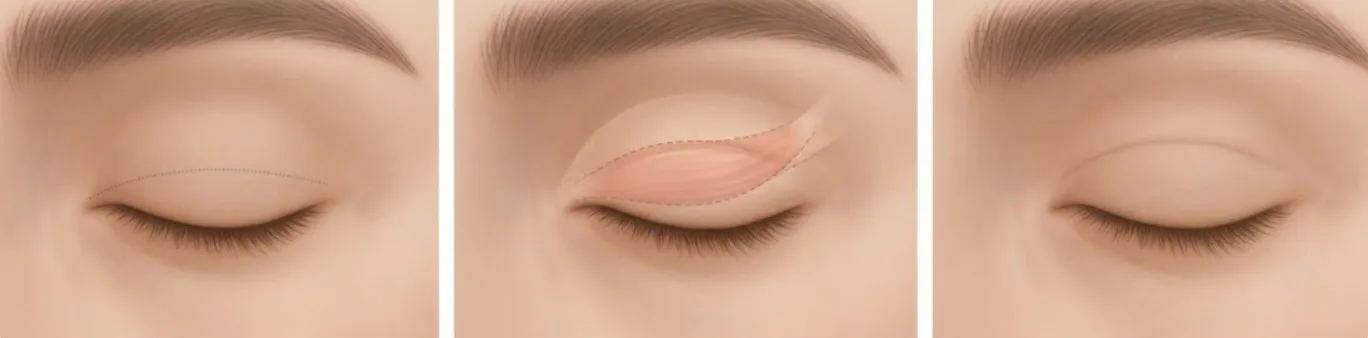
At Garnet, ptosis correction is an incisional procedure: to reach and adjust the strength of the eye-opening muscle, the surgeon makes an incision along the natural upper-lid crease. This placement is deliberate. The crease is the fold that appears when your eye is open, so the healed line falls into that fold and is largely hidden when your eyes are open and looking ahead, which is how people see you most of the time.
Illustration: through the crease line, the muscle that opens the eye (shown beneath the lid) is tightened so the lid rests higher.
The incision follows your existing crease and does not cross it, so it works with the eyelid's natural anatomy. If ptosis correction is combined with a double-eyelid procedure, the same crease incision often serves both, so you are not adding a separate scar. The result aimed for is a clean, even crease line on each side that does not draw the eye.
It is worth understanding why an incision is used at all. Adjusting the levator, the muscle that lifts the lid, reliably and durably is done through a precise opening in the crease. The trade-off for that reliability is a fine incision line, placed where it is least likely to be noticed.
How it heals
How the scar heals over time
Healing follows a predictable arc, even though the timeline varies between people. In the first week the incision is a fresh line, often slightly swollen, and the sutures are removed at about seven days. At this stage the crease can look tight, a little high and pink. This is the start of healing, and it is the most common reason people worry unnecessarily.
Over the following weeks the line settles: swelling subsides, the crease softens and the redness begins to fade. Scars commonly look their pinkest in the early weeks and then gradually pale, so a line that seems obvious at one month is usually far less so by three. Full maturation, when the scar reaches its final, quietest appearance, typically takes several months, sometimes up to a year, as the tissue remodels.
Eyelid skin is thin and tends to heal into fine, discreet lines, which is part of why upper-lid crease scars are generally so forgiving. That said, the pace and final look depend on your own skin and how you care for the area, so two people can have the same surgery and slightly different scar timelines.
Visibility
How visible the scar really is
For most people the settled scar is a fine line sitting within the lid crease, hard to see when the eyes are open and looking forward. It can be more noticeable when you close your eyes or look down, because that brings the crease into view. This is normal and is true of crease-based eyelid surgery in general. Many patients find that once it has matured, they simply stop noticing it.
Realistic expectations help here. A scar is not the same as no mark at all; the realistic goal is a discreet line that blends into your natural crease. How well it blends depends on the cleanness of the closure, your skin and the healing course, which is exactly why an unhurried, precise operation and careful after-care matter more than any single product.
If you wear eyelid makeup, most people can return to it once the area has fully healed and the surgeon has confirmed it is settled, which makes an already discreet line even less apparent. Ask at your follow-up when that is appropriate for you.
Scar care
Helping the scar heal as well as possible
The healing period rewards patience and gentle care. In the early days keep the incision clean and follow your after-care instructions exactly: avoid rubbing or stretching the eyelid, and resist picking at any crusting along the line, which can disturb a settling scar. Cool compresses, if advised, help with the early swelling that makes the crease look higher than it will end up.
Once the incision has closed and the surgeon confirms it is safe, sun protection matters: a fresh scar can darken with sun exposure, so shade, sunglasses and protecting the area help it fade evenly. Any scar-care measures, such as silicone-based products, should be started only on your surgeon's advice and at the right stage. The fresh wound is left alone. There is no single product that overrides good technique and time; consistency over the weeks of healing is what helps.
Just as important is not judging the scar too early. The crease looks its most obvious in the first weeks and quietens steadily afterwards, so giving it time before forming a verdict prevents needless worry. For how this fits into overall healing, see the sibling guide on the ptosis correction recovery timeline.
Red flags
When a healing scar warrants a review
Most scars heal uneventfully, but it helps to know what is worth a check. A line that becomes increasingly red, raised, hard or itchy over time, and does not fade, can signal a thickened scar that benefits from earlier attention. Spreading redness, warmth, increasing pain or discharge are not normal scar behaviour and should be reviewed promptly, as should a crease that looks markedly uneven between the two sides once early swelling has gone.
The reassuring point is that these are uncommon, and that having a clear line of contact makes them easy to manage. Knowing in advance what is normal (pink, slightly raised, gradually fading) versus what is not means you can relax through the ordinary course and act early on the rare exception.
If you are an international patient who has flown home, this is where remote follow-up earns its place: you can send a photo and get a calm, informed answer about your eyelid. Reviewing your healing with the same surgeon who operated keeps small concerns small.
At Garnet
How Garnet approaches scars and healing
Garnet is a single-surgeon clinic in Apgujeong, Seoul. Dr. In-Soo Baek is a board-certified plastic surgeon (Korean medical licence no. 77407) and the only operating doctor. He places the crease incision, performs the muscle adjustment himself, and reviews how the scar settles at structured follow-ups at one, three and six months. Because the same surgeon who made the incision tracks its healing, scar progress is assessed by the person who is closest to it.
With the day capped at two surgeries, the operation is unhurried and the closure precise, which gives the incision a sound foundation to settle into a discreet crease line. Garnet is registered with Korea's foreign-patient programme, so international patients can review healing photos with the surgeon by messenger after returning home, and start the whole process with a no-obligation online consultation to discuss what to expect from scarring beforehand.
Real Results
Before & After
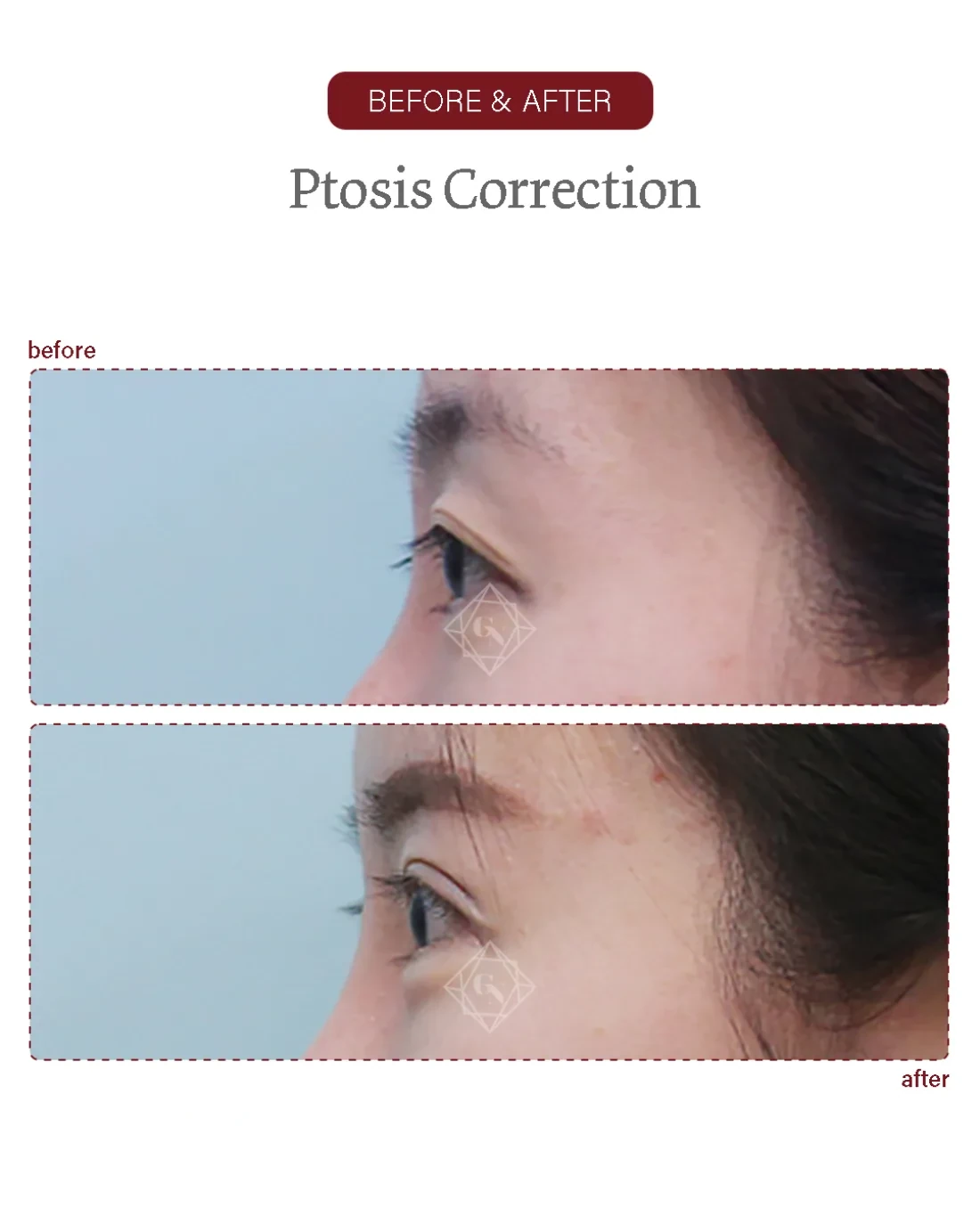
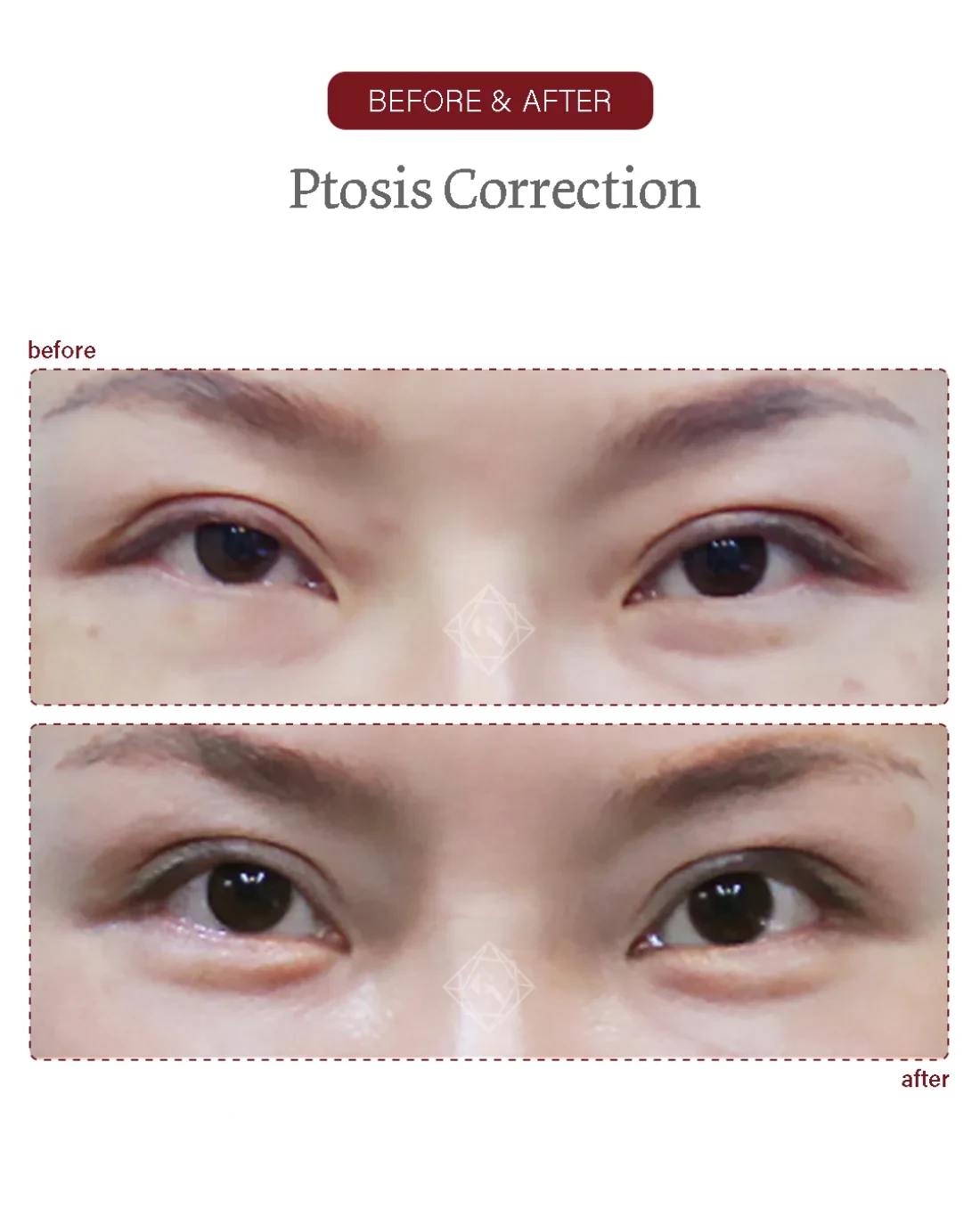
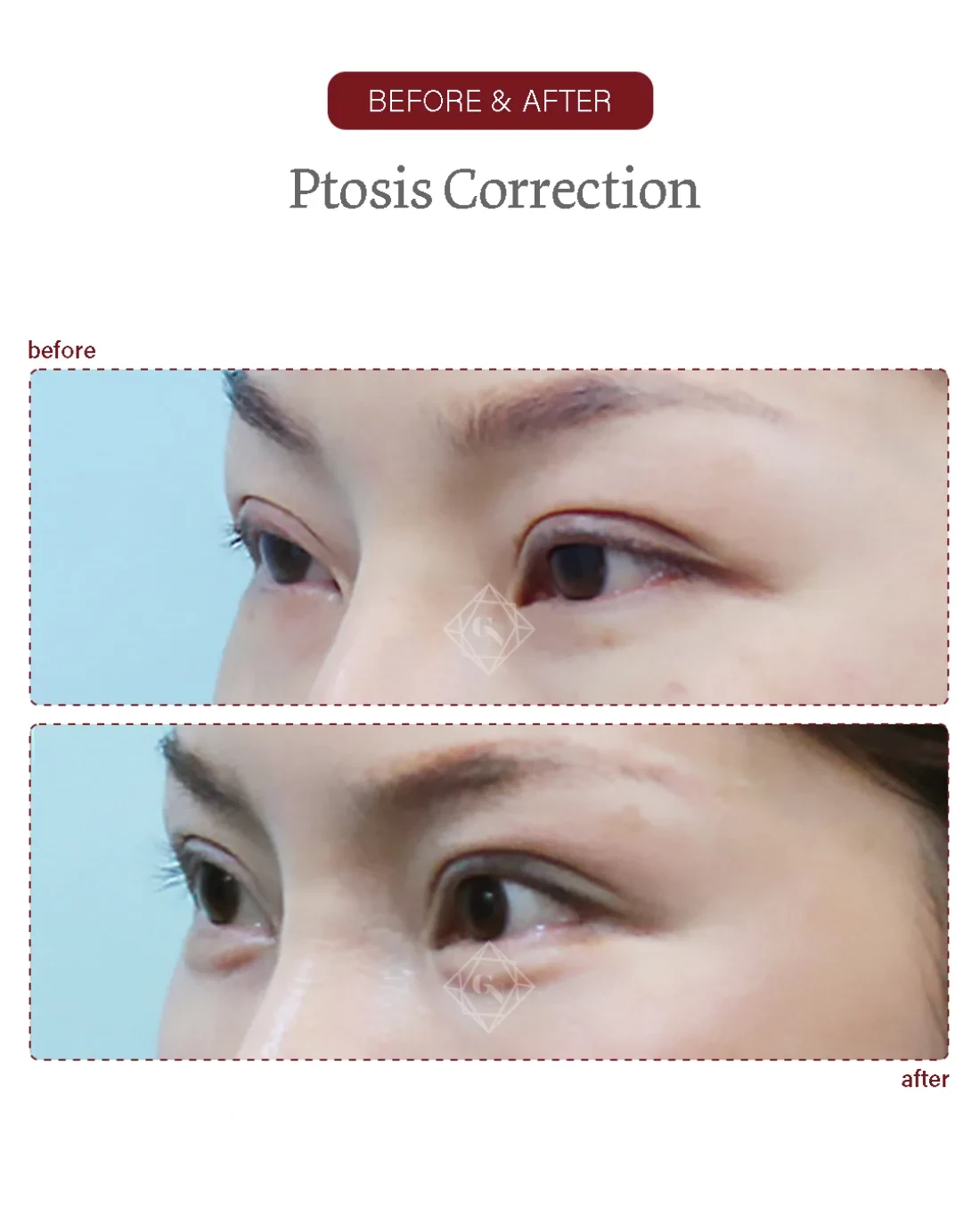
Ptosis-correction before/after examples of actual Garnet patients (published with consent). Results, recovery and suitability vary by individual and are not guaranteed; the right approach is decided at an in-person consultation.
Dr. In-Soo Baek
Director & sole operating surgeon
Korean medical licence no. 77407
Operate on what you came for. Trained at Korea University Medical Center. Every case planned, performed and reviewed by the same hands.
1Operating surgeon
~2Surgeries per day
7Registered techniques
Board-certified plastic surgeon
Plastic surgery training at Korea University College of Medicine & graduate school
Korean Society of Plastic and Reconstructive Surgeons member, in its facial-contour, eye & rhinoplasty groups
Consults, operates and follows up each case himself
Peer-reviewed papers behind the facts on this page. Each describes findings in its own study group — not results at Garnet — and none predicts your own outcome.
Liu CY et al. Blepharoptosis repair. Current Opinion in Otolaryngology & Head & Neck Surgery. 2018. doi:10.1097/moo.0000000000000463
Huggins A et al. Clinical Evaluation of Blepharoptosis: Distinguishing Age-Related Ptosis from Masquerade Conditions. Seminars in Plastic Surgery. 2017. doi:10.1055/s-0037-1598188
Finsterer J. Ptosis: Causes, Presentation, and Management. Aesthetic Plastic Surgery. 2003. doi:10.1007/s00266-003-0127-5
FAQ
Common questions
Where are the scars after ptosis correction?
The incision is placed along the natural upper-lid crease, because adjusting the eye-opening muscle is done through a precise opening in that fold. The healed line sits within the crease, so it is largely hidden when your eyes are open and looking ahead. If a double-eyelid procedure is combined, the same crease incision often serves both.
Will ptosis correction scars be visible?
For most people the settled scar is a fine line within the lid crease, hard to see with the eyes open. It can be more noticeable when you close your eyes or look down, which brings the crease into view. This is normal for crease-based eyelid surgery. The realistic goal is a discreet line that blends into your crease; some mark always remains.
How do ptosis correction scars heal over time?
A fresh incision looks pink and slightly raised, often with the crease appearing tight and high in the first weeks. Over weeks to months it typically flattens and fades, with redness paling steadily. Full maturation to its quietest appearance can take several months, sometimes up to a year, as the tissue remodels.
How long until the scar fully settles?
Sutures come out at about seven days, but the scar keeps maturing well beyond that. It usually looks its pinkest in the early weeks, fades noticeably by around three months, and reaches its final settled appearance over several months, occasionally up to a year. Judging it too early is the main cause of unnecessary worry.
Why is ptosis correction done with an incision?
Reliably and durably adjusting the strength of the levator muscle is done through a precise incision in the lid crease. The trade-off for that reliability is a fine incision line, placed in the crease, where it is least likely to be noticed once healed.
What can I do to help the scar heal well?
Keep the incision clean, avoid rubbing or stretching the eyelid, and don't pick at any crusting. Once the surgeon confirms it is safe, protect the area from sun, since fresh scars can darken with exposure. Any scar-care products, such as silicone-based ones, should be started only on your surgeon's advice at the right stage.
When can I wear eye makeup again after ptosis correction?
Usually once the incision has fully healed and the surgeon confirms it is settled. Returning to eyelid makeup too soon can disturb a healing line, so ask at your follow-up when it is appropriate for you. Once the scar has matured, makeup tends to make an already discreet line even less apparent.
Is it normal for the scar to look red or raised at first?
Yes. A fresh incision is commonly pink, slightly raised and sits in a crease that looks tight in the early weeks. This is the normal start of healing and is not the finished result. A scar that instead becomes increasingly red, hard or itchy over time, and does not fade, is worth a review.
What scar problems should I watch for?
Spreading redness, warmth, increasing pain or discharge are not normal scar behaviour and should be reviewed promptly. A line that thickens and reddens over time without fading, or a crease that stays markedly uneven once early swelling has gone, is also worth checking. These are uncommon and easier to manage when caught early.
Can I have my scar reviewed after I fly home?
Yes. At a single-surgeon clinic the surgeon who made the incision can review your healing by messenger after you return home, so you can send a photo and get an informed answer. Garnet's follow-up at one, three and six months fits naturally with tracking how the scar settles remotely.
My mom recently had a brow lift and lower blepharoplasty with Dr. Baek, and our experience has been wonderful so far. The Garnet team was incredibly kind and welcoming, with Kelly assisting us as our English consultant—she made everything…
I’m so happy I chose this clinic for my lower blepharoplasty. I was traveling from abroad by myself, so I was a little nervous, but from the beginning I felt comfortable and truly cared for. Everyone was kind, patient, and professional…
Came in for an in-person consult and ended up choosing Garnet and Dr.Baek for my non-incisional DES and tiplasty/alarplasty. I communicated with Kelly (English consultant) from the start till now (3 weeks post-op). She really help me feel…
My under-eyes have been sagging and folding for years... I tried to cover it up with makeup, but it actually got stuck in the wrinkles and made it stand out even more. While going for consultations, I noticed that the bigger the hospital…
Send photos and your question before you travel. An English-speaking coordinator reviews every enquiry and replies with guidance on whether surgery is appropriate, the likely plan and timing.
✓ Reviewed by the clinic coordinator, not a bot
✓ Photo-based pre-assessment before you fly
✓ Foreign-patient scheduling & after-care
✓ One surgeon for consultation, surgery and follow-up
Prefer to chat now? Reach the coordinator directly:









 T S7 months ago



