Scarring is one of the first things patients ask about before round eye correction, and it is a fair question for any surgery near the eyes. Round eye correction does involve incisions, but they are placed where the eyelid skin and natural creases hide healing marks well, and in most people they soften into something that is hard to notice in everyday life. This page explains where the scars sit, how they heal over time, and what actually influences the result.
The short answer
Round eye correction incisions are placed to follow natural lines, typically just below the lash line of the lower lid and within the outer-corner area, where eyelid skin hides healing well.
Eyelid skin is thin and heals favourably; most marks are red or pink early on and gradually soften and pale over the months that follow.
Scar position and how a wound heals depend on the surgical plan, your skin, and aftercare. No single number fits everyone.
Realistic scar expectations are something to confirm with a board-certified plastic surgeon who examines your lower lid in person. Photos alone are a starting point.
Round eye correction reshapes the outer corner and supports the lower lid, which surgeons describe as round-eye / lower-lid retraction correction. To do that, incisions are planned where eyelid anatomy hides them best. For lower-lid work, the incision is commonly placed just below the lash line, following the natural curve of the lid so the line of healing sits within a feature your eye already has. Outer-corner adjustments are made at the corner itself, where the lid margins meet.
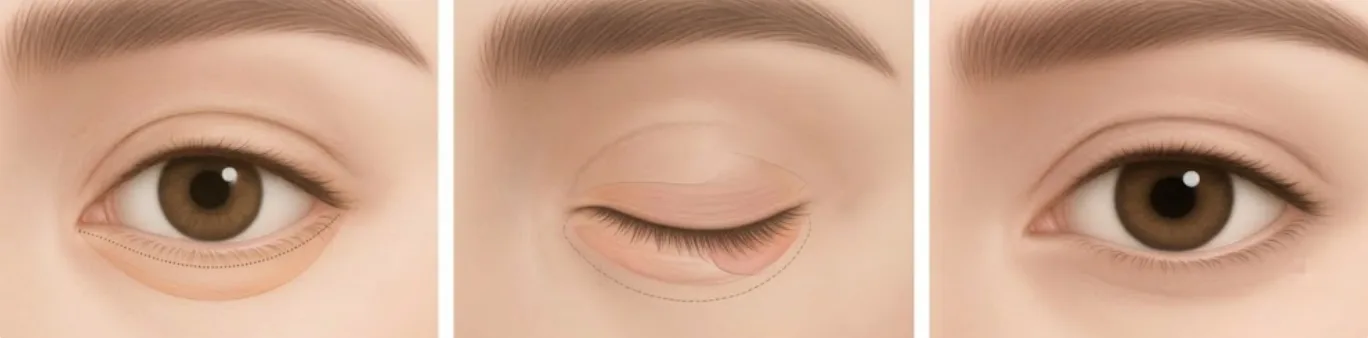
Illustration: the rounded, open lower-lid line is outlined and gently brought back toward a calmer, more natural eye shape.
Depending on the exact plan, some lower-lid procedures use an incision on the inside of the lid (a transconjunctival approach), which leaves no visible external mark at all. Whether that approach suits you depends on what needs to be corrected; an external lash-line incision gives the surgeon more access for repositioning and skin support. This is a surgical judgement made for your specific anatomy, which is why scar placement is best discussed when the surgeon examines your lower lid directly. A photo gives only an estimate.
The broader procedure, and how the incision choice fits the goal, is covered on the parent round eye correction page. The key point here is that the incisions are not placed randomly. They are routed along the lines and margins that camouflage healing, which is a large part of why eyelid scars tend to become inconspicuous.
Why they hide well
Why eyelid scars tend to heal so favourably
Eyelid skin is the thinnest skin on the body, and thin skin generally heals into fine, flat marks; thick raised ones are less common. Combined with incisions placed inside natural creases, the lash line, or the lid margin, this is why eye-area surgery has a reputation for scars that are difficult to spot once mature. The marks rarely disappear entirely under close inspection, but in everyday life, at conversational distance and in normal light, most people find them hard to notice.
This is also where round eye correction differs from scarring on thicker-skinned areas of the body, where tension and skin type make raised scars more likely. The eyelids are low-tension and mobile, which works in your favour. It does not mean scarring is irrelevant. It means the odds are good when the work is planned and closed carefully.
Everyone heals slightly differently, though. Skin tone, a personal tendency toward more reactive scarring, sun exposure during healing, and whether you have had previous surgery in the same area all play a part. A pre-assessment will tell you where you sit. No uniform outcome is promised. You can raise this in an online consultation before you travel.
Healing timeline
How round eye correction scars change over time
Scar maturation follows a recognisable arc, even though the exact pace varies. In the first one to two weeks, the incision is closing and any external sutures are present until they are removed. For the eye area, suture removal commonly falls within roughly the first week. At this stage there is swelling and bruising around the eyes, and the line itself looks fresh; this is the most visible the scar will ever be, and it is not how it will end up.
Over the following weeks to a few months, a healing scar typically goes through a phase where it can look pink or red and feel slightly firm as the body remodels the tissue. This is normal and not a sign that something is wrong. Gentle, sun-protected healing during this window matters, because ultraviolet light can darken an immature scar. Our note on the recovery timeline tracks how the eye area settles day by day and week by week.
Scars are generally considered to keep maturing for up to a year or more, gradually softening, flattening and fading toward your surrounding skin tone. The visible result of the surgery settles on a similar long timescale, covered in our companion page on when you will see results. The practical takeaway is patience: judging a scar at two weeks tells you very little about how it will look at six or twelve months.
What helps
What actually helps an eyelid scar heal well
The biggest single factor is the surgery itself: careful incision placement and meticulous, tension-free closure. That is why the choice of surgeon matters more than any cream. Beyond that, what you do during healing genuinely influences the final mark. Following your surgeon's wound-care instructions exactly in the early days, keeping the area clean, and avoiding rubbing or stretching the lid all help the line settle cleanly.
Sun protection is the aftercare step patients most often underestimate. An immature scar exposed to ultraviolet light can darken and stay darker, so shielding the eye area with sunglasses, shade, and sun protection once your surgeon clears it protects the result during the months it is fading. Your surgeon may also advise on scar-supportive measures such as silicone-based products once the wound has closed; follow their specific guidance and do not start anything on your own.
Because round eye correction is often a journey for international patients, the early aftercare window usually overlaps with your stay in Seoul. Our guide on recovering in Seoul and the page for international patients cover how the in-person review and suture removal fit into the trip, before you continue healing at home.
Normal vs not
What is normal scarring and what to watch for
It helps to know what ordinary healing looks like so you do not worry about the expected. Redness or pinkness along the line, mild firmness, slight lumpiness early on, and an incision that is more visible in the first weeks are all normal parts of maturation. Bruising and swelling around the eyes are part of the same early phase and are not the scar itself.
Flag it to your surgeon, without waiting and worrying, if anything suggests a problem with healing beyond its normal course: redness that increases and does not settle, warmth, spreading swelling, discharge, opening of the wound, or a scar that is becoming notably thickened, raised or itchy over time. These are uncommon, but they are exactly the kind of thing where early advice from the surgeon who operated is valuable.
This is one of the practical advantages of a clinic that follows you after you go home: you can send a photo and get a measured answer from the doctor who knows your case. Most queries turn out to be normal healing; the point is that you are not left guessing. How that continued contact works is described in our guide to single-surgeon care.
At Garnet
How Garnet approaches round eye correction scarring
At Garnet, round eye correction, including lower-lid retraction correction, is performed by Dr. In-Soo Baek, a board-certified plastic surgeon (Korean medical licence no. 77407) and the clinic's only operating doctor. Incision planning, closure and the assessment of your skin are all done by the same surgeon who will then review your healing, which keeps the plan and the follow-up joined up in one pair of hands. Round eye and lower-lid retraction correction are among the surgical methods Garnet has registered as trademarks with the Korean IP Office.
Because Garnet caps its surgical day and gives each case unhurried time, scar-sensitive closure is not rushed, and your aftercare instructions are explained properly. The clinic's structured follow-up at one, three and six months maps onto exactly the window in which a scar matures, so the person reviewing your healing is the person who made the incision.
If scarring is your main concern, the most useful first step is a careful look at your lower lid and skin. You can start with an online consultation: send photos and get a realistic sense of where your incisions would sit and how your skin is likely to heal, before committing to anything.
Real Results
Before & After
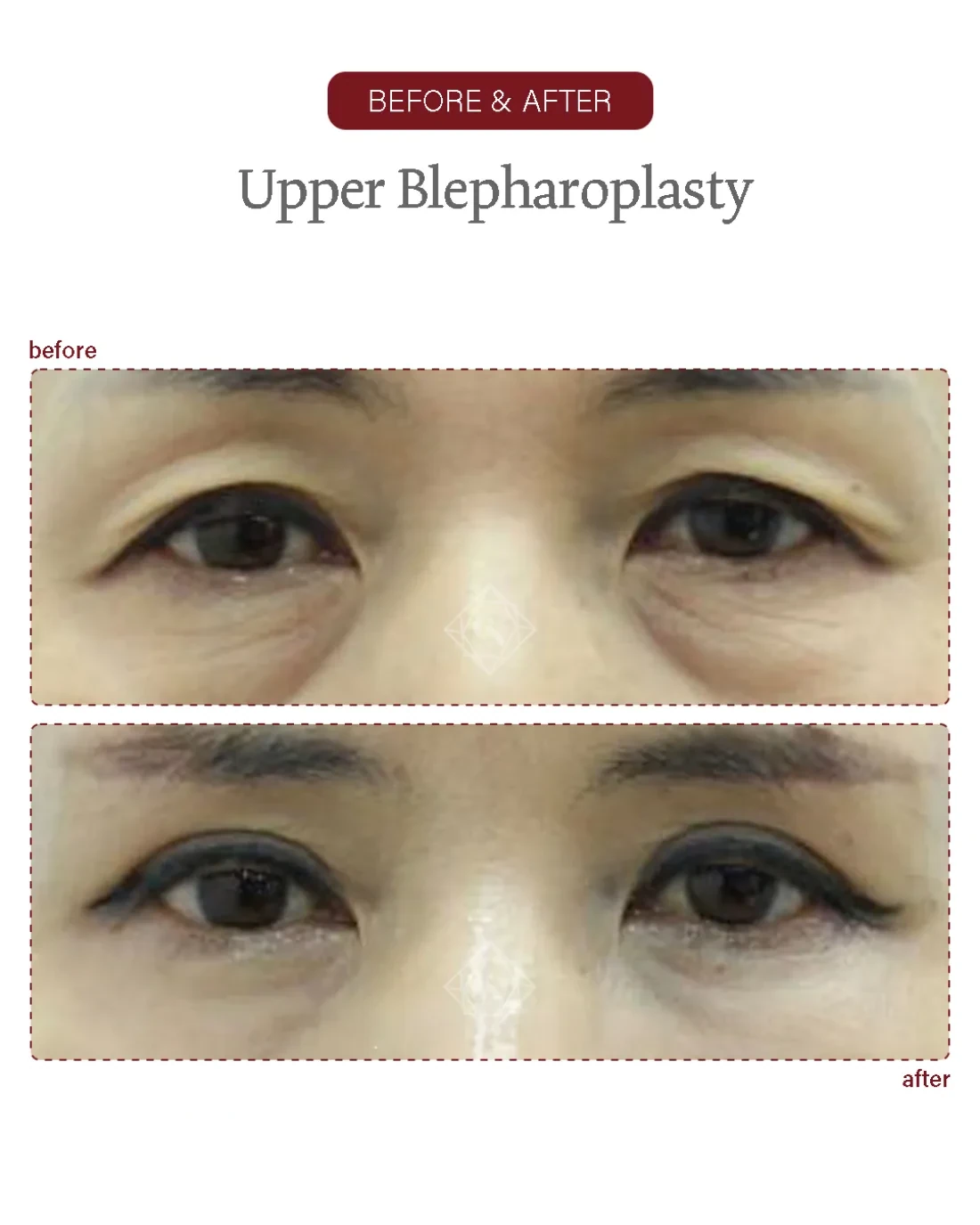
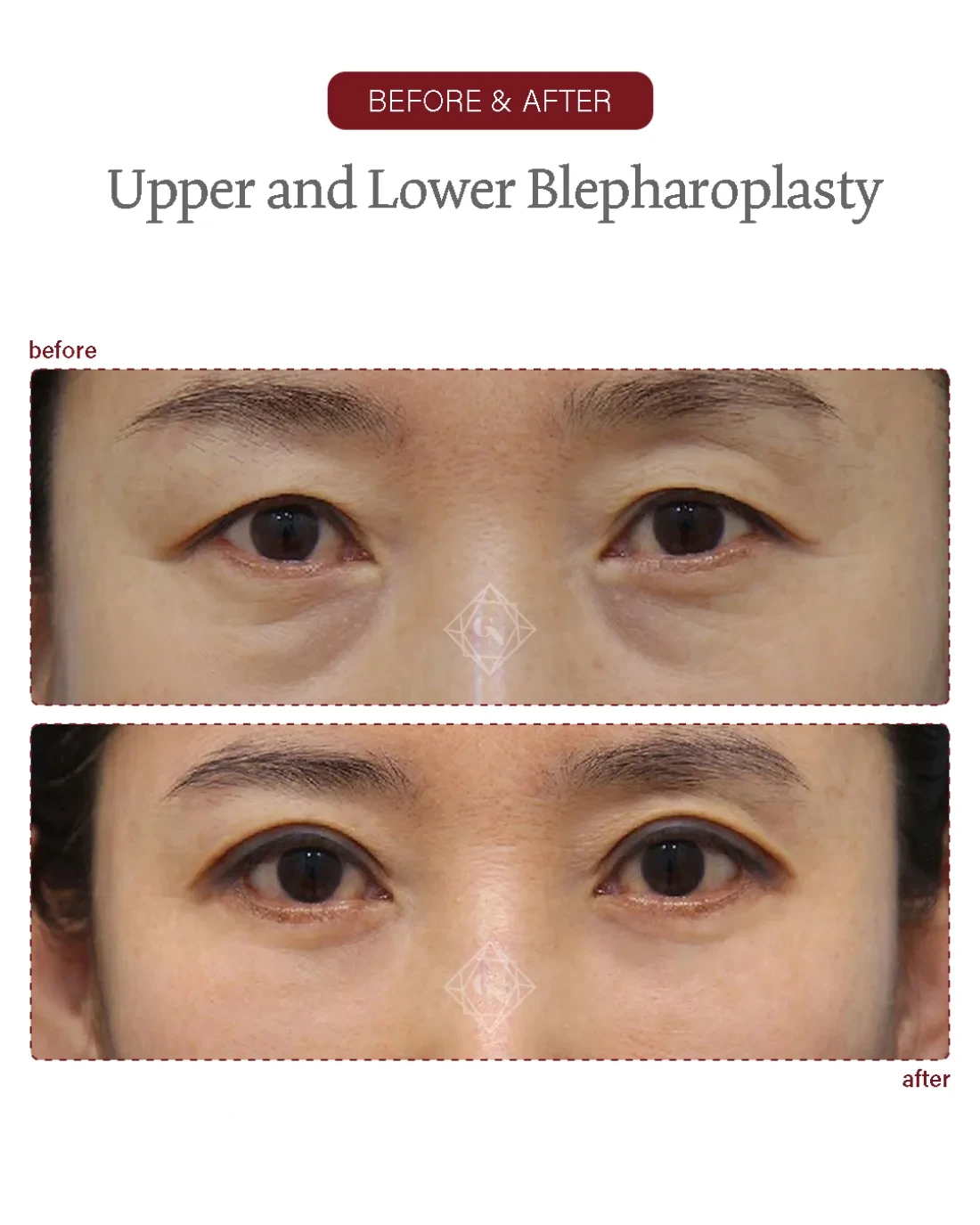
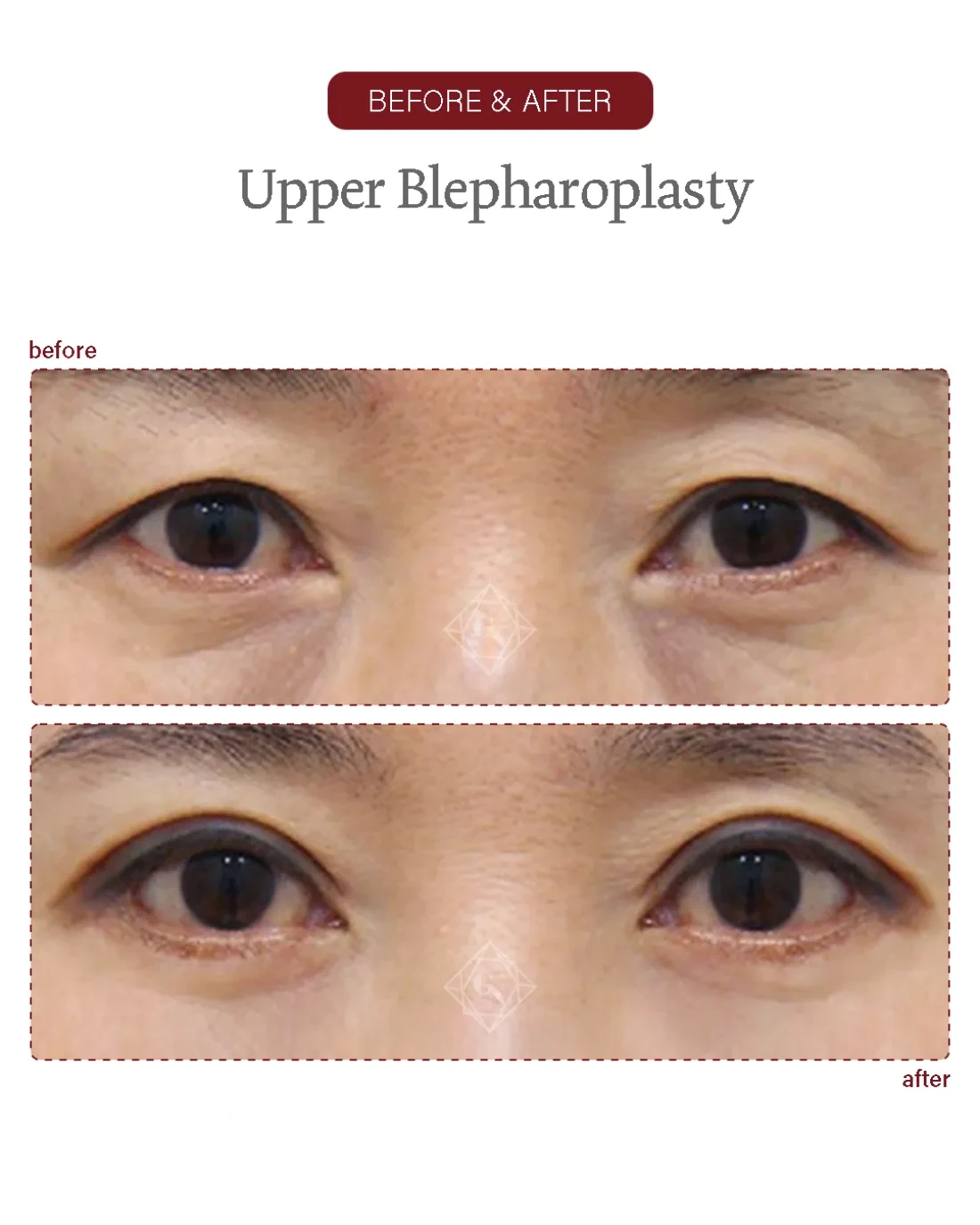
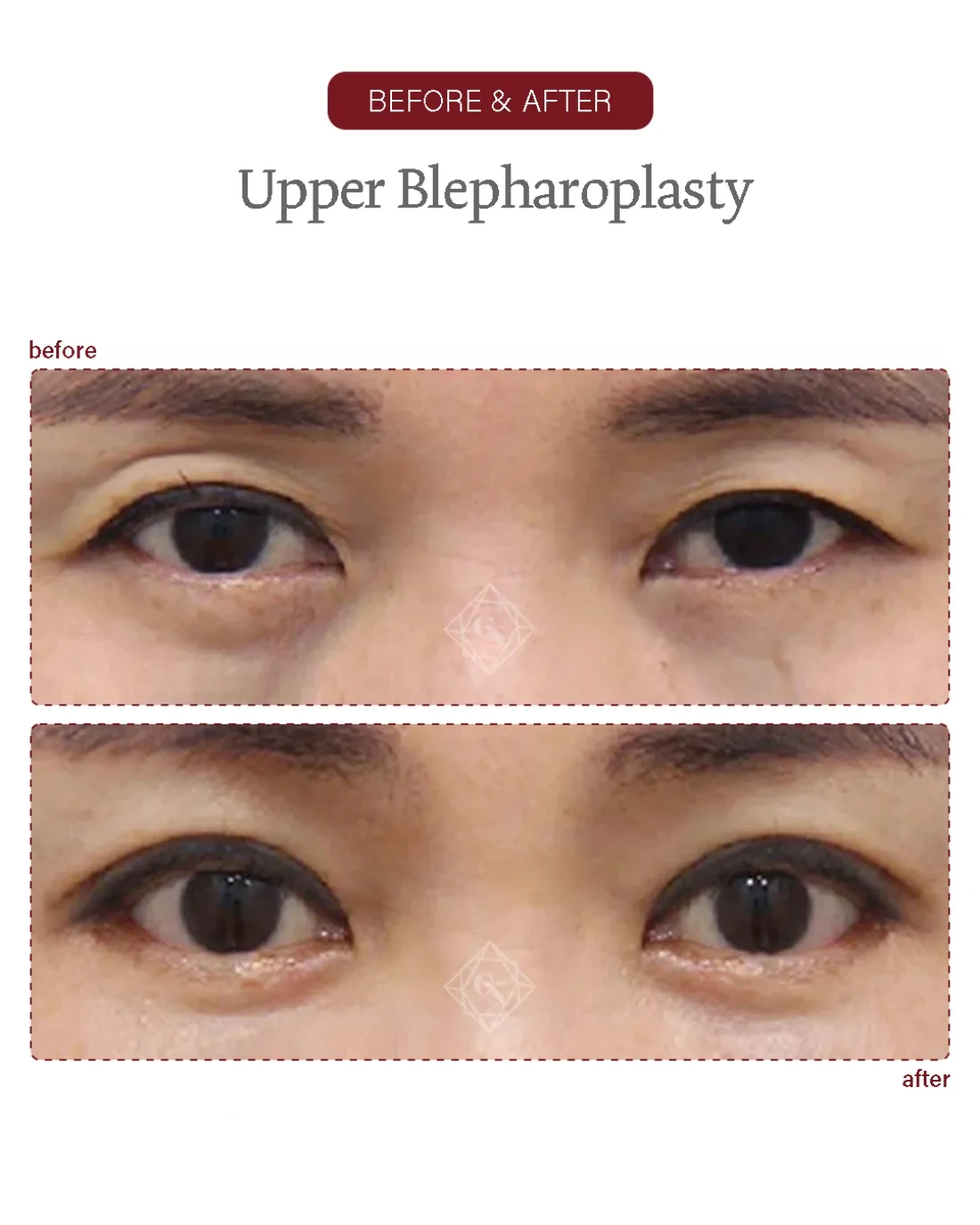
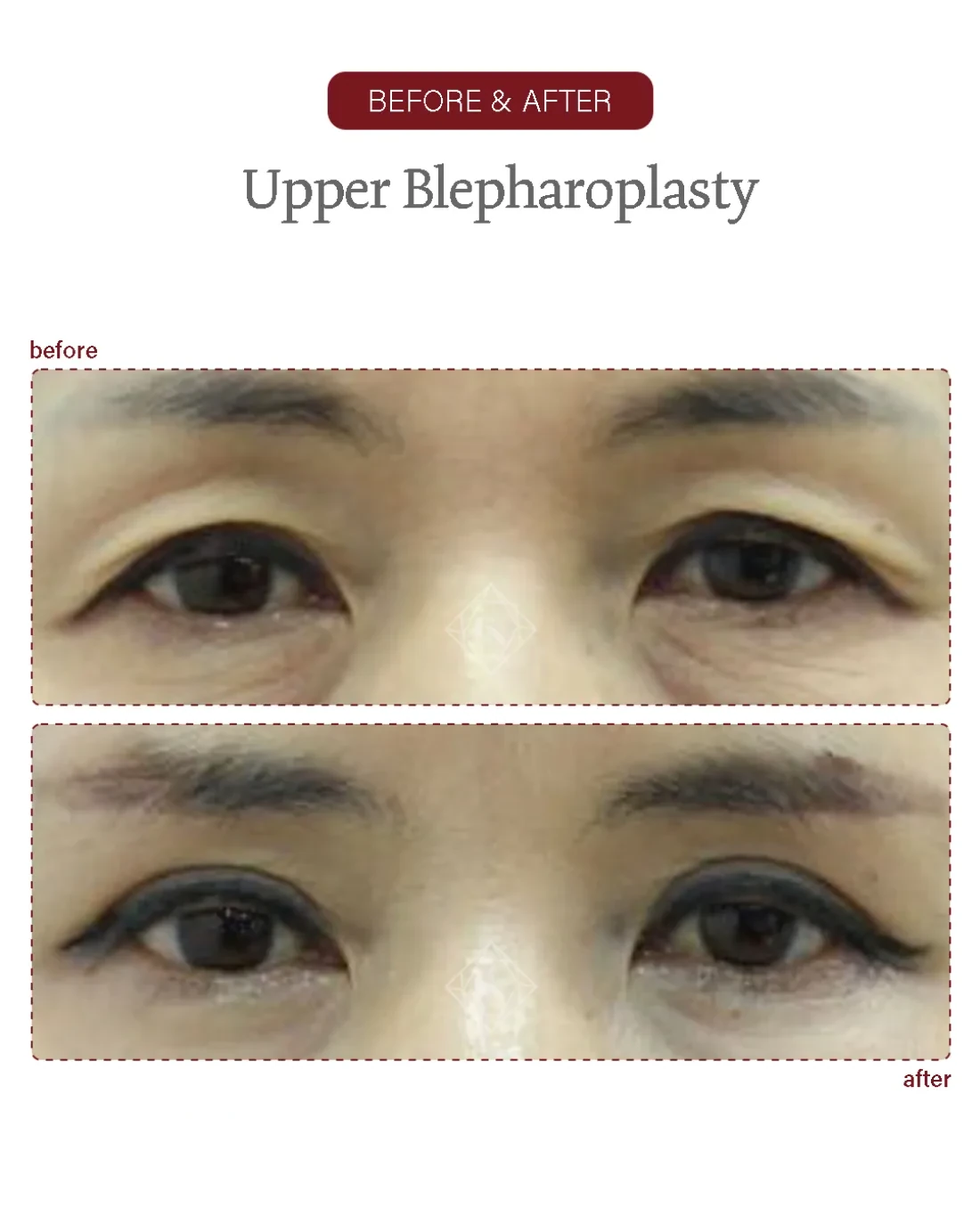
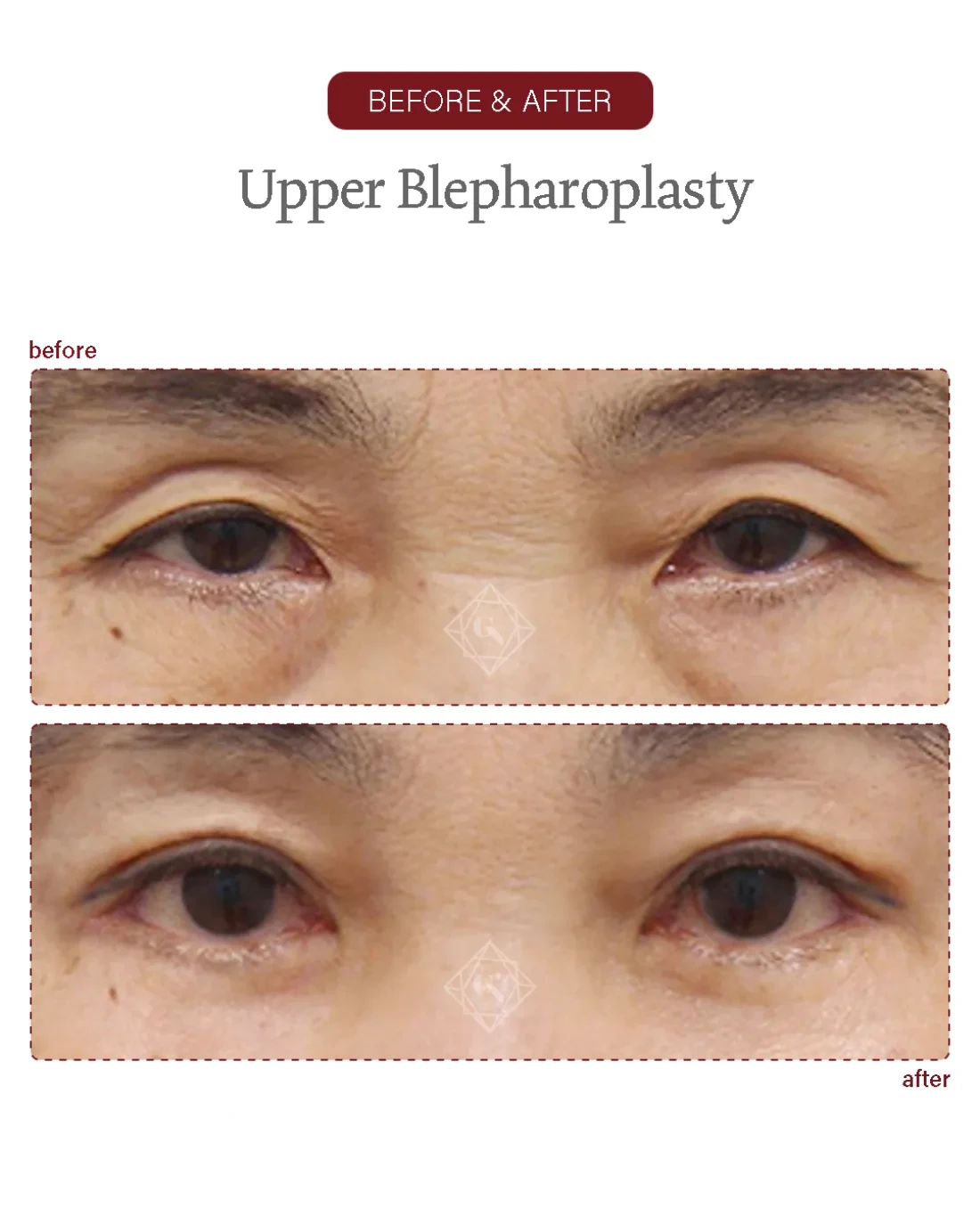
Eyelid before/after examples of actual Garnet patients (published with consent). Results, recovery and suitability vary by individual and are not guaranteed; the right approach depends on an in-person examination.
Prices
Price at Garnet
Lower blepharoplasty
From₩3,500,000 + VATExcluding VAT (10% VAT is added at payment)Book now
Same price as Korean patients. Prices shown exclude 10% VAT; your written quote, issued after the in-person consultation, shows the full amount payable.
Dr. In-Soo Baek
Director & sole operating surgeon
Korean medical licence no. 77407
Operate on what you came for. Trained at Korea University Medical Center. Every case planned, performed and reviewed by the same hands.
1Operating surgeon
~2Surgeries per day
7Registered techniques
Board-certified plastic surgeon
Plastic surgery training at Korea University College of Medicine & graduate school
Korean Society of Plastic and Reconstructive Surgeons member, in its facial-contour, eye & rhinoplasty groups
Consults, operates and follows up each case himself
Peer-reviewed papers behind the facts on this page. Each describes findings in its own study group — not results at Garnet — and none predicts your own outcome.
Mackinnon SE et al. The Incidence and Degree of Scleral Show in the Normal Population. Plastic and Reconstructive Surgery. 1987. doi:10.1097/00006534-198707000-00003
Yapa S et al. Lower Eyelid Transcutaneous Blepharoplasty, Minimizing Complications and Correction of Lower Eyelid Malposition. Facial Plastic Surgery. 2022. doi:10.1055/a-1973-7656
Rohrich RJ et al. Preventing Lateral Canthal Malposition in Modern Blepharoplasty. Plastic & Reconstructive Surgery. 2020. doi:10.1097/prs.0000000000006468
FAQ
Common questions
Where are the scars after round eye correction?
Incisions are placed to follow natural lines, commonly just below the lash line of the lower lid and within the outer-corner area where the lid margins meet. Some lower-lid work can use an incision on the inside of the lid, which leaves no visible external mark. The exact placement depends on your anatomy and the surgical plan.
Will round eye correction scars be visible?
Eyelid skin is very thin and heals favourably, and the incisions are routed within creases and along the lash line or lid margin. Most marks are noticeable in the first weeks, then soften and pale so that in everyday light, at normal distance, they are hard to spot. They rarely vanish entirely under close inspection, but become inconspicuous for most people.
How do round eye correction scars heal over time?
A scar looks freshest in the first one to two weeks, may appear pink or red and feel slightly firm over the following weeks to months, then gradually softens, flattens and fades toward your surrounding skin tone, generally continuing to mature for up to a year or more. Judging a scar early tells you little about the mature result.
Is there a hidden, scar-free option for round eye correction?
For some lower-lid work, a transconjunctival approach places the incision on the inside of the lid, leaving no external scar. Whether it suits you depends on what needs correcting. An external lash-line incision gives more access for repositioning and skin support. This is a surgical judgement made when your surgeon examines your lower lid.
When are the stitches removed after round eye correction?
For the eye area, external sutures are commonly removed within roughly the first week, in person. This is one reason international patients plan a stay in Seoul and not a single-day trip, so the early review and suture removal happen face to face.
What helps round eye correction scars fade?
Careful surgery and closure matter most. After that, follow your surgeon's wound-care instructions, avoid rubbing or stretching the lid, and protect the area from sun, because ultraviolet light can darken an immature scar. Your surgeon may suggest scar-supportive measures once the wound has closed; follow their specific guidance and do not start anything on your own.
Can round eye correction leave a raised or thick scar?
It is uncommon on the thin, low-tension skin of the eyelids, which tends to heal into fine, flat marks. A personal tendency toward reactive scarring can play a part, which is why a pre-assessment of your lid skin matters. If a scar becomes notably thickened, raised or itchy over time, raise it with your surgeon early.
How long until my round eye correction scar is fully mature?
Scars are generally considered to keep maturing for up to a year or more, gradually softening and fading throughout that time. The visible result of the surgery settles on a similar long timescale, so patience over months is the right expectation.
What scarring signs should I report to my surgeon?
Most early redness, mild firmness and slight lumpiness are normal. Report redness that increases and does not settle, warmth, spreading swelling, discharge, wound opening, or a scar becoming notably thickened or raised. These are uncommon, but early advice from the surgeon who operated is valuable, which is why continued follow-up matters.
Who plans the incisions for round eye correction at Garnet?
Dr. In-Soo Baek, a board-certified plastic surgeon and Garnet's only operating doctor, plans the incisions, performs the closure and reviews your healing himself. Keeping incision planning and follow-up with the same surgeon means the person assessing your scar is the person who made it.
My mom recently had a brow lift and lower blepharoplasty with Dr. Baek, and our experience has been wonderful so far. The Garnet team was incredibly kind and welcoming, with Kelly assisting us as our English consultant—she made everything…
I’m so happy I chose this clinic for my lower blepharoplasty. I was traveling from abroad by myself, so I was a little nervous, but from the beginning I felt comfortable and truly cared for. Everyone was kind, patient, and professional…
Came in for an in-person consult and ended up choosing Garnet and Dr.Baek for my non-incisional DES and tiplasty/alarplasty. I communicated with Kelly (English consultant) from the start till now (3 weeks post-op). She really help me feel…
My under-eyes have been sagging and folding for years... I tried to cover it up with makeup, but it actually got stuck in the wrinkles and made it stand out even more. While going for consultations, I noticed that the bigger the hospital…
Worried about scarring? Send photos for a no-obligation pre-assessment and you'll get a realistic sense of where your incisions would sit and how your skin is likely to heal.
Send photos and your question before you travel. An English-speaking coordinator reviews every enquiry and replies with guidance on whether surgery is appropriate, the likely plan and timing.
✓ Reviewed by the clinic coordinator, not a bot
✓ Photo-based pre-assessment before you fly
✓ Foreign-patient scheduling & after-care
✓ One surgeon for consultation, surgery and follow-up
Prefer to chat now? Reach the coordinator directly:









 T S7 months ago



