The most common worry about incision double eyelid surgery is the scar on the upper eyelid, and it is a fair question, because this technique does involve a real incision. The reassuring answer is that the incision is placed exactly along the new crease line, so when your eyes are open the scar sits folded inside the fold and is hidden from view.
The short answer
The incision runs along the upper-lid crease, so when your eyes are open the scar tucks into the fold and is not visible.
Eyelid skin is thin and heals well; the line is pink and slightly firm at first, then fades and softens over months.
Sutures come out at about 7 days, and early scar care after that point shapes how well the line settles.
Most healing happens after you leave the clinic, so follow-up with the same surgeon at 1, 3 and 6 months helps track the scar as it matures.
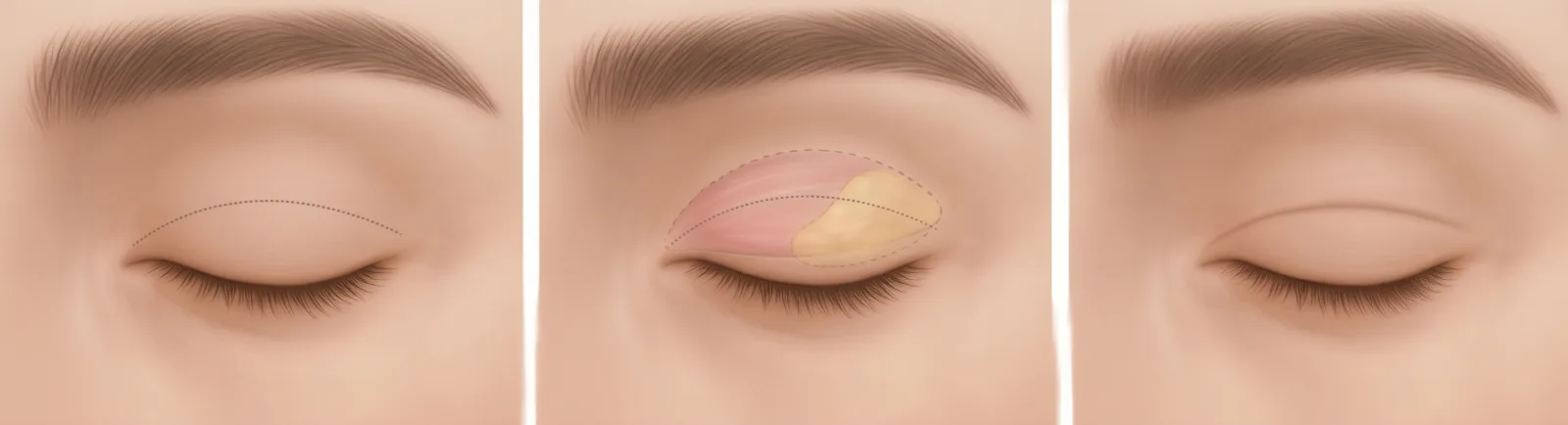
The defining feature of incision double eyelid surgery is that it creates a permanent crease through a full upper-lid incision, and that incision is placed precisely along the line where your new double eyelid fold will form. This is the key to why the scar is so discreet: the cut, and therefore the scar, becomes the crease itself. When your eyes are open, the eyelid skin folds inward at exactly that line, tucking the scar up and inside the fold where it cannot be seen.
Illustration: the crease is set through an incision along the planned fold; the tissue beneath (muscle in pink, fat in yellow) is adjusted so the crease holds.
This placement is a deliberate design choice. The surgeon plans the incision height to suit your eye shape and the look you want, then closes it carefully so the healed line follows the natural curve of the lid. Because eyelid skin is some of the thinnest on the body, a well-placed and well-closed incision here tends to settle into a fine line and not a raised or wide scar. That is quite different from scars on thicker skin elsewhere on the body.
It is worth understanding that this is a genuine trade-off compared with the non-incision approach, which uses sutures without a long cut and so leaves no continuous scar line. The incision method is chosen when a stronger, more lasting crease is needed or when the lid has excess skin or fat to address, and the scar, hidden in the fold, is the accepted exchange for that durability.
Visibility
Will the scar be visible?
With your eyes open, which is how people see you in conversation, the scar is hidden inside the crease and, once healed, is generally not noticeable. This is the situation that matters most for everyday life, and it is why so many people who have had incision double eyelid surgery are not identifiable as having had it: the line is doing its job as the fold, invisibly.
With your eyes closed, for example when you look down or sleep, the scar line along the lid can be faintly visible, especially in the early months while it is still pink. As healing progresses the line fades toward your skin tone and becomes much harder to see; for most people it eventually reads as a subtle line that is easy to miss and simple to cover with a little eyeshadow if you wish. The degree to which it remains detectable when closed varies between individuals and improves with time.
Realistic expectations matter here. The incision technique does not leave no mark; it leaves a well-hidden one in the crease. A careful surgeon will explain this plainly at consultation and will not promise an invisible result, and will assess your skin and lid to give you a realistic picture of how your particular scar is likely to settle. You can raise exactly these concerns in an online consultation before deciding.
How it heals
How the scar heals over time
Scar healing follows a predictable arc. In the first week, the incision is a fresh closed line held by sutures; you will see the stitches and some swelling and bruising along the lid. The sutures are removed at about 7 days, and at that point the line is still new: typically pink or slightly red, and a little firm to the touch. This early appearance is completely normal and is not the finished result.
Over the following weeks to a few months, the scar enters its remodelling phase. The redness gradually fades, the firmness softens, and the line becomes flatter and paler. It is common for a scar to look its most noticeable somewhere in the early weeks before it begins to improve, so judging the final result at one month is misleading. By around three months the line has usually calmed considerably, and it continues to mature and fade for up to a year as the crease itself settles into its natural shape.
Throughout this time the swelling that makes the crease look high and tight early on also subsides, so the whole eyelid increasingly looks like the intended result. The detailed week-by-week picture of swelling and recovery is on the incision double eyelid recovery timeline page; this page focuses on the scar line specifically, which is the slowest-maturing element.
Scar care
Caring for the scar after surgery
Good early scar care genuinely influences how well the line settles. In the first week the priorities are keeping the incision clean and dry as instructed, not rubbing or pulling at the eyelid, and not picking at any crusting along the line. Once the sutures are out and the surgeon confirms the wound is sealed, gentle care can continue: following any guidance on cleansing, and protecting the area.
Two factors stand out for scar quality. The first is sun protection. Fresh scars can darken if exposed to strong sunlight, so shielding the area with sunglasses and a hat in the early months helps the line fade evenly without pigmenting. The second is patience: scars improve slowly, and resisting the urge to judge or treat the line too aggressively early on is part of letting it heal cleanly. Your surgeon will advise if and when any scar-softening measures are appropriate for you.
Avoiding smoking and excess alcohol in the early healing period also supports better wound healing generally, as both can impair the way tissue repairs. None of this is complicated, but doing it consistently in the first weeks gives the scar a strong chance to settle into the fine, hidden line the technique is designed to produce. The pain and comfort side of these early days is covered on the incision double eyelid pain and anaesthesia page.
What affects it
What affects how the scar turns out
Several things shape the final quality of an incision double eyelid scar, and only some are within anyone's control. Surgical factors matter: precise incision placement along the natural crease, gentle handling of the thin eyelid tissue, and careful closure all favour a fine line. This is one reason the choice of surgeon weighs heavily on the outcome: experience with the specific anatomy of the eyelid shows in how scars settle.
Individual factors matter too. Skin type and natural healing tendency vary from person to person; some people scar more readily than others, and a candid surgeon will take your skin and any history of poor scarring into account when discussing what to expect. Whether ptosis correction or other eyelid work is combined can also affect the extent of the incision. None of these are reasons for alarm. They are simply why an individual assessment of your lids beats a generic promise of an invisible scar.
The remaining factor is aftercare, which is where you have the most influence: sun protection, gentle handling, not smoking, and following your surgeon's guidance in the weeks after surgery. Combine a well-placed incision by an experienced surgeon with consistent aftercare and patience, and the scar typically does exactly what it is designed to do: it disappears into the fold.
At Garnet
How Garnet supports your healing
Garnet is a single-surgeon clinic in Apgujeong, Seoul, where Dr. In-Soo Baek (Korean medical licence no. 77407) is a board-certified plastic surgeon and the only operating doctor. He plans the incision placement, performs the surgery and reviews every follow-up himself. That matters for scarring, because the person assessing how your crease line is healing at 1, 3 and 6 months is the same person who designed and closed the incision, and can track the scar across its long maturation.
Because most scar maturation happens in the months after you leave the clinic, structured follow-ups and the ability to reach the surgeon by messenger after you return home both help. You can send a photo and get a clear answer on whether your line is settling as expected. The clinic addresses only the area you came for, so the assessment of your eyelid and scar is unhurried and specific to you. You can begin with a no-obligation consultation to discuss realistically how your scar is likely to heal.
Real Results
Before & After
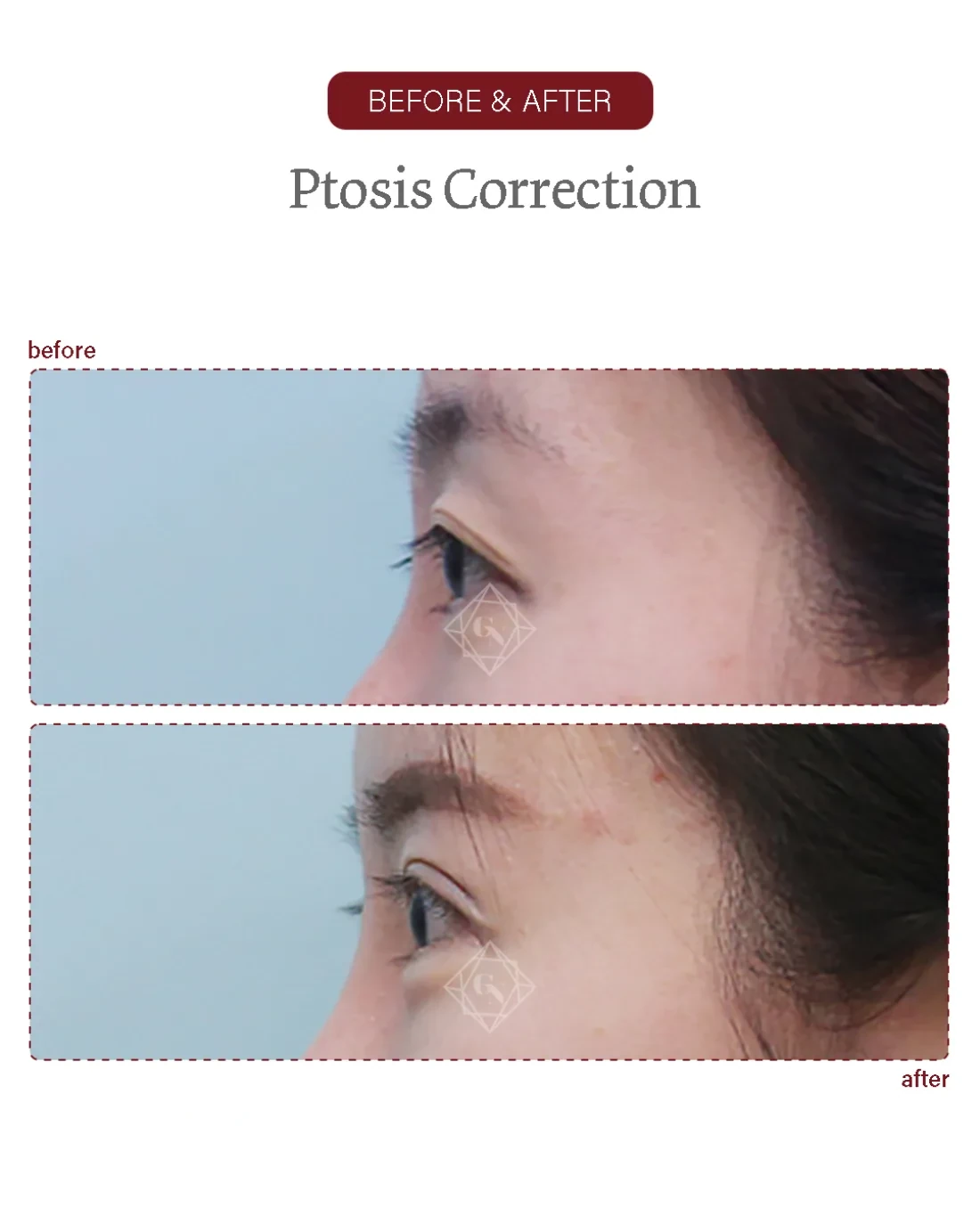
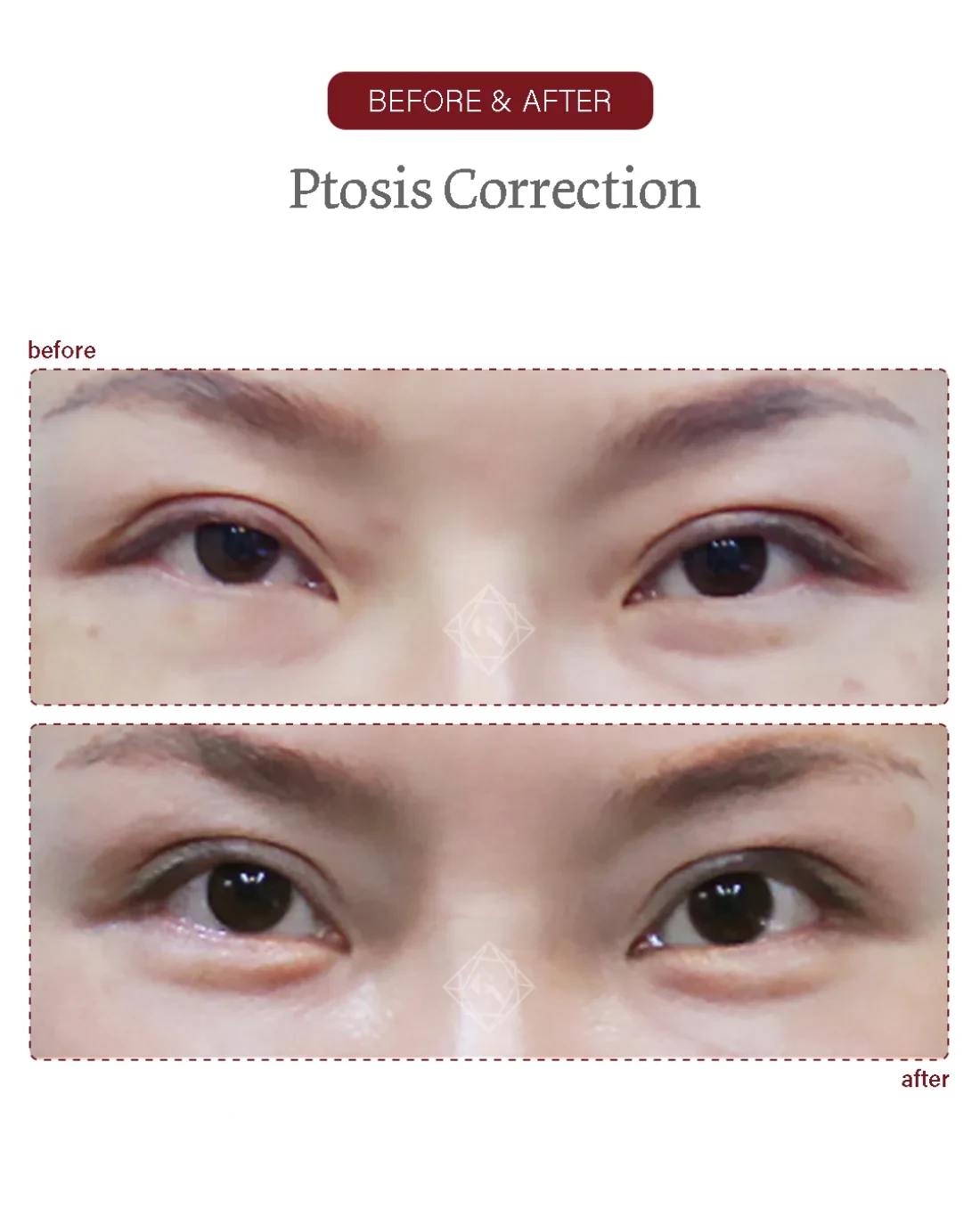
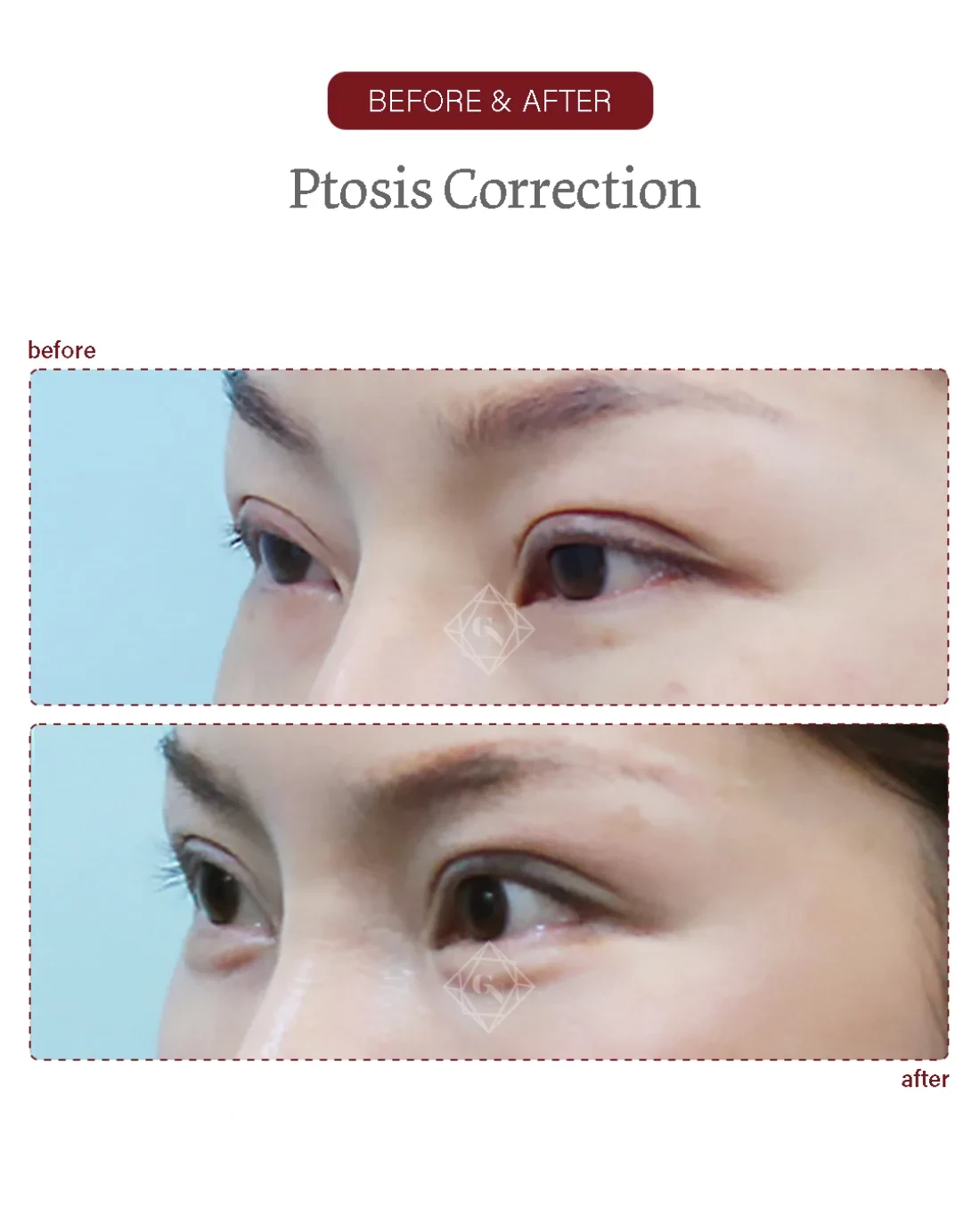
Ptosis-correction before/after examples of actual Garnet patients (published with consent). Results, recovery and suitability vary by individual and are not guaranteed; the right approach is decided at an in-person consultation.
Dr. In-Soo Baek
Director & sole operating surgeon
Korean medical licence no. 77407
Operate on what you came for. Trained at Korea University Medical Center. Every case planned, performed and reviewed by the same hands.
1Operating surgeon
~2Surgeries per day
7Registered techniques
Board-certified plastic surgeon
Plastic surgery training at Korea University College of Medicine & graduate school
Korean Society of Plastic and Reconstructive Surgeons member, in its facial-contour, eye & rhinoplasty groups
Consults, operates and follows up each case himself
Peer-reviewed papers behind the facts on this page. Each describes findings in its own study group — not results at Garnet — and none predicts your own outcome.
Lam SM. Asian Blepharoplasty. Facial Plastic Surgery Clinics of North America. 2014. doi:10.1016/j.fsc.2014.04.002
Jinghe Z et al. Three Mini-Incision Double-Eyelid Blepharoplasty. Annals of Plastic Surgery. 2014. doi:10.1097/sap.0b013e318264fd40
Kim DW et al. Upper Blepharoplasty in the Asian Eyelid. Facial Plastic Surgery Clinics of North America. 2005. doi:10.1016/j.fsc.2005.06.009
FAQ
Common questions
Where are the scars after incision double eyelid surgery?
The incision runs along the new upper-lid crease line, so the scar becomes the crease itself. When your eyes are open the eyelid folds at that line and tucks the scar inside the fold, where it is hidden from view. It is only potentially visible when the eyes are closed, and even then it fades over time.
Will incision double eyelid scars be visible?
With your eyes open the scar is hidden in the fold and is generally not noticeable once healed. With your eyes closed the line may be faintly visible, especially while it is still pink in the early months, but it fades toward your skin tone over time and is usually subtle and easy to cover with a little eyeshadow if you wish.
How do incision double eyelid scars heal over time?
The line is pink and slightly firm after sutures come out at about 7 days, often looks most noticeable in the early weeks, then gradually fades, flattens and softens. By around three months it has usually calmed considerably, and it continues to mature and pale for up to a year as the crease settles into its natural shape.
Does incision double eyelid leave a permanent scar?
Yes, the technique creates a real incision and therefore a permanent scar line, but it is placed inside the crease so it is hidden when the eyes are open, and it matures into a fine, pale line. This is the trade-off for the stronger, more lasting crease the incision method provides compared with the non-incision approach.
How long until the scar fades?
Most of the redness and firmness settle over the first few months, with noticeable improvement by around three months. The line continues to mature and fade for up to a year. Judging the scar at one month is misleading, because it often looks most prominent early before it improves.
How can I help the scar heal well?
Keep the incision clean and dry as instructed, avoid rubbing or picking at the line, protect the area from strong sun in the early months, and avoid smoking and excess alcohol while healing. Patience matters too: scars improve slowly, and your surgeon will advise if any scar-softening measures are appropriate for you.
Why does the incision method leave a scar when the non-incision method does not?
The non-incision approach forms the crease with sutures and no long cut, so it leaves no continuous scar line. The incision method uses a full upper-lid incision to create a stronger, more lasting crease and to address excess skin or fat, and the hidden scar in the fold is the accepted exchange for that durability.
Will my scar look the same as everyone else's?
Not exactly. Scar quality depends on surgical factors like precise placement and gentle closure, on your individual skin type and healing tendency, on whether procedures are combined, and on aftercare. A careful surgeon assesses your skin and any history of poor scarring to give you a realistic picture of your own eyelid scar.
Can I ask about scarring before I travel?
Yes. You can send photos and discuss your skin type, how your scar is likely to settle, and realistic expectations in an online consultation before committing to surgery, so you understand the trade-off the incision method involves before you decide.
My mom recently had a brow lift and lower blepharoplasty with Dr. Baek, and our experience has been wonderful so far. The Garnet team was incredibly kind and welcoming, with Kelly assisting us as our English consultant—she made everything…
I’m so happy I chose this clinic for my lower blepharoplasty. I was traveling from abroad by myself, so I was a little nervous, but from the beginning I felt comfortable and truly cared for. Everyone was kind, patient, and professional…
Came in for an in-person consult and ended up choosing Garnet and Dr.Baek for my non-incisional DES and tiplasty/alarplasty. I communicated with Kelly (English consultant) from the start till now (3 weeks post-op). She really help me feel…
My under-eyes have been sagging and folding for years... I tried to cover it up with makeup, but it actually got stuck in the wrinkles and made it stand out even more. While going for consultations, I noticed that the bigger the hospital…
Send photos and your question before you travel. An English-speaking coordinator reviews every enquiry and replies with guidance on whether surgery is appropriate, the likely plan and timing.
✓ Reviewed by the clinic coordinator, not a bot
✓ Photo-based pre-assessment before you fly
✓ Foreign-patient scheduling & after-care
✓ One surgeon for consultation, surgery and follow-up
Prefer to chat now? Reach the coordinator directly:









 T S7 months ago



