Round eye correction is a focused operation that repositions and supports the lower eyelid when the eye looks too rounded, the white shows beneath the iris, or the lid sits lower than it should. This page explains how the procedure is performed step by step and what it means that Garnet's method is registered as a trademark. The trademark describes a named technique and makes no claim of a superior outcome.
The short answer
Round eye correction is a lower-lid procedure that addresses a rounded eye shape or lower-lid retraction, where the lid sits too low and shows white below the iris.
The method works by correcting the position of the lower lid and reinforcing its support, so the lid sits at a more natural height with a smoother contour.
Garnet's surgical method is registered as a trademark with the Korean Intellectual Property Office; this names and protects the technique, and is not a claim that the result is better than any other.
The same board-certified surgeon, Dr. In-Soo Baek, plans the technique to your anatomy, performs it himself, and reviews healing at 1, 3 and 6 months.
Round eye correction is a lower-lid operation, and understanding the method starts with understanding the problem it targets. A "round eye" describes a lower lid that sits lower than it should: instead of cradling the eye in a gentle almond curve, the lid margin droops or pulls down, so a strip of white sclera shows between the coloured iris and the lower lashline. This is sometimes called scleral show or lower-lid retraction. It can be something you were born with, or it can follow earlier eyelid surgery, for example over-aggressive lower blepharoplasty that removed too much skin or weakened the lid's support.
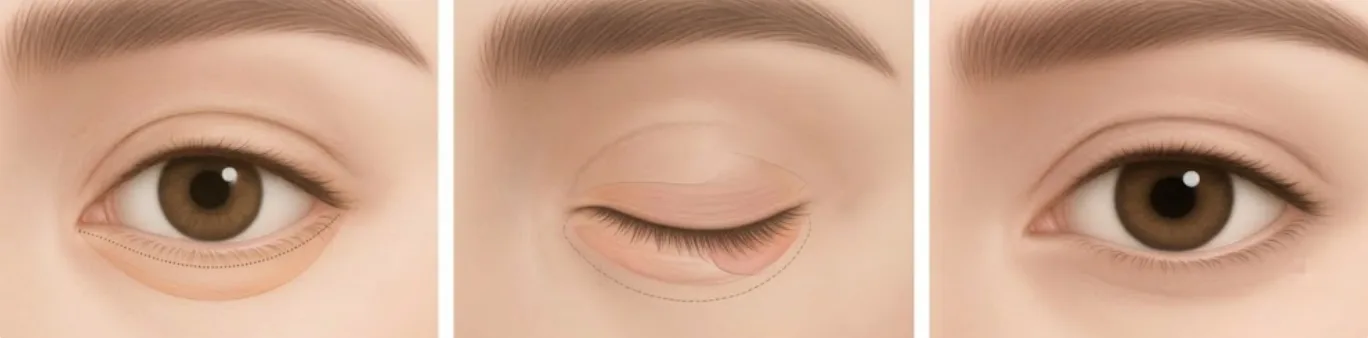
Illustration: the rounded, open lower-lid line is outlined and gently brought back toward a calmer, more natural eye shape.
The goal of the method is to restore the lid to a natural position and shape while you still look like yourself: to lift the lid margin back to its proper height, close the scleral show, and re-establish a smooth, supported contour so the eye reads as calm and rested. Because this is a corrective, structural procedure, the surgeon's first job is diagnosis: identifying exactly which tissues have lost position or support, since the right operation depends entirely on the cause.
This page is the deep dive on how the technique works. For an overview of the procedure as a whole (candidacy, results and the rest), see the main round eye correction page, and for the closely related lower-lid operations it is often compared with, see who lower blepharoplasty is for.
How it is performed
How the technique is performed, step by step
Every operation begins with assessment of the lower lid. The surgeon examines how the lower lid sits and moves, tests its tone and support, and identifies whether the round appearance comes from the lid being pulled down, from a lack of support along the lid margin, or from scarring and tissue loss after previous surgery. This examination dictates which elements of the technique are used. The method is a framework adapted to your anatomy.
The correction itself works on the lid's structure. Through a fine incision, typically hidden just below the lashline or on the inner surface of the lid, the surgeon releases any tissue that is tethering the lid downward, then repositions the lid margin to its correct height. The key step is reinforcing support: the lid is re-anchored and its outer corner is tightened or re-suspended so the margin is held at the right level and will not slide back down as it heals. Where earlier surgery removed too much, support may need to be rebuilt, because tightening alone will not hold. Fine, layered sutures then close the incision so the lid surface stays smooth.
Because the work is precise and the margins of correction are small, the operation rewards an unhurried pace and a single pair of experienced hands from start to finish. At Garnet the surgeon who planned your correction is the one who performs it. There is no handover mid-procedure to a different operating doctor, which for delicate lid work is a meaningful safeguard. For how the recovery then unfolds, see the recovery timeline and what to expect for scars and healing.
Registered method
What it means that the method is registered as a trademark
Garnet's surgical methods, including its approach to round eye correction, are registered as trademarks with the Korean Intellectual Property Office. It is worth being precise about what this does and does not mean, because the word "trademark" is easy to misread. A trademark registration names and protects a particular technique as the clinic's own — it identifies and secures the name of the method. It is a legal and identifying status and carries no clinical verdict.
What a registered method is not is a guarantee or a claim of a better outcome. Registration does not mean the technique produces a superior result, heals faster, or carries less risk than the operation performed elsewhere; no registration can promise that, and your result depends on your anatomy, the cause of the rounding and the surgeon's judgement far more than on any name. We mention the registration because it is a true, factual detail about how Garnet documents its techniques. It is no reason to expect more than the procedure can deliver. A careful assessment of whether the method suits you matters far more than the label attached to it.
If clarity over surgeons and methods is important to you, the same questions apply to any clinic: who developed the technique, who performs it, and what realistic result it can achieve for your specific eye. You can read more about how to weigh these in choosing a board-certified plastic surgeon, and ask all of it directly in an online consultation.
Anaesthesia & timing
Anaesthesia, comfort and how long the operation takes
Round eye correction is usually performed under local anaesthesia, often with light sedation to keep you relaxed and comfortable. The eye area is numbed thoroughly before anything begins, so the procedure itself is not painful. You may feel pressure or movement. The exact approach depends on the extent of the correction and your own comfort, and the surgeon agrees it with you beforehand, never on the day. For a fuller account of comfort during and after lid surgery, see pain and anaesthesia.
Operating time varies with how much needs to be done; a focused margin correction is quicker than rebuilding lost support after previous surgery. Lid procedures of this kind take roughly 1 to 2 hours. Because Garnet caps the schedule at two surgeries a day and one patient per hour, the operation is never rushed to fit a crowded list, and you are not waiting in a queue of overlapping cases.
You go home the same day. Sutures placed on the skin are typically removed about a week later, and the surgeon reviews how the lid is settling at that visit before you travel onward or fly home.
Who it suits
Who the method is — and is not — for
The technique suits people whose lower lid genuinely sits too low or pulls down: a visibly rounded eye shape, scleral show beneath the iris, or a lid that has dropped after earlier eyelid surgery. It is a corrective, structural operation, so the right candidates are those with a clear anatomical reason for the rounding that the method can address. A careful examination is what separates a good candidate from someone who would be better served by a different procedure, or by no surgery at all.
It is not a general "bigger eyes" or shaping operation, and it is not the answer to every concern around the lower lid. Eye-bag or under-eye hollowing, for instance, is usually a job for lower blepharoplasty or under-eye fat repositioning. A careful surgeon will tell you when your concern points to a different operation, and Garnet's policy is to address only the area you came for and recommend nothing extra.
The clearest way to find out is a pre-assessment of your own eyes. See who round eye correction is for for the candidacy detail, or send photos for a direct opinion before you commit to anything.
At Garnet
How Garnet approaches round eye correction
Round eye correction at Garnet, a single-surgeon clinic in Apgujeong, Seoul, is done by Dr. In-Soo Baek, a board-certified plastic surgeon (Korean medical licence no. 77407) and the only operating doctor. He carries out the consultation, plans the technique to your anatomy, performs the surgery himself, and reviews your healing personally. For delicate lower-lid work, that continuity means the person who assessed your eye is the person correcting it, and the clinic's registered surgical methods are documented under that same single-surgeon model.
The clinic caps the day at two surgeries and one patient per hour, so each correction has unhurried time, and follow-up is structured at 1, 3 and 6 months. If you are flying in for a lower-lid correction, Garnet's registration with Korea's foreign-patient programme means consultation, scheduling and after-care are coordinated for you. You can begin with a no-obligation online assessment: send photos and ask exactly how the method would apply to your eyes before you plan any travel.
Real Results
Before & After
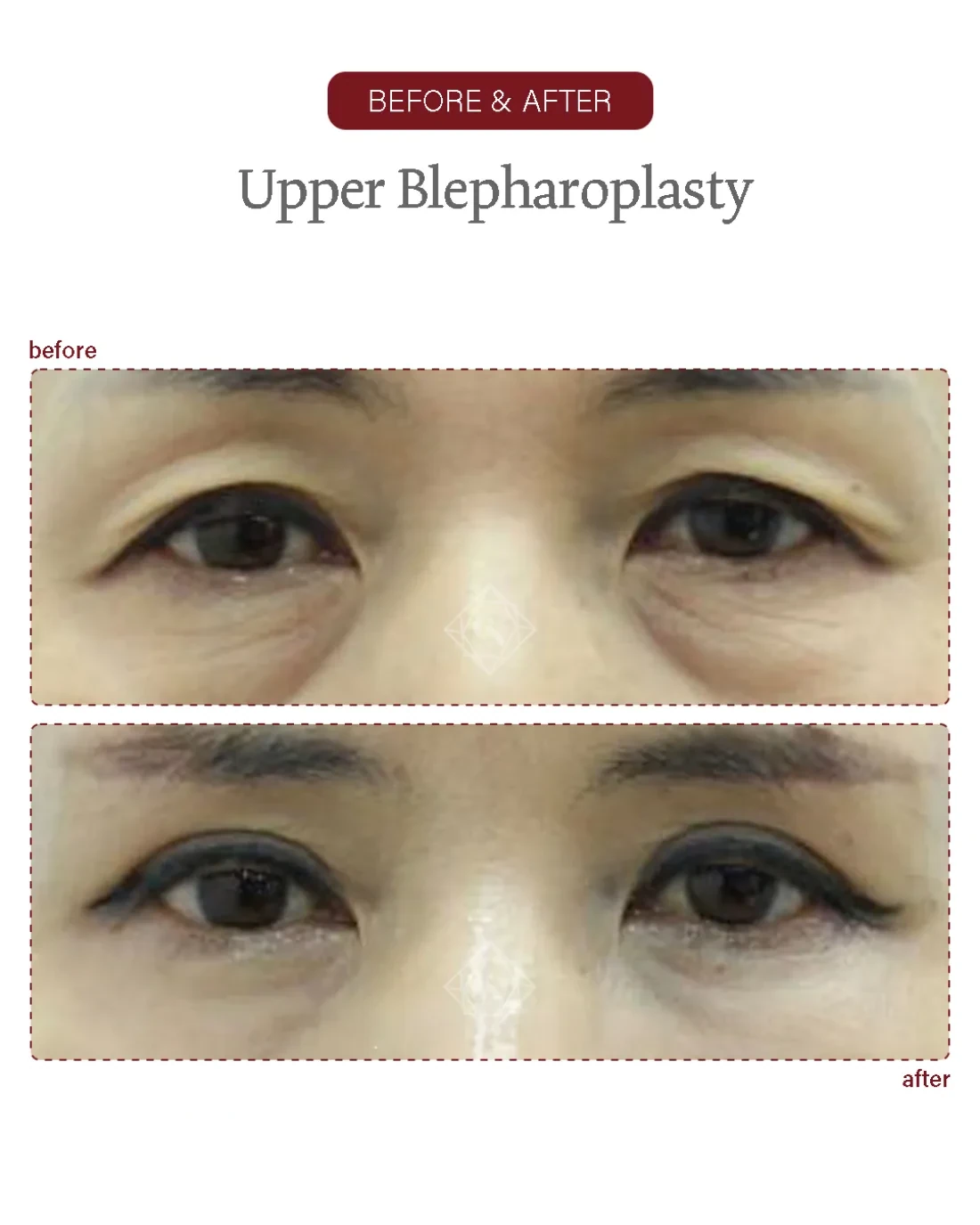
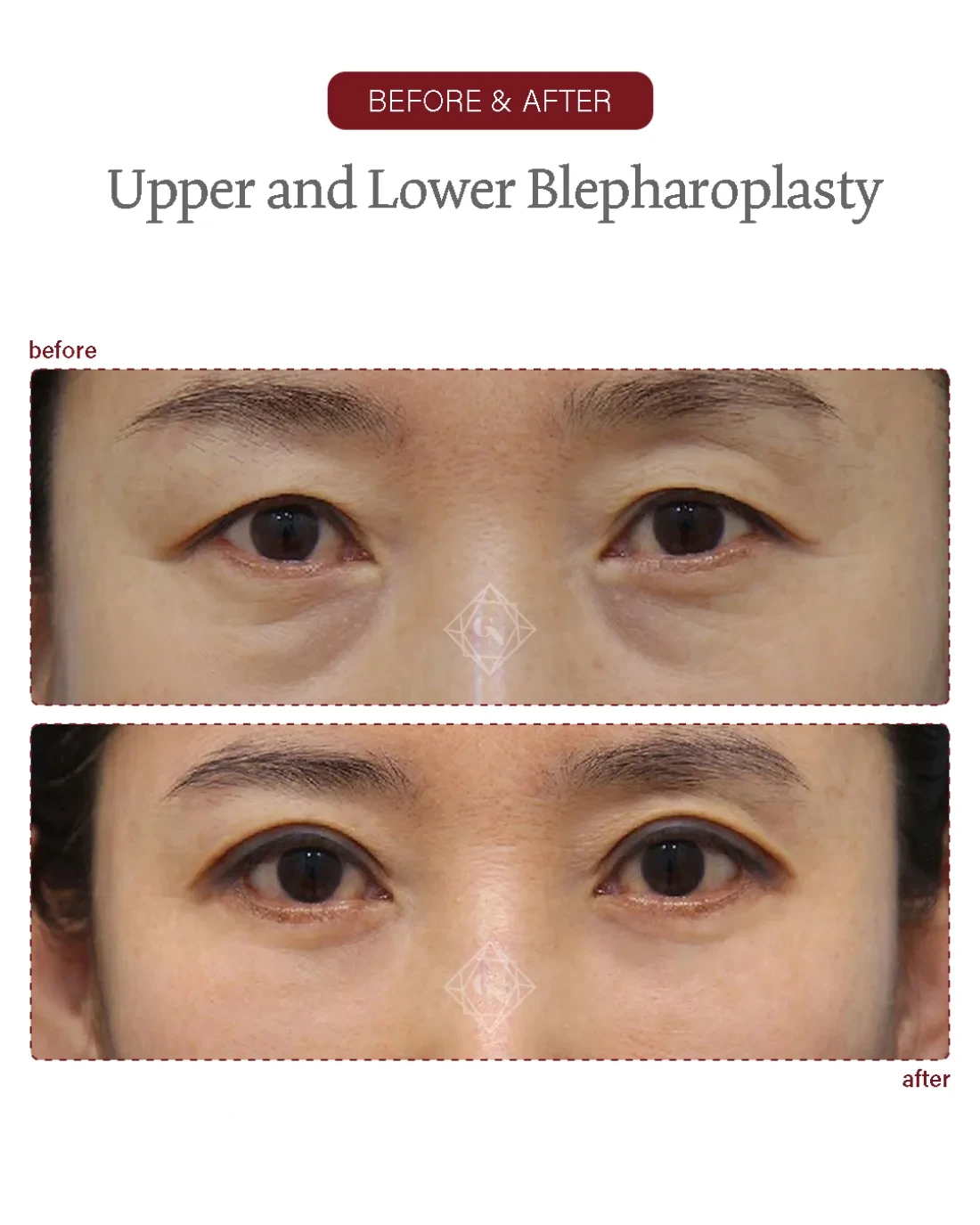
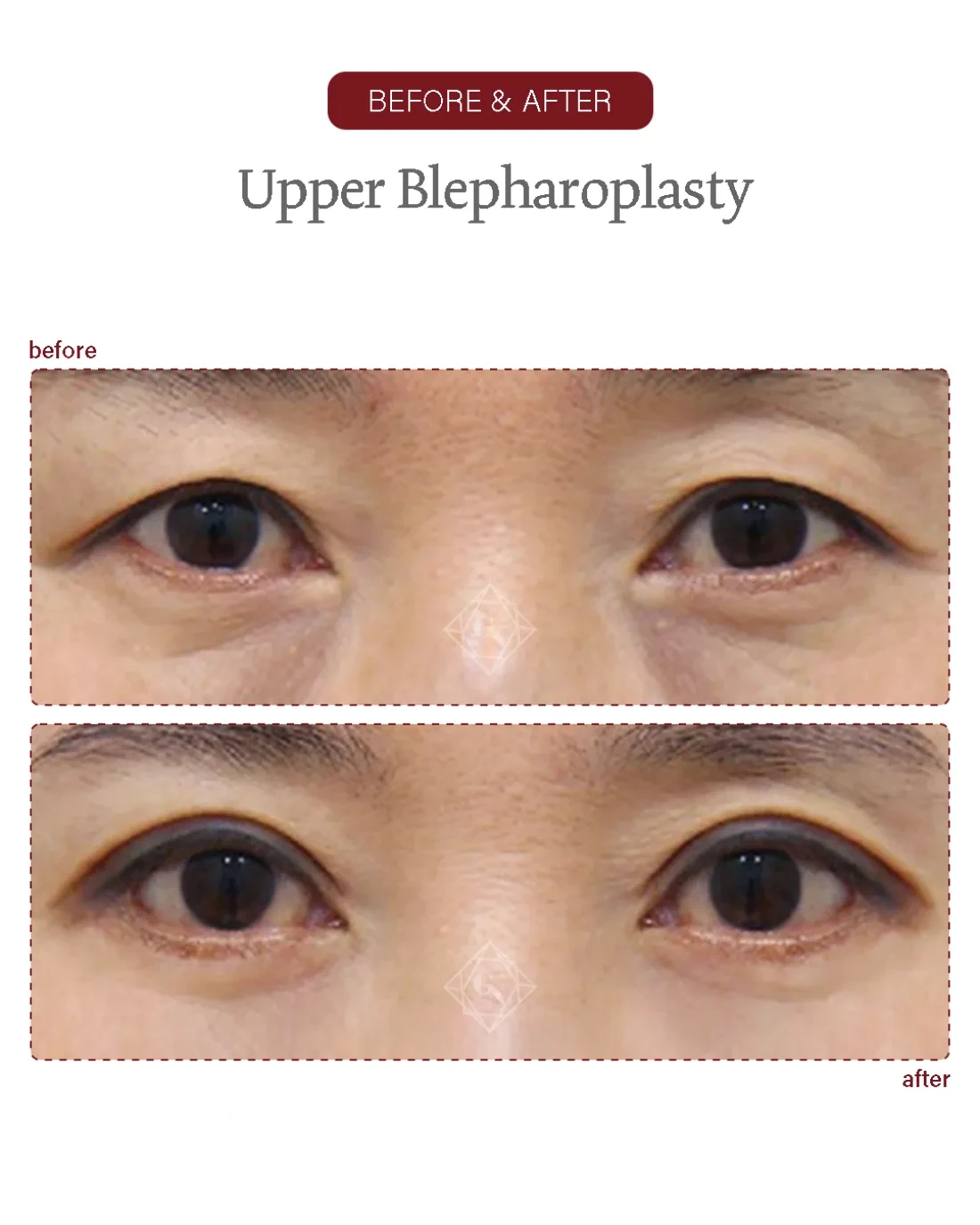
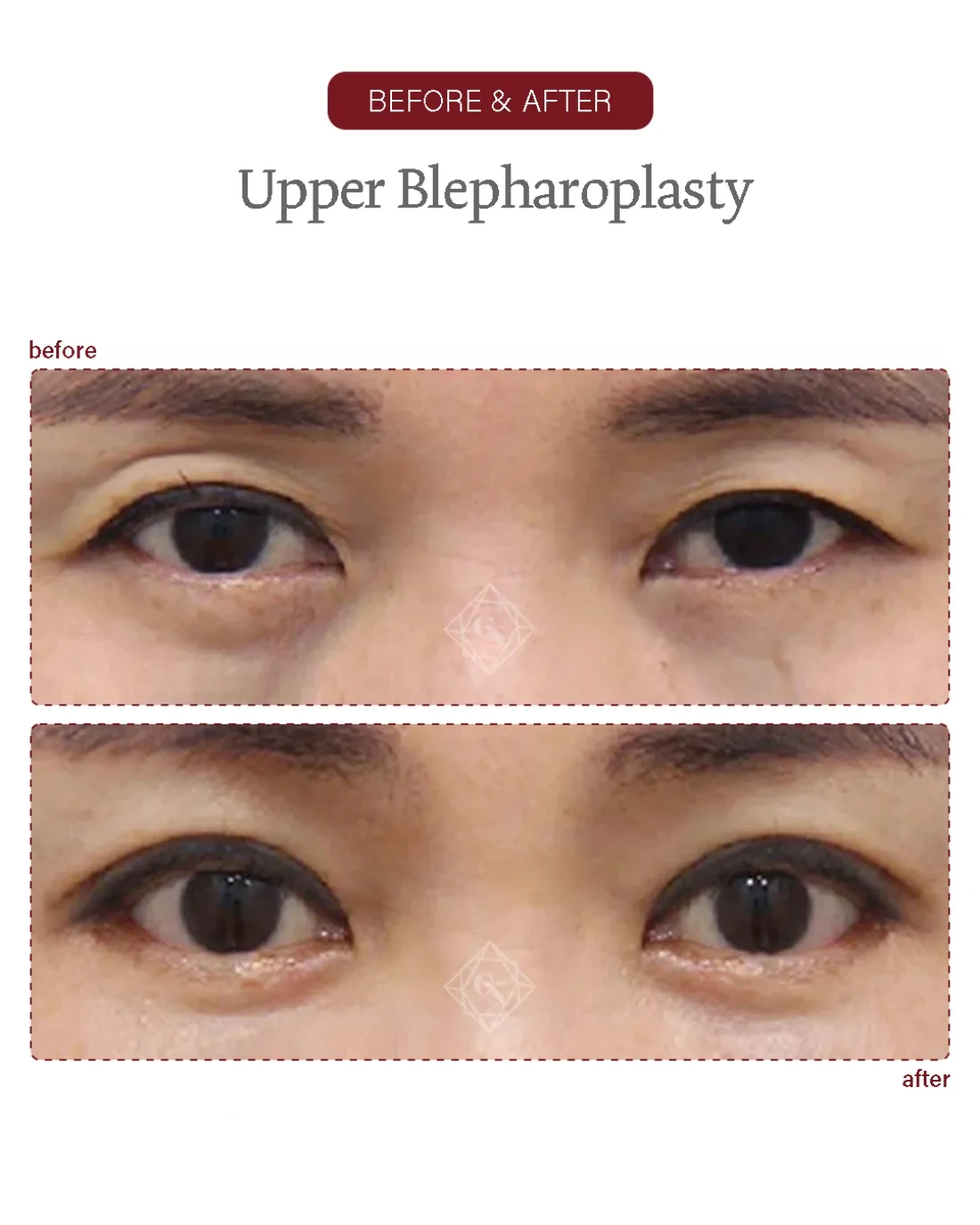
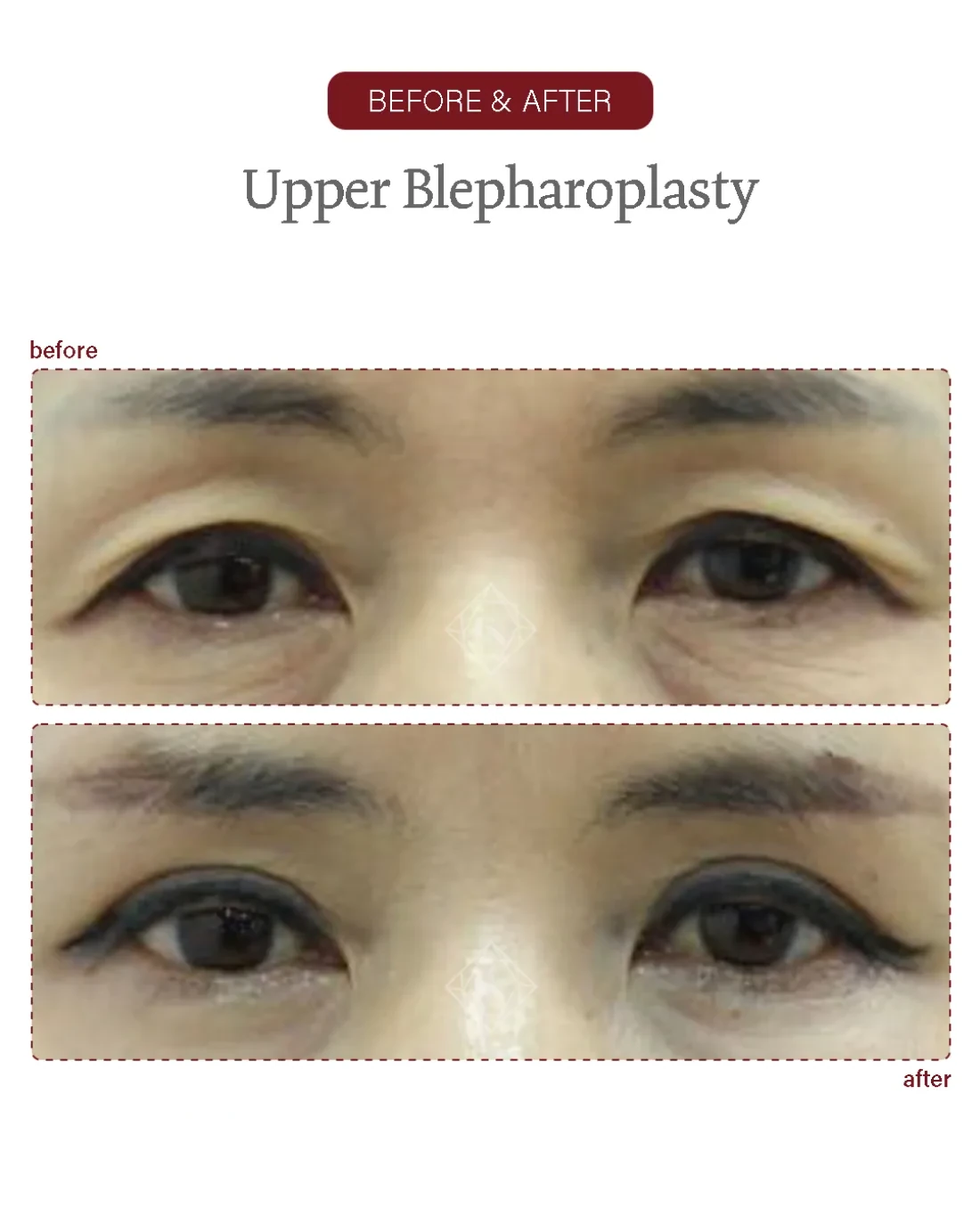
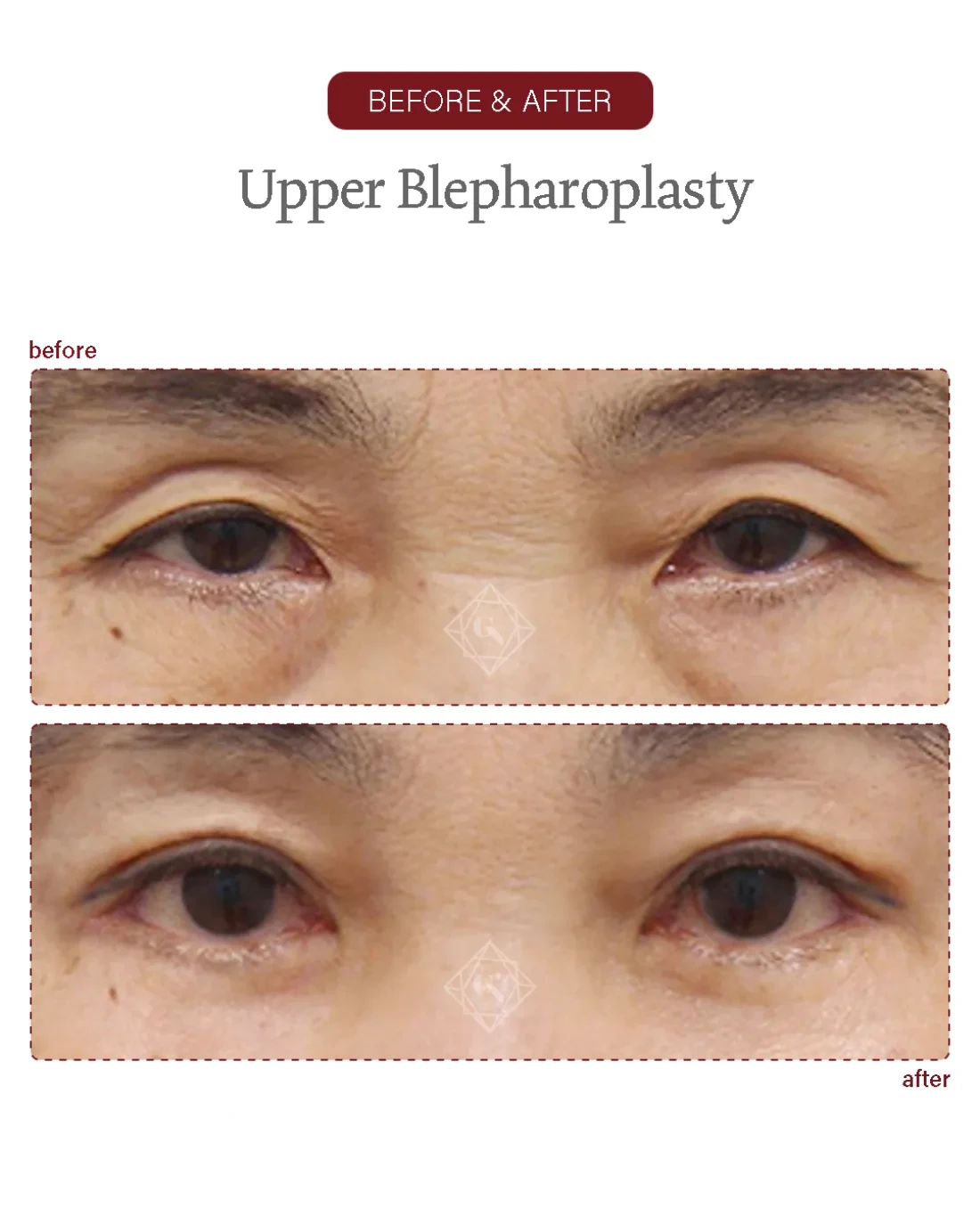
Eyelid before/after examples of actual Garnet patients (published with consent). Results, recovery and suitability vary by individual and are not guaranteed; the right approach depends on an in-person examination.
Prices
Price at Garnet
Lower blepharoplasty
From₩3,500,000 + VATExcluding VAT (10% VAT is added at payment)Book now
Same price as Korean patients. Prices shown exclude 10% VAT; your written quote, issued after the in-person consultation, shows the full amount payable.
Dr. In-Soo Baek
Director & sole operating surgeon
Korean medical licence no. 77407
Operate on what you came for. Trained at Korea University Medical Center. Every case planned, performed and reviewed by the same hands.
1Operating surgeon
~2Surgeries per day
7Registered techniques
Board-certified plastic surgeon
Plastic surgery training at Korea University College of Medicine & graduate school
Korean Society of Plastic and Reconstructive Surgeons member, in its facial-contour, eye & rhinoplasty groups
Consults, operates and follows up each case himself
Peer-reviewed papers behind the facts on this page. Each describes findings in its own study group — not results at Garnet — and none predicts your own outcome.
Loeb R. Scleral show. Aesthetic Plastic Surgery. 1988. doi:10.1007/bf01570927
McCollough EG et al. Blepharoplasty: Avoiding Plastic Eyelids. Archives of Otolaryngology - Head and Neck Surgery. 1988. doi:10.1001/archotol.1988.01860180059030
Mackinnon SE et al. The Incidence and Degree of Scleral Show in the Normal Population. Plastic and Reconstructive Surgery. 1987. doi:10.1097/00006534-198707000-00003
FAQ
Common questions
How is round eye correction performed step by step?
After a careful examination of how the lower lid sits and moves, the surgeon makes a fine incision, usually hidden just below the lashline or on the inner surface of the lid, releases any tissue pulling the lid down, repositions the lid margin to its correct height, and reinforces its support so it stays there. Layered sutures close the incision smoothly. The exact steps are tailored to the cause of the rounding.
What does it mean that Garnet's method is trademarked?
It means the surgical method is registered as a trademark with the Korean Intellectual Property Office, which names and protects the technique as the clinic's own. It is an identifying and legal status only. It does not mean the result is better, safer or faster than the operation performed elsewhere. Registration describes the named technique and says nothing about the outcome.
Why is the technique registered at all?
Registering a surgical method documents and protects its name as the clinic's own work. Garnet registers its methods with the Korean IP Office as a matter of record. It is best understood as how the clinic documents its techniques, and it makes no clinical claim. Your result depends on your anatomy and the surgeon's judgement far more than on any registered name.
What does round eye correction actually fix?
It addresses a lower lid that sits too low or pulls down: a rounded eye shape, or visible white (scleral show) beneath the iris. The method repositions the lid margin to its correct height and reinforces its support so the eye looks more natural and rested. It is a corrective, structural procedure.
Is round eye correction the same as lower blepharoplasty?
No. Lower blepharoplasty mainly addresses eye-bags and under-eye contour, while round eye correction repositions and supports a lower lid that has dropped or retracted. They are sometimes related (round eye can even follow over-aggressive lower blepharoplasty), but they target different problems. A proper examination determines which one your eyes actually need.
What anaesthesia is used and does it hurt?
It is usually performed under local anaesthesia, often with light sedation. The eye area is numbed thoroughly first, so the procedure is not painful. You may feel pressure. The right approach is confirmed with you beforehand based on the extent of the correction and your comfort.
How long does the operation take and do I stay overnight?
Most corrections take roughly 1 to 2 hours depending on how much needs to be done; rebuilding support after previous surgery takes longer than a focused margin correction. It is a day procedure, and you go home the same day, with skin sutures usually removed about a week later when the surgeon reviews how the lid is settling.
Will the same surgeon who consults me perform the surgery?
At Garnet, yes. Dr. In-Soo Baek is the only operating surgeon. He consults, plans the technique, performs the operation himself and reviews your recovery at 1, 3 and 6 months. For delicate lower-lid work, that continuity means there is no handover to a different operating doctor mid-procedure.
Can I find out if the method suits my eyes before travelling?
Yes. You can send photos for a pre-assessment in an online consultation. Before you commit to any travel, the surgeon will tell you whether round eye correction is the right operation, whether a different lower-lid procedure fits better, or whether surgery is not needed.
My mom recently had a brow lift and lower blepharoplasty with Dr. Baek, and our experience has been wonderful so far. The Garnet team was incredibly kind and welcoming, with Kelly assisting us as our English consultant—she made everything…
I’m so happy I chose this clinic for my lower blepharoplasty. I was traveling from abroad by myself, so I was a little nervous, but from the beginning I felt comfortable and truly cared for. Everyone was kind, patient, and professional…
Came in for an in-person consult and ended up choosing Garnet and Dr.Baek for my non-incisional DES and tiplasty/alarplasty. I communicated with Kelly (English consultant) from the start till now (3 weeks post-op). She really help me feel…
My under-eyes have been sagging and folding for years... I tried to cover it up with makeup, but it actually got stuck in the wrinkles and made it stand out even more. While going for consultations, I noticed that the bigger the hospital…
Wondering whether round eye correction is the right operation for your eyes? Send photos for an honest, no-obligation pre-assessment before you plan a trip.
Send photos and your question before you travel. An English-speaking coordinator reviews every enquiry and replies with guidance on whether surgery is appropriate, the likely plan and timing.
✓ Reviewed by the clinic coordinator, not a bot
✓ Photo-based pre-assessment before you fly
✓ Foreign-patient scheduling & after-care
✓ One surgeon for consultation, surgery and follow-up
Prefer to chat now? Reach the coordinator directly:









 T S7 months ago



