Upper blepharoplasty is performed through a small crease incision in the upper eyelids under local anaesthesia, and it is one of the more comfortable facial operations. “Will it hurt?” is a fair question, so this page walks through the anaesthesia, what you feel during surgery, and the realistic course of discomfort afterwards.
The short answer
Upper blepharoplasty is usually done under local anaesthesia, so you are awake but the lid is numbed; sedation can be added for anxious patients.
The only sharp moment is the initial numbing injection; once the lid is numb you feel pressure and movement without pain.
Most discomfort is mild tightness, soreness and swelling over the first two to three days, easing as the sutures come out at about seven days.
The same board-certified surgeon manages your comfort throughout and reviews recovery, with structured follow-up for international patients.
Upper blepharoplasty is typically performed under local anaesthesia. The surgeon numbs the upper-lid skin and tissue with a local anaesthetic so the area where the crease incision is made, and the skin is excised, is fully insensate during surgery. You stay awake but feel no sharp pain in the lid once it is numb, which is why this operation is so often described as well-tolerated.
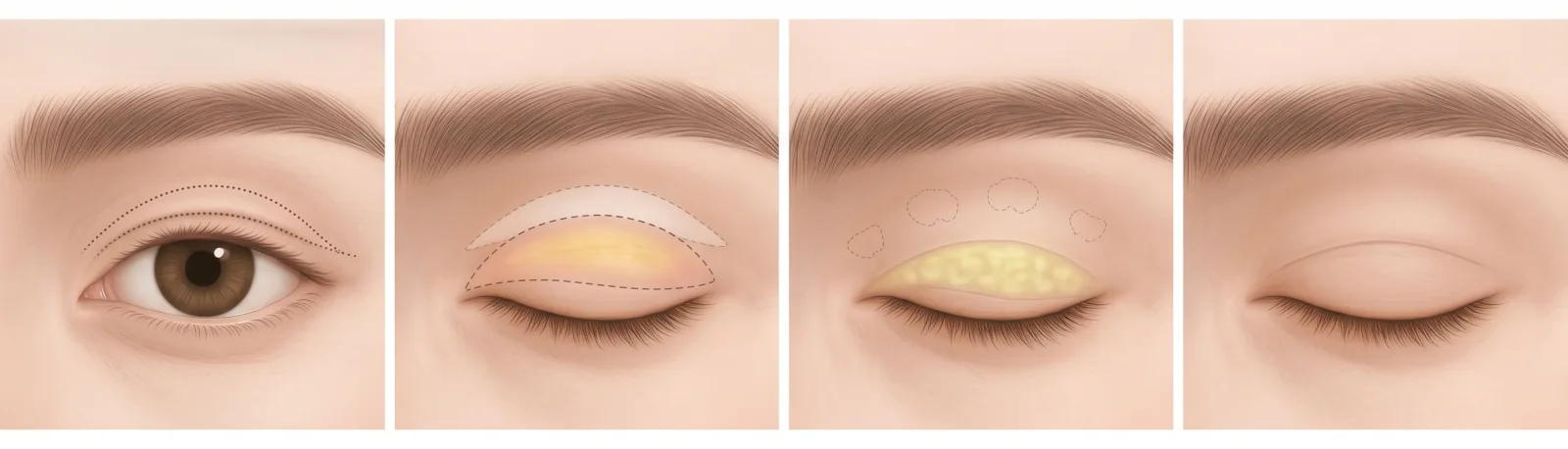
Illustration: the planned crease is marked, the excess upper-lid skin and selected fat pads are addressed through that line.
Because it is a local-anaesthetic procedure, you avoid the grogginess and longer recovery that general anaesthesia brings, and you can usually go home the same day. For patients who feel anxious about being awake, light sedation can be added so you are relaxed and drowsy while still breathing on your own. Many nervous international patients find this middle ground reassuring.
Which approach suits you depends on your anxiety level, your medical history and the plan for your particular lids. If you are weighing this against other eye procedures, the anaesthesia approach is broadly similar to a ptosis correction, which is also commonly performed under local anaesthesia.
During surgery
What you actually feel during the operation
During upper blepharoplasty the only genuinely sharp moment is the initial numbing injection: a brief sting as the local anaesthetic goes in, similar to a dental injection, lasting a few seconds. After that the lid becomes numb and the sharpness disappears for the rest of the procedure.
Once you are numb, you are aware of pressure, gentle tugging and movement around the eye, and you may notice sounds or a sense of the surgeon working, but these are sensations without pain. Many patients are surprised by how undramatic it feels. The operation itself is short, and being awake means you can follow simple instructions, such as opening and closing the eye, which actually helps the surgeon judge the result.
If at any point you feel more than pressure, the surgeon can top up the local anaesthetic immediately. Telling the surgeon how you feel is part of the process. The aim is for the whole operation to stay comfortable from start to finish.
After surgery
Discomfort over the first few days
As the local anaesthetic wears off over the first few hours, you will notice tightness, mild soreness and a heavy or stretched feeling in the upper lids. This is normal and usually described as discomfort more than pain. Most patients manage it with simple over-the-counter pain relief and do not need anything stronger. The first night is typically the most noticeable, then it settles.
Swelling and some bruising build over the first two to three days and then begin to fade. The sutures stay in until about day seven, when they are removed, and the lid starts to feel and look more like its own self after that. Compared with deeper facial surgery, the discomfort here is modest and short-lived; you can read the full day-by-day course on the upper blepharoplasty recovery timeline.
It is worth separating discomfort from worry. A tight, swollen, slightly bruised lid that improves each day is expected. Pain that keeps increasing, spreading redness, discharge or a sudden change in vision is not, and should prompt you to contact the clinic, which, for international patients, the operating surgeon continues to do remotely after you travel home.
Managing it
How pain and swelling are managed
Most upper-lid discomfort is managed simply. Cool compresses in the first day or two reduce swelling and soothe the area, keeping your head elevated (including sleeping propped up on an extra pillow) helps the swelling drain, and avoiding bending, heavy lifting and strenuous exercise in the early days keeps pressure off the lids. Simple pain relief covers the soreness for most people.
Your surgeon will give specific guidance on cleaning the incision, when you can wash your face, and when eye make-up and contact lenses can return. Following that closely keeps you comfortable and protects the result. If you bruise easily, mention any blood-thinning medication or supplements at consultation, since some are paused beforehand to reduce bruising.
Because the recovery is short and predictable, planning around it is straightforward. Many international patients build the suture removal at day seven into their stay; if you want help mapping the timing, see how long to allow on the recovery timeline and discuss it in your online consultation before you travel.
At Garnet
How comfort and follow-up work at Garnet
Garnet is a single-surgeon clinic in Apgujeong, Seoul. Dr. In-Soo Baek is a board-certified plastic surgeon (Korean medical licence no. 77407) and the only operating doctor, and he administers the assessment, performs the surgery himself and manages your comfort and recovery, so the person numbing and operating on your lids is the same one who reviews how you heal.
That continuity is part of what keeps the experience calm: the surgeon already knows your anxiety level, your plan and exactly what was done, so after-care advice is specific to you. The clinic caps the day at two surgeries and runs to one patient per hour, which means the operation is unhurried and you are not rushed in or out.
For international patients, follow-up does not end when you leave Korea. Recovery is reviewed at structured points at one, three and six months, and the surgeon can continue to check in remotely after you return home. You can start with a no-obligation pre-assessment in an online consultation, and read what to expect at your first consultation.
Real Results
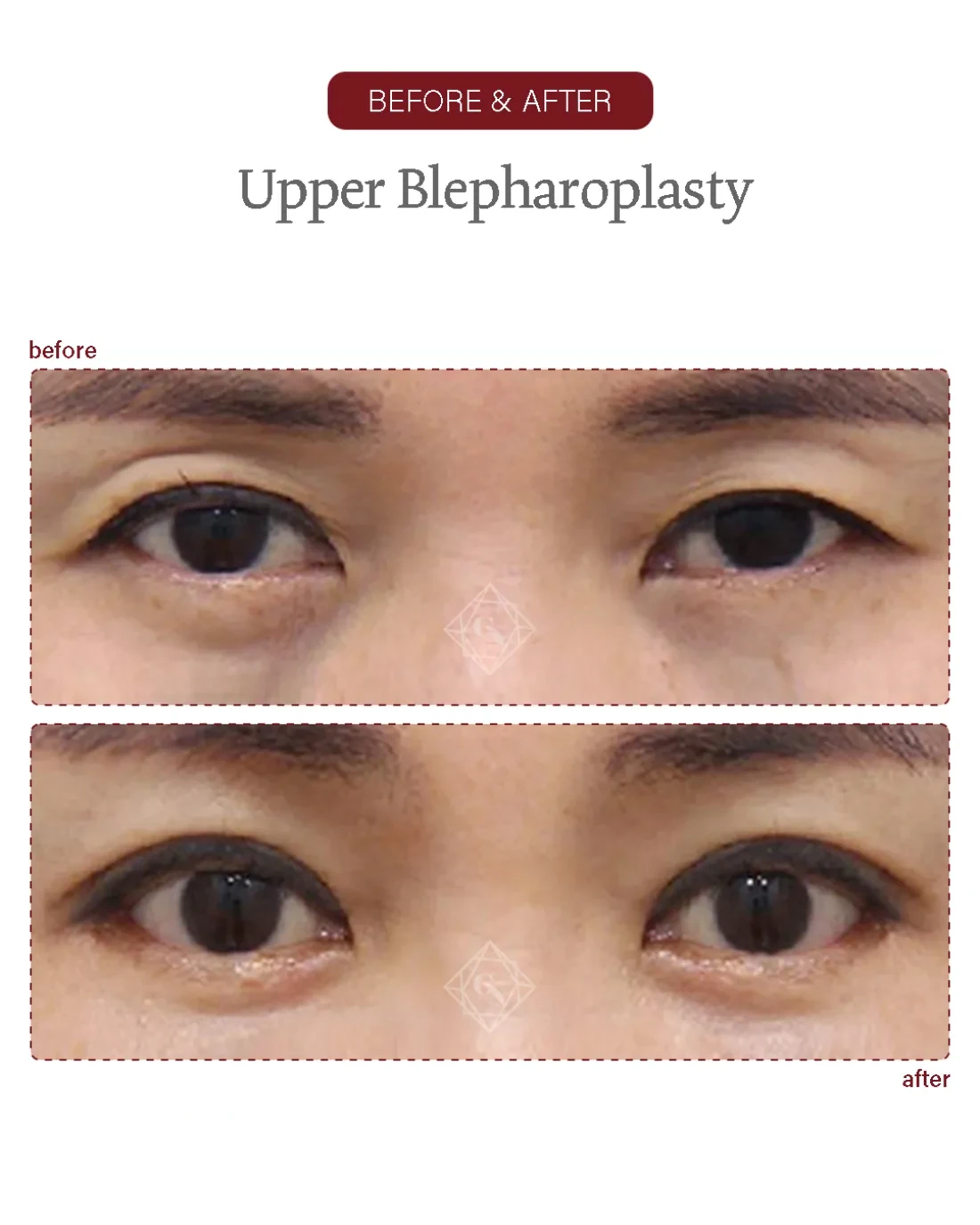
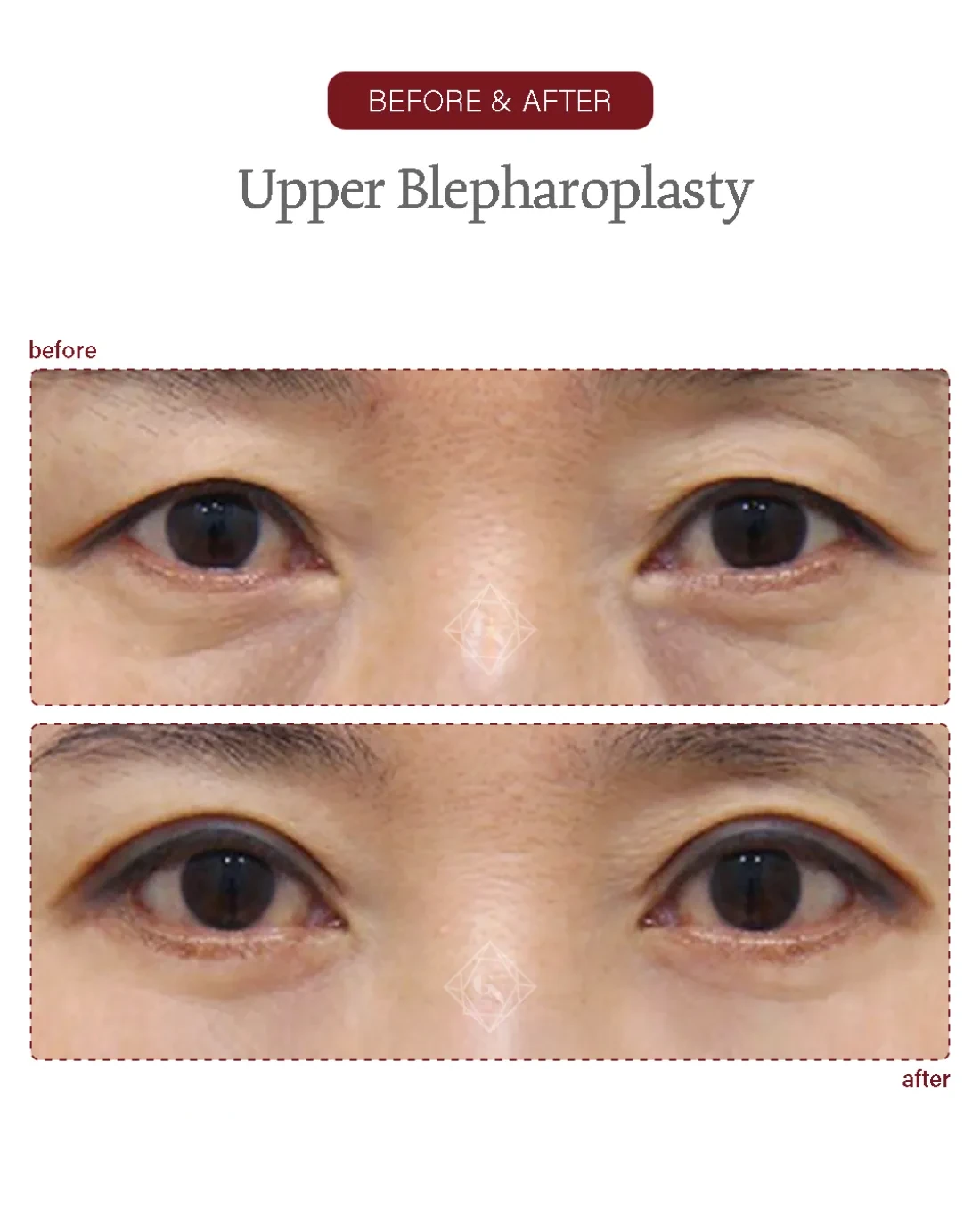
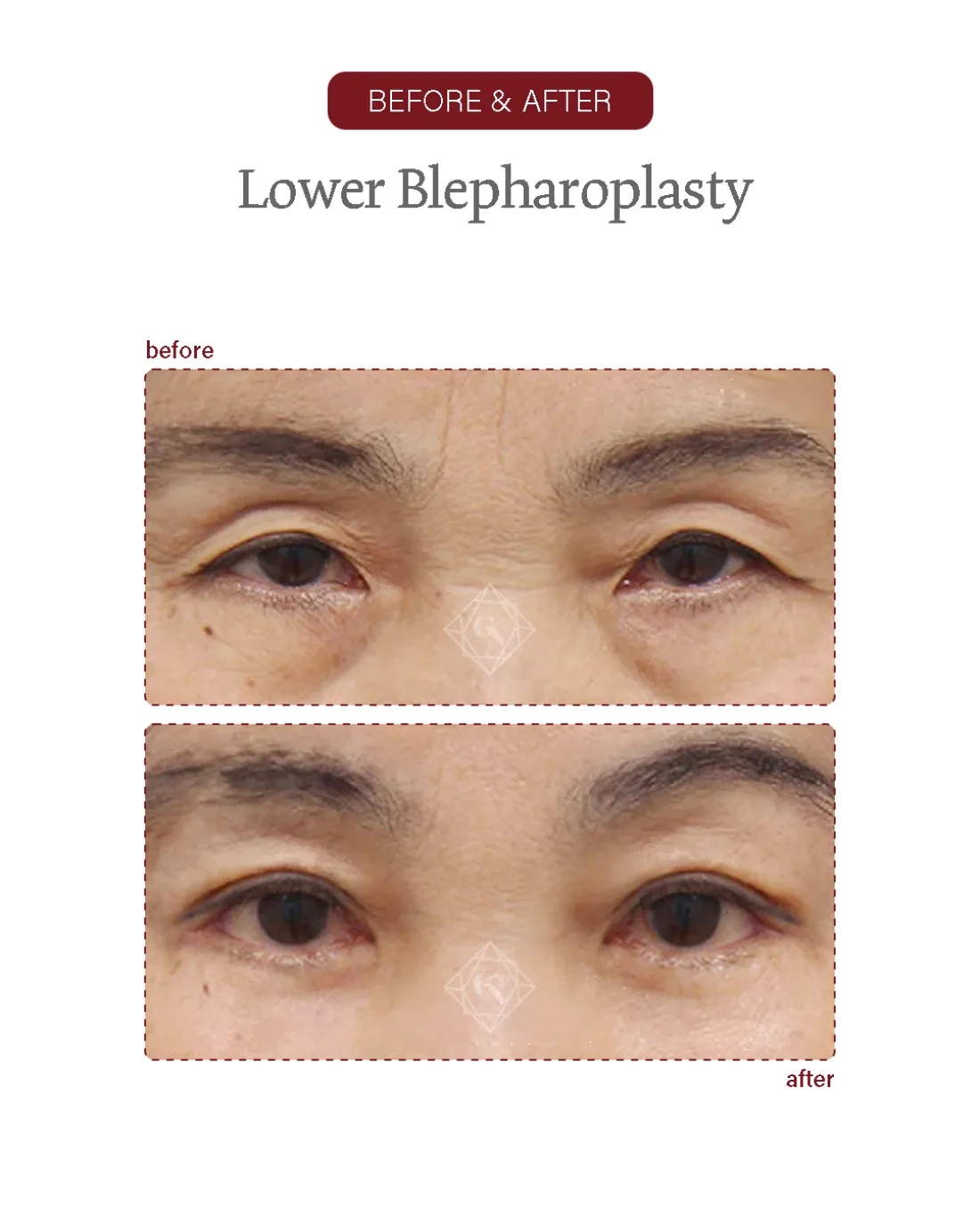
Before & After
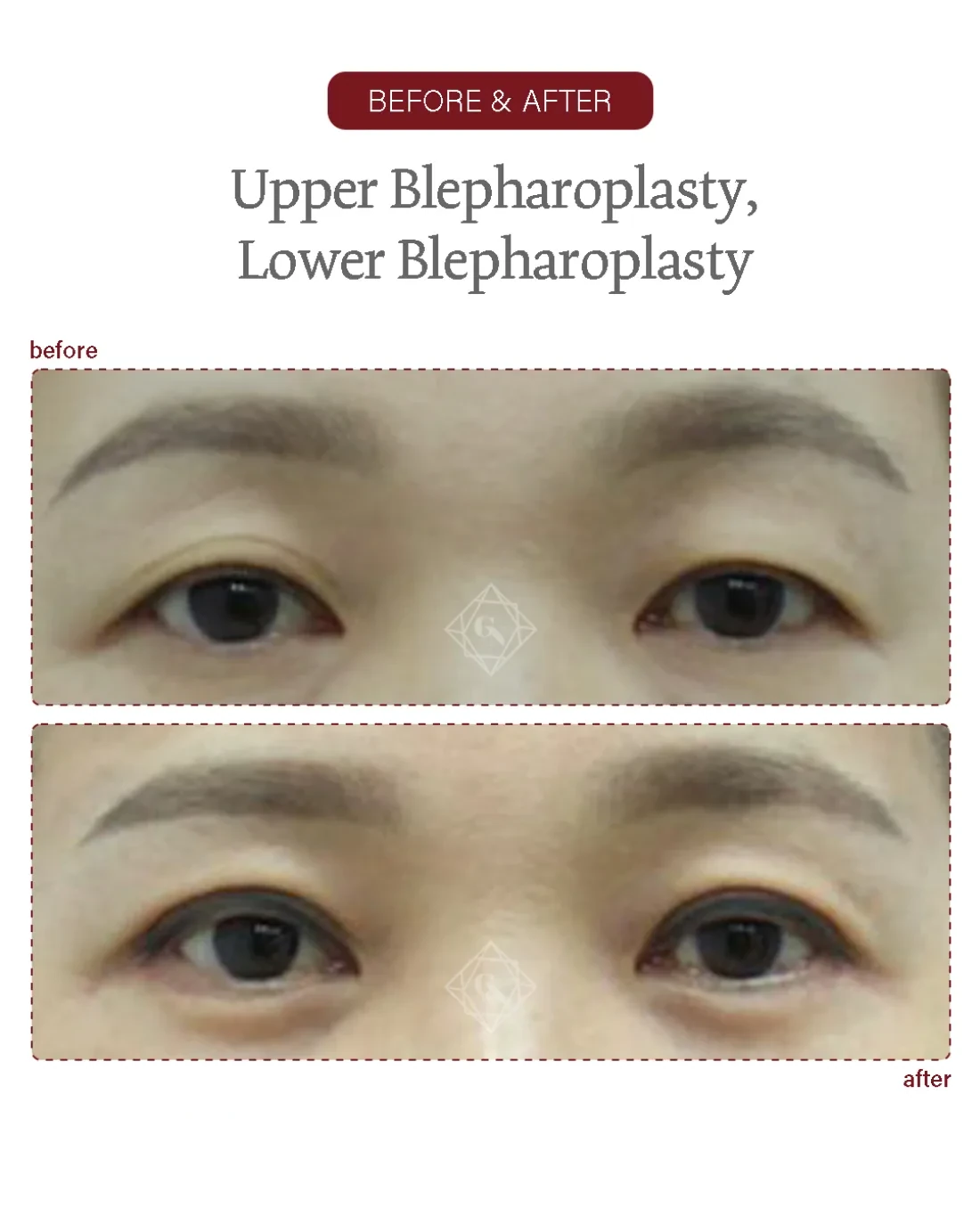
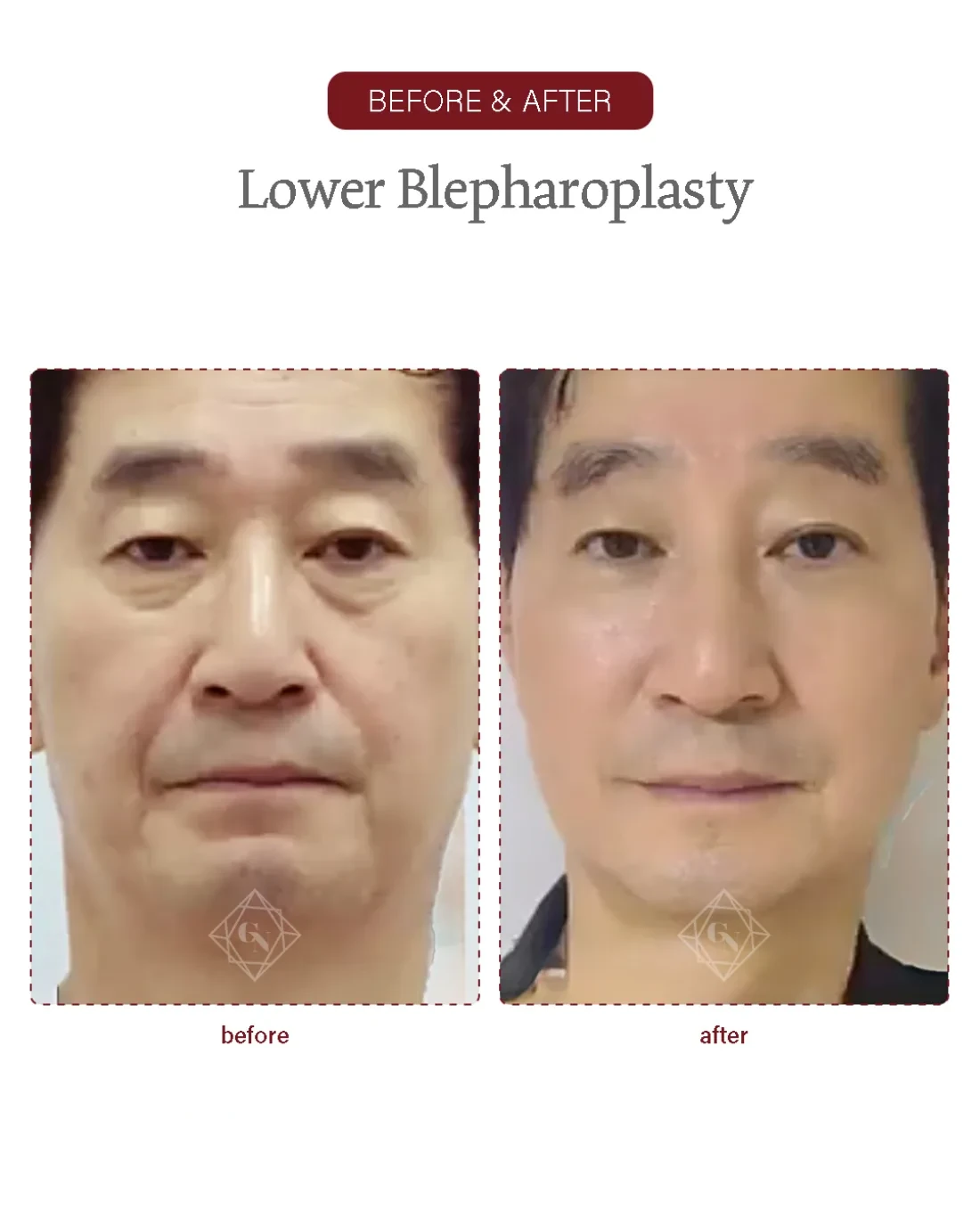
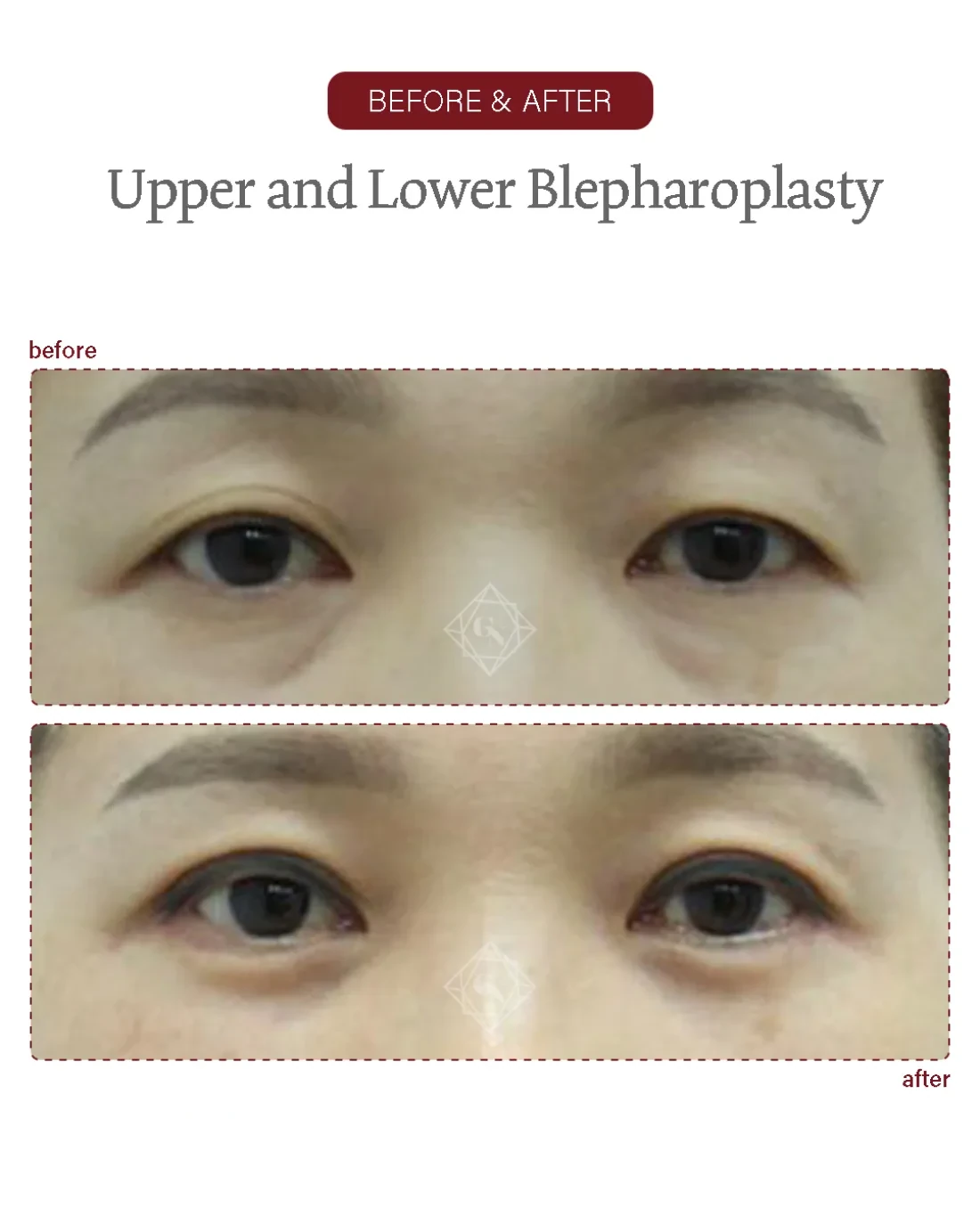
Eyelid before/after examples of actual Garnet patients (published with consent). Results, recovery and suitability vary by individual and are not guaranteed; the right approach is decided at an in-person consultation.
Prices
Price at Garnet
Upper blepharoplasty
From₩3,500,000 + VATExcluding VAT (10% VAT is added at payment)Book now
Same price as Korean patients. Prices shown exclude 10% VAT; your written quote, issued after the in-person consultation, shows the full amount payable.
Dr. In-Soo Baek
Director & sole operating surgeon
Korean medical licence no. 77407
Operate on what you came for. Trained at Korea University Medical Center. Every case planned, performed and reviewed by the same hands.
1Operating surgeon
~2Surgeries per day
7Registered techniques
Board-certified plastic surgeon
Plastic surgery training at Korea University College of Medicine & graduate school
Korean Society of Plastic and Reconstructive Surgeons member, in its facial-contour, eye & rhinoplasty groups
Consults, operates and follows up each case himself
Peer-reviewed papers behind the facts on this page. Each describes findings in its own study group — not results at Garnet — and none predicts your own outcome.
Alghoul MS et al. Rethinking Upper Blepharoplasty: The Impact of Pretarsal Show. Plastic & Reconstructive Surgery. 2020. doi:10.1097/prs.0000000000007330
Hollander MHJ et al. Functional outcomes of upper eyelid blepharoplasty: A systematic review. Journal of Plastic, Reconstructive & Aesthetic Surgery. 2019. doi:10.1016/j.bjps.2018.11.010
Barmettler A et al. Upper Eyelid Blepharoplasty: A Novel Method to Predict and Improve Outcomes. Aesthetic Surgery Journal. 2018. doi:10.1093/asj/sjy167
FAQ
Common questions
Is upper blepharoplasty painful?
Not for most people. It is usually performed under local anaesthesia, so the lid is numbed and you feel pressure and movement during surgery, with no pain. The only sharp moment is the initial numbing injection. Afterwards there is mild soreness, tightness and swelling for a few days, managed with simple pain relief.
What anaesthesia is used for upper blepharoplasty?
Local anaesthesia is typical. The upper lid is numbed while you stay awake, which avoids the grogginess of general anaesthesia and usually allows same-day discharge. Light sedation can be added for anxious patients so you feel relaxed and drowsy while still breathing on your own. The approach is decided at consultation.
Does the numbing injection hurt?
The injection is the only genuinely sharp part, felt as a brief sting similar to a dental injection lasting a few seconds. Once the local anaesthetic takes effect the lid is numb and the rest of the operation is felt as pressure and movement only.
Will I be awake during the surgery?
Usually yes, under local anaesthesia. Being awake is comfortable because the lid is numb, and it lets you follow simple instructions like opening and closing the eye, which helps the surgeon judge the result. If you feel anxious, light sedation can be added so you are relaxed throughout.
How much discomfort is there after upper blepharoplasty?
Mostly mild. As the anaesthetic wears off you feel tightness, soreness and a heavy sensation in the lids, usually managed with over-the-counter pain relief. The first night is the most noticeable; swelling and bruising peak over two to three days and then fade, with sutures removed at about day seven.
How long does the discomfort last?
The active soreness is generally a few days. Swelling and bruising build over the first two to three days then ease, and the lid feels much more like itself after the sutures come out at around day seven. Compared with deeper facial surgery the discomfort is modest and short-lived.
What can I do to stay comfortable while healing?
Use cool compresses in the first day or two, keep your head elevated including when sleeping, avoid bending, heavy lifting and strenuous exercise early on, and take simple pain relief as advised. Follow the surgeon's guidance on cleaning the incision and when make-up and contact lenses can return.
When should I be concerned about pain after surgery?
Discomfort that eases each day is expected. Pain that increases instead, along with spreading redness, discharge, or a sudden change in vision, is not normal and should prompt you to contact the clinic. For international patients the operating surgeon continues to review recovery remotely after you travel home.
Is upper blepharoplasty more or less painful than other eye surgery?
It is generally among the more comfortable eye procedures because the work is confined to the lid skin. The anaesthesia approach is similar to ptosis correction, which is also commonly done under local anaesthesia, and the discomfort afterwards is typically modest and brief.
Does Garnet manage pain and recovery for international patients?
Yes. The same board-certified surgeon administers the anaesthesia, performs the operation and reviews recovery, with structured follow-up at one, three and six months and remote check-ins after you return home. You can discuss anaesthesia and comfort in an online consultation before you travel.
My mom recently had a brow lift and lower blepharoplasty with Dr. Baek, and our experience has been wonderful so far. The Garnet team was incredibly kind and welcoming, with Kelly assisting us as our English consultant—she made everything…
I’m so happy I chose this clinic for my lower blepharoplasty. I was traveling from abroad by myself, so I was a little nervous, but from the beginning I felt comfortable and truly cared for. Everyone was kind, patient, and professional…
Came in for an in-person consult and ended up choosing Garnet and Dr.Baek for my non-incisional DES and tiplasty/alarplasty. I communicated with Kelly (English consultant) from the start till now (3 weeks post-op). She really help me feel…
My under-eyes have been sagging and folding for years... I tried to cover it up with makeup, but it actually got stuck in the wrinkles and made it stand out even more. While going for consultations, I noticed that the bigger the hospital…
Send photos and your question before you travel. An English-speaking coordinator reviews every enquiry and replies with guidance on whether surgery is appropriate, the likely plan and timing.
✓ Reviewed by the clinic coordinator, not a bot
✓ Photo-based pre-assessment before you fly
✓ Foreign-patient scheduling & after-care
✓ One surgeon for consultation, surgery and follow-up
Prefer to chat now? Reach the coordinator directly:








 T S7 months ago



